Understanding the Mechanics of Your Electronic Pet
The furby toy represents a significant milestone in the history of interactive robotics. Since its initial launch in the late 1990s, this creature has captured the imagination of children and collectors alike. Therefore, understanding how it works is the first step in proper care. Unlike standard plush toys, a Furby contains complex electronic components inside. These components include a motherboard, sensors, and motorized gears. Consequently, you cannot simply throw it into the washing machine. The interaction you have with the pet relies on these internal sensors. For instance, it reacts to light, sound, and motion. Additionally, the gears control the movement of its ears, eyes, and beak.
Over time, these mechanical parts require specific maintenance to function smoothly. Owners must recognize that their pet is a delicate piece of technology. It is not just a stuffed animal. Furthermore, the outer skin is often glued or sewn to the plastic frame. This construction makes cleaning a careful process. By understanding the internal architecture, you can prevent accidental damage. This knowledge ensures your robotic companion remains functional for years. Moreover, knowing the mechanics helps you diagnose simple problems. You will learn why it makes certain sounds. You will also understand why it moves in specific ways. This insight fosters a deeper appreciation for the engineering behind the toy.
Best Practices for Cleaning the Fur and Exterior
Maintaining the exterior appearance of your robotic pet is crucial for hygiene and aesthetics. However, you must proceed with extreme caution. Water and electronics are a dangerous combination. Therefore, you should never submerge your Furby in water. Instead, regular surface cleaning is the recommended approach. You can use a soft, dry cloth to wipe away dust. For more stubborn dirt, a slightly damp cloth works well. Make sure to wring out the cloth thoroughly before use. Additionally, a soft-bristled brush can help remove debris from the fur. Move the brush gently in the direction of the hair growth. This prevents the fur from matting. Furthermore, avoid using harsh chemical solvents.
Alcohol or bleach can damage the synthetic fibers. They can also degrade the plastic components. Consequently, mild soap and water is the best solution for spots. If your Furby has light-colored fur, you might need to clean it more often. However, always test a small, hidden area first. This ensures the cleaning agent does not discolor the fur. For vintage models, the fur might be more brittle. Therefore, extra gentleness is required. By keeping the exterior clean, you preserve the value and look of the item. It will look fresh and new for a longer period.
Essential Battery Maintenance and Safety
Batteries are the lifeblood of your interactive friend. Without them, the toy is merely a static decoration. Therefore, proper battery care is essential for longevity. You should always use high-quality alkaline batteries. Cheap or generic brands might not provide a consistent voltage. This can affect the performance of the motors. Furthermore, you must be vigilant about battery leaks. If you plan to store your Furby for an extended period, remove the batteries. Old batteries can leak acid inside the battery compartment. This acid is corrosive. It can eat away at the metal contacts. Consequently, the toy will no longer power on. If you notice corrosion, clean it immediately. You can use a cotton swab dipped in white vinegar.
The vinegar neutralizes the acid. Afterwards, use a dry cloth to clean the area. Moreover, check the battery compartment regularly. Ensure the contacts are clean and shiny. Sometimes, the springs can lose tension. This prevents the batteries from making contact. In such cases, carefully bending them back can solve the issue. Rechargeable batteries are also an option. However, they have a lower voltage output than alkaline cells. Therefore, your Furby might move more slowly. Prioritize battery health to keep your pet active and talkative.
Troubleshooting Common Technical Glitches
Even with the best care, electronic toys can experience malfunctions. One of the most common issues is a “frozen” or unresponsive state. If your pet stops moving or speaking, do not panic. Often, a simple reset can resolve this issue. You can perform a soft reset by pressing the small reset button. This button is usually located near the battery compartment. Alternatively, you can remove the batteries for a few minutes. This allows the internal capacitors to discharge. Then, reinsert the batteries.
This process often clears the software glitch. Another common problem involves the mechanical gears. If the ears or beak stop moving, the gears might be jammed. This can happen if the toy was dropped. It can also happen if the fur gets caught in the mechanism. Consequently, you should listen to the sounds the toy makes. A clicking sound often indicates a gear is skipping. If you are mechanically inclined, you might open the toy to clear the obstruction. However, this voids any warranty. For most users, professional repair is a safer option. Furthermore, sensitivity issues can occur. If the toy fails to react to touch, the sensors might be dirty. Cleaning around the sensor areas can restore functionality. These simple steps can save your toy from being discarded.
Proper Storage Solutions for Collectors
Many owners view their robotic pets as collectibles. Therefore, proper storage is vital to maintain their condition. Temperature and humidity are the enemies of electronics. You should store your Furby in a cool, dry place. Extreme heat can melt the glue holding the fur. It can also warp the plastic casing. Similarly, high humidity can cause corrosion on the circuit boards. It can also lead to mold growth on the fabric. Consequently, a climate-controlled environment is ideal.
Avoid storing them in attics or basements without insulation. Additionally, dust covers are highly recommended. However, do not wrap them in plastic bags. Plastic can trap moisture. Instead, use a breathable cotton cloth or a dedicated display case. Direct sunlight is another hazard. UV rays can fade the vibrant colors of the fur. They can also make the plastic brittle. Therefore, keep your collection away from windows. If you have the original packaging, it is the best storage container. The boxes are designed to protect the toy. Moreover, keep the box in good condition. This increases the resale value significantly. By taking these precautions, your collection will remain pristine.
The Evolution of the Furby Toy Through Generations
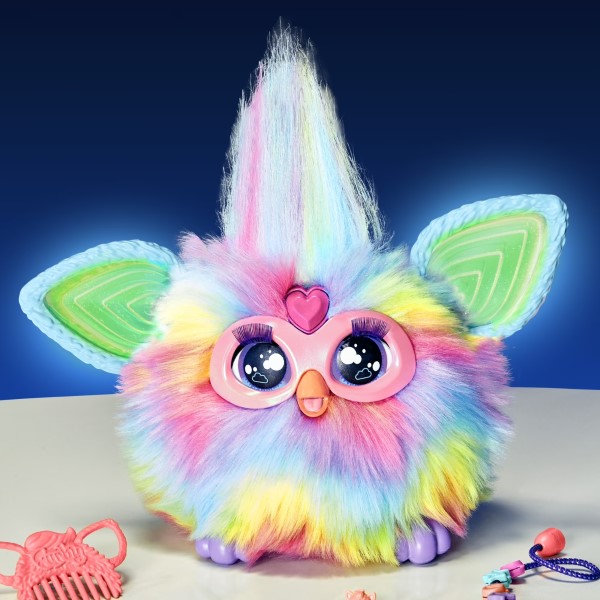
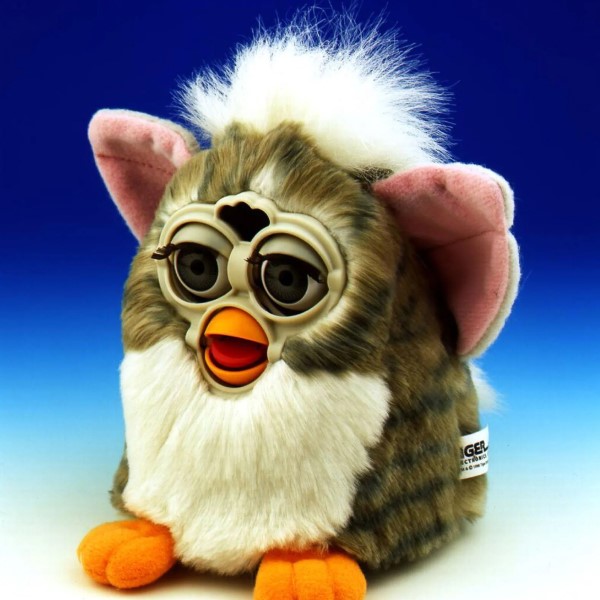
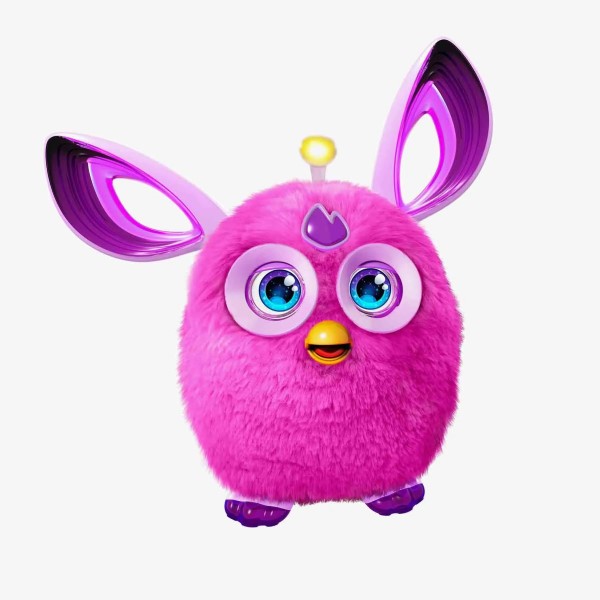
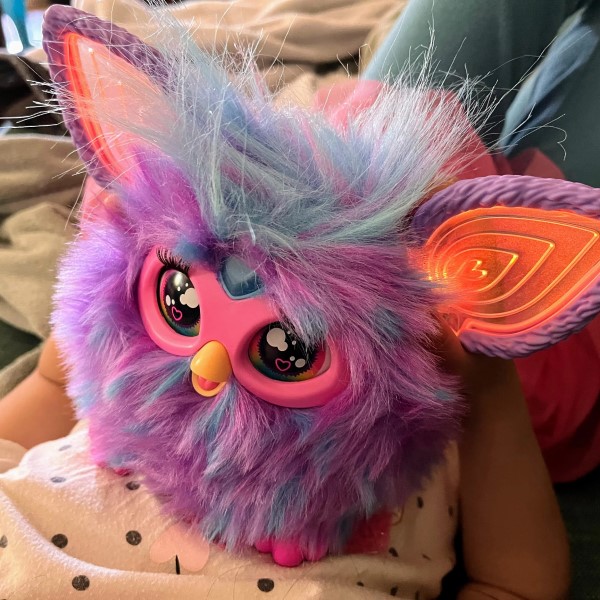
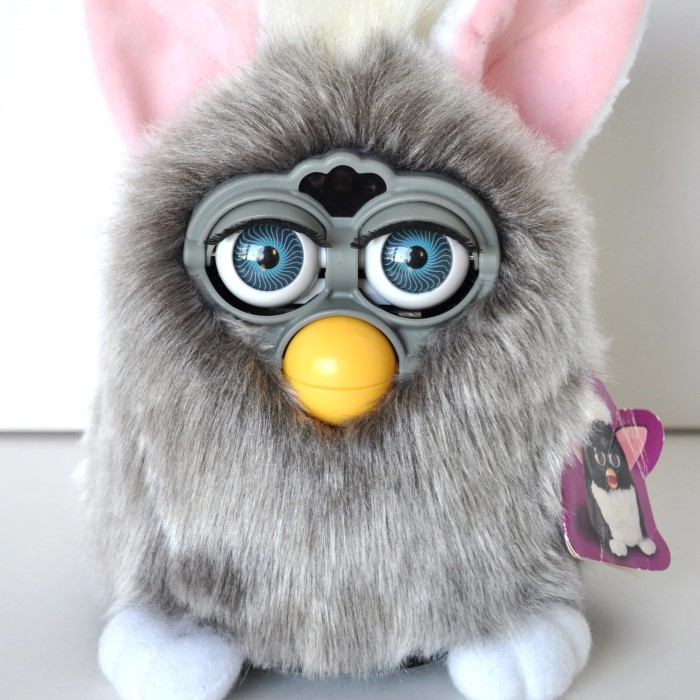
To truly appreciate your pet, it helps to know its history. The original 1998 model was a marvel of its time. It utilized simple infrared technology to communicate. It also had a distinct language called “Furbish.” Over the years, the technology has advanced significantly. The 2005 and 2012 models introduced more sophisticated sensors. They also featured LCD eyes in later versions. Consequently, the care requirements have evolved. The newer models are often more delicate due to their screens. They also possess more complex software. The 2023 version, for example, boasts over 1,000 phrases. It also interacts with a mobile application. Therefore, software updates are now part of care.
You must ensure the companion app is updated. This ensures connectivity and features work correctly. Furthermore, the materials have changed. Modern synthetic furs might be softer but less durable than vintage ones. Understanding the generation of your toy helps you tailor your care routine. A vintage Furby needs mechanical sympathy. A modern Furby needs digital maintenance. This historical context enriches the ownership experience. It connects you to a lineage of innovation. You are not just an owner; you are a guardian of history.
Safety Guidelines for Young Children
While these toys are designed for children, safety is paramount. Small parts can pose a choking hazard. Therefore, adult supervision is recommended for younger children. The toy includes moving parts like ears and beaks. Curious fingers might try to pry these parts off. This can lead to breakage or injury. Consequently, teach children to interact gently. They should not pull the fur excessively. They should also avoid dropping the toy. Furthermore, check the toy regularly for wear and tear.
Loose seams can expose the internal wiring. This is dangerous for the child and the toy. If you notice damage, repair it immediately. You can use a needle and thread to sew loose seams. However, be careful not to stitch through the internal wires. Additionally, the volume of the toy can be an issue. Prolonged exposure to loud sounds can damage hearing. Some models have volume controls. If not, placing a piece of tape over the speaker can muffle the sound. Ensuring a safe play environment protects the child. It also extends the life of the toy. Responsible ownership involves assessing risks before play begins.
Frequently Asked Questions About Furbies
Why did Furby get banned?
The Furby toy was never banned for public sale. However, it was banned by the NSA and the Pentagon. Officials feared the toy could record classified conversations. They worried the built-in microphone might listen to sensitive information. Consequently, the toy was prohibited in secure government facilities. This ban was a precautionary measure against potential espionage. It was not due to any danger to children. The media coverage of this ban actually boosted the toy’s popularity. It added an element of mystery to the product.
Do they still make Furby toys?
Yes, the Furby toy is still in production. Hasbro, the parent company, releases new versions periodically. The latest major release was in 2023. This new model features LED eyes and interacts with an app. Therefore, the brand is very much alive. They continue to innovate with new technology. While vintage models are popular, new toys provide modern interactions. You can find them at major retailers worldwide.
What does a Furby toy do?
A Furby toy interacts with its owner. It speaks its own language, Furbish, and slowly learns English. The toy responds to touch, light, and motion. It can dance, sing, and move its ears and eyelids. Furthermore, newer models connect to smartphones. They have distinct personalities that evolve over time. Consequently, they provide companionship and entertainment. They are designed to mimic a living creature without the biological needs.
Conclusion
Caring for your robotic pet ensures it remains a beloved companion. It also preserves its status as a collectible item. By following these tips, you protect the complex mechanics inside. You also maintain the aesthetic quality of the fur and casing. The furby toy is a unique blend of technology and personality. Therefore, it requires a balance of technical care and gentle handling. Remember to clean the exterior with care. Always be mindful of battery health. Store the item in a safe environment. Moreover, share the history of this iconic toy with others. Whether you are a new owner or a seasoned collector, these practices are invaluable. Your attention to detail will keep your robotic friend happy for generations. Enjoy the interaction and the memories you create together.