The Developmental Power of Play on Wheels
Play is the primary work of a child. During the first year of life, a baby transitions from passive observation to active exploration. Consequently, the toys we choose for them matter a great deal. Among the vast array of options, cars for 1 year old toddlers stand out as a timeless favorite. These toys are not merely plastic vehicles. They act as essential tools for cognitive and physical development. In 2026, parents look for toys that grow with their child. They seek durability and educational value. Simple vehicles provide a complex array of learning opportunities. Therefore, they remain a staple in nurseries worldwide.
Furthermore, the appeal of motion is universal. At twelve months, a child begins to understand cause and effect. When they push a car, it moves forward. This simple action teaches them that their movements influence the world around them. Additionally, they start to grasp the concept of trajectory. They learn that objects continue to exist even when they roll out of sight. This is a foundational cognitive milestone known as object permanence. Thus, a toy car is a physics lesson disguised as fun.
Moreover, these toys bridge the gap between observation and interaction. Adults drive real cars. Toddlers see ambulances, buses, and family sedans on the street. They possess an innate desire to mimic the world they observe. Handing a toddler a toy car allows them to participate in the “grown-up” world. It fosters a sense of agency and belonging. Consequently, their imagination begins to spark. They start creating narratives, even if those narratives are simple back-and-forth motions. In this article, we will explore why these toys are crucial for development. We will examine safety standards, motor skill benefits, and how to choose the perfect model for your little driver.
Enhancing Gross Motor Skills Through Active Play
Physical development is a primary focus for one-year-olds. They are often just mastering the art of walking. Or perhaps they are still crawling with speed and determination. Therefore, toys that encourage movement are vital. Push cars and ride-on vehicles serve this purpose perfectly. These types of cars for 1 year old children require them to use their large muscle groups. They must engage their legs and core to propel the toy forward. This action strengthens their gross motor skills. Consequently, their balance and coordination improve significantly.
For instance, consider a push car with a handle. A toddler stands behind it. They push it across the floor. This action requires them to stabilize their own body while applying force to the object. It teaches them to distribute their weight correctly. Furthermore, they must look ahead to navigate. This simultaneously develops their visual-motor integration. They see an obstacle, and they adjust their path. These complex physical calculations happen instinctively during play.
Additionally, ride-on cars offer a different set of benefits. Once a child is steady on their feet, a low-to-the-ground ride-on toy is ideal. The child sits on the car. They use their feet to push off the ground. This “Fred Flintstone” style of movement builds strong leg muscles. It also teaches reciprocal leg movement. The left leg pushes, then the right leg pushes. This bilateral coordination is a precursor to running and climbing. Therefore, active play with cars is far more beneficial than sedentary screen time.
Refining Fine Motor Skills with Small Vehicle Toys
While gross motor skills involve large movements, fine motor skills involve the small muscles in the hands and fingers. Handheld toy cars are exceptional for developing these skills. When a one-year-old picks up a small car, they practice their grasp. They might use a pincer grasp (using the thumb and pointer finger) or a palmar grasp (using the whole hand). As they manipulate the car, they refine these grips. Consequently, playing with cars for 1 year old toddlers prepares their hands for future tasks like writing and using utensils.
Furthermore, manipulation of the vehicle requires dexterity. A child will often spin the wheels with their fingers. They might push the car across a surface. This action requires precision. They must apply just enough force to make the car roll, but not so much that it flips. This teaches pressure modulation. Additionally, many toy cars come with interactive elements. Some have doors that open. Others have buttons that honk or play music. These features require specific finger movements. A child must isolate a finger to press a small button. This isolation is a critical fine motor milestone.
Moreover, hand-eye coordination is heavily engaged. The child sees the car. They calculate the distance. They reach out and grab it. Then, they release it at the right moment to let it roll. This continuous feedback loop between the eyes and hands strengthens neural pathways. It lays the foundation for hand-eye coordination in sports and daily tasks later in life.
Therefore, parents should provide a variety of vehicle sizes. A mix of large trucks and small matchbox-style cars is beneficial. The small cars challenge the fingers to work harder. The large trucks might require two hands to lift. This variety ensures a comprehensive workout for the hands.
Safety is the most critical factor when selecting toys. One-year-olds explore the world with their mouths. They taste, chew, and suck on everything they hold. Therefore, choking hazards are a primary concern. When choosing cars for 1 year old children, parents must scrutinize the size of the parts. A toy car should be large enough that it cannot pass through a toilet paper tube. This is a simple at-home test for choking hazards. Furthermore, the wheels on toy cars must be securely attached. Small wheels can detach if a child pulls or chews on them vigorously.
Additionally, the materials used in manufacturing are crucial. In 2026, parents are increasingly conscious of chemical safety. They look for toys made from BPA-free plastics. Many prefer sustainable materials like wood. Wooden cars are sturdy and safe. However, parents must ensure the paint used is non-toxic and lead-free. Reputable brands always provide this information on the packaging. Consequently, buying from trusted retailers is safer than purchasing unregulated knock-offs.
Moreover, the structural integrity of the toy is vital. A car should not shatter upon impact. One-year-olds throw things. They drop toys from high chairs. A brittle plastic car can break into sharp shards. These shards pose laceration risks. Therefore, parents should look for high-quality, flexible plastics or solid wood construction. Durability is a safety feature. If a toy breaks, it immediately becomes dangerous.
Furthermore, consider the sound levels. Many modern toy cars have electronic sound effects. Loud noises can damage a toddler’s sensitive hearing. The maximum volume should be regulated. It should not be startlingly loud. Parents can test this by holding the toy to their own ear. If it hurts, it is too loud for a baby.
Sparking Imagination and Early Cognitive Growth
Cognitive development in the second year of life is explosive. Toddlers begin to engage in symbolic play. They start to understand that one object can represent another. This is the birth of imagination. Cars for 1 year old toddlers are perfect catalysts for this type of thinking. A simple block of wood on wheels becomes a speeding racecar or a sturdy truck. The child assigns meaning to the object. They might make “vroom vroom” sounds. This is an early form of storytelling. Consequently, the seeds of creativity are sown during these simple play sessions.
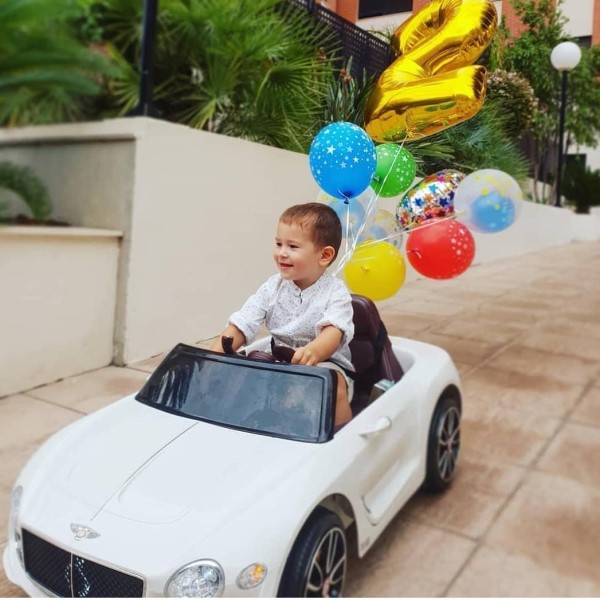
Furthermore, toy cars teach basic physics concepts. A child learns about velocity. They realize that cars cannot climb walls without falling. These are the early foundations of STEM (Science, Technology, Engineering, and Math) learning. While they do not know the formulas, they internalize the logic. They build a mental model of how the physical world operates.
Moreover, playing with cars can foster spatial awareness. A child learns to navigate a car around obstacles. They understand concepts like “under,” “over,” and “through.” For example, they might drive a car under a bridge or through a tunnel. This helps them understand spatial relationships. It also improves their problem-solving skills. What happens if the car hits a wall? It stops. How do I get it to the other side? I must turn it. These micro-decisions build cognitive flexibility.
Additionally, parents can enhance this cognitive growth. They can narrate the play. “The red car is going fast. The blue car is parking.” This language interaction builds vocabulary. It connects words to actions. In 2026, educational philosophies emphasize child-led play.
The Shift Towards Eco-Friendly and Sustainable Toys
The toy industry is undergoing a green revolution. Parents in 2026 are more environmentally conscious than ever before. They worry about the environmental impact of plastic toys. Many plastic toys end up in landfills. They take hundreds of years to decompose. Consequently, there is a massive demand for sustainable cars for 1 year old toddlers. Manufacturers are responding with innovative eco-friendly materials. We now see cars made from recycled milk jugs. We see them made from sustainable bamboo and rubberwood.
These sustainable options are often safer for children as well. Natural materials do not contain harsh chemicals. They have a unique tactile quality. A wooden car feels warm and smooth. It has a satisfying weight. This connects the child to nature. Furthermore, these toys are often more durable than their plastic counterparts. A well-made wooden car can last for generations. It becomes a family heirloom. This reduces the cycle of consumption and waste.
Moreover, the production processes are changing. Companies are using water-based paints. They are minimizing packaging. Some companies offer biodegradable packaging. Parents can compost the box. This teaches children about environmental responsibility from a young age. Even the act of choosing a wooden toy over a plastic one can be a teaching moment. As the child grows, the parent can explain why they chose that toy. “This car is made from a tree. It is good for the Earth.”
Innovative Features to Look for in Modern Toy Cars
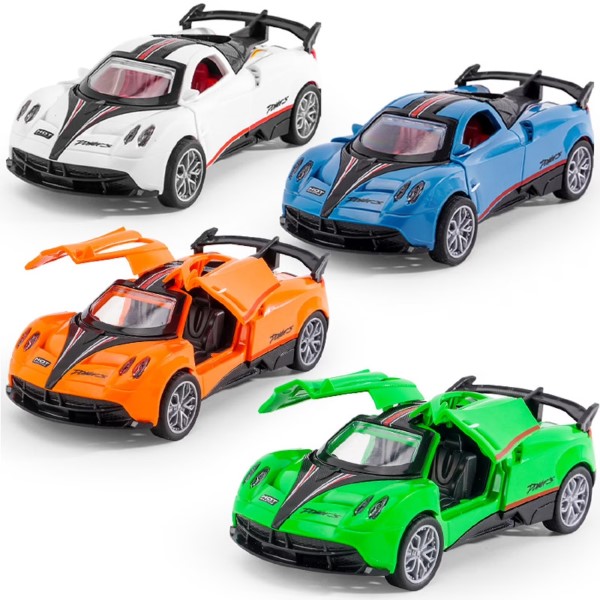
The toy car of 2026 is not just a painted block. It is often a marvel of engineering designed for specific developmental stages. When shopping for cars for 1 year old children, parents will encounter a variety of innovative features. One popular feature is the “removable figure.” Many cars come with a driver that can be popped in and out. This simple addition adds a layer of complexity to the play. It encourages fine motor practice (putting the person in) and object permanence (the person is still there even when inside).
Furthermore, sensory integration is a major trend. We see cars with different textures on the wheels. Some have bumps for tactile stimulation. Others have rattles inside to provide auditory feedback. These multi-sensory toys are excellent for developing brains. They engage more than one sense at a time. This creates stronger neural connections. Additionally, shape sorters on wheels are popular. A car might have holes in the top where blocks can be inserted. This combines the fun of a vehicle with the cognitive challenge of a shape sorter.
Moreover, technology is playing a role, though sparingly. For one-year-olds, screens are discouraged. However, simple electronics can be beneficial. Some cars react to being shaken. They might light up or play a melody when moved. This teaches cause and effect in a dynamic way. However, the “active” element remains the focus. The child must move the toy to activate the reward. This is different from passive electronic toys that do all the work for the child.
Another innovative feature is the “stackable” design. Some car sets are designed to nest inside one another. Others link together like a train. These features teach concepts like size differentiation (big car, small car) and sequencing. They also save storage space for parents.
How to Choose the Right Car for Your Child
Selecting the perfect toy can feel overwhelming. The options are vast. However, choosing the right cars for 1 year old toddlers becomes easier when you know what to look for. First, assess your child’s current developmental stage. Are they sitting up but not yet crawling? Then a simple push car they can sit and manipulate is ideal. Are they walking confidently? A ride-on car would be a fantastic choice. Matching the toy to the child’s physical ability ensures they stay engaged without getting frustrated.
Second, consider the play environment. Do you have carpet or hardwood floors? Some small plastic cars roll effortlessly on hard floors. However, they may get stuck on thick carpet. Larger wheels are better for carpeted homes. If you travel frequently, lightweight cars that pack easily are a good option. If you spend time outdoors, durable all-terrain wheels are necessary. The context of play dictates the durability and design needed.
Third, think about the child’s interests. Some children are fascinated by lights and sounds. Others prefer quiet, open-ended toys. If your child is sensitive to loud noises, avoid cars with sirens. If they love music, a car that plays gentle tunes might be a hit. Observing your child’s reactions to other toys will guide your decision. Every child is unique. What works for one one-year-old might not work for another.
Finally, read reviews from other parents. Look for comments about durability and safety. Parents are honest about toys that break easily or have dangerous parts. In 2026, online communities are a great resource for product validation. Do not be swayed by marketing alone.
Conclusion
The journey of a child’s first year is filled with rapid growth and discovery. As they transition into toddlerhood, their need for interactive play becomes paramount. Cars for 1 year old children provide the perfect platform for this exploration. They are not mere playthings.They spark imagination and teach early cognitive concepts. From the first push on the floor to the first ride down the sidewalk, these toys are companions in growth. In 2026, the options are safer, more sustainable, and more innovative than ever before.
Parents hold the key to unlocking these benefits. By choosing safe, non-toxic, and age-appropriate vehicles, they provide a fertile ground for development. Whether it is a wooden push car or a sensory-rich electronic vehicle, the value remains high. These toys encourage movement. They inspire creativity. They introduce the laws of physics in a tangible way. The best toys are those that grow with the child. A good toy car will be pushed, raced, and cherished for years. It becomes a vessel for memories and a foundation for future learning. As you shop for your little one, remember the profound power of simple play. A toy car is the first step on a road of endless adventure.