Understanding This Unique Material
Foam clay is a revolutionary crafting material. It has changed the way hobbyists approach sculpture. This medium combines the best features of clay and foam. Consequently, it is lightweight and incredibly soft. Unlike traditional clay, it does not require baking. It air-dries to a firm, durable finish. Therefore, it is perfect for artists of all skill levels. You can use it for intricate details. Alternatively, you can use it for large, bulky shapes. The texture is pliable and pleasant to touch. It does not stick to your hands excessively. This makes the creative process clean and enjoyable. In 2026, crafting trends focus on accessibility. Foam clay fits perfectly into this trend. It allows anyone to create professional-looking art. You do not need a kiln or expensive tools. A simple table and your hands are enough. Thus, it opens the door to endless creativity for everyone.
The Science Behind the Texture
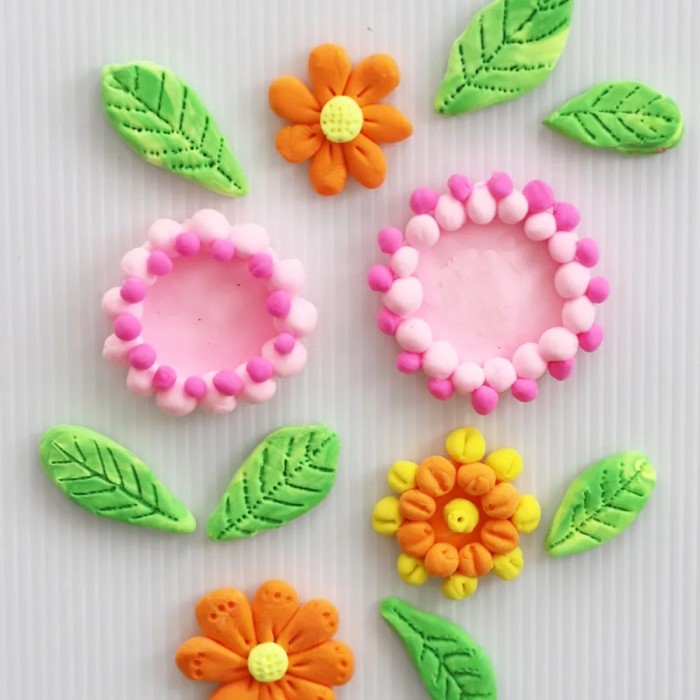
The unique texture comes from its composition. It consists of tiny foam beads mixed with a bonding agent. This agent is usually water-based and safe. Consequently, the material feels spongy and light. When you mold it, the beads compress together. The binder holds them in place. As the water evaporates, the shape hardens. However, the lightweight nature remains. This is different from heavy ceramic clays. Those clays rely on dense mineral particles. In contrast, this material traps air within its structure. This makes it ideal for cosplay props. Furthermore, it is excellent for school projects. Children can carry their large creations easily. The science is simple but effective. It provides a sturdy structure without the weight. Therefore, understanding its composition helps you use it better. You learn how to manipulate the beads. You also understand how much water to add for smoothness.
Essential Tools for Beginners
You do not need many tools to start. However, a few items can improve your experience. First, you need a clean, flat surface. A silicone mat is a great choice. It prevents the material from sticking. Additionally, it keeps your table clean. Next, you need sculpting tools. A basic set usually includes dotting tools. These help create textures and indentations. You might also want a small rolling pin. This flattens the material for specific shapes. Scissors are also very useful. You can cut the clay before it dries. Furthermore, keep a small bowl of water nearby. A little water smooths out cracks. It also helps join two pieces together. Finally, acrylic paints are necessary for finishing. The dried surface takes paint very well. With these simple items, you are ready to begin. You can find them in most craft stores.
Preparation and Workspace Setup
Before you start, prepare your workspace. Good preparation saves time later. Lay down your silicone mat or newspaper. This protects your table from residue. Open your container of clay. Check the consistency before you begin. Sometimes, the clay might be a bit dry. In this case, add a few drops of water. Knead it thoroughly to distribute the moisture. However, do not add too much water. Otherwise, the clay becomes sticky and unmanageable. The ideal consistency is like marshmallows. It should hold its shape easily. If you are using multiple colors, keep them separate. Dried bits can mix with fresh clay. This creates a messy look. Therefore, keep your hands clean between colors. Proper setup ensures a smooth workflow. It allows you to focus entirely on your art. You will find the process much more relaxing.
Basic Shaping Techniques
Shaping this material is intuitive. Start with simple forms like spheres and cubes. Roll a piece in your palms to make a ball. This creates a smooth, round surface. For a cube, flatten the sides gently. Use a flat surface to help you. Next, try the coil technique. Roll the clay into a long snake shape. You can use this for handles or borders. Another method is the slab technique. Roll the clay flat like a pancake. You can then cut shapes with a knife. Use cookie cutters for precise shapes. To join two pieces, score the surfaces slightly.
Add a tiny bit of water. Press them together firmly. Hold them for a few seconds. The bond will form quickly. These basic techniques form the foundation of all projects. Mastering them allows you to build complex structures. Remember, the material is forgiving. You can reshape it if you make a mistake.
Creating Realistic Textures
One advantage of this medium is texture. You can create highly realistic surfaces. Use your tools to imprint patterns. For example, press a stiff brush into the clay. This creates a stippled effect. It mimics the skin of an orange or a rock. You can also use a needle tool. Draw fine lines to simulate fur or hair. For scales, use the edge of a spoon. Press it repeatedly in a pattern. Fabric is another great texturing tool. Press lace or burlap onto the surface. It leaves a detailed imprint. Experiment with different objects around your house. Keys, buttons, and leaves all work well. Textures add depth to your sculpture. They make a simple object look intricate. Consequently, your project will look more professional. Always texturize before the foam clay dries completely. Once it hardens, you cannot add new textures easily. Timing is key for realistic effects.
Fun Projects for Kids
Children love this material. It is safe and non-toxic. Therefore, it is suitable for young hands. Simple projects keep them engaged. For instance, they can make food items. A hamburger or a slice of pizza is fun. They can also create keychains. Use small molds to shape the foam clay. Add a key ring once it dries. Another great idea is fridge magnets. Glue a magnet to the back of a shape. Kids love seeing their art on the fridge. Animal figurines are also popular. Use different colors to make them vibrant. These projects improve fine motor skills. They also encourage creativity. Parents can join in the fun. It becomes a bonding activity. The cleanup is also very easy. Simply pick up the dried bits. Any residue washes away with water. It is a mess-free solution for art time.
Advanced Sculptures for Adults
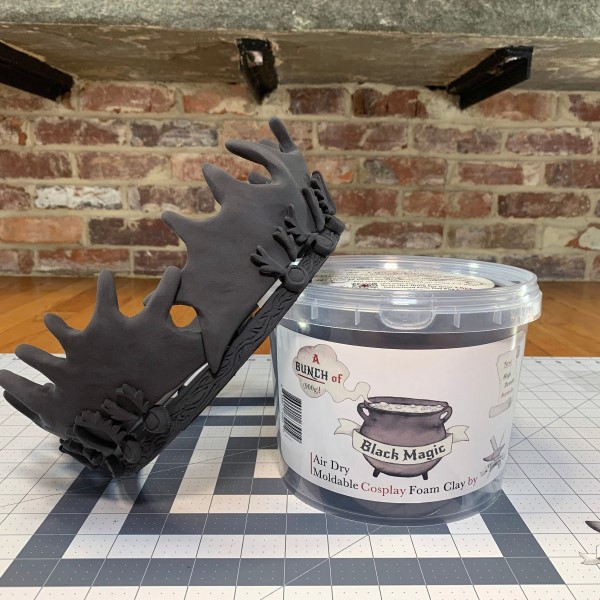
Adults can explore more complex themes. The lightweight nature allows for large scale projects. Cosplayers use it to make armor and props. The material is comfortable to wear. It does not weigh the wearer down. You can build wire armatures first. Cover the wire skeleton with clay. This creates a sturdy internal structure. You can also mix it with other materials. Wood, fabric, and glass combine well. Try making a decorative bowl. Cover a glass bowl with plastic wrap. Mold the foam clay over the outside. Let it dry and peel it off. You have a unique container. Home decor items are also popular. Create custom lamp shades or picture frames. The possibilities are endless for skilled crafters. The material holds fine details beautifully. Therefore, you can achieve gallery-quality results. It is a serious medium for serious artists.
The Drying Process Explained
Drying is a crucial step. Unlike oven-bake clay, this material air dries. The time it takes depends on the thickness. Thin pieces might dry in an hour. Thick pieces could take a day or two. Therefore, patience is necessary. Place your project in a well-ventilated area. Avoid direct sunlight or heat sources. Rapid drying can cause cracks. The moisture needs to evaporate evenly. If you see a crack forming, act fast. Fill it with fresh clay and smooth it out. You can also mist it lightly with water. This slows the drying process. To check if it is dry, touch it gently. It should feel firm and cool. If it still feels soft or cold, wait longer. Proper drying ensures your project lasts. It prevents deformation later on. Do not rush this stage. Let nature take its course.
Painting and Finishing Touches
Once dry, the surface is ready for paint. Acrylic paint works best on this material. It adheres well and dries quickly. Watercolors are not recommended. They may not stick to the surface. Before painting, you can prime the surface. A white acrylic primer makes colors pop. It provides a uniform base. Use thin layers of paint. Thick paint can hide fine details. Let each layer dry before adding another. You can blend colors directly on the sculpture. This creates a realistic gradient effect. Sealing your work is the final step. A clear varnish protects the paint. It also gives the piece a finished look. You can choose a matte or glossy finish. A glossy finish makes it look like ceramic. A matte finish looks natural. Sealing also prevents dust from sticking. It preserves your hard work for years.
Troubleshooting Common Issues
Crafters sometimes face challenges. One common issue is cracking. This usually happens if the foam clay is too dry. To fix this, keep the clay covered when not in use. If a crack appears, fill it with fresh clay. Smooth the area with a wet finger. Another issue is sticky clay. This results from excess moisture. Let it sit out for a few minutes. The air will evaporate some water. Knead it until it feels right. Sometimes, the clay won’t stick to itself. Score the surfaces and use water as glue. Press them together firmly. If your project droops, it lacks internal support. Use a wire or toothpick inside. This provides a backbone for the structure. Do not get discouraged by mistakes. They are part of the learning process. Every mistake teaches you something new about the medium.
Eco-Friendly Aspects of the Material
In 2026, sustainability is important. Many brands now offer eco-friendly options. Look for non-toxic labels. This ensures safety for children and the environment. The production process uses less energy. No kilns or ovens are needed. This reduces the carbon footprint. Furthermore, the material is lightweight. Shipping it causes fewer emissions compared to heavy ceramics. Some types are biodegradable. Check the packaging for disposal instructions. You can also reuse dried scraps. Break them down and mix with water. You can create a paste for textured effects. This minimizes waste significantly. Choosing this material supports green crafting. It allows you to be creative without guilt. You can enjoy your hobby responsibly. It is a small step towards a healthier planet. Consumers are becoming more conscious. Manufacturers are responding with better formulas.
Why It Is Trending in 2026
The popularity of this medium continues to rise. Social media plays a huge role. Crafters share their projects on various platforms. This inspires others to try it. The tactile nature of the craft is satisfying. Many people find it relaxing. It serves as a form of stress relief. Working with your hands reduces anxiety. Additionally, the cost is relatively low. It is an affordable hobby for many families. The versatility also adds to its appeal. You can make anything from toys to decor. The barrier to entry is low. You do not need an art degree. This accessibility is key in the modern world. People want quick, rewarding activities. This medium provides instant gratification. You see results in a single session. Therefore, the trend is likely to continue growing. It is more than a passing fad.
Building a Community Around Crafting
Crafting is often seen as a solitary activity. However, it can be very social. Join online forums and local groups. Share tips and techniques with others. You can participate in challenges. Many communities host monthly themes. This pushes you to be creative. You can also attend workshops. Learning from others accelerates your skills. Seeing different perspectives is inspiring. You might find a local club. Meeting fellow crafters in person is fun. You can exchange materials and tools. The community is generally very supportive. Beginners are welcomed with open arms. Sharing your failures is just as important as sharing successes. It helps others avoid the same mistakes. Together, you can elevate the art form. Connection adds another layer of enjoyment. It transforms a hobby into a lifestyle.
FAQ: Common Questions About This Material
1. Is foam clay safe for young children?
Yes, most brands are non-toxic and safe. However, it is intended for children over three years old. Always check the label for safety certifications. Small parts can be a choking hazard for toddlers. Therefore, adult supervision is recommended during play. The material is water-based and generally harmless if ingested in small amounts.
2. How long does it take to dry completely?
The drying time varies based on thickness. Generally, it takes between 24 to 48 hours to dry fully. Thinner pieces may dry in a few hours. Larger sculptures need more time. Environmental factors also play a role. Humidity and temperature affect the speed. Place the project in a dry, airy spot. Do not use a hair dryer. Rapid drying can cause cracks. Patience is the key to a durable finish. You can tell it is dry when it feels light. It will also sound hollow when tapped. Ensure it is completely dry before painting. Otherwise, trapped moisture can cause mold.
3. Can I paint foam clay after it dries?
Absolutely, painting is a great way to finish your project. Acrylic paint is the best choice for this material. It adheres well to the porous surface. Watercolors are less effective and might flake off. You can also use spray paint for a smooth base. Apply a primer first for vibrant colors. Let the paint dry completely. After painting, seal the surface. Use a clear varnish or sealant spray. This protects the paint and gives a nice sheen. It also makes the item water-resistant to some degree. Do not use oil-based paints. They take too long to dry and might not stick well.
Conclusion
The world of DIY crafts is evolving. New materials make art accessible to everyone. Foam clay stands out as a leader in this space. Its versatility and ease of use are unmatched. You can sculpt anything from simple toys to detailed props. The lightweight nature solves many structural problems. Furthermore, the air-dry feature adds convenience. You do not need expensive equipment. This makes it perfect for busy households and classrooms. As we look to 2026, creativity is key. This medium encourages experimentation. It allows you to express yourself freely. Whether you are a beginner or an expert, there is something for you. The techniques are easy to learn. The results are rewarding. Grab a pack today and start creating. Discover the joy of shaping your own ideas. Your imagination is the only limit.