Introduction to the Art of Juggling
Juggling is an ancient art form. It has existed for thousands of years. People often see it as just a circus trick. However, it is much more than simple entertainment. Many individuals want to learn how to juggle for various reasons. It is a fantastic hobby that improves focus. Furthermore, it provides a real workout for your brain. You do not need expensive equipment to start. A few balls or beanbags are sufficient. This accessibility makes it perfect for everyone. The learning curve might seem steep initially. But with a little patience, anyone can master it. Consequently, the sense of achievement is immense. You will find yourself smiling as the balls fly in the air. This guide will break down the process into simple steps. You will learn the basics and the hidden benefits. Get ready to unlock new skills. Let’s dive into the world of juggling.
Why Learning to Juggle Matters
How to juggle? You might wonder why you should try juggling. The benefits extend far beyond simple amusement. First, it significantly improves hand-eye coordination. Your brain must process visual information quickly. Then, it sends signals to your hands. This connection strengthens over time. Consequently, your reflexes become sharper. This is useful in many sports and daily tasks. Additionally, juggling is a form of physical exercise. It increases your heart rate slightly. You also burn calories while standing in one spot. Furthermore, it is a mental workout. Juggling requires intense concentration. You must focus on the patterns. This helps clear your mind of daily stress. Many people find it meditative. Therefore, it reduces anxiety and promotes relaxation. It also boosts brain growth. Studies show it increases gray matter. This is responsible for processing information. Learning this skill is an investment in yourself.
The Neuroscience Behind the Skill
How to juggle? Juggling changes your brain structure. This is a scientifically proven fact. Neuroplasticity is the brain’s ability to rewire itself. Learning new skills promotes this process. When you learn how to juggle, your brain forms new connections. Specifically, it grows the visual and motor areas. These areas handle spatial awareness and movement. A study by the University of Oxford found fascinating results. Researchers saw increased gray matter in jugglers. This growth happened after just a few weeks of practice. Consequently, juggling can improve your learning ability. It keeps your mind sharp as you age. It acts as a preventative measure against cognitive decline. Furthermore, it improves focus and attention span. In our distracted world, this is a superpower. You train your brain to focus on one task deeply. This skill translates to work and study. Therefore, juggling is essentially a gym for your mind. It strengthens neural pathways efficiently.
Choosing the Right Equipment
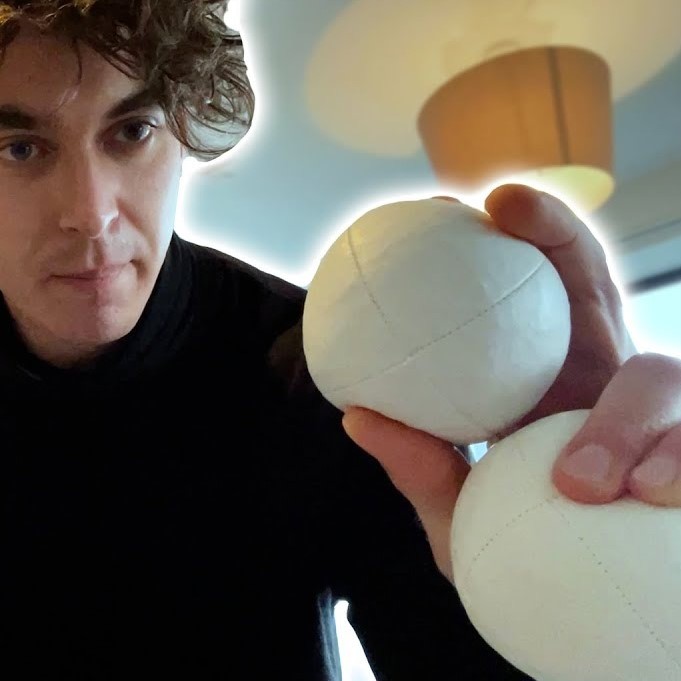
How to juggle? You cannot learn effectively with just any objects. Tennis balls are often too bouncy. They bounce away when you drop them. This can be frustrating for beginners. Therefore, you should choose the right tools. The best option for beginners is a beanbag. Beanbags are soft and pliable. They do not roll or bounce away. Consequently, you spend more time practicing. You spend less time chasing balls. Look for balls that fit in your palm. They should be slightly under-filled. This makes them easier to catch.
They do not slip out of sweaty hands easily. You can buy specific juggling balls online. Alternatively, you can make your own. Fill small balloons with rice or lentils. This is a cheap and effective solution. Start with three balls. This is the standard number for beginners. Once you have your equipment, find a good space. You need a room with a high ceiling. Ensure there are no breakable items around. A clear space ensures a safe practice session.
Step One: The Single Ball Toss
Every journey begins with a single step. In juggling, this starts with one ball. Many people rush this stage. However, it is crucial for building good habits. First, hold one ball in your dominant hand. Stand with your feet shoulder-width apart. Keep your elbows close to your hips. Your hands should be at waist level. Now, toss the ball to your other hand. The toss should be an arc. It should reach eye level. Do not throw it straight across. Catch the ball with your other hand. The motion should be smooth.
Furthermore, avoid moving your hands too much. Your hands should stay relatively still. The ball comes to your hand. Repeat this process back and forth. Aim for consistency. Every toss should reach the same height. Consequently, you build muscle memory. Practice until you can do this without looking at the ball. You should be able to have a conversation while tossing. This shows you have mastered the rhythm.
Step Two: The Two Ball Exchange
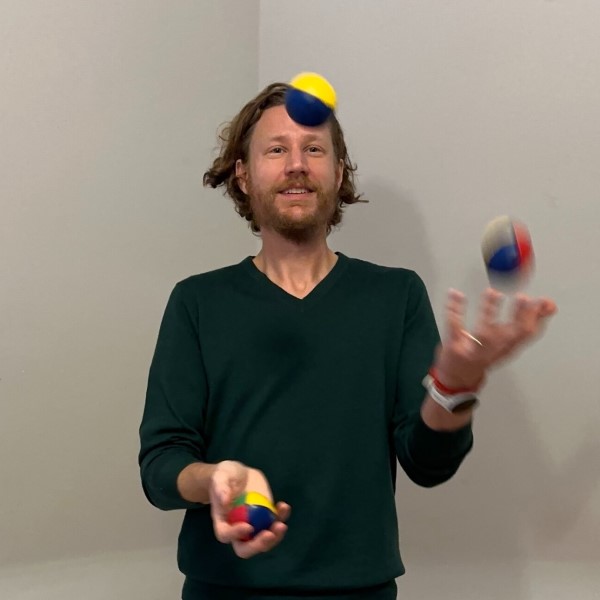
Once you are comfortable with one ball, add a second. Hold one ball in each hand. You will perform an exchange. Start with your dominant hand. Toss the first ball just like you practiced. Wait until it reaches the peak of the arc. Then, toss the second ball from your other hand.
The second ball goes under the first one. You should not throw both at the same time. This is a common mistake. There must be a slight delay. Catch the first ball with your non-dominant hand. Immediately catch the second ball with your dominant hand. It sounds complex, but the rhythm is key. Think “throw, throw, catch, catch.” Do not worry if you drop them initially. This is part of the process. Focus on the timing. The second throw must happen before the first catch. Therefore, you must let go of the second ball. This is called breaking the hold. Practice this until it feels natural. You are now one step closer to the full pattern.
Step Three: The Three Ball Cascade
Now you are ready for the full pattern. You need three balls. Start with two balls in your dominant hand. Hold one ball in your non-dominant hand. The process builds on the previous step. Throw the first ball from your dominant hand. When it peaks, throw the second ball from your other hand. When the second ball peaks, throw the third ball. It is a continuous cycle of throws. Each ball goes to the opposite hand. The pattern is a figure-eight shape. Do not pass the balls in a circle.
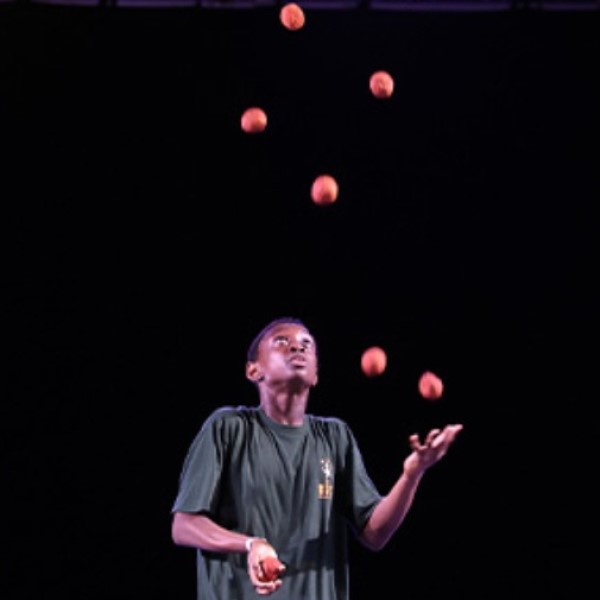
They must cross over each other. This is called the cascade. At first, it will feel chaotic. You will likely drop the balls often. This is normal. Consequently, focus on the throws, not the catches. If your throws are accurate, the catches will happen. Keep your hands at waist level. Avoid reaching up to grab the balls. Let them fall into your hands. Practice for short periods. Ten minutes a day is better than one hour once a week. Consistency is the secret to success.
Common Mistakes to Avoid
Beginners often share the same struggles. Recognizing these mistakes helps you improve faster. One major error is throwing the balls too high. When you panic, you tend to throw upward. This gives you more time, but it ruins the rhythm. Keep your throws at eye level. Another mistake is moving your hands forward. People often walk forward while juggling. This is because they throw the balls in front of them. Instead, throw the balls slightly towards your body. This keeps you stationary.
Furthermore, many beginners throw both balls simultaneously. Remember the delay. One ball must be in the air before the next throw. Additionally, looking at your hands is a bad habit. You should look at the peak of the throws. This gives your brain the best visual information. Finally, do not give up too soon. Juggling feels impossible for the first few days. Then, suddenly, it clicks. The brain adapts, and the pattern becomes clear. Persistence is key.
Beyond the Basics: Juggling Tricks
Once you master the cascade, the fun begins. You can learn new patterns and tricks. This keeps the hobby exciting. The first trick to learn is the “Reverse Cascade.” In this pattern, you throw the balls on the outside. They go over the pattern rather than under. It creates a completely different visual effect. Another fun move is “Tennis.” Here, one ball always goes over the top. The other two balls switch under it. It looks like a game of tennis. Furthermore, you can try “Columns.” You move the balls up and down in straight lines.
They do not cross hands. These tricks improve your control. They also challenge your brain further. You can also try juggling different objects. Clubs or rings offer new challenges. They require different throwing techniques. Some people even juggle while riding a unicycle. This combines balance and coordination. The possibilities are endless. Juggling is a journey of continuous learning. You will never run out of new skills to master.
FAQ: Common Questions About Juggling
Q1: How long does it take to learn to juggle?
Most people can learn the basic three-ball cascade in about two weeks. This assumes you practice for fifteen minutes every day. Some people learn faster, within a few days. Others may take a month. It depends on your natural coordination.
Q2: What is the best age to start juggling?
There is no perfect age to start. Children around seven or eight years old have enough coordination. Teenagers and adults learn very quickly. Even seniors can learn juggling. It is a low-impact activity. It is great for keeping the mind sharp.
Q3: Is juggling good exercise?
Yes, juggling is surprisingly good exercise. It also improves your posture. You must stand straight to juggle well. Furthermore, it provides a cardiovascular workout. It is great for rainy days when you cannot go outside. It keeps your body active and your mind engaged.
Q4: Do I need special balls to start?
No, you do not need special balls to begin. You can start with rolled-up socks. Oranges or tennis balls also work. However, proper juggling beanbags are best. They do not roll away when dropped. This saves you a lot of frustration. They also feel nicer in your hand. But do not let equipment stop you from starting today.
Q5: Can juggling help with stress?
Yes, juggling is excellent for stress relief. It requires total focus. You cannot think about your problems while juggling. If you lose focus, you drop the balls. This forces you to be in the present moment. It acts as a form of active meditation. Many people use it to clear their minds after work. It leaves you feeling refreshed and calm.
Conclusion: A Skill for Life
Learning how to juggle is a rewarding experience. It is more than just a party trick. It is a tool for self-improvement. You enhance your physical coordination. You also boost your mental capacity. The process teaches patience and persistence. These are valuable traits in all areas of life.
You learn that failure is just part of learning. Dropping a ball is not a defeat. It is a chance to try again. As you improve, you build confidence. This confidence spills over into other challenges. You realize you can learn difficult things. Furthermore, it is a fun way to stay active. You can do it anywhere, anytime. All you need is three small balls. Whether you want to impress friends or sharpen your mind, juggling is the answer. Start your journey today. You will be amazed at what your brain and hands can achieve. Pick up some balls and start tossing. The world looks different from up in the air.