Understanding the Importance of Place Value in Early Math Education
Mathematics serves as the backbone of a child’s education. Therefore, building a strong foundation is crucial for future success. Among all mathematical concepts, place value stands out as a cornerstone. Essentially, it helps children understand the value of digits based on their position. For instance, the difference between 10 and 100 is vast. Without grasping this concept, children often struggle with addition, subtraction, and multiplication. Consequently, educators and parents constantly seek effective teaching methods. This is where place value games come into play. These tools turn abstract numbers into concrete concepts. They provide a visual and tactile way to learn.
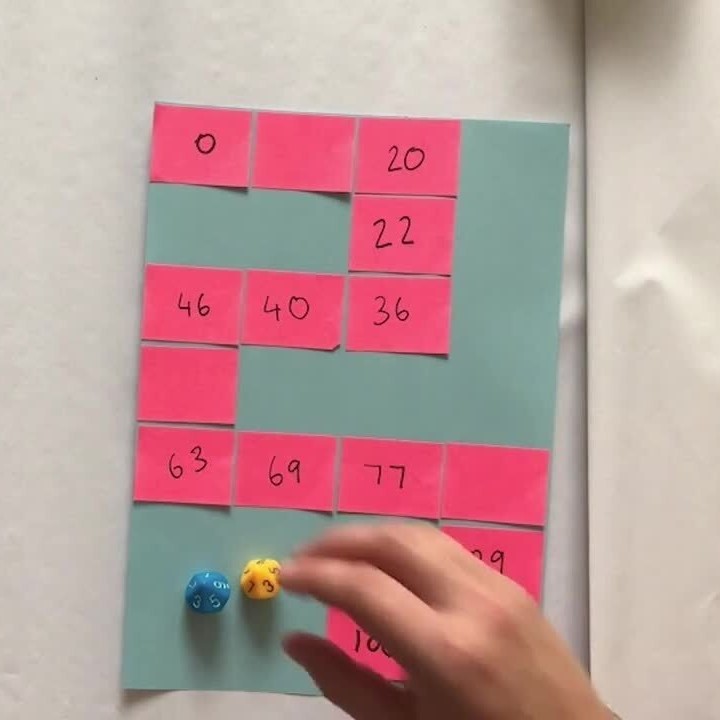
Furthermore, they make math less intimidating for young learners. Children often view math as boring or difficult. However, games change this perception entirely. They introduce an element of fun and excitement. As a result, students engage more deeply with the material. They do not even realize they are learning complex ideas. This approach fosters a positive attitude toward mathematics. It encourages them to explore numbers with confidence. Ultimately, a solid grasp of place value paves the way for mastering higher-level math. It is an essential skill that supports academic growth. Thus, integrating games into the curriculum is a smart move. It benefits teachers, parents, and most importantly, the students.
Why Traditional Methods Often Fail to Teach Place Value
For decades, teachers relied on rote memorization and worksheets. They would ask students to write numbers repeatedly. However, this method has significant drawbacks. First, it does not explain the “why” behind the numbers. Students might memorize that 5 is in the tens place. Yet, they may not understand that it represents fifty. Consequently, they lack a conceptual understanding. This gap becomes evident when problems get harder. For example, multi-digit subtraction with borrowing often confuses them. They follow steps without understanding the logic. Additionally, worksheets can be dry and monotonous. They rarely inspire excitement in a classroom. Students often lose focus quickly. As a result, their retention rates drop.
In contrast, interactive learning methods prove more effective. They require students to think critically. They force the brain to make connections. When children actively participate, they retain information longer. Moreover, traditional methods often ignore different learning styles. Some children are visual learners. Others are kinesthetic learners. A standard worksheet rarely caters to these needs. On the other hand, place value games offer variety. They can suit visual, auditory, and tactile learners alike. This adaptability makes them superior tools for education. We must move away from passive learning. We need to embrace active engagement. Only then can we ensure true comprehension.
The Psychology Behind Game-Based Learning in Mathematics
Game-based learning is not just a trend. It is rooted in deep psychological principles. When children play, their brains release dopamine. This chemical is associated with pleasure and motivation. Therefore, learning becomes a rewarding experience. It creates a positive feedback loop. When a child wins a game or solves a puzzle, they feel accomplished. This feeling encourages them to keep trying. Consequently, their motivation to learn math increases. Furthermore, games reduce anxiety. Math anxiety is a real issue for many students. It hinders their ability to perform. Games help lower the stakes. They create a safe environment to make mistakes. In a game, losing is part of the process.
Children are more willing to take risks. They try new strategies without fear of judgment. This is essential for developing problem-solving skills. Moreover, games often involve social interaction. Children play together. They discuss strategies. They learn from their peers. This social element enhances the learning process. It builds communication skills. Additionally, games provide immediate feedback. Students know right away if they are right or wrong. This instant correction helps them adjust their thinking. They do not have to wait for a teacher to grade a paper. Thus, the learning cycle is much faster. These psychological benefits make games a powerful educational tool. They transform the classroom dynamic completely.
Top Digital Place Value Games for Modern Classrooms
Technology has revolutionized education. Today, there are countless digital resources available. Specifically, digital place value games offer unique advantages. They provide interactive simulations that physical tools cannot match. For example, many apps allow students to manipulate virtual base-ten blocks. They can break apart hundreds into tens. They can combine ones to make tens. This visualizes the regrouping process perfectly. Furthermore, digital games often have adaptive difficulty levels. They adjust to the student’s ability. If a student answers correctly, the game gets harder. If they struggle, the game provides hints. This personalized learning path keeps students in their “zone of proximal development.”
Consequently, they are neither bored nor overwhelmed. Popular platforms offer a variety of these games. They cover topics from basic counting to decimals. Moreover, digital games track progress. Teachers and parents can view reports. They can see exactly where a child needs help. This data is invaluable for targeted instruction. Another benefit is accessibility. Students can play these games on tablets or computers. They can practice at home or in school. This flexibility allows for consistent practice. It reinforces concepts learned in class. In addition, many digital games feature engaging storylines. They turn math problems into adventures. Students might save a kingdom by solving place value puzzles. This narrative element keeps them hooked. It turns screen time into learning time.
Hands-On Physical Place Value Games for Active Learners
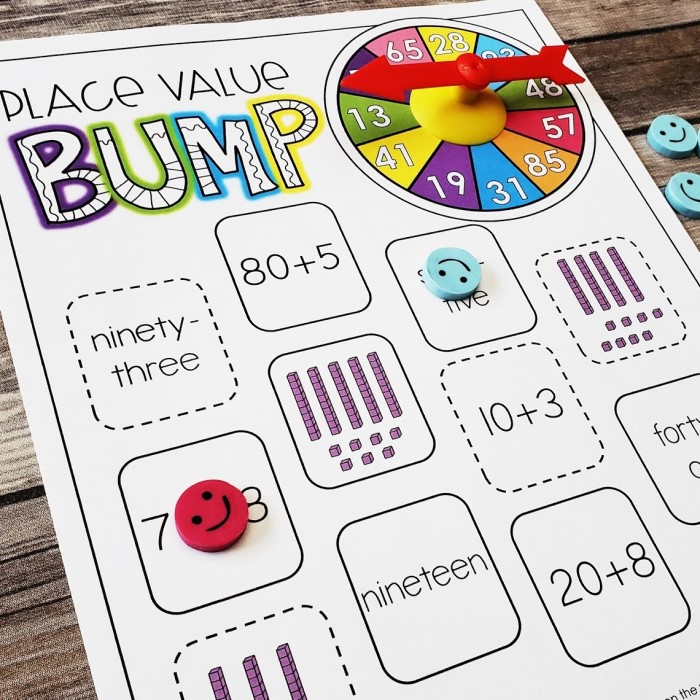
While digital tools are great, physical games remain essential. Many children learn best through touch. They need to hold objects in their hands. Therefore, hands-on place value games are a must in any classroom. Base-ten blocks are the classic choice. Students physically group single units into rods of ten. They stack ten rods to make a flat hundred. This physical action solidifies the concept of grouping. However, there are many other creative options. For instance, “Place Value Cups” is a popular activity. Teachers use Styrofoam cups. They write numbers on the rim. Students stack the cups to build different numbers. They see how the place value changes as they rotate the cups. Another engaging game involves using food items.
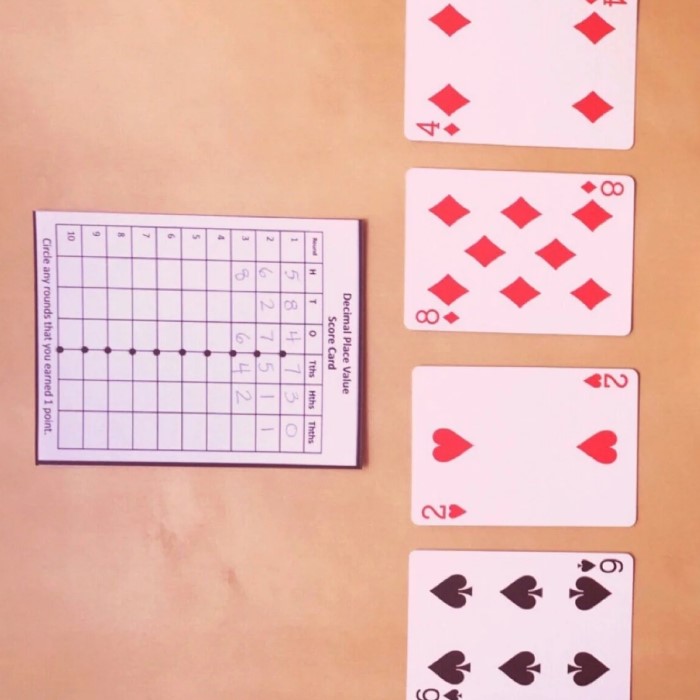
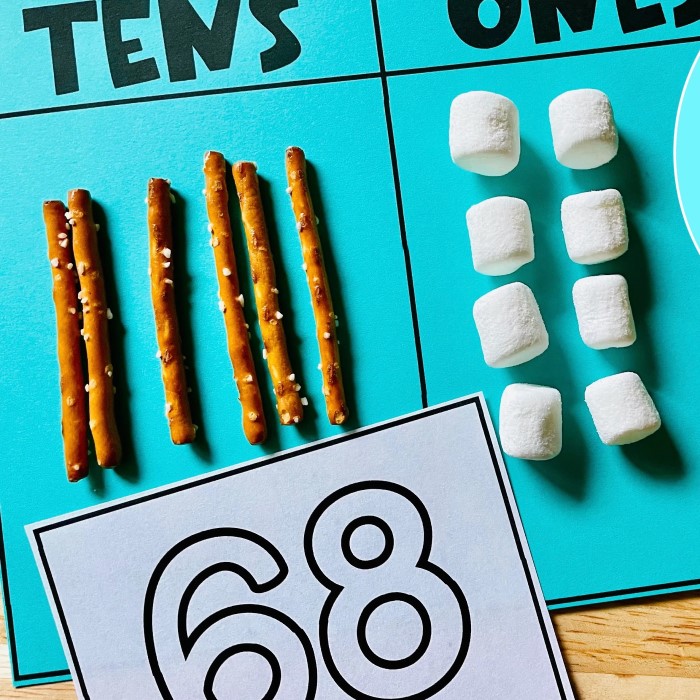
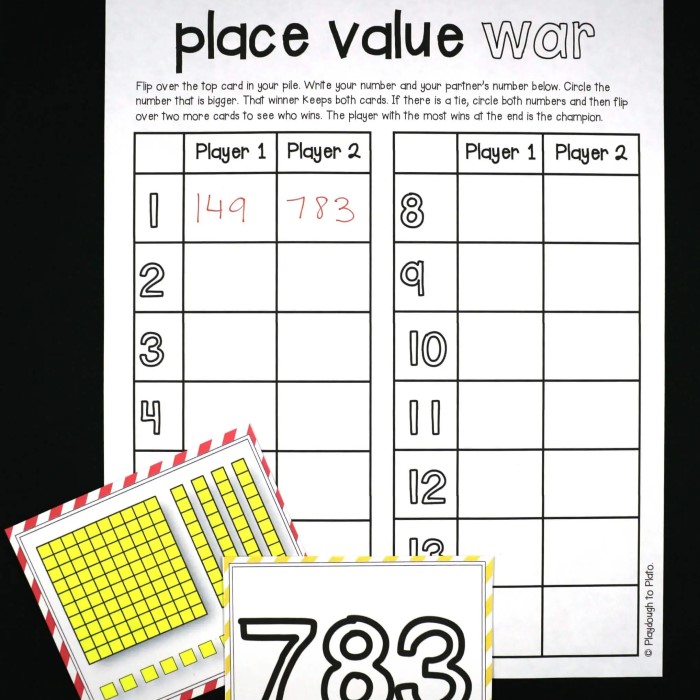
Teachers might use pretzels for tens and marshmallows for ones. Children build numbers before eating them. This is highly motivating for younger students. Furthermore, card games and dice games work well. A simple deck of cards can become a math lesson. Students draw cards to build the largest number possible. They must decide where to place each digit. This teaches strategy and value comparison. Additionally, “Place Value War” is a classroom favorite. It mimics the card game War. Two students draw cards. The one with the higher number wins. These games encourage social interaction. They also build fine motor skills. They get children moving and thinking. Physical games also reduce eye strain from screens. They provide a necessary break from technology. Therefore, a balanced approach includes both digital and physical tools.
Strategies for Parents to Reinforce Learning at Home
Parents play a crucial role in a child’s education. Learning does not stop at the school gate. Therefore, parents can use place value games at home. They can turn everyday activities into math lessons. For example, grocery shopping offers many opportunities. Parents can ask children to read price tags. They can ask, “What does the 5 stand for in $5.00?” This reinforces the concept of ones, tens, and hundreds. Furthermore, cooking is a great time for math. Recipes often involve measurements and numbers. Parents can double or halve a recipe. This requires understanding place value for measurements. Additionally, there are many simple games to play at the dinner table. One popular game is “Guess My Number.”
The parent thinks of a number. The child asks questions like, “Is the tens digit greater than 5?” This game teaches logical thinking and place value concepts. Another strategy is to use pocket charts. Parents can set up a small chart in the living room. The child can practice making numbers daily. Also, online resources are readily available. Parents can bookmark educational websites. They can encourage 15 minutes of game play each day. Consistency is key. Short, regular practice is better than long, infrequent sessions. Moreover, parents should celebrate small victories. Positive reinforcement goes a long way. If a child masters the tens place, they should be praised. This builds confidence. It creates a supportive learning environment. When parents show enthusiasm for math, children often follow suit. They see math as a relevant part of daily life.
Adapting Place Value Games for Different Grade Levels
Place value is not just for first graders. It is a concept that evolves. Therefore, place value games must adapt to different grade levels. For early learners in kindergarten and first grade, the focus is on tens and ones. Games should be simple and concrete. They might involve matching numbers to groups of objects. The goal is to help them see the relationship between quantity and symbol. As students move to second and third grade, they work with hundreds and thousands. Games should become more complex. They can involve regrouping and expanded form. For instance, a game might ask students to build 345 using base-ten blocks. They need to use three hundreds, four tens, and five ones.
Then, in fourth and fifth grade, the focus shifts. Students deal with larger numbers and decimals. They also learn about powers of ten. Games for this level should challenge them to read numbers into the millions. They might also explore decimal place values. Activities can involve converting fractions to decimals. For example, students might play a memory matching game. They match a fraction card to a decimal card. Furthermore, older students benefit from strategy games. These games require mental math involving place value. They might multiply a number by 10 or 100 mentally. The rules must scale with the child’s ability. Teachers should look for differentiated resources. Many games come with varying levels of difficulty. This ensures that every student is challenged appropriately. It prevents older students from getting bored. It also prevents younger students from getting frustrated. A well-chosen game grows with the child.
How to Integrate Games into Daily Lesson Plans
Teachers have busy schedules. They must cover a vast curriculum. Therefore, adding new activities might seem daunting. However, integrating place value games is easier than it seems. Teachers do not need to overhaul their entire lesson plan. They can start small. For example, they can use a game as a warm-up activity. This “math starter” gets the brain working. It sets the tone for the lesson. A quick five-minute game can activate prior knowledge. Alternatively, teachers can use games during math centers. Students rotate through different stations. One station can be a digital game on tablets. Another can be a card game with a partner. This allows teachers to work with small groups.
They can provide targeted instruction while others play. Furthermore, games serve as excellent review tools. Before a test, teachers can organize a “Game Day.” Students rotate through various games to review concepts. This is far more effective than a standard review packet. It reduces test anxiety. It makes the review process active. Teachers should also involve students in the selection process. They can ask the class which games they enjoy most. This gives students a sense of ownership. It increases their engagement. Additionally, teachers should set clear rules. They should explain how to handle materials. They should explain how to resolve disputes. Good classroom management ensures that game time is learning time. With a little planning, games can become a seamless part of the routine. They enrich the curriculum rather than distract from it.
Assessing Student Progress Through Game-Based Activities
Assessment is a critical part of teaching. Teachers need to know if students are learning. Traditionally, this means tests and quizzes. However, games offer a unique assessment opportunity. Teachers can observe students as they play place value games. This is called formative assessment. By watching, teachers can identify misconceptions. For instance, a student might struggle to build a number with blocks. The teacher sees this immediately. They can intervene on the spot. This is much more powerful than correcting a worksheet later. Moreover, many digital games provide automatic data. They track accuracy and speed. Teachers can analyze this data. It helps them spot trends in the class.
If many students miss a certain question, the teacher knows to re-teach that concept. Furthermore, games allow for self-assessment. Students see their scores instantly. They know what they need to work on. This promotes self-reflection. It encourages them to take charge of their learning. Teachers can also use game outcomes for grades. They can record participation or mastery levels. This makes assessment less stressful for students. It creates a low-pressure environment. Additionally, peer assessment can occur. Students can check each other’s work during partner games. They discuss why an answer is right or wrong. This peer teaching reinforces learning. It helps both the tutor and the tutee. Therefore, games are not just for fun. They are powerful diagnostic tools. They provide a holistic view of student understanding.
Conclusion
Mathematics education is evolving. We have moved past the era of strict memorization. Today, the focus is on deep understanding. Place value is the gateway to this understanding. Without it, math becomes a series of meaningless steps. Therefore, the use of place value games is essential. They engage students on a psychological level. They make math enjoyable. From digital apps to physical blocks, the options are endless. Teachers and parents have a wealth of resources at their fingertips.
By integrating these games, we empower students. We give them the confidence to tackle complex problems. We turn frustration into fascination. The benefits extend beyond the math classroom. Critical thinking skills improve. Social skills develop. A positive attitude towards learning takes root. Ultimately, these games prepare children for a future where math literacy is vital. They build a foundation that will support them for years to come. So, let us roll the dice. Let us deal the cards. Let us make learning place value an adventure. The results will speak for themselves. Effective and fun learning is not just a dream. It is a reality we can create today.