The Foundation of Hope and Despair
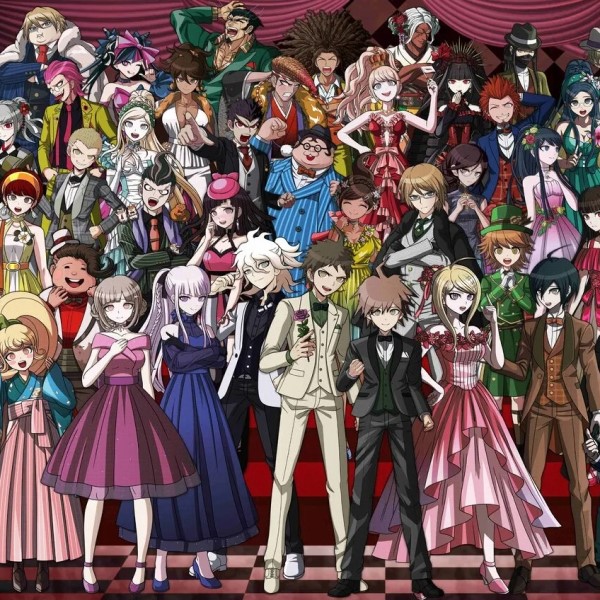
The universe of Danganronpa is built upon a complex dichotomy of hope and despair. At the very heart of this franchise are the danganronpa characters, who drive the narrative forward with their unique personalities and talents. The story typically begins at a prestigious high school for gifted individuals. These students possess extraordinary abilities known as “Ultimate” talents. However, they soon find themselves trapped in a killing game. Consequently, the characters must navigate a treacherous environment where trust is a luxury they cannot afford. The series uses these individuals to explore deep psychological themes. For instance, it examines how pressure affects human behavior.
Furthermore, the diversity of the cast ensures that every player finds someone to root for. From detectives to chefs, the range of skills is vast. Therefore, understanding these characters is essential for appreciating the depth of the plot. Their interactions define the stakes of the game. Ultimately, the series is a study of human nature under extreme duress. The creators have meticulously crafted each persona to serve a specific purpose within the larger mystery.
The Protagonists and Their Burdens
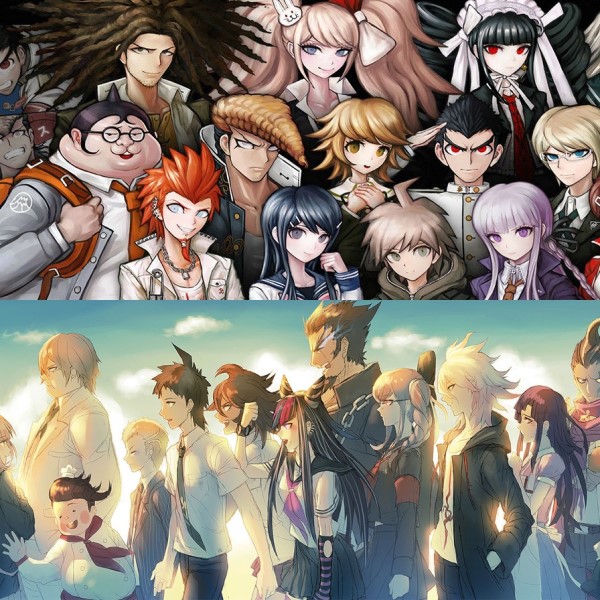
The main protagonists serve as the player’s window into the twisted world of the killing game. Typically, these danganronpa characters start as seemingly ordinary students. Makoto Naegi is the prime example from the first game. He is the Ultimate Lucky Student. However, his luck is often a double-edged sword. He relies on his optimism and intuition to solve class trials. Consequently, he becomes a symbol of hope for the other survivors.
- Makoto Naegi: He is not physically strong or intellectually genius. Yet, his unwavering belief in his friends drives the story. He unites the group when despair threatens to tear them apart.
- Hajime Hinata: The protagonist of the second game is different. He struggles with his identity and lack of a specific talent initially. His journey is one of self-discovery. He questions the very foundation of the talent system.
- Kaede Akamatsu: In the third main installment, the role shifts. She is a proactive leader. Her determination to end the game drives the early narrative. This creates a unique dynamic in the story.
Therefore, the protagonists are not just observers. They are active participants who challenge the status quo. Their growth is central to the resolution of each chapter. Furthermore, their internal conflicts mirror the external chaos of the killing game.
The Antagonists and Agents of Chaos
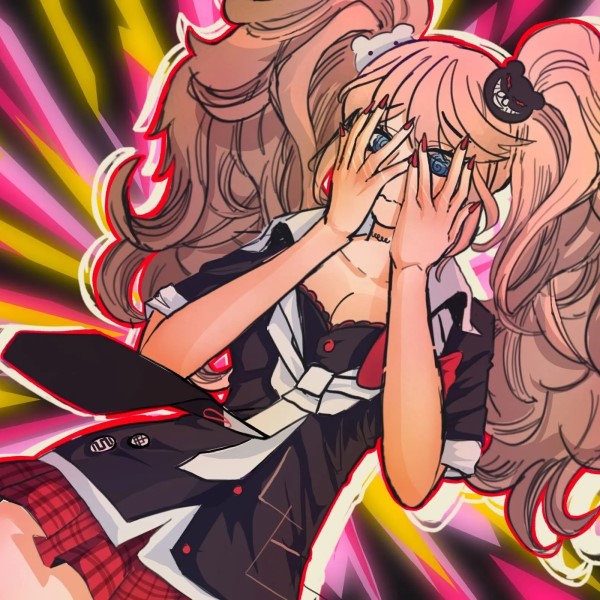
Every compelling story needs a force of opposition. In this series, the antagonists are often charismatic and terrifyingly intelligent. They orchestrate the despair that engulfs the students. Junko Enoshima stands out as the primary villain. She is the Ultimate Fashionista. However, her true talent is far more dangerous. She embodies the concept of “Ultimate Despair.”
- Junko Enoshima: She is the mastermind behind the tragedy. Her motivation is a complex obsession with despair. She believes despair is an unpredictable and exciting force. Consequently, she destroys the world to feel that thrill.
- Monokuma: This robotic bear acts as the mascot and enforcer. He is an extension of Junko’s will. His contradictory nature represents the duality of the series. He is cute yet deadly.
- The Masterminds: Each game features a different mastermind or a twist on the role. These characters manipulate the students into killing each other. They use secrets and motives to incite violence.
These antagonists are crucial for the tension in the series. They force the danganronpa characters to reveal their true natures. Without their influence, the killing games would not exist. Therefore, they are the architects of the narrative conflict.
The Role of Ultimate Talents
The “Ultimate” talent system is a defining feature of the series. It categorizes students based on their exceptional skills. This system influences the plot and the dynamics between danganronpa characters. Talents can range from practical skills to bizarre abilities.
- Identity Definition: Many characters define their self-worth by their talent. For example, Byakuya Togami takes great pride in his status as the Ultimate Affluent Progeny. He believes his talent makes him superior to others. Consequently, this arrogance creates conflict within the group.
- Plot Devices: Talents often facilitate murder mysteries. The Ultimate Detective uses deduction to solve cases. The Ultimate Nurse has medical knowledge to analyze corpses. The Ultimate Mechanic can fix or sabotage equipment. These skills are essential for the gameplay loop.
- Corruption of Talent: The series often explores the dark side of being special. Some characters are exploited for their talents. Others feel immense pressure to maintain their status. This pressure can lead to mental breakdowns or murder.
Therefore, talents are not just character traits. They are integral to the mechanics of the story. They create both the means for murder and the tools for solving it. The writers use these abilities to craft intricate puzzles.
Supporting Characters and Their Narrative Impact
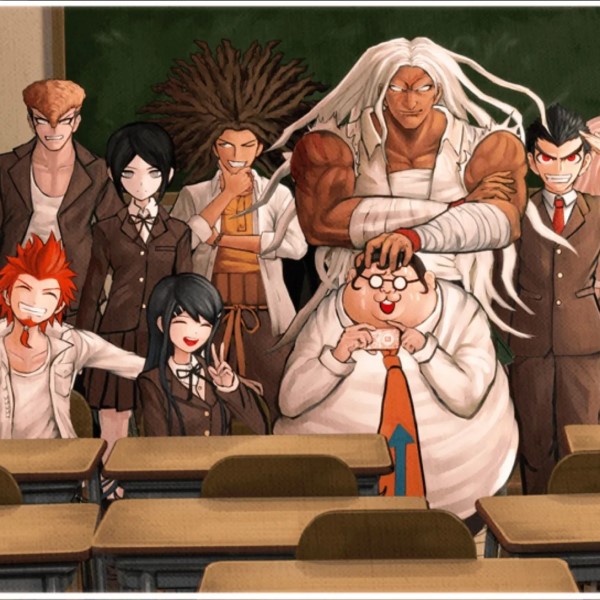
The supporting cast brings vibrancy and variety to the killing game. While the protagonists and antagonists drive the main plot, the supporting danganronpa characters provide emotional weight. Their deaths often serve as catalysts for the protagonist’s determination.
- Kyoko Kirigiri: She is the Ultimate Detective in the first game. Her cool demeanor and sharp mind are invaluable. She acts as a mentor figure to Makoto. However, her secrecy creates tension. Her role is vital for solving the final mysteries.
- Chiaki Nanami: The Ultimate Gamer in the second game offers a different dynamic. She provides emotional support to Hajime. Her calm nature contrasts with the chaotic environment. Furthermore, her fate is one of the most tragic in the series.
- Kaito Momota: In the third game, he represents romanticism and determination. He pushes the protagonist to keep fighting. His belief in his friends is unshakeable. Consequently, he becomes the emotional pillar of the group.
These characters often represent the “heart” of the story. They show that humanity can persist even in the face of death. Their relationships with the leads add layers of complexity to the narrative.
Character Arcs and Development
One of the strongest aspects of the writing is the character development. Many danganronpa characters undergo significant transformations throughout their respective games. The extreme environment forces them to change.
- From Weak to Strong: Some characters start as timid or insecure. The killing game forces them to find inner strength. For instance, Mikan Tsumiki starts as a submissive nurse. However, her exposure to despair reveals a darker, more confident side.
- The Fall from Grace: Conversely, some characters start confident and crumble under pressure. They may start as leaders but break down when their plans fail. This descent into madness is a common trope.
- Redemption Arcs: Several characters seek redemption for past actions. They try to atone for their mistakes or their role in the tragedy. These arcs add emotional resonance to the story.
The writers ensure that the characters are not static. They react realistically to the trauma around them. Therefore, players become invested in their survival. The fear of losing a favorite character drives the emotional engagement of the game.
The Significance of Character Designs
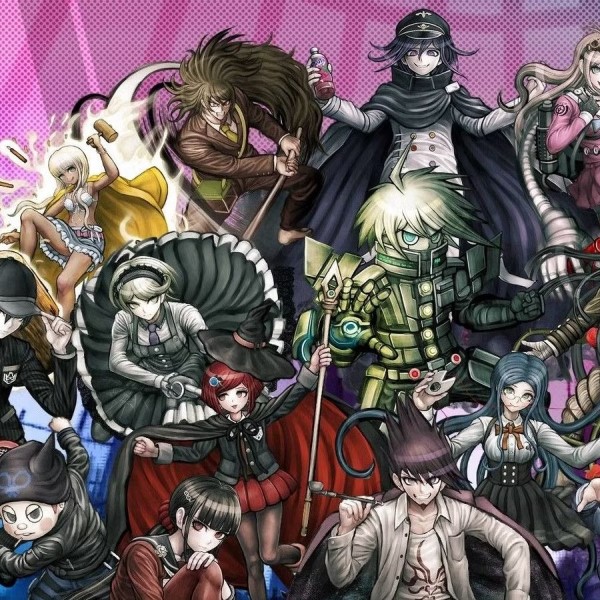
The visual design of the characters plays a huge role in their appeal. Rui Komatsuzaki is the lead designer. His distinctive style makes the danganronpa characters instantly recognizable. The designs often hint at the character’s personality and talent.
- Color Palettes: The colors used often reflect the character’s mood or role. Darker colors might suggest a mysterious or villainous nature. Brighter colors often belong to energetic or innocent characters.
- Clothing and Accessories: Outfits are elaborate and specific. For example, Celestia Ludenberg’s gothic lolita dress reflects her desire for a fairy-tale life. Gundham Tanaka’s scarf and hamsters highlight his eccentric persona.
- Expressions: The art style allows for exaggerated expressions. This is crucial during class trials. The shift from a calm face to a breakdown is visually striking. It enhances the dramatic impact of the revelations.
Good character design helps players remember the large cast. With over 15 students per game, distinct silhouettes are necessary. Thus, the art is functional as well as aesthetic. It reinforces the narrative themes visually.
The Legacy of the Cast
The impact of the danganronpa characters extends far beyond the video games. They have become icons in the anime and visual novel community. Their popularity has spawned manga, anime adaptations, and stage plays.
- Fan Engagement: Fans create vast amounts of fan art and fiction. The complex backstories of the characters provide fertile ground for speculation. The community loves to analyze every detail of their behavior.
- Merchandise: The demand for merchandise is high. Figures, keychains, and apparel featuring the students are sold worldwide. This shows the lasting commercial appeal of the cast.
- Cultural Influence: Phrases like “Refresh your memory” have become internet memes. The characters have entered the broader pop culture lexicon. They represent a specific era of mystery gaming.
Therefore, the characters are the lifeblood of the franchise. Without their memorable designs and tragic stories, the series would not have achieved its cult status. They ensure that the legacy of Hope’s Peak Academy endures.
FAQ
Who are the LGBT characters in Danganronpa?
The Danganronpa series features several characters who are confirmed or strongly implied to be LGBT. For instance, Teruteru Hanamura expresses interest in multiple genders. Additionally, Tenko Chabashira has a canonical crush on the female protagonist, Himiko Yumeno. Mikan Tsumiki also implies romantic feelings for Junko Enoshima in certain contexts.
Who is the evil girl in Danganronpa?
The primary “evil girl” in the series is Junko Enoshima. She is the Ultimate Fashionista and the mastermind behind the tragedy. Her goal is to spread despair across the world. She is manipulative, chaotic, and lacks empathy, making her the central antagonist of the franchise.
Who does Junko love in Danganronpa?
Junko Enoshima primarily loves the concept of despair. She does not experience traditional romantic love. However, she has a twisted relationship with her sister, Mukuro Ikusaba. She claims to love her sister but ultimately kills her to feel the despair of losing a loved one. Her love is always tied to the sensation of despair.
Who is the oldest Danganronpa student?
Most students in the main games are in their late teens. However, Ryoma Hoshi from Danganronpa V3 is notably older than his appearance suggests. He was a professional tennis player who spent time in prison. While his exact age is not explicitly stated in the student roster, his life experiences make him mentally older than his peers. In the wider lore, characters in the Ultra Despair Girls spin-off vary in age.
Conclusion
In summary, the danganronpa characters are the pillars of a complex and thrilling narrative. From the hopeful protagonists to the agents of despair, each character plays a vital role. Their unique talents, distinct designs, and psychological depth create an unforgettable experience. The series challenges players to look beyond the surface. It asks what people are capable of when pushed to the brink. Ultimately, the enduring popularity of the franchise is a testament to the strength of its writing and character design. Fans will continue to analyze and celebrate these iconic students for years to come.