Fostering Independence with the Right Tools
Parents often seek ways to include their children in daily activities. The kitchen serves as a central hub for family life. Consequently, children naturally want to participate in cooking and cleaning. A kitchen stool for toddlers acts as a bridge between the floor and the counter. It allows children to reach heights safely. Furthermore, it empowers them to become active participants. Independence is a crucial part of early childhood development. Therefore, providing a safe platform is essential.
Many parents worry about the risks associated with climbing. Traditional chairs or adult stools are unstable and dangerous. However, a specifically designed toddler stool mitigates these risks effectively. This article explores the vital safety features parents must consider. We will discuss how to choose, use, and maintain these tools. By following these guidelines, parents create a secure environment. Ultimately, the goal is to foster confidence in young children. Let us explore how to make kitchen time both fun and safe.
Understanding the Design of a Kitchen Helper
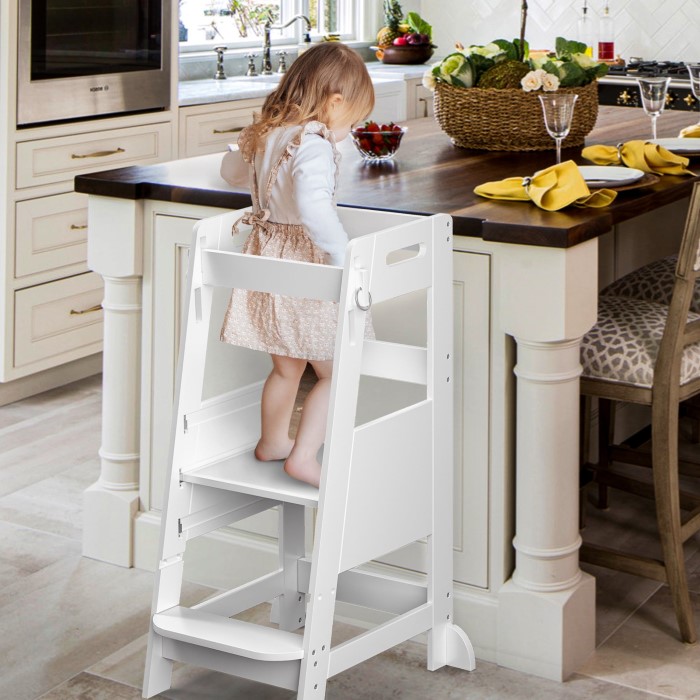
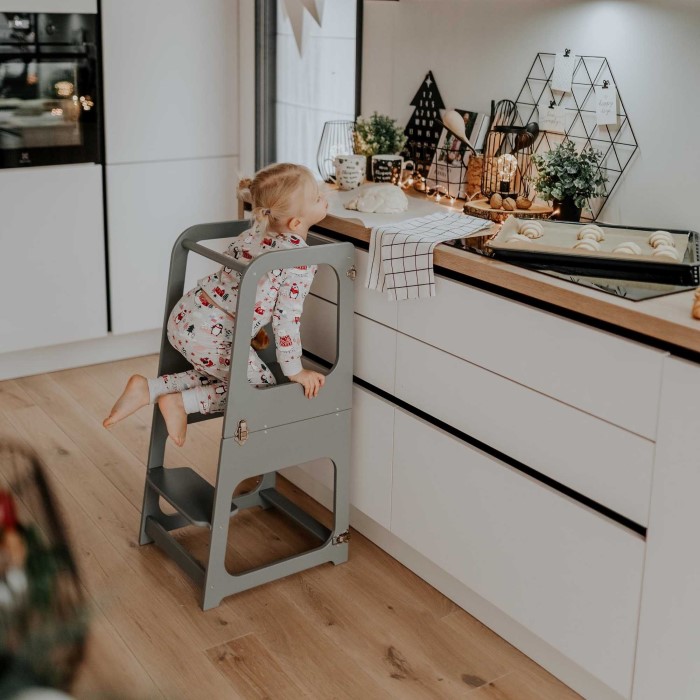
Not all stools are created equal. Traditional step stools serve a different purpose. A kitchen stool for toddlers, often called a learning tower, features a unique design. It typically includes a raised platform and four-sided railing. Consequently, this design prevents accidental falls. Children are enclosed within a secure space. Therefore, parents can focus on their tasks without constant panic. The concept aligns well with Montessori philosophies. It promotes accessibility and autonomy. Furthermore, these stools often adjust in height. This feature accommodates a growing child.
- Enclosed Structure: The railing is the most critical feature. It surrounds the child on all sides. This prevents them from stepping backward into thin air.
- Sturdy Base: A wide base prevents tipping. The center of gravity remains low. Therefore, active toddlers cannot easily topple the structure.
- Adjustable Platform: As children grow, the platform lowers. This ensures the stool remains useful for years. It is a long-term investment in safety.
Transitioning to the benefits, the design encourages engagement. Children feel tall and capable. They can wash vegetables or mix batter at the counter. Consequently, they learn valuable life skills early. The psychological boost is significant. They feel like helpers rather than bystanders. This fosters a positive self-image. Additionally, the sturdy construction usually involves wood. High-quality materials ensure durability. Plastic alternatives may wobble. Therefore, wood is often the preferred choice for safety-conscious parents. Understanding these design elements helps parents make informed decisions. It is not just a stool; it is a safety device.
Critical Safety Features to Inspect Before Buying
Safety begins with the manufacturing quality. Parents must inspect every detail before purchasing. First, check the stability of the kitchen stool for toddlers. Shake it vigorously. It should not wobble or tilt. Furthermore, examine the finish of the wood. It should be smooth and non-toxic. Toddlers often put their mouths on surfaces. Therefore, lead-free paint is non-negotiable. Look for safety certifications on the label. These indicate rigorous testing standards.
- Non-Slip Feet: The bottom of the legs needs rubber grips. This prevents the stool from sliding on smooth floors. Kitchens often have tile or hardwood. Consequently, sliding is a major hazard.
- Secure Rails: The spindles or bars should be close together. This prevents a child from slipping through or getting stuck. Additionally, ensure there are no sharp edges.
- Weight Limit: Every stool has a maximum weight capacity. Always choose a model that exceeds your child’s weight. This accounts for sudden movements or jumping.
Transitioning to assembly, follow the instructions precisely. A poorly assembled stool is a danger. Tighten every screw securely. Furthermore, check for pinch points. Hinges on folding models can trap small fingers. Therefore, test the mechanism before letting the child use it. Regular maintenance is also key. Screws can loosen over time. Consequently, a monthly check-up is advisable. Parents should also consider the environment. Place the stool on a flat surface. Uneven ground increases the risk of tipping. These small details make a massive difference. Safety is in the minutiae.
Proper Placement and Environmental Hazards
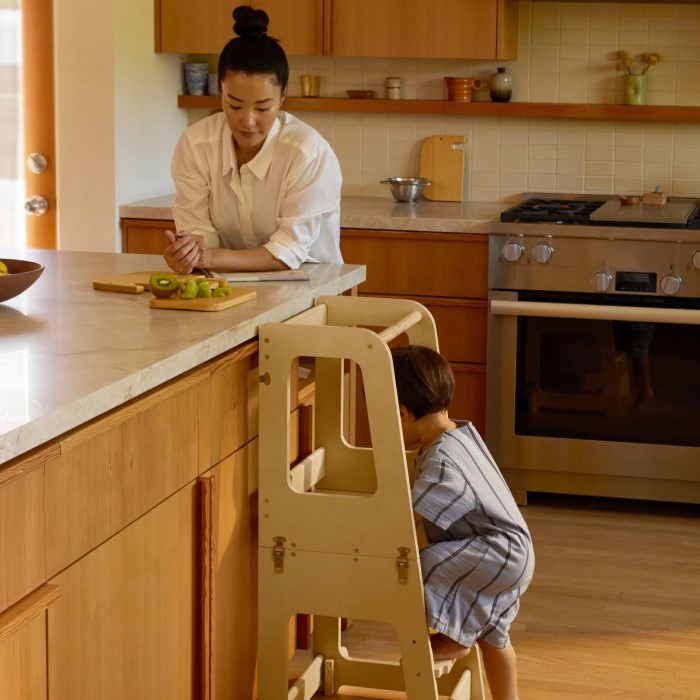
Where you place the stool is just as important as the stool itself. A kitchen stool for toddlers grants access to new heights. However, this access can be dangerous near certain areas. Never place the stool near the stove. Children can reach hot burners or pots. Consequently, burns are a severe risk. Always position the stool in a safe zone. Ideally, place it near the sink for washing hands. Or, place it on a counter away from knives and heat.
- Stove Safety: Create a “no-go” zone. Teach children that the stove is hot. Even with a stool, the stove is off-limits. Visual barriers can help reinforce this rule.
- Sharp Objects: Keep knives and scissors out of reach. A child on a stool has a longer reach than you realize. Therefore, clear the counter before lifting the child.
- Appliance Cords: Dangling cords are tempting. A child might pull a toaster or blender down. Secure all cords away from the edge. This prevents heavy objects from falling.
Furthermore, consider the floor surface. Wet floors are slippery. If the child spills water, the stool might slide. Therefore, wipe up spills immediately. Additionally, be mindful of other siblings. An older sibling might lean on the stool. This could cause it to tip. Supervision is always required. Even the safest stool cannot replace a watchful eye. Transitioning to daily habits, consistency is key. Always place the stool in the same spot. This establishes a routine. The child learns where they belong. It reduces the urge to wander into dangerous areas. Environmental awareness prevents accidents.
Age Appropriateness and Developmental Readiness
Parents often ask, “When is my child ready?” The answer varies by development. Most manufacturers suggest a kitchen stool for toddlers starts at 18 months. However, the child must be able to stand independently. Furthermore, they should show an interest in climbing. If a child is unsteady, a stool is unsafe. Consequently, assess your child’s motor skills first. Can they climb onto a step without falling? Do they listen to simple instructions? These are prerequisites for safe use.
- Early Stages (18 months – 2 years): At this age, children need constant support. They may wobble. Therefore, keep the platform at the highest setting. This keeps them contained.
- Middle Stages (2 – 3 years): Toddlers become more confident. They climb in and out independently. However, they are also impulsive. Continued supervision is mandatory.
- Older Children (3+ years): They are steadier. You can lower the platform. They might use it as a step stool without rails. However, the rails still provide extra security.
Transitioning to the transition, know when to stop using the rails. Some stools convert into standard step stools. This is a great feature for older kids. However, if a child tries to climb over the rails, it is dangerous. This indicates they have outgrown the enclosed phase. Immediately lower the platform or remove the rails. Furthermore, teach the child how to enter and exit safely. They should always face the stool when climbing. Jumping off is strictly prohibited. These rules establish boundaries. A child who understands the rules is a safer child. Developmental readiness is not just about age. It is about maturity and physical control.
Supervision Strategies for Busy Parents
A kitchen stool for toddlers is a tool, not a babysitter. It requires active supervision. Parents must stay in the room at all times. Furthermore, they should position themselves between the child and hazards. For instance, stand between the stool and the open oven. This creates a physical barrier. Additionally, engage with the child. Give them a task to focus on. Boredom leads to mischief. A bored child might try to climb the rails.
- Direct Interaction: Talk to your child while they are on the stool. Ask them to hand you ingredients. This keeps their mind occupied. It also strengthens your bond.
- The “Three-Point” Rule: Teach children to keep two feet and one hand on the platform. Or, two hands and one foot. This mimics climbing safety rules. It encourages stability.
- Time Limits: Do not leave a child on the stool for hours. They will get tired and restless. Fatigue leads to accidents. Therefore, use the stool for specific activities.
Transitioning to emergency preparedness, know what to do if a fall happens. Keep a first aid kit nearby. Falls from height can cause serious injury. Consequently, stay vigilant. If you need to leave the room, take the child with you. It only takes a second for an accident to occur. Some parents use a timer. They set it for short intervals. When the timer rings, they check the stool’s stability. This proactive approach prevents mishaps. Supervision is the cornerstone of safety. No equipment replaces a parent’s presence.
Maintenance and Inspection for Longevity
A kitchen stool for toddlers undergoes significant stress. Children jump, wiggle, and push against the rails. Consequently, wear and tear is inevitable. Regular maintenance ensures the stool remains safe. Parents should inspect the stool weekly. Look for loose screws or bolts. Tighten them immediately if found. Furthermore, check the wood for cracks. Cracks weaken the structural integrity. A broken rail could lead to a fall.
- Cleaning Protocols: Clean the stool regularly. Food spills can make the platform slippery. Use a damp cloth and mild soap. Avoid harsh chemicals. They might damage the finish.
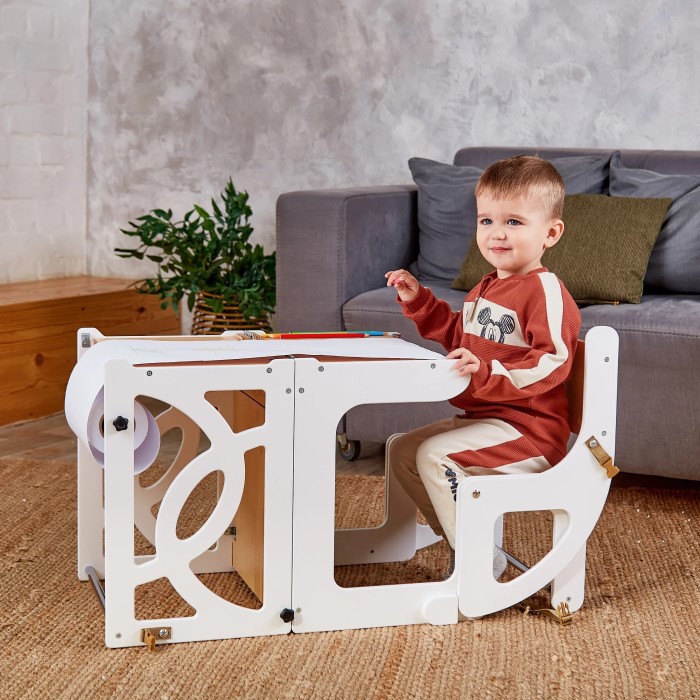
- Folding Mechanisms: If your stool folds, check the locks. Ensure they are fully engaged before use. A collapsed stool can cause serious injury. Therefore, test the locks every time.
- Hardware Check: Screws can rust over time. This is especially true in humid kitchens. Replace any rusted hardware. Rust weakens the metal significantly.
Transitioning to storage, store the stool properly when not in use. If it folds, ensure it is stored flat. Do not place heavy objects on top of it. This can warp the frame. Additionally, check the rubber feet. They can wear down or fall off. Missing feet cause instability. Replace them as soon as possible. Many manufacturers offer replacement parts. Taking care of the stool extends its life. It also ensures it remains a safe haven for your child. Maintenance is a form of prevention. It stops accidents before they happen.
Frequently Asked Questions About Toddler Stools
Parents often have specific questions regarding usage. Here are answers to common queries.
When can a toddler use a kitchen stool?
Most toddlers can start using a kitchen stool around 18 months of age. However, they must be able to stand and walk independently. They should also show signs of stability. Always check the manufacturer’s age recommendation. Furthermore, assess your child’s individual development. Some children may be ready earlier, while others need more time.
Can a 1 year old have a play kitchen?
Yes, a one-year-old can enjoy a play kitchen. It encourages imaginative play and fine motor skills. However, ensure the play kitchen has no small parts. These pose a choking hazard. A real kitchen stool for toddlers is different. It is generally not recommended for a one-year-old unless they are extremely steady. Constant supervision is required.
What age is appropriate for a toddler’s stool?
The appropriate age for a standard step stool is usually around 2 to 3 years. However, a learning tower with rails can be used from 18 months. The appropriate age depends on the child’s balance. It also depends on their ability to follow safety rules. Most children use these stools until they are about 4 or 5 years old.
Summarize
In conclusion, introducing a kitchen stool for toddlers into your home is a wonderful decision. It fosters independence and creates bonding opportunities. However, safety must always be the priority. We have discussed the importance of design features like rails and non-slip feet. Furthermore, we explored the necessity of proper placement away from hazards. Parents must ensure the stool is well-maintained. Regular inspections prevent mechanical failures. Additionally, active supervision is non-negotiable. The kitchen is a busy place. Yet, with the right tools and knowledge, it can be a safe classroom for your child. Remember to follow age guidelines. Always assess your child’s readiness. By doing so, you create a secure environment. Your toddler can safely reach new heights. They will learn, grow, and thrive right alongside you.