Introduction to the World of Canasta
Card games have been a source of entertainment for centuries. They bring people together. Among the many card games available, Canasta stands out as a true classic. It is a game of skill, strategy, and partnership. Many people ask, how do you play canasta? The answer involves understanding a unique set of rules. These rules are engaging but can seem complex at first. However, once you learn the basics, the game becomes incredibly rewarding.
Canasta originated in Uruguay in the 1940s. It quickly spread to the United States and the rest of the world. Consequently, it became a global phenomenon. The game is typically played with four players in two partnerships. The objective is to create “melds” of cards. Specifically, you want to make “canastas,” which are melds of seven cards of the same rank. This guide will walk you through every step. We will explore the history. We will also explain the rules in detail. Furthermore, we will provide expert tips for competitive play. By the end of this article, you will be ready to deal the cards. You will confidently answer the question: how do you play canasta?
The Objective and Setup of the Game
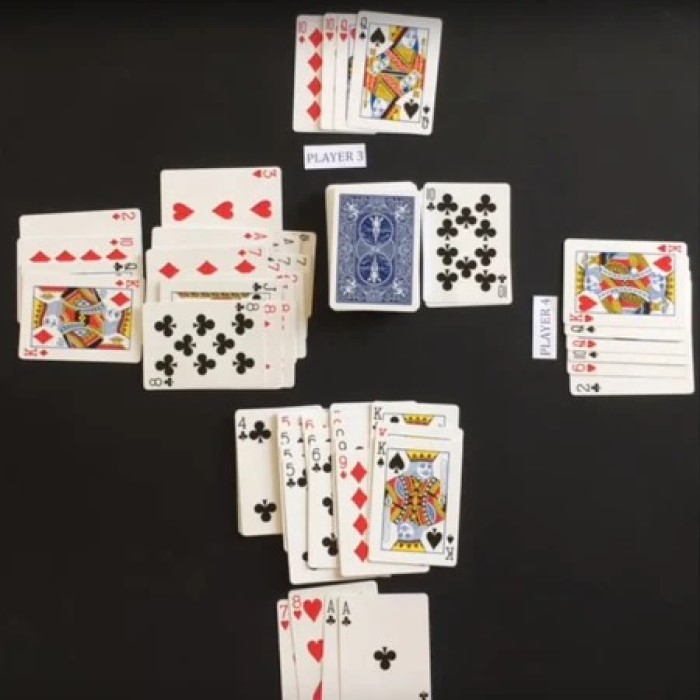
Before the cards are dealt, you must understand the setup. Canasta uses a standard deck of playing cards. However, it uses two full decks shuffled together. This includes the jokers. Therefore, you will have 108 cards in total. The game is usually played by four people. They sit across from each other in partnerships. The goal is to score points. You score points by forming melds. Melds are sets of three or more cards of the same rank. For example, three Kings would be a meld.
- Dealing the Cards: The dealer shuffles the deck. Then, they deal eleven cards to each player. The dealing process moves clockwise around the table. Players must keep their hands secret.
- The Draw Pile: The remaining cards are placed face down in the center. This forms the draw pile or “stock.”
- The Discard Pile: The dealer turns the top card of the stock face up. This starts the discard pile. If this card is a joker, a deuce, or a red three, another card is turned up. This process continues until a “natural” card appears.
The setup is crucial for a smooth game. Ensure you have enough space. A large table is best. You need room for your hand, the stock, and the discard pile. Furthermore, you need space for your team’s melds. Organization is key. A messy table can lead to errors. Therefore, take your time with the setup. It sets the stage for the entire match.
Understanding the Card Values and Scoring
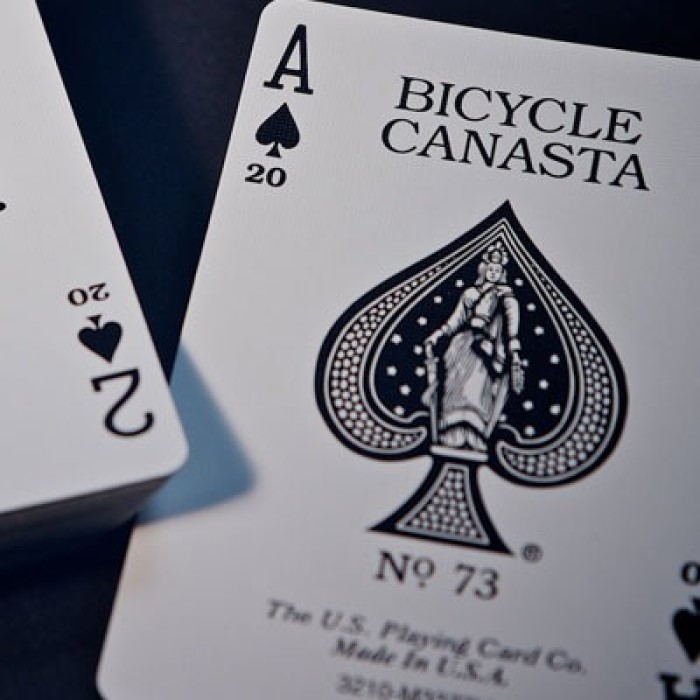
Scoring is the heart of Canasta. You must know the value of every card. This knowledge informs your strategy. For instance, you might hold onto high-value cards. Or, you might discard them to avoid getting caught with them in your hand. Each card has a specific point value.
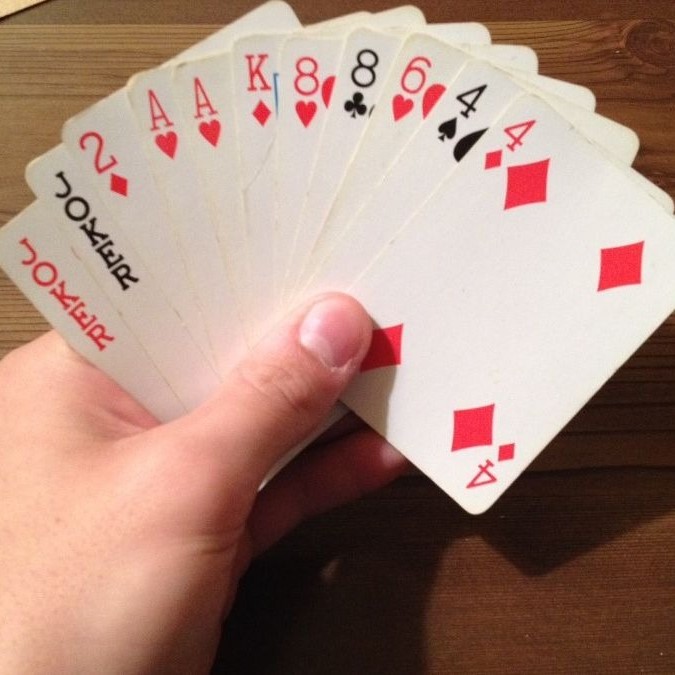
- Jokers: These are the most valuable cards. Each joker is worth 50 points. They act as “wild” cards. They can represent any card you need for a meld. However, they have restrictions. A meld cannot have more wild cards than natural cards.
- Deuces (Twos): These are also wild cards. They are worth 20 points each. Like jokers, they can substitute for any rank. But remember, deuces are wild in function. They are natural in rank only if you are melding twos.
- Aces: Aces are worth 20 points each. They are high-value cards. Collecting aces can lead to a powerful meld.
- Kings, Queens, Jacks, Tens, Nines, Eights: These cards are worth 10 points each. They form the middle tier of scoring.
- Sevens through Fours: These cards are worth 5 points each. They are the lowest scoring cards. However, they are essential for making “natural” canastas.
- Black Threes: These are unique cards. They are worth 5 points. However, they cannot be melded like other cards. They are used primarily for blocking the discard pile.
Understanding these values helps you make quick decisions. You want to maximize your score. Simultaneously, you want to minimize the points left in your hand if your opponents go out. Therefore, always be aware of the math.
The Mechanics of Gameplay and Turns
How do you play canasta? Gameplay proceeds in a clockwise manner. Each turn consists of a few specific actions. First, the player must draw a card. They can draw from the stock. Alternatively, they can take the entire discard pile. This decision is a major part of the strategy. After drawing, the player may meld cards if they wish. Melding is optional. Finally, the player must discard one card face up on the discard pile. This ends their turn.
- Drawing from the Stock: This is the safest option. You take one card from the top of the stock. You add it to your hand. Your opponents do not know what you drew. This keeps your strategy hidden.
- Taking the Discard Pile: This move is riskier but potentially more rewarding. You take the entire pile. However, you must immediately use the top card in a meld. This can give you many cards. But it also reveals your strategy to your opponents. Furthermore, the pile might be frozen.
- Melding: To meld, you place three or more cards of the same rank face up on the table. Your team’s melds are shared. You can add to your partner’s melds. This is a cooperative effort.
- Discarding: You must end your turn with a discard. Choose this card carefully. You do not want to give your opponents a card they need. This is called “feeding” them.
The flow of the game is rhythmic. Draw, meld, discard. It sounds simple. However, the strategic depth is immense. Each decision impacts the game state. Therefore, think before you act.
Mastering Melds and Canastas
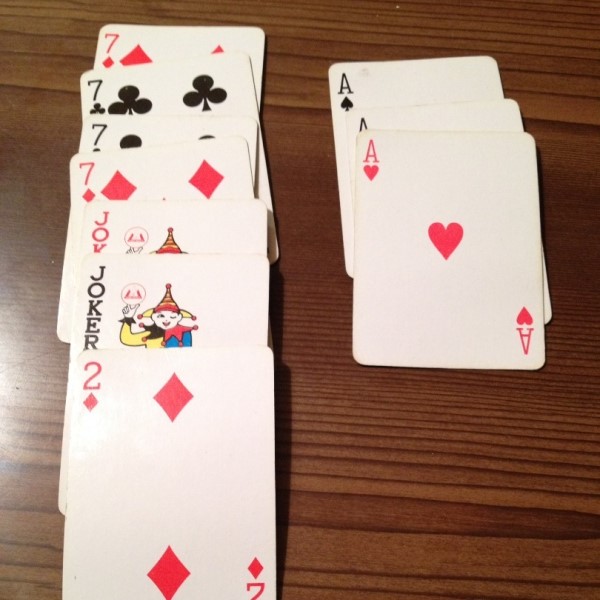
How do you play canasta? The core of the game is building melds. A “meld” is a set of three or more cards of the same rank. For example, three eights is a meld. You can add to this meld later. However, the ultimate goal is a “canasta.” A canasta is a meld of seven cards. There are two types of canastas. They are “natural” (or “pure”) and “mixed” (or “impure”).
- Natural Canasta: This consists of seven natural cards. It contains no wild cards. For example, seven Kings. This is the most valuable type of canasta. It is worth 500 bonus points. Natural canastas are harder to build. You need to collect seven cards of the same rank without using wild cards.
- Mixed Canasta: This includes wild cards. It has four or more natural cards and up to three wild cards. For example, five Aces and two jokers. This is worth 300 bonus points. It is easier to build because you can use jokers and deuces.
- Minimum Count: You cannot just meld any cards at any time. Your team’s first meld of the game must meet a minimum point value. This value depends on your team’s current score. If your score is low, the requirement is low. If your score is high, you need more points to meld initially. This prevents players from dumping low-value cards early in the game.
Building canastas is the primary focus. You must work with your partner. You should signal what you need. For example, discarding a certain card might show your partner you are collecting a specific rank. Communication is subtle but vital.
The Significance of Red Threes and Black Threes
How do you play canasta? Threes are unique in Canasta. They function differently than other cards. Specifically, red threes and black threes have opposite effects. Red threes are bonus cards. Black threes are defensive weapons. Understanding how to use them is a sign of an expert player.
- Red Threes: If you draw a red three, you must immediately play it face up in front of you. You then draw a replacement card from the stock. Red threes are worth 100 bonus points each. However, there is a catch. If your team has not made any melds by the end of the hand, the red threes count against you. They become negative 100 points each. Therefore, red threes are a blessing and a curse. They encourage you to meld quickly.
- Black Threes: These are the only cards that cannot be melded in a set of three during the game. You can only meld black threes when you are going out. Their main purpose is defense. If you discard a black three, it freezes the discard pile. The next player cannot take the pile. They must draw from the stock. This is a powerful move. It stops your opponents from getting a potentially large discard pile. Use black threes wisely. They can save a game.
The management of threes adds a layer of depth. You might hold onto a black three to block a strong opponent. Conversely, you hope to draw red threes for easy points. These small details make Canasta fascinating.
Strategies for Competitive Play
To win consistently, you need a strategy. You cannot just rely on luck. Good players manage their hands effectively. They also watch their opponents. Here are some expert tips for competitive play.
- Freezing the Discard Pile: You can freeze the discard pile against your opponents. You do this by discarding a wild card (a joker or a deuce). Once a wild card is on the pile, it is frozen. To take a frozen pile, you must have two natural cards in your hand that match the top card. This is a high barrier. Freezing the pile is a great way to stop opponents from getting cards.
- Counting Cards: Expert players track the cards. They know how many of each rank have been played. This helps them know if a canasta is still possible. For instance, if four Aces have been discarded, you cannot make a natural canasta of Aces. Counting cards gives you a massive advantage.
- Partnership Communication: You cannot talk to your partner. However, you can signal through your plays. If your partner discards a card, they might be telling you they do not need that rank. If they hesitate, they might be thinking. Pay attention to your partner’s moves. You are a team. Play like one.
- Going Out: The game ends when a player “goes out.” This means they have played all their cards. To go out, you must have made at least one canasta. You can ask your partner for permission to go out. This is a safety measure. If you go out without permission, you might leave your partner with a handful of high-value cards.
These strategies take time to master. Start with the basics. Then, slowly incorporate these advanced tactics. Your game will improve rapidly.
Frequently Asked Questions About Canasta
Many new players have specific questions. Here are answers to the most common queries.
What are the basic rules of Canasta?
The basic rules involve drawing a card, melding sets of three or more cards of the same rank, and discarding. You use two decks with jokers. The goal is to score 5000 points first. You create melds and canastas (seven cards of one rank). Wild cards (jokers and twos) help you form melds.
What are the melds in Canasta?
Melds are combinations of three or more cards of the same rank. For example, three Jacks is a meld. You can add to these melds. A “Canasta” is a meld of seven cards. It can be pure (no wild cards) or mixed (with wild cards). You score bonus points for canastas.
How do you play Canasta with two players?
Canasta can be adapted for two players. The rules are slightly different. Each player is dealt 15 cards instead of 11. Players draw two cards from the stock per turn but discard only one. The rest of the rules remain similar. This variation is often called “Hand and Foot” in some circles, though that is a distinct variant.
How to play Canasta for beginners super simple?
For a super simple start, focus on the draw-meld-discard cycle. Ignore the minimum count for the first meld initially. Just try to make sets of three matching cards. Learn the wild cards (jokers and twos). Once you are comfortable, add the scoring rules and the concept of “freezing” the pile. Keep it simple at first.
Conclusion: Becoming a Canasta Champion
Canasta is a timeless game. It offers endless hours of fun and challenge. The blend of luck and skill is perfect. You might start by asking how do you play canasta. But with practice, you will develop deep strategies. You will learn to read your opponents. You will communicate silently with your partner. The game is more than just matching cards. It is about managing risk. It is about seizing opportunities. Whether you play casually with friends or in a competitive tournament, the thrill is the same. Remember the importance of the discard pile. Respect the power of the wild cards. And always keep an eye on those red threes. We hope this guide has provided the answers you needed. Now, it is time to shuffle the deck. Gather your friends. Put your new knowledge to the test. You are ready to play Canasta.