For thousands of years, humans have looked to the night sky for guidance. Travelers, sailors, and explorers relied on the stars to find their way. In the modern world, we depend heavily on technology. We use GPS devices and smartphone apps to navigate. However, technology can fail. Batteries die, and signals get lost. Therefore, knowing traditional navigation methods remains a vital skill. One of the most important skills is learning how to find north star. This single star, known as Polaris, acts as a celestial anchor. It sits almost directly above the North Pole. Consequently, it indicates true north with remarkable accuracy. Unlike other stars that move across the sky, Polaris remains fixed. This makes it an invaluable reference point for orientation.
Whether you are an avid hiker, a camper, or simply curious, this knowledge empowers you. It connects you to ancient traditions. Furthermore, it offers a sense of security in the wilderness. This guide will provide you with clear, step-by-step instructions. You will learn to identify key constellations. You will also learn the science behind this celestial wonder. So, look up and prepare to unlock the secrets of the night sky.
Understanding the Significance of Polaris
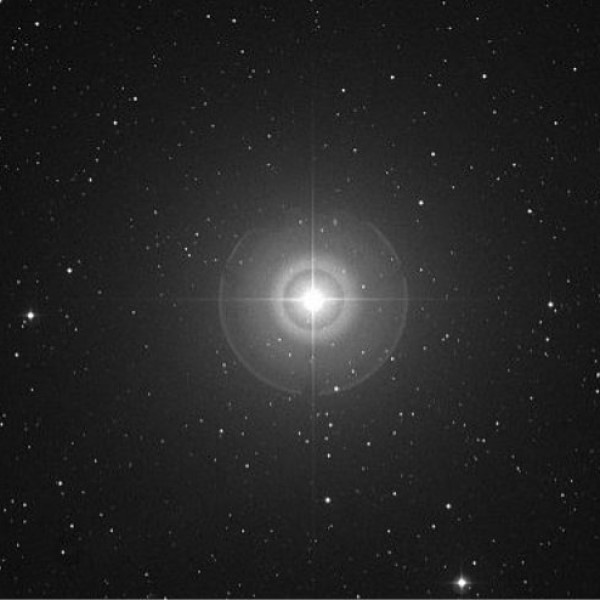
Polaris is not the brightest star in the sky. Many people assume it is. However, that distinction belongs to Sirius. Polaris is actually a moderately bright star. Its fame comes from its unique position. It is located very close to the north celestial pole. Imagine the Earth spinning on its axis. This axis points directly at Polaris. Therefore, as the Earth rotates, all other stars appear to circle around it. This fixed position is why it is called the North Star. When you locate Polaris, you are facing true north. This is crucial for navigation.
Maps are oriented towards the north. Consequently, finding this star allows you to orient yourself anywhere in the Northern Hemisphere. Additionally, Polaris helps you determine your latitude. If you measure the angle between the horizon and the star, you find your latitude. For instance, at the North Pole, it appears directly overhead. At the equator, it sits on the horizon. Understanding this science deepens your appreciation for the cosmos. It transforms a simple dot of light into a navigational tool. Thus, mastering how to find north star is the first step in celestial navigation.
The Big Dipper Method Explained
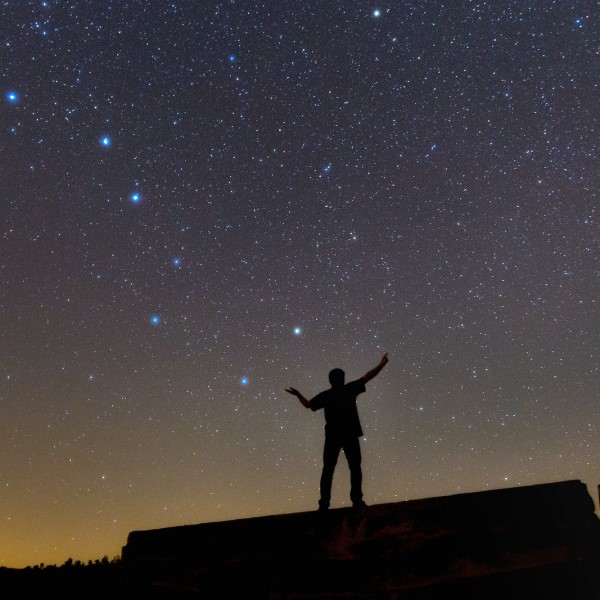
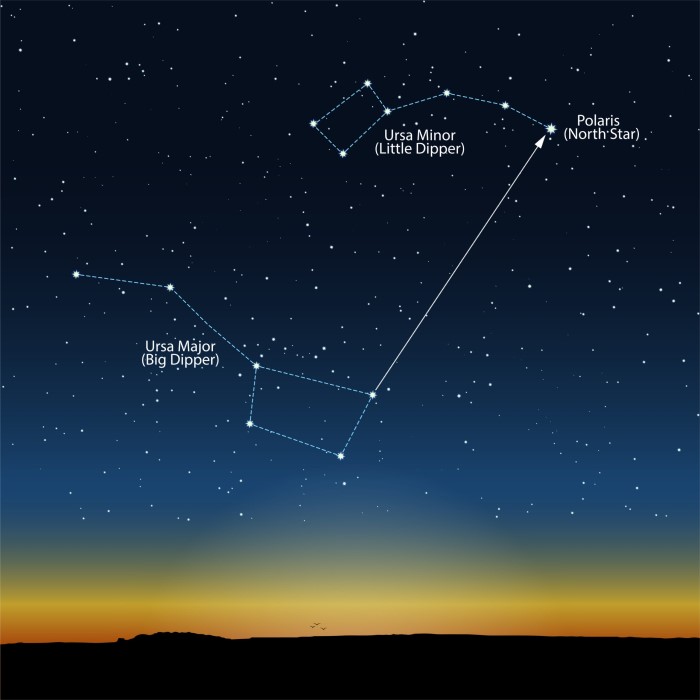
The most reliable method for finding Polaris involves the Big Dipper. This asterism is part of the constellation Ursa Major. It is also known as the Great Bear. The Big Dipper is easy to recognize. It looks like a large ladle or a pan. It consists of seven bright stars. Four stars form the bowl, and three form the handle.
To find Polaris, you must focus on the “pointer stars.” These are the two stars that form the outer edge of the bowl. They are named Dubhe and Merak. First, locate the Big Dipper in the night sky. It rotates around Polaris, so its position changes with the seasons. Sometimes it is upside down. Other times it is right side up. However, the pointer stars always lead to Polaris. Imagine a line connecting Dubhe and Merak. Extend this line outwards from the bottom of the bowl. Continue this line about five times the distance between the two pointer stars. This line will lead you directly to a moderately bright star. That star is Polaris. This technique is simple and effective. It works even when the sky is not perfectly dark. Therefore, the Big Dipper is your best friend for navigation.
Using Cassiopeia as a Backup Guide
While the Big Dipper is excellent, it is not always visible. Sometimes it is below the horizon. Other times, trees or mountains might block it. In these situations, you can use another constellation called Cassiopeia. Cassiopeia is located on the opposite side of Polaris from the Big Dipper. It is shaped like a distinct “W” or “M.” This shape makes it easy to identify. Cassiopeia consists of five bright stars. It circles the North Star just like the Big Dipper. To find Polaris using Cassiopeia, look at the shape.
Imagine the “W” as a rough guide. The deeper part of the “W” points towards Polaris. Alternatively, you can use the first three stars of the constellation. Draw a line from the middle star of the dip. Extend this line straight out. It will lead you to the North Star. Using both the Big Dipper and Cassiopeia provides a complete system. If you see one, the other is likely on the opposite side. Consequently, you can find north regardless of the time of year. This redundancy is vital for reliable navigation. Learning both methods ensures you are never lost.
Seasonal Variations in the Night Sky
The night sky changes with the seasons. Consequently, the position of constellations shifts throughout the year. The Earth orbits the Sun. Therefore, we see different parts of the sky at different times. In the spring, the Big Dipper is often high overhead. This makes it very easy to spot. In the autumn, it might be closer to the horizon. However, Polaris remains fixed. This is why learning how to find north star requires practice. You must recognize the constellations in various orientations.
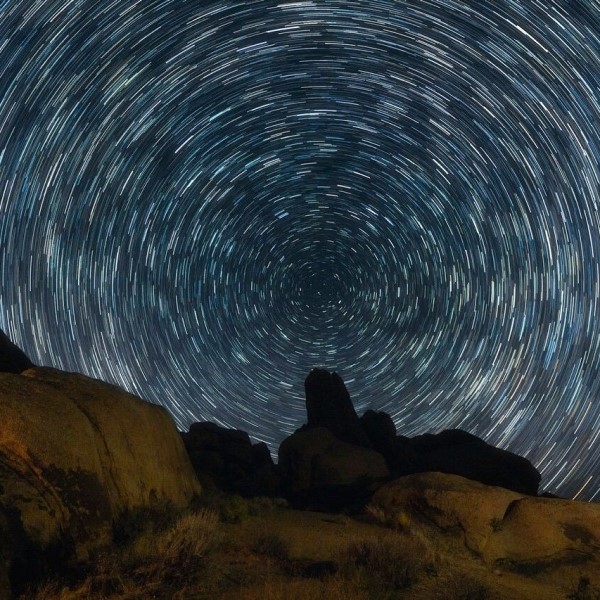
The Big Dipper might appear standing on its handle. Or it might look like it is pouring water. Despite these rotations, the pointer stars always work. They maintain their geometric relationship with Polaris. Furthermore, seasonal weather affects visibility. Summer nights can be hazy. Winter nights are crisp and clear. Cold air holds less moisture. Therefore, stars appear sharper in winter. However, cold temperatures can make stargazing uncomfortable. You should dress warmly if you plan to practice in winter. Understanding these seasonal patterns helps you plan your stargazing sessions. You will know exactly where to look, no matter the month.
Common Mistakes to Avoid
Beginners often make simple errors when trying to navigate by stars. One of the most common mistakes is confusing Polaris with other bright stars. For instance, some people mistake Jupiter or Venus for the North Star. Planets are much brighter than Polaris. Furthermore, planets do not twinkle like stars. Polaris has a steady, calm light. Another mistake involves the Southern Hemisphere. You cannot see Polaris from south of the equator. Therefore, this guide only applies to the Northern Hemisphere. If you travel to Australia or South America, you need different stars. Additionally, people often forget to account for magnetic declination. A compass points to magnetic north, not true north. Polaris indicates true north.
This distinction is minor for casual hikers. However, it matters for long-distance navigation. Another error is relying on just one star. Always confirm your finding. Check the Big Dipper and Cassiopeia. If they align with your target, you have found Polaris. By avoiding these pitfalls, you will become a more confident navigator. Always double-check your observations before setting a course.
Practical Applications for Hikers and Campers
Knowing how to find north star is more than just a fun fact. It has real-world applications. Imagine you are on a hiking trip. Your GPS device runs out of battery. The trail is not clearly marked. You need to know which direction to walk. If you can find Polaris, you can orient your map. Draw a line on the ground pointing to the star. This line represents the north-south axis. Consequently, you can determine east and west. This information helps you head towards a road or a landmark. For campers, the North Star helps set up a tent.
You might want your tent door facing east to catch the sunrise. Or you might want to avoid wind from the north. By using the stars, you can position your shelter perfectly. Furthermore, it is a great educational tool. Teaching children to find Polaris instills a love for nature. It encourages them to look away from screens. It fosters a sense of adventure. These skills build confidence in the outdoors. Therefore, celestial navigation is a valuable asset for any nature enthusiast.

The Mythology Behind the Stars
The stars have fascinated humans for millennia. Consequently, they are rich with mythology. The Big Dipper and the North Star appear in many cultures. In Greek mythology, the Big Dipper represents Callisto. She was a nymph turned into a bear by Zeus. The handle of the dipper is her tail. Native American tribes also have stories. Some saw the bowl as a bear and the handle as hunters. They believed the hunters chased the bear across the sky. This explains the rotation of the constellation.
Polaris, too, has its legends. It was often seen as the star that does not move. It was a symbol of steadfastness and loyalty. Sailors would pray to the North Star for guidance. They called it the “Star of the Sea.” Learning these stories adds depth to the science. It connects us to our ancestors. They looked at the same lights in the sky. They used them to explore the unknown. When you learn how to find north star, you participate in this human history. You join a long line of explorers who navigated by the light of the cosmos.
FAQ: Answering Your Common Questions
What is the easiest way to find the North Star?
The easiest way is to use the Big Dipper. Find the two stars at the end of the “bowl.” Draw a straight line through them. This line points directly to the North Star.
How do I find my North Star?
This phrase is often used metaphorically. However, astronomically, you find it by locating Polaris. Use the Big Dipper or Cassiopeia constellations to guide your eye to its fixed position.
How to identify your North Star?
You identify it by its position. It is the only star in the northern sky that does not move. It sits at the end of the Little Dipper’s handle.
How do I find the North Star tonight?
Go to a dark location away from streetlights. Look for the Big Dipper constellation. Use the pointer stars to locate Polaris. It will be visible as long as the sky is clear.
Conclusion: Mastering the Night Sky
The ability to navigate using the stars is a timeless skill. It connects us to nature and our history. We have explored various methods in this guide. You learned about the Big Dipper and Cassiopeia. You also learned about the science behind Polaris. This knowledge provides a sense of freedom.
You no longer rely solely on digital devices. Instead, you can trust your own eyes and mind. The night sky is a vast, beautiful map. It is always available to those who know how to read it. Therefore, practice these techniques on clear nights. Teach them to your friends and family. The next time you are under the stars, look for the Big Dipper. Trace the line to Polaris. You will feel a sense of accomplishment. You will know exactly where you stand in the world. Mastering how to find north star is a journey that starts with a single look upward. Enjoy the view and happy navigating.