Introduction
Traveling is one of life’s greatest pleasures, but it can also come with its own set of challenges. From navigating crowded airports to dealing with lost luggage, having the right tools and accessories can help you enjoy your journey more. One of the most essential accessories for any traveler is a sturdy, stylish luggage tag. DIY fabric luggage tags not only add a personal touch to your travel gear but also make your luggage easily identifiable. In this comprehensive guide, you’ll discover how to make stylish DIY fabric luggage tags for your 2026 trips, ensuring that each tag reflects your unique style and preferences.
Benefits
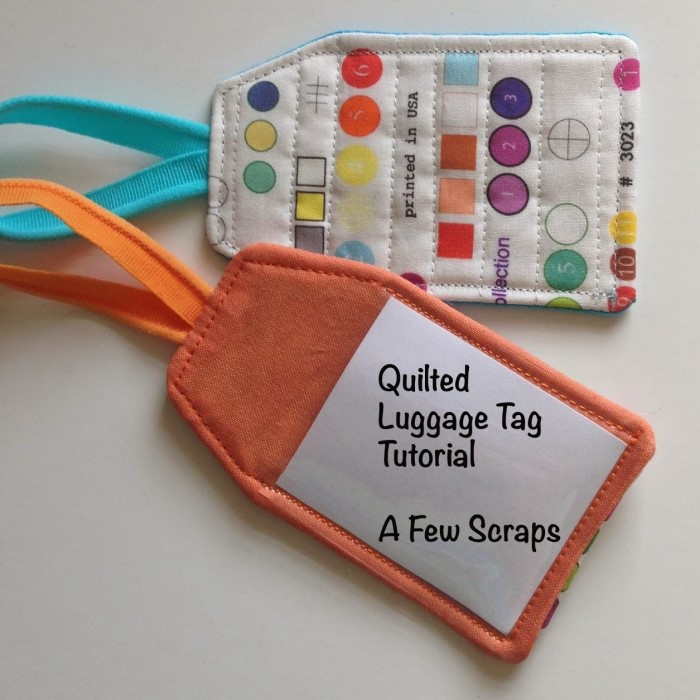
Making your own fabric luggage tags comes with several advantages. First, creating your own tags can save you money compared to buying store-bought options. Moreover, DIY projects allow you to express your creativity and personal style. There is also a sense of satisfaction that comes from crafting something yourself.
Customization is another significant benefit of making fabric luggage tags. You can choose the colors, patterns, and designs that resonate with you. Additionally, personalizing your luggage tags with your name or contact information makes it easier to identify your belongings while also providing peace of mind in case your bag gets lost.
Essential Materials
To create your stylish DIY fabric luggage tags, you’ll need a few essential materials. Here’s a list of what you’ll need:
Fabric
- Choose Durable Options: Opt for fabrics known for their strength and longevity, such as cotton, canvas, or denim. These materials will withstand daily use and travel-related wear and tear.
- Reflect Your Style: Select fabrics that resonate with your personal style. Whether you prefer bright colors, calm pastels, or intricate patterns, ensuring the fabric represents you will make your luggage tag feel special.
- Unique Patterns and Colors: Look for distinctive patterns or bold colors that stand out. Consider floral designs, geometric shapes, or vibrant hues that will make your tag easily recognizable amidst a sea of luggage.

Cardstock or Stiff Material
- Provide Structure: Using a stiff material like cardstock gives your luggage tag the necessary support, ensuring it maintains its shape and doesn’t flop or bend during travel.
- Choose Plastic or Cardboard: For added durability, consider using plastic or thick cardboard. These materials can enhance the tag’s lifespan and provide additional resistance against bending or tearing.
- Consider Waterproof Options: If you anticipate exposure to water (like rain or spills), opt for waterproof materials. This will help keep your luggage tag looking good no matter the travel conditions.
Strong Adhesive or Sewing Supplies
- Select the Right Adhesive: If you plan to glue the fabric edges together, choose a strong fabric glue that dries clear and doesn’t lose grip over time. It should also be flexible enough to handle movement without breaking.
- Prepare Sewing Supplies: If sewing, gather necessary items such as needles and thread that match your fabric. Alternatively, a sewing machine can speed up the assembly process if you have access to one.
- Consider Reinforcement: If you’re sewing, make sure to create strong stitches, especially around corners and along the edges. This will help ensure that the tag stays intact throughout your travels.
Scissors
- Use Sharp Fabric Scissors: Invest in a quality pair of sharp fabric scissors. These will allow you to cut your materials smoothly and accurately, preventing frayed edges and uneven cuts.
- Regular Maintenance: Ensure your scissors are properly maintained— keep them clean and sharpened. Dull scissors can lead to ragged cuts, which could affect the overall look of your luggage tag.
- Safety Features: If you are working with children or in shared spaces, consider scissors with safety features to reduce the risk of injury.
Ruler and Chalk or Fabric Marker
- Accurate Measurements: A ruler helps ensure that your cuts are precise. Measure the dimensions of your luggage tag carefully to create uniform shapes.
- Mark with Care: Use chalk or fabric markers to outline your cuts. Chalk is often easy to wash away or brush off, while fabric markers provide visible lines that help guide your cuts.
- Double-Check Before Cutting: Always double-check your measurements before making cuts. Taking the time to confirm accuracy will save you from potential mistakes.
Luggage Tag Attachments
- Select Durable Attachments: Choose attachments like ribbon, string, or plastic loops that are strong enough to hold your tag securely to your luggage. This will help prevent loss during travel.
- Consider Length and Style: The attachment should be the appropriate length; too short may make it difficult to attach the tag, while too long might cause it to get caught on objects.
- Personalize Your Attachments: If you want to add a bit of flair, choose attachments in colors or materials that complement your luggage tag. This added detail can enhance the overall aesthetic of your travel gear.
Step-by-Step Guide
Making a fabric luggage tag is a straightforward process. Below are the detailed steps to create stylish DIY fabric luggage tags:
Step 1: Cut the Fabric
Start by cutting your fabric into the desired shape and size. A common size for luggage tags is 4 inches by 6 inches. Use your ruler for accuracy and mark the fabric with chalk or a fabric marker before cutting.
Step 2: Prepare the Stiff Insert
Cut your cardstock or stiff material slightly smaller than the fabric so it fits inside comfortably without being too tight. This insert adds structure to your tag.
Step 3: Sew or Glue the Edges
Fold your fabric in half, right sides together, and sew or glue the edges together, leaving one end open. If you choose to sew, use a straight stitch along the sides and backstitch at the beginning and end for security.
If you prefer not to sew, you can use fabric glue to adhere the edges. Allow the fabric to dry completely before proceeding.
Step 4: Insert the Stiff Material
Once the adhesive is dry, turn the tag right side out and insert the stiff material into the pocket you created. Ensure it fits snugly to provide support.
Step 5: Personalize Your Tag
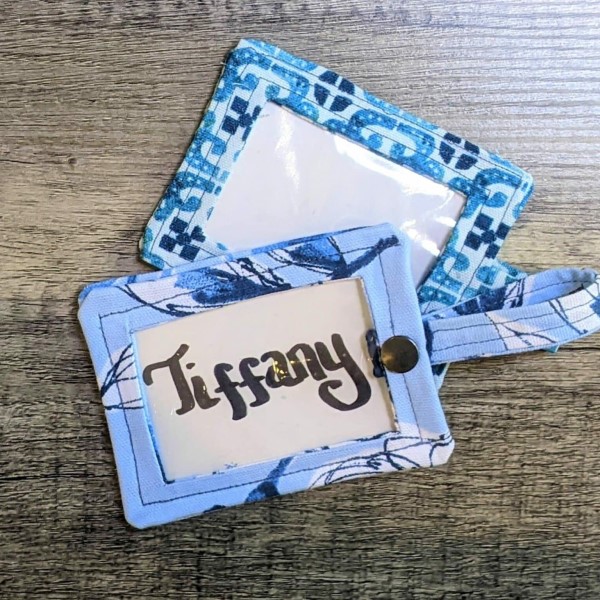
Personalization is key to making your DIY fabric luggage tags stand out. Use fabric markers to write your name, phone number, or email address directly on the tag. Alternatively, you can attach a small label or patch with your information.
Step 6: Attach the Tag
Finally, use your chosen material (ribbon, string, or plastic loop) to attach the luggage tag securely to your bag. Ensure it is tightly fastened so it won’t come off during transit.

Tips for Personalizing Fabric Luggage Tags
Personalization can significantly enhance your DIY luggage tags. Here are a few creative ideas to consider:
Use Fun Embroidery
- Stitch Your Initials: Personalize your luggage tag by embroidering your initials. This simple touch not only makes the tag unique but also helps to identify it easily among others.
- Create Simple Designs: Experiment with basic designs, such as hearts, stars, or even small icons that reflect your interests. These designs can add a charming and playful element to your luggage tag.
- Choose Thread Colors Wisely: Select thread colors that contrast well with the fabric of your tag. This will enhance visibility and make your embroidery stand out, ensuring it catches the eye.
Add Decorative Elements
- Incorporate Buttons: Use colorful or themed buttons to embellish your luggage tag. They can add texture and a fun visual appeal, giving the tag a unique character.
- Use Patches: Attach fabric patches that reflect your personality or interests. This could include patches from places you’ve visited, favorite animals, or hobbies you enjoy.
- Apply Stickers: If sewing isn’t your thing, consider using durable stickers that can withstand wear and tear. Select stickers that resonate with your personality or travel memories for a personal touch.
Color Coding
- Assign Colors to Family Members: Choose a distinct color or pattern for each family member’s luggage tags. This can simplify the process of identifying whose bag is whose at baggage claim.
- Use Different Fabrics: Consider different fabric patterns (like stripes, polka dots, or floral) for each tag as part of the color-coding strategy. This will not only help in recognition but also make the tags visually appealing.
- Incorporate Bright and Bold Colors: Opt for bright colors that stand out in a crowded airport or train station. This will ensure that your luggage is easily spotted from a distance.
Quotes or Slogans
- Select a Favorite Travel Quote: Think about quotes that inspire you or represent your travel philosophy. Write it on your luggage tag for an uplifting message every time you travel.
- Include Fun Sayings: Choose lighthearted or humorous phrases that relate to travel or adventure, such as “Adventure Awaits” or “Wander Often, Wonder Always.” This adds personality and makes your tag memorable.
- Use Decorative Fonts: When writing quotes or slogans, consider using different lettering styles or fonts to enhance the visual appeal. Hand-lettering can also add a personal touch to your design.
FAQ: Common Questions
How to make luggage tags at home easy?
Making luggage tags at home is simple. Follow basic steps such as cutting fabric, sewing or gluing edges, and personalizing with your information. Choosing straightforward designs can make the process even easier.
What is the best material for luggage tags?
The best materials for luggage tags include sturdy fabrics like cotton, denim, or canvas, alongside durable stiff materials such as cardstock or plastic. These materials ensure that the tags are long-lasting and withstand travel wear and tear.
How to personalize fabric luggage?
Personalizing fabric luggage tags can be done using fabric markers, embroidery, or attaching pre-made patches. Make sure to include essential details like your name and contact information for easy identification.
What can you use as a luggage tag?
You can use various materials to create luggage tags, such as fabric, plastic, leather, or recycled materials. For DIY projects, fabric and sturdy inserts work best.
Conclusion
Crafting DIY fabric luggage tags is a fun and rewarding project for travelers seeking to personalize their travel accessories. As outlined in this guide, creating stylish and functional luggage tags is easy and cost-effective. By following the steps provided, you can ensure your luggage is not only recognizable but also reflects your personal style. Don’t miss the chance to express your creativity while enhancing your travel gear. Jump into this DIY project and make travel more enjoyable in 2026!