Introduction
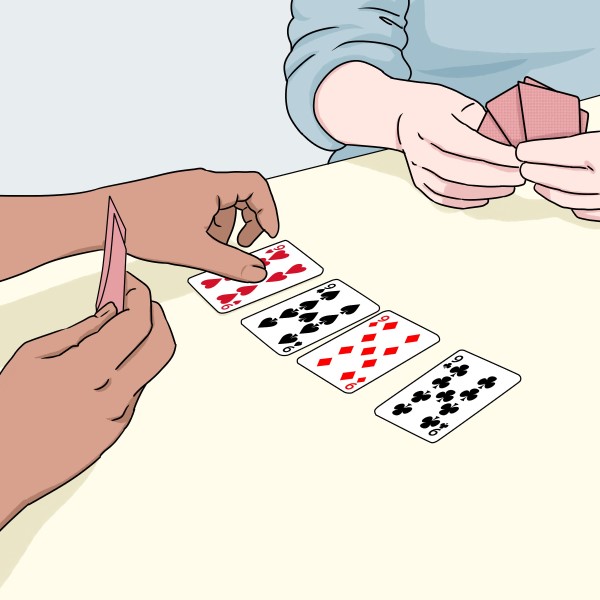
If you’re looking for a lively and entertaining card game, learning how to play bullshit should be at the top of your list. Also known as “Cheat” or “I Doubt It,” Bullshit is a popular game that combines strategy, deception, and a bit of luck. It’s excellent for parties or casual gatherings with friends, adding excitement and fun.
In this article, we will provide a comprehensive guide to playing Bullshit. You’ll learn about the objective of the game, how to set it up, the rules involved, as well as effective strategies for winning. Plus, we’ll cover frequently asked questions to address common concerns and queries. By the end of this guide, you’ll be ready to master the game and impress your friends with your skills!
Understanding the Basics of Bullshit
1. Objective of the Game
The primary goal of Bullshit is straightforward: be the first player to get rid of all your cards. Players take turns playing cards face down and must declare their rank. Other players can choose to believe them or call “Bullshit.” If a player is caught lying, they must pick up the pile of cards in the middle.
- Strategic Deception: The game revolves around bluffing, encouraging players to outsmart their opponents. Knowing when to tell the truth and when to deceive adds an exciting element to the game.
- Dynamic Gameplay: Bullshit maintains high entertainment value thanks to its fast-paced nature. With each round, players must adapt their strategies according to the card plays and the reactions of their opponents.
2. Game Setup
Before jumping into the game, you’ll need to set it up properly. Follow these simple steps:
- Gather Players: Bullshit is best played with four or more players, but you can manage with as few as three. The more players involved, the more chaotic and entertaining the game becomes.
- Deck of Cards: Use a standard 52-card deck. Remove the jokers for a smoother gameplay experience.
- Deal Cards: Shuffle the deck and deal out all the cards evenly to all players. It’s acceptable if some players have more cards than others—this often happens.
How to Play Bullshit: Step-by-Step Instructions
1. Starting the Game
- Select a First Player: How to play bullshit? Determine who starts the game. This could be the player who shuffled the cards or a random choice.
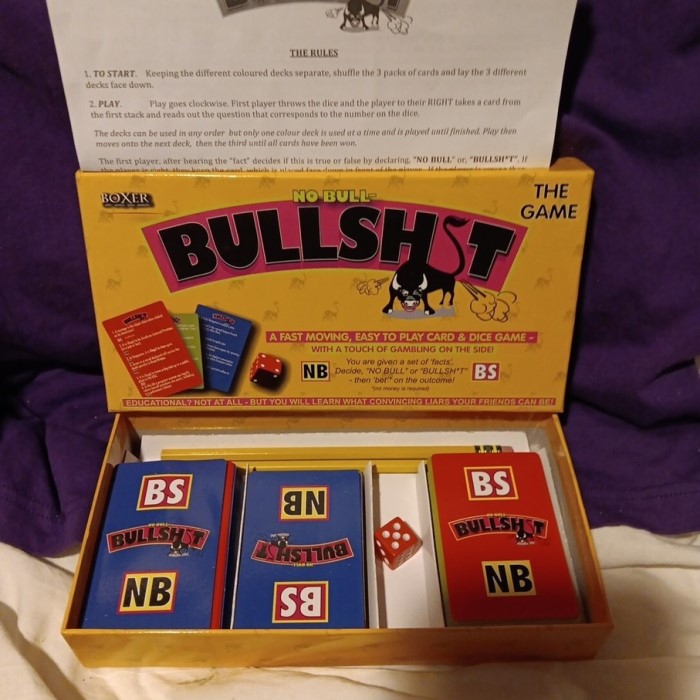
- Making Moves: The first player lays down a card (or multiple cards) face down and declares its rank. For example, “I’m playing two Kings.” The next player must then place their cards and announce their rank, continuing the flow in a clockwise manner.
- Claiming Ranks: Players can lie about the rank of the cards they play. If they lay down a Three but claim it’s a King, they are bluffing. This adds an exciting layer of strategy.
2. Calling Bullshit
- Suspicion and Challenge: If any player suspects that another is lying, they can call “Bullshit!” This prompts the accused player to turn over the card they just played.
- Consequences of a Lie: If the player was indeed bluffing, they must collect all the cards in the center of the table. This serves as a penalty for being caught in a lie.
- Truthful Claims: If the player was truthful, the challenger must take the stack of cards instead. This requirement keeps players on their toes and can shift the game quickly.

Continuing the Game
1. Taking Turns
- Continue Play: After a call, the game continues in the same order. Players should work toward laying down their cards while keeping in mind the ranks already played.
- Ending a Turn: If the player successfully plays their cards without being challenged, the game continues with the next person. This cycle repeats until someone runs out of cards.
2. Declaring a Winner
- Winning the Game: The game ends once a player no longer has any cards left. Celebrating the first player to finish can add excitement and allow for friendly banter among players.
- Optional Rounds: You can choose to play multiple rounds, keeping track of how many rounds each player wins. This extended gameplay adds a competitive edge among participants.
Strategies to Master Bullshit
1. Effective Bluffing Techniques
- Confidence is Key: When you declare your card’s rank, do so with confidence. The more believable your claim, the less likely you are to be challenged.
- Mix Up Your Claims: Avoid always claiming the same rank when playing cards to throw off your opponents. If you frequently declare Kings, players may catch on to your strategies.
2. Psychological Play
Reading Opponents
- Understanding Body Language: Pay close attention to the body language of other players at the table. Subtle cues, like fidgeting, avoiding eye contact, or shifting in their seat, can indicate nervousness or uncertainty.
- Identifying Bluffs: A player who appears tense or distracted might be trying to bluff their way through a hand. Recognizing this tension can give you an edge, allowing you to make more informed decisions about whether to call or raise.
- Trusting Your Instincts: Your gut feelings play an important role in reading opponents. If something feels off about a player’s demeanor or actions, it’s essential to trust that instinct and evaluate the situation accordingly.
- Vocal Cues: In addition to visual body language, listen to how your opponents speak. Changes in tone or speech patterns can provide insights into their confidence or uncertainty, which can be vital in determining their true intentions.
- Facial Expressions: Observing facial expressions can be quite telling. A quick smile, frown, or open mouth during significant moments may reveal a player’s hidden emotions and intentions, aiding your strategic decisions.

Observing Patterns
- Identifying Gameplay Patterns: Players often have distinct styles and habits they develop over time. By closely watching your opponents, you can begin to identify these patterns, whether they tend to bluff frequently or play conservatively.
- Exploiting Weaknesses: Once you’ve identified a player’s tendencies, you can exploit their weaknesses. For example, if a player always raises after certain community cards come out, you can prepare to challenge them more aggressively when you hold a strong hand.
- Recognizing Reactions: Pay attention to how players react to wins and losses. A player who celebrates aggressively after a big win might become overconfident, while one who reacts negatively after a loss may tighten up their game, revealing their vulnerability.
- Adjusting Your Strategy: As you notice consistent behaviors from your opponents, adapt your strategy accordingly. For instance, if a player frequently folds to pressure, increase your aggression with bluffs to capitalize on their hesitation.
- Watching Betting Patterns: The way players bet can reveal much about their hands. If a player consistently bets high on strong hands but sits quietly with weaker cards, you can leverage this knowledge to make strategic plays that challenge their claims effectively.
Tips for Enjoying the Game
1. Keep It Fun
- Foster a Friendly Atmosphere: How to play bullshit? Maintain a playful attitude during the game. Laughter and enjoyment should always take precedence over competitiveness.
- Lighthearted Competition: Encourage fun banter as players try to outsmart each other. This playful interaction makes the game more enjoyable for everyone involved.
2. Customize the Rules
- Adapt the Gameplay: Feel free to modify the rules to fit your group’s preferences. Introducing twists, such as different winning conditions or playing with house rules, can add variety.
- Try New Variations: Explore alternate versions or themes of the game, creating scenarios based on holidays or unique occasions to keep things fresh and exciting.
Frequently Asked Questions
What are the rules to BS?
The basic rules of BS involve players playing cards face down while announcing their rank. Players can bluff about the card they’re playing, and opponents have the option to challenge this claim. If a player is caught lying, they must pick up the discard pile.
Is BS a game of luck or skill?
Bullshit combines both luck and skill. The luck factor comes from the cards you draw, while bluffing successfully and reading your opponents relies on strategic skill. Mastering these facets will improve your overall gameplay.
How many cards does each player in BS get?
Each player is dealt an equal number of cards based on the total number of participants. For a standard game, distributing around five to seven cards per player works well, though adjustments may be made as desired.
Conclusion: Enjoy Playing Bullshit!
In conclusion, learning how to play bullshit is an exciting way to engage with friends and family. This entertaining card game requires a balance of strategy, deception, and spirited interaction. With straightforward rules and engaging gameplay, it’s accessible to players of all ages.
So gather your friends, follow the guidelines laid out in this article, and prepare for an exciting game of Bullshit. Whether it’s a casual get-together or a competitive game night, Bullshit promises laughter and enjoyment for everyone involved. Let the games begin, and may the best bluffer win! With the tips and strategies outlined in this guide, you’ll not only learn how to play but also how to become a formidable opponent in the game.