Introduction
Are you looking for a fun and engaging activity that can be done almost anywhere? Learning how to make a paper football is a simple and enjoyable craft for children and adults alike. In just a few minutes, you can create your very own paper football using minimal materials. Not only is this project quick, but it also provides an opportunity for creativity. Whether you want to engage in a friendly game with family or impress your friends, a paper football is an excellent creation to start with.
In this article, we’ll cover everything you need to know about making your own paper football. From the materials required to step-by-step instructions, you’ll be ready to kick off your fun in no time. Plus, we’ll share some additional tips and FAQs to make the process even smoother. So, grab your materials and let’s dive into the crafty fun of folding and rolling!
Materials Needed
1. Basic Supplies
Before we get started with the crafting process, you need to gather some essential materials. Here’s what you’ll need:
- Paper: You can use any paper such as printer paper, construction paper, or even origami paper. However, lightweight paper is preferable for easier folding and shaping.
- Scissors: These are necessary if you need to cut your paper into smaller squares. Ensure they are sharp for clean cuts.
- Ruler and Pencil: Although optional, a ruler and pencil can help you measure and mark your folds accurately.
- Tape or Glue (optional): If you want to secure the paper football after folding, tape or glue can be beneficial, especially if you prefer a sturdier result.
2. Choosing the Right Paper
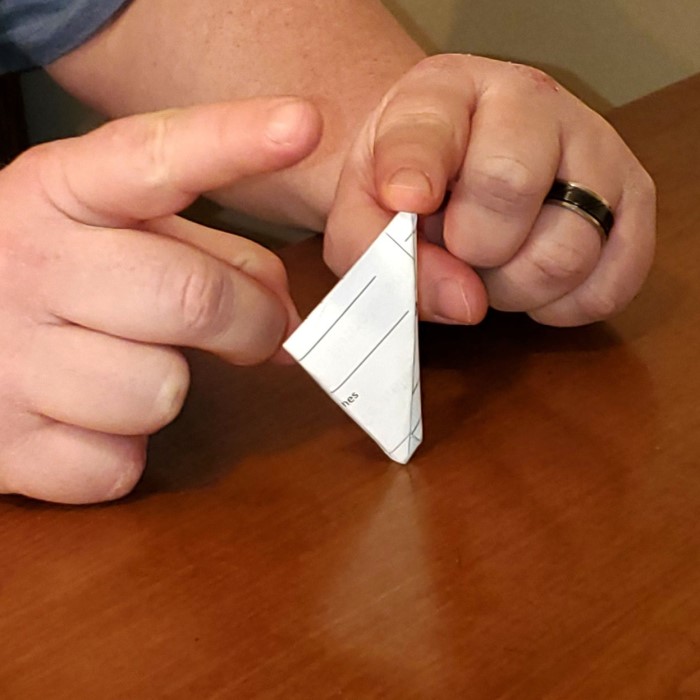
When deciding what kind of paper is best for paper footballs, remember that lighter paper is generally easier to fold and shape. Printer paper works well for beginners, while colored or patterned paper can add an aesthetic touch to your football. Experiment with various types of paper to find what you enjoy working with most.
Step-by-Step Instructions
1. Folding the Paper
How to make a paper football? To begin the crafting process, follow these steps carefully:
- Cut a Square: Start by cutting your paper into a square. A 6-inch by 6-inch square is an ideal size for making a compact paper football. Use a ruler to ensure that the dimensions are accurate and that you have even edges.
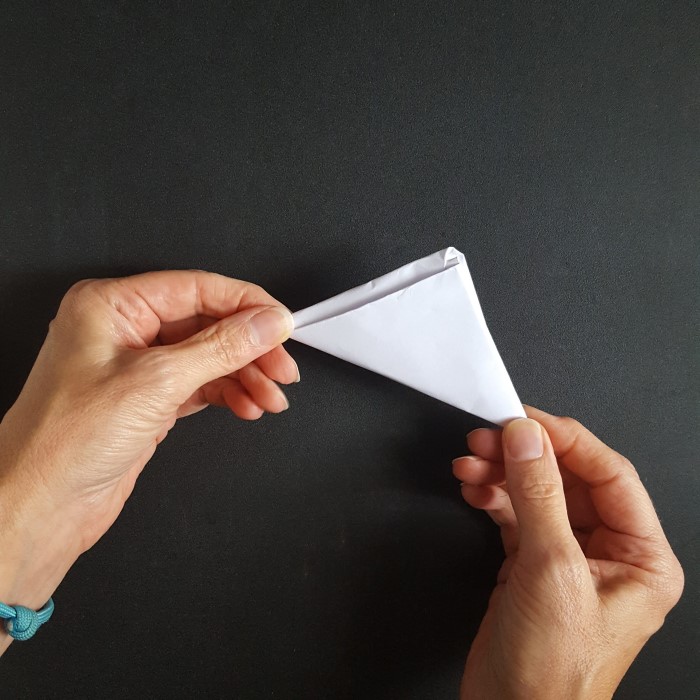
- First Fold: Take the square piece of paper and fold it diagonally in half. This creates a triangle shape. Make sure to crease the fold firmly, as this will help when shaping your football later on.
- Second Fold: Unfold the triangle; you’ll now have a crease down the center. With the triangle pointing upward, fold the top two corners down toward the bottom point. This action creates a kite-like shape.
2. Shaping the Football
Next, proceed to give your paper football its characteristic round shape:
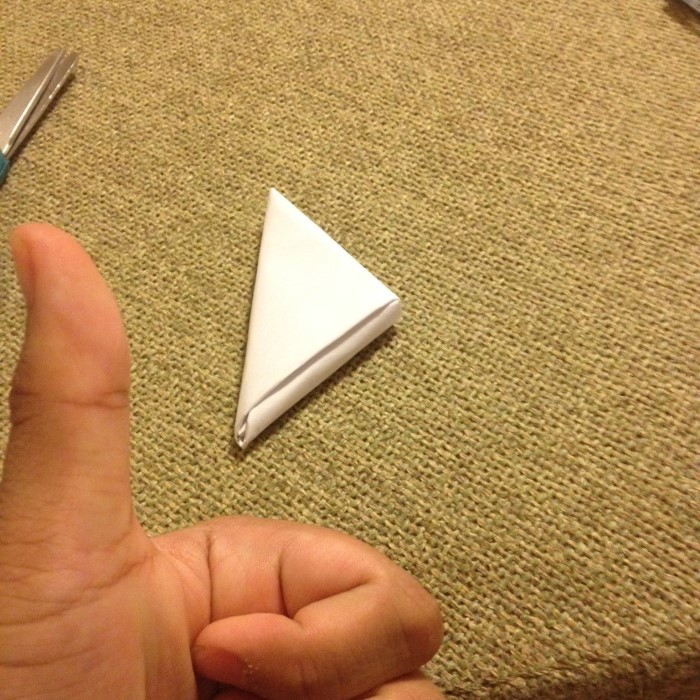
- Third Fold: Hold the kite shape upright. Now, fold the top point down to meet the bottom point again. This will form a new triangle shape.
- Rolling the Football: Starting from the pointed end at the bottom, begin rolling the paper tightly towards the opposite end. As you roll, be mindful to maintain a consistent shape throughout.
- Securing the Football: Once you’ve rolled it up completely, secure the end of the paper football using a small piece of tape or a dab of glue. This step will help it hold its shape during play and prevent it from unrolling.
Playing with Your Paper Football
1. Basic Rules and Gameplay
Now that you’ve successfully made your paper football, it’s time to have some fun! Here are a few game ideas to consider:
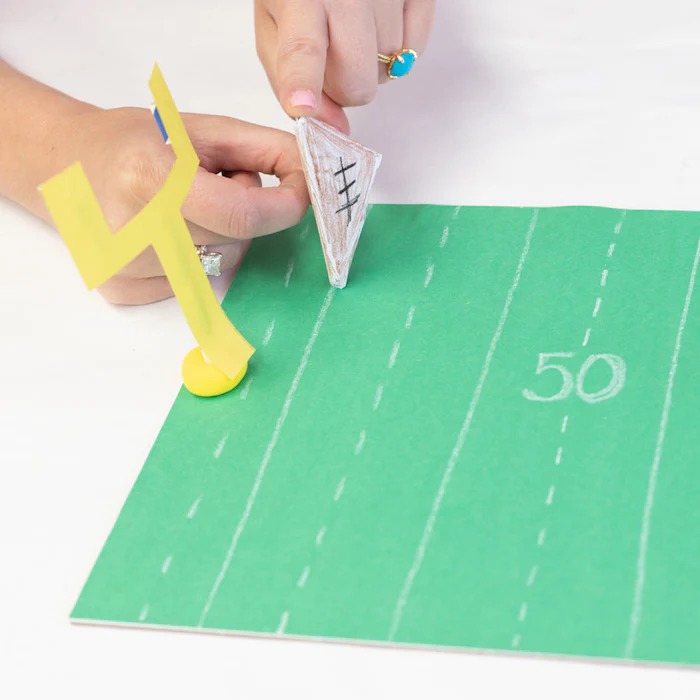
- Flick Football: One fun game involves flicking the paper football at a designated target. This can include creating a goal using your fingers or setting up obstacles that your friends need to try to navigate around.
- Toss and Target: Set up cups, snacks, or any small objects to act as targets. Players can try to toss the paper football into these targets from varying distances. Score points for each successful toss!
- Touchdown Celebrations: For added excitement, create a scoring system for different targets, with various point values assigned to each. Celebrate your scores with themed cheers or playful dance moves!
2. Variations and Challenges
Get creative with variations to elevate the fun:
- Contest for Distance: Challenge friends to see who can toss the paper football the farthest. This can introduce a competitive element to the game.
- Obstacle Course: Set up obstacles between players and targets. Add a new level of difficulty to the game and make it more exciting and engaging for everyone involved.
Advanced Techniques
1. How to Make a Chinese
How to make a paper football? Making a Chinese paper football involves a slightly different method of folding and shaping. Here’s how you can do it:
Material Choice
- Selecting Durable Paper: When creating a paper football, opting for slightly thicker paper can enhance the durability of the final product. Using materials such as origami paper not only provides sturdiness but also allows for intricate designs due to its improved structural integrity.
- Benefits of Thicker Paper: Thicker paper helps maintain the shape of the football during play, preventing it from flattening out too easily. This durability leads to a more satisfying experience when tossing or flicking the football, ensuring it holds up during gameplay.
- Exploring Different Types of Paper: While origami paper is a great choice, don’t hesitate to experiment with other options. Cardstock or construction paper can also work well, as they provide the necessary strength while allowing for creativity in colors and patterns. Choosing unique designs can add visual appeal to your paper football.
Folding Technique
- Starting with the Right Shape: Begin your paper football by cutting a rectangular piece of paper. The exact dimensions can vary based on your preference, but a good starting point is a rectangle measuring 6 inches by 4 inches. This shape allows for more intricate folds compared to a simple square.
- Incorporating Unique Techniques: When folding, incorporate specific methods unique to Chinese paper crafting. Techniques such as valley folds, mountain folds, and reverse folds can enhance the complexity of the design, leading to a more aesthetically pleasing football shape.
- Creating Intricate Details: Focus on perfecting your folds to ensure crisp lines and clean corners. These details are crucial in forming the football’s overall shape. Mastering these techniques can elevate your final product from a simple craft to a beautifully crafted piece of art.
Customization
- Adding Personal Flair: Once your paper football is shaped, consider decorating it with drawings or symbols. This step allows for a personal touch, making your football unique and reflective of your style. You can use markers, colored pencils, or stickers to embellish your creation.
- Cultural Symbols and Themes: Feel free to incorporate cultural themes that resonate with you. For example, drawing traditional motifs, flags, or iconic symbols can enrich the design and add meaning to your football. This personalization turns your craft into a representation of your heritage or interests.
- Using Bling and Accessories: Consider adding shiny elements, such as glitter or washi tape, to further enhance your decoration. These embellishments can create a visually striking football that stands out during gameplay or display while showcasing your creative skills.
Frequently Asked Questions
How to make a paper football easy?
The easiest way to make a paper football is to follow simple folding steps using lightweight paper. When you use lighter material, the process is uncomplicated, and you can enjoy crafting quickly.
How to make a Chinese paper football?
To create a Chinese paper football, implement traditional origami techniques. Following diagrams or tutorials that focus on Chinese folding methods will improve your results.
How to create a football at home?
Creating a football at home can involve more than just paper. Using soft materials such as fabric or foam will result in a more classic look, although for quick crafting, making a football is perfect for fun.
What kind of paper is best for paper footballs?
The best paper for making paper footballs is lightweight printer paper, as it is easy to fold while maintaining its shape. Using colored or patterned paper can also enhance the look and provide variety.
Conclusion
In conclusion, learning how to make a paper football is an enjoyable and creative project that brings people together. This simple craft can quickly lead to friendly games and light-hearted fun. With just a few simple materials and folding techniques, anyone can create a football in minutes.
So gather your supplies, follow the steps outlined in this guide, and dive into the world of paper football crafting! Whether you’re planning a fun game with friends or looking for a relaxing DIY project, the humble paper football offers endless entertainment and laughter. Now, get ready to flick, toss, and score with your newly made paper football!