Introduction: Embracing Diversity in Play
The launch of Down Syndrome Barbie marks a groundbreaking moment in the world of dolls and children’s toys. As society becomes more aware of the importance of inclusivity, Mattel has introduced a Barbie that represents children with Down syndrome. This doll is not just a toy; it symbolizes empowerment for kids of all abilities. By showcasing diversity in play, Down Syndrome Barbie helps children understand and embrace differences, fostering acceptance from a young age.
This article explores the significance of Down Syndrome Barbie, its features, and the positive impacts it aims to achieve in promoting inclusion and representation. We will also discuss how such toys empower children, enrich their lives, and contribute to a more compassionate society.
The Significance
- Representation Matters: One of the most compelling reasons for introducing Down Syndrome Barbie is the need for representation. Many children do not see themselves in mainstream toys, which can inhibit their sense of belonging. This doll offers those children a relatable figure, affirming that they are valued and included.
- Promoting Awareness: Introducing Down Syndrome Barbie helps raise awareness about Down syndrome. By normalizing conversations around disabilities, children can learn about different abilities and understand that everyone has unique strengths and challenges.
- Encouraging Empathy and Acceptance: Playing with Down Syndrome Barbie encourages children to develop empathy and acceptance. This doll provides opportunities for kids to engage in role play that involves understanding and supporting friends with different abilities.
- Inspiration for All Children: In addition to representing children with Down syndrome, this Barbie doll serves as an inspirational figure for all kids. It encourages them to celebrate diversity and embrace differences in their peers, fostering a more inclusive society.
- Cultural Shift: The introduction of dolls like Down Syndrome Barbie reflects a broader cultural shift towards acceptance and understanding of disabilities. As more companies embrace diversity in their products, they contribute to a growing movement advocating for inclusion.
Features of Down Syndrome Barbie
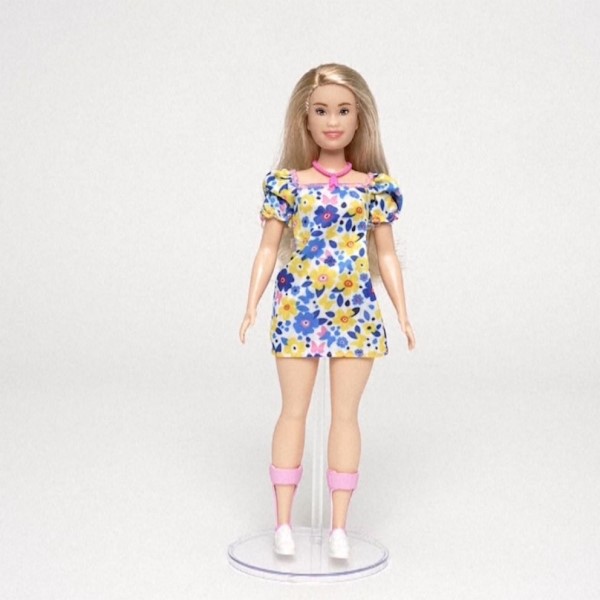
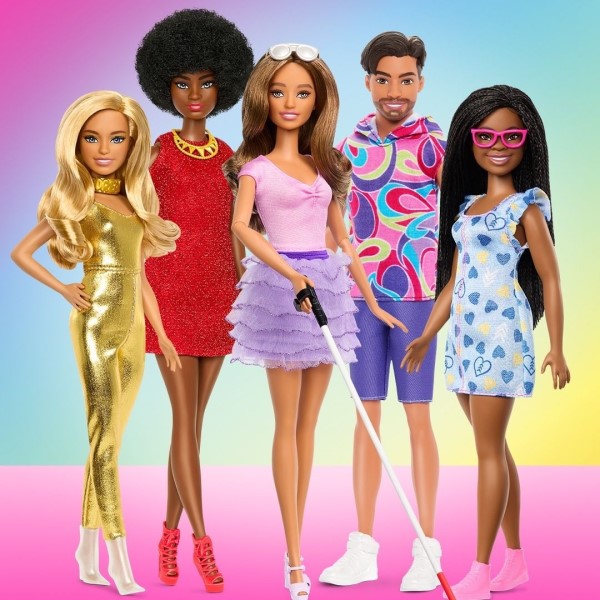
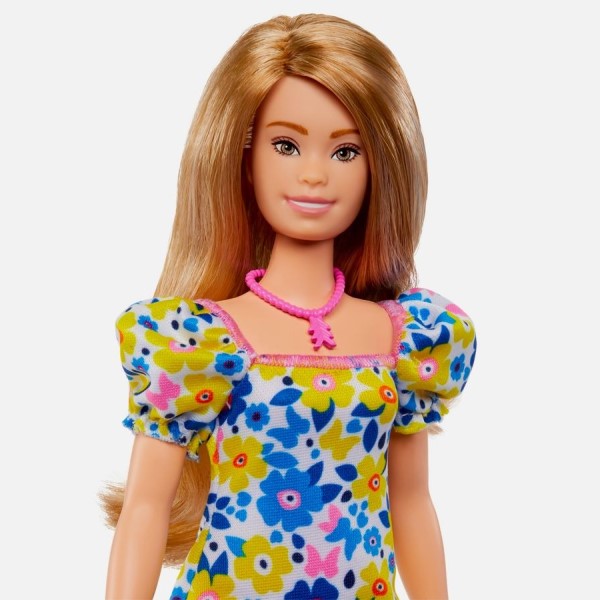
- Authentic Representation: Down Syndrome Barbie includes distinct features that are characteristic of individuals with Down syndrome, such as a unique face shape and body proportions. This attention to detail ensures that the doll accurately represents those with the condition.
- Functional Accessories: The doll comes equipped with accessories that reflect real-life experiences. For instance, Down Syndrome Barbie is often depicted wearing leg braces. These braces not only enhance her appearance but also illustrate the daily realities that some children face.
- Customizable Fashion Options: In line with Mattel’s overall approach to diversity, Down Syndrome Barbie features stylish and fashionable clothing. This helps convey the message that children with disabilities enjoy the same opportunities for self-expression through play.
- Engagement Through Play: The features and accessories that accompany Down Syndrome Barbie encourage children to engage in imaginative play. This not only stimulates their creativity but also provides enriching experiences that reflect the world around them.
- Positive Role Model: By representing diversity in a positive light, Down Syndrome Barbie serves as a role model that helps children recognize the beauty in differences. This representation is crucial for promoting self-esteem and confidence in children with disabilities.
The Impact of Inclusive Toys on Child Development
Emotional Development
- Fostering Emotional Intelligence: Playing with inclusive toys like Down Syndrome Barbie significantly contributes to the emotional development of children. These dolls provide relatable scenarios that help children explore their feelings and understand the feelings of others.
- Navigating Friendships: Through role play, children learn how to navigate the complexities of friendships. They practice empathy by considering how their dolls might feel in various situations, which helps them develop better interpersonal skills.
- Supporting Each Other: Engaging with diverse characters encourages children to support one another. Whether through imaginative scenarios where dolls face challenges or celebrate successes, children learn to be there for friends in times of need.
- Developing Compassion: When children interact with characters that have different abilities or backgrounds, they cultivate compassion. This exposure teaches them that kindness and understanding are essential components of their relationships.
Social Skills Enhancement
- Promoting Social Interaction: Engaging with dolls that represent various abilities fosters social interaction among children. These interactions can occur during cooperative play, where children share ideas and create narratives together.
- Encouraging Communication: Incorporating diverse figures into play encourages children to communicate effectively. They articulate their thoughts and feelings about the scenarios they create, enhancing their verbal skills and expressive communication.
- Collaboration Through Play: When playing with dolls like Down Syndrome Barbie, children often need to work together to develop stories and scenarios. This collaboration teaches them the importance of teamwork and respecting others’ contributions.
- Navigating Differences: Playing with diverse dolls helps children learn to navigate differences in companionship. They become more adept at accepting and valuing uniqueness, fostering relationships with peers outside their immediate social circle.
Awareness and Education
- Educational Tools: Dolls that reflect diverse abilities serve as powerful educational tools for kids and their caregivers. These toys provide a tangible way to introduce conversations about disability, diversity, and inclusion.
- Facilitating Discussions: Parents and caregivers can use inclusive dolls to discuss the importance of understanding differences. These discussions help children break down barriers and misconceptions related to disabilities.
- Promoting Empathy through Education: Byplaying with dolls that represent various experiences, children are encouraged to empathize with those who are different from themselves. This early exposure fosters a more accepting mindset in their future interactions.
- Clarifying Misconceptions: Engaging with these toys can dispel common myths and stereotypes about disabilities. Children gain a more accurate view of the world, leading them to become informed and thoughtful individuals.
Building Confidence
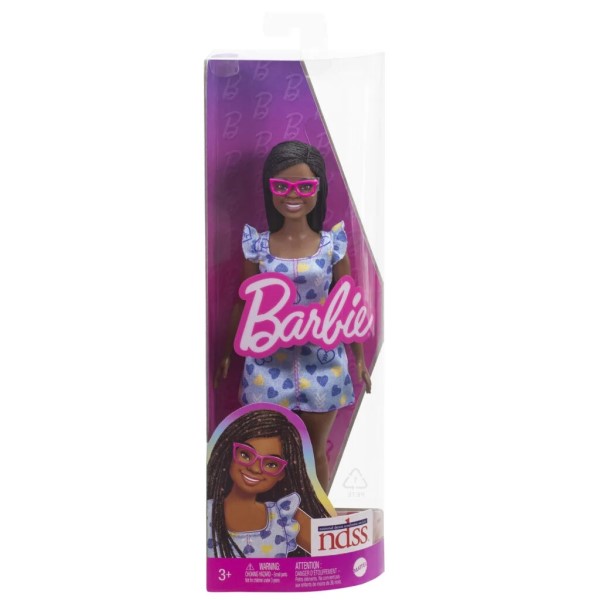
- Representation and Self-Identity: When children see themselves represented in toys, it boosts their self-esteem and reinforces their self-identity. They understand that they are valued and have a place in the world.
- Empowerment Through Recognition: Down Syndrome Barbie empowers kids to embrace who they are proudly. By recognizing that their differences contribute to the richness of life, children develop a strong sense of individuality.
- Positive Self-Image: Engaging with diverse dolls helps foster a positive self-image. Children learn to appreciate their own unique qualities, which can inspire confidence in their interactions with others.
- Encouragement of Positivity: dolls that reflect different abilities teach children to celebrate diversity. This encouragement inspires kids to express themselves and be proud of their identities.
Promoting Inclusiveness
- Learning About Inclusiveness: Through play with diverse dolls, children learn about the importance of inclusiveness. They see how embracing differences is integral to fostering a welcoming and understanding environment.
- Translating Understanding into Real Life: The lessons learned through play allow children to practice inclusiveness in their daily lives. They become more prepared to engage with peers from various backgrounds or abilities.
- Addressing Diversity: As children engage with toys that reflect diverse experiences, they are better equipped to address diversity with openness and kindness. This understanding becomes fundamental in their interactions and relationships.
- Creating Compassionate Environments: By promoting inclusiveness through play, children aid in creating compassionate environments. As they continue to grow, they carry these values into their communities, contributing positively to society as a whole.
Addressing Common Questions
Did Mattel release an autistic Barbie?
Yes, in recent years, Mattel has also introduced an autistic Barbie to cater to the needs of children on the autism spectrum. This addition underscores the company’s commitment to inclusivity and representation.
Why does Down Syndrome Barbie have leg braces?
The inclusion of leg braces represents the everyday experiences of some children with disabilities. These accessories provide visibility into the realities of those who may use mobility aids, fostering understanding and normalizing their use.
Which Barbies have disabilities?
In addition to Down Syndrome Barbie and the autistic Barbie, Mattel has introduced other dolls representing various disabilities. This includes dolls with prosthetic limbs, those using wheelchairs, and even Barbies who depict different medical conditions, all aimed at promoting inclusivity.
Conclusion: A Step Towards a More Inclusive Future
In conclusion, the introduction of Down Syndrome Barbie represents a significant step toward empowering children of all abilities. Through its thoughtful design and focus on representation, this doll plays a pivotal role in promoting a culture of acceptance and understanding. By integrating this Barbie into play, children learn valuable lessons that can shape their attitudes toward diversity, fostering empathy and kindness.
As society continues to evolve, toys like Down Syndrome Barbie will pave the way for a more inclusive future. By bridging gaps through play, we can create a world where all children feel valued, supported, and celebrated for who they are. The impact of such dolls goes beyond mere representation; it lays the groundwork for a more accepting and compassionate generation.
Through this narrative, we highlight that through thoughtful representation, we can empower the next generation to embrace differences, making the world a better place for everyone.