Introduction
Crafting with felt balls is an exciting way for children to express their creativity and develop essential skills. These small, colorful spheres made from wool or synthetic materials open the door to a world filled with imagination. They can be used for a wide range of projects, from creating decorative items for the home to crafting educational tools that promote learning through play. In this article, we will explore a variety of fun and safe DIY craft ideas involving felt balls, ensuring a memorable and enriching experience for kids. This approach not only fosters creativity but also promotes skill development in a safe environment.
What Are Felt Balls?
Understanding
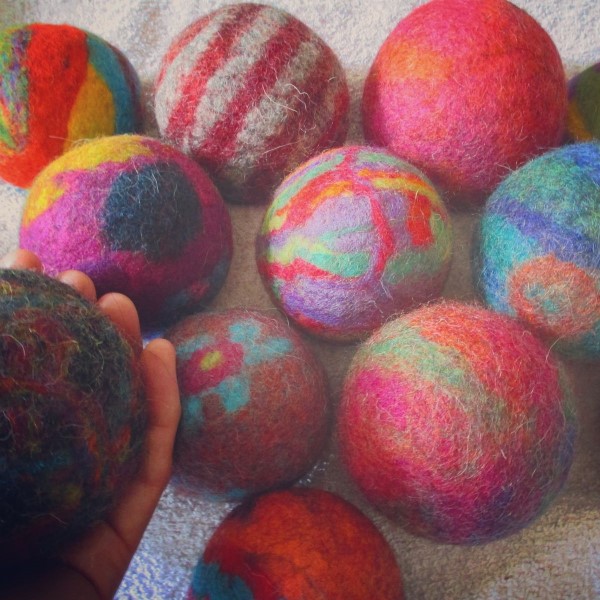
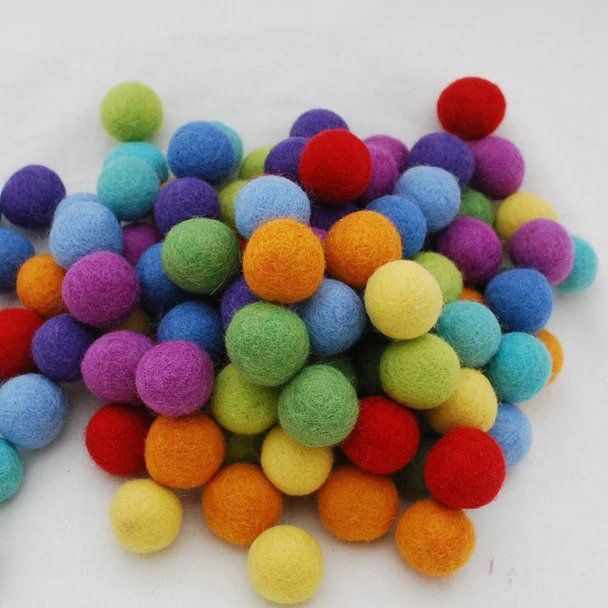
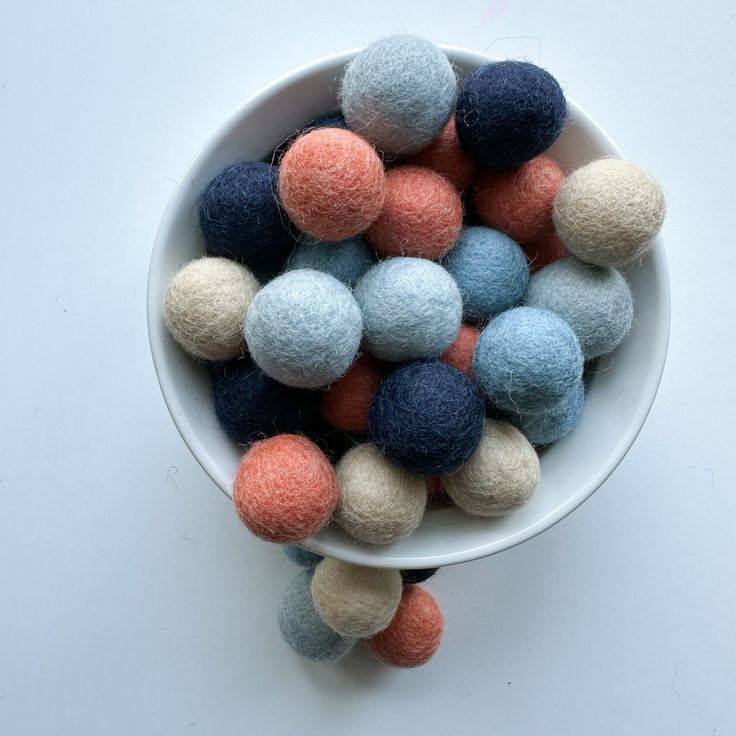
Felt balls are typically made from wool or other felted fibers that have been rolled into tight spheres. They come in various sizes and colors, making them a versatile choice for creative projects. Felted products are popular in crafts due to their softness and durability.
- Materials Used: Most felt balls are made from 100% wool or a blend that includes synthetic fibers. The choice of material affects the texture and durability of the finished product.
- Production Process: The process of creating felt balls involves felting, which means matting, condensing, and pressing fibers together with moisture and heat. This technique gives felt balls their distinct texture.
Benefits of Using
Felt balls offer numerous advantages for crafting, making them an excellent choice for children’s projects.
- Soft and Safe: Felt balls are lightweight and soft, making them safe for kids. They are less likely to cause injury compared to harder crafting materials.
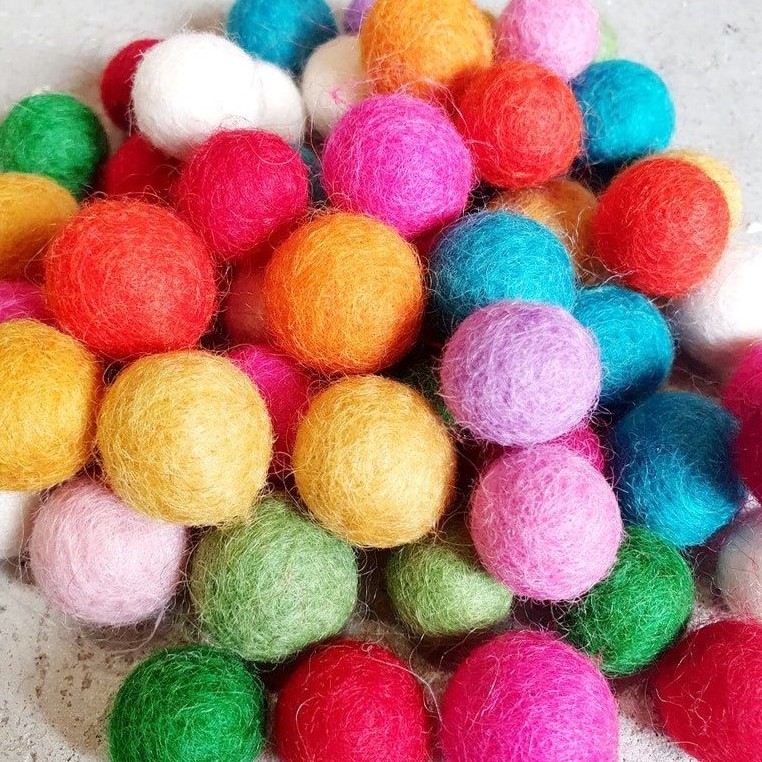
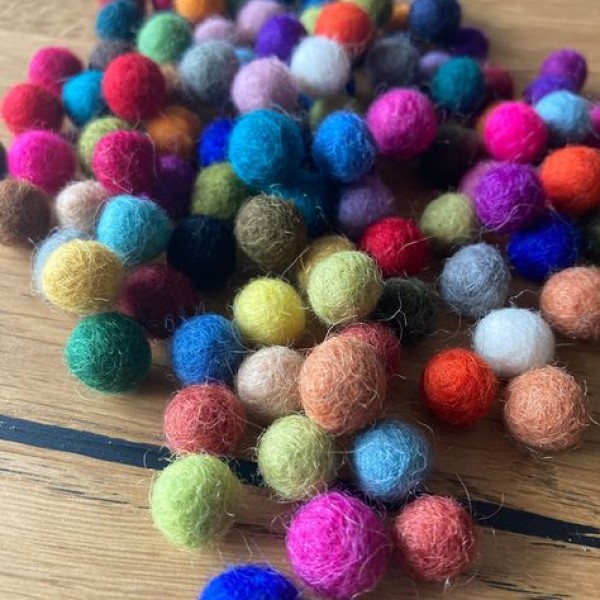
- Vivid Colors: Available in various bright colors, felt balls can inspire creativity and add excitement to any project. This encourages children to explore color theory and artistic expression.
- Versatility: Felt balls can be used for a wide range of craft projects, from creating toys to home decor items, educational games, and more.
DIY Felt Balls Projects for Kids
1. Felt Ball Garland
- Overview: A felt ball garland adds a touch of whimsy to any room while providing a fun crafting activity.
- Materials Needed: Felt balls in assorted colors, twine or string, and a needle.
- Instructions:
- Begin by threading a needle with twine or string and tie a knot at one end.
- Thread the felt balls onto the twine, leaving spaces as desired between each ball.
- Tie knots after each ball to keep them in place.
- Once all balls are strung, hang the garland in your child’s room or for a special event.
- Creativity Tip: Encourage children to choose specific color patterns or even create themed garlands, like seasonal colors (pastels for spring, warm tones for autumn), to enhance their crafting fun.
2. Felt Ball Coasters
- Overview: Children can create colorful coasters that add personality to any dining table.
- Materials Needed: Felt balls, a cork base or cardboard for coasters, fabric glue.
- Instructions:
- Lay out the felt balls on the cork or cardboard in the desired design and ensure they fit well.
- Once satisfied with the design, apply fabric glue to secure each felt ball in place.
- Allow the coasters to dry completely before using them.
- Creativity Tip: Get creative with the shapes! Kids can make heart-shaped or circular coasters and even decorate them further using paint or additional embellishments.
3. Felt Ball Educational Games
- Overview: Use felt balls to create engaging educational tools that make learning fun for kids.
- Materials Needed: Felt balls, a flat surface, a marker.
- Instructions:
- Write numbers, letters, or shapes on the felt balls using a permanent marker.
- Organize a game where children can arrange the felt balls in order, solve math problems, or create sentences with the letters.
- Adapt the game based on age – use simple shapes for younger kids and complex tasks for older children.
- Creativity Tip: Incorporate thematic lessons! For example, during holidays, create felt balls representing holiday symbols or colors, merging learning with seasonal themes.
Safety Considerations When Crafting
Choosing Safe Materials
Safety must always come first in any crafting project. Ensure that all materials used, especially felt balls, are non-toxic and child-friendly.
- Check Product Labels: Look for crafting supplies that are labeled as non-toxic, especially when purchasing in bulk. This ensures safe handling and play.
- Age Appropriateness: Be mindful of the age recommendation for each crafting product. Younger children should use securely fastened felt balls to prevent choking hazards.
Supervision and Involvement
Always supervise children during crafting activities. This not only ensures their safety but also provides an invaluable opportunity for quality bonding time.
- Encourage Participation: Engage children in the crafting process by explaining each step. This involvement builds their confidence and sense of achievement.
- Promote Open Communication: Discuss safe crafting techniques. Allow kids to ask questions and express their ideas, fostering a cooperative crafting environment.
Cleaning and Maintaining
Care Instructions
Felt balls are easy to clean and care for, ensuring they stay fresh for ongoing projects.
- Spot Cleaning: For small marks or stains, a damp cloth can effectively remove dirt. Use warm water and mild soap, if necessary.
- Hand Washing: For an overall clean, gently hand wash felt balls in cold water using a gentle detergent. Avoid twisting or wringing to maintain their shape.
- Air Drying: Let the felt balls air dry completely on a clean surface, away from direct sunlight, to prevent color fading.
Creative Benefits of Crafting
Enhancing Fine Motor Skills
Crafting with felt balls can significantly improve fine motor skills in children.
- Grasping and Manipulating: Activities like threading felt balls or adhering them to other materials enhance hand-eye coordination and dexterity.
- Coordination Activities: These skills are critical for writing, drawing, and other tasks, contributing to children’s overall development.
Encouraging Imagination and Creativity
Felt balls encourage creative thinking and artistic expression.
Exploration of Concepts
- Visualizing Ideas: Crafting allows children to take abstract ideas and translate them into tangible creations. This process encourages them to visualize what they want to make, fostering imagination and creativity.
- Understanding Design Principles: As kids engage in crafting, they naturally begin to explore basic design concepts. For instance:
- Balance: They learn how to balance various elements in their projects, whether that’s through color distribution or shape arrangements.
- Symmetry and Asymmetry: Children explore symmetry (where elements mirror each other) and asymmetry (where elements are balanced but not identical), enhancing their understanding of visual impact.
- Color Exploration: Crafting provides an excellent platform for learning about colors, including:
- Color Theory: Children experiment with color mixing, discovering how different colors can create new hues or evoke particular emotions.
- Color Harmony: They learn how certain colors work well together (color harmony) and how to choose colors that complement each other in their projects.
- Form and Structure: While crafting, children experiment with shapes and forms, enhancing their spatial awareness.
- 3D Structures: Crafting often involves creating three-dimensional objects, teaching kids about depth and volume.
- Functional Design: When crafting items meant for use (like coasters or organizers), they begin to understand the relationship between form and function.
Problem-Solving Skills
- Encountering Challenges: Creative projects inherently present challenges that require thoughtful consideration. Whether it’s figuring out how to attach items, manage colors, or adjust designs, children learn to approach these hurdles systematically.
- Critical Thinking: Crafting encourages kids to think critically about their projects. They must consider:
- Feasibility: As they plan their creations, they assess whether their ideas can logically be executed with the materials they have.
- Alternatives: When a particular approach doesn’t work, they are prompted to think of alternative methods or materials that might better achieve their goals.
- Developing Solutions: Through the problem-solving process, children learn to employ various strategies:
- Trial and Error: They may attempt several strategies before arriving at a successful solution. This builds resilience as they learn that failure is often part of the creative process.
- Collaboration and Discussion: When crafting in groups, they often discuss ideas and collaborate, learning to value different perspectives and inputs.
- Decision-Making Skills: As they work through obstacles, children make multiple decisions about their projects— decisions that require immediate and reflective thinking. This skill is vital not only in crafting but in all areas of life as they grow.
FAQ Section
Can you make your own felt balls?
Yes, you can make your own felt balls! The process involves using wool roving or yarn, rolling it into small balls, and felting it with hot, soapy water to lock the fibers together.
Is felt crafting expensive?
Felt crafting can be quite affordable. Materials like felt balls and sheets are often inexpensive and reusable for multiple crafting projects, making it a budget-friendly option.
Is felt different than wool?
Yes, felt is a textile made by matting fibers together, while wool refers specifically to the natural fibers sheared from sheep and other animals. Felt can be made using wool but can also include synthetic fibers for various applications.
Conclusion
In summary, crafting with felt balls offers wonderful opportunities for children to explore their creativity in a safe and engaging way. From adorable garlands to educational games, the potential projects are limited only by imagination. By incorporating crafting into their routine, kids not only enjoy the tangible results of their work but also cultivate skills that benefit their development. With proper safety measures and care, felt balls can lead to hours of fun and creativity. Start your felt ball adventure today, and watch as your children create beautiful works of art while learning and growing!