Introduction
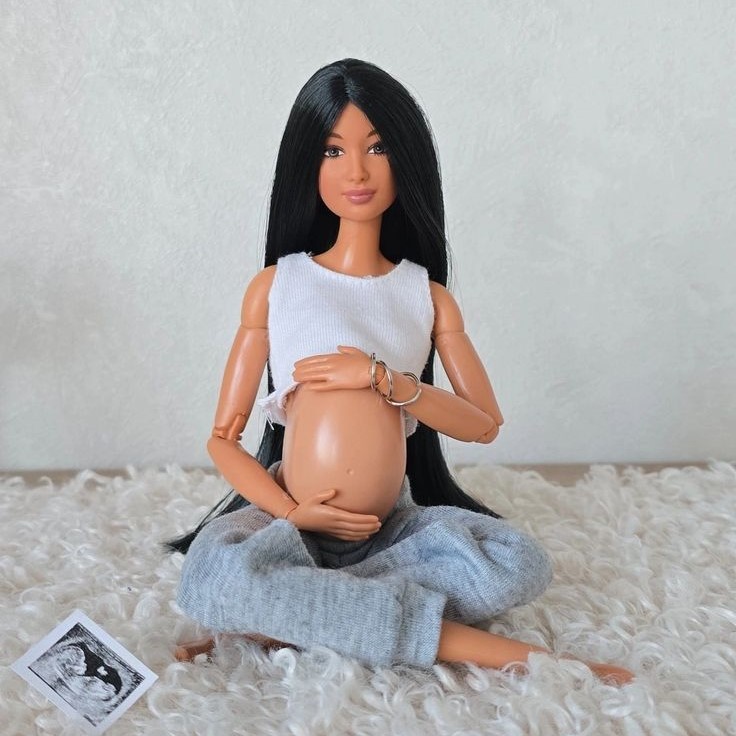
The introduction of the pregnant Barbie doll marks a significant milestone in the world of toys. Designed to inspire creativity, imagination, and an understanding of family dynamics, this doll resonates deeply with children and parents alike. The pregnant Barbie doll is a part of the iconic Barbie line, incorporating themes of motherhood, nurturing, and the diversity of experiences children encounter in the real world. In this article, we’ll explore the significance of the pregnant Barbie doll, its development, and its impact on children’s play patterns and social awareness.
The Evolution of Barbie: Expanding Roles
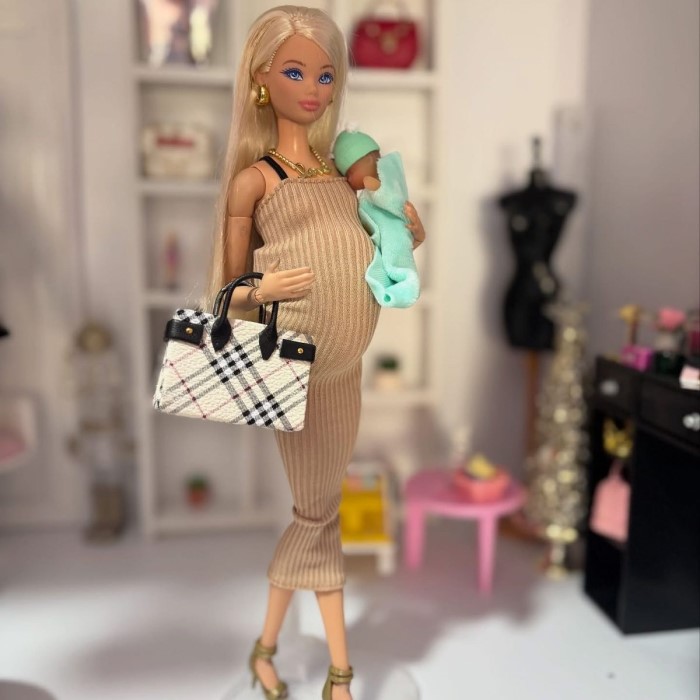
Since her debut in 1959, Barbie has evolved into a multifaceted character, reflecting the changing societal norms and values over the decades. Originally portrayed as a glamorous figure, Barbie has successfully adapted to various roles, including career-oriented professions and sports figures. The introduction of motherhood with the pregnant Barbie doll highlights Barbie’s versatility and relevance in contemporary society.
In the past, Barbie represented young women’s aspirations, encouraging them to pursue careers and interests. However, the pregnant Barbie doll recognizes that motherhood is also an essential aspect of many women’s lives. It allows children to envision a role model that encompasses various experiences, including becoming a parent. This evolution shows how Barbie reflects real-life experiences and social changes, thus broadening the appeal of the Barbie brand.
The Importance of Family Dynamics in Play
When children engage in play with dolls, they often recreate scenarios that mirror their own lives or the experiences of those in their immediate environment. This type of imaginative play is crucial for cognitive and emotional growth. As it allows for exploration of complex themes related to family, relationships, and societal roles. One particularly relevant example is the pregnant Barbie doll. Which provides a unique opportunity for children to delve into various aspects of family life.
Recreating Famili ar Scenarios:
-
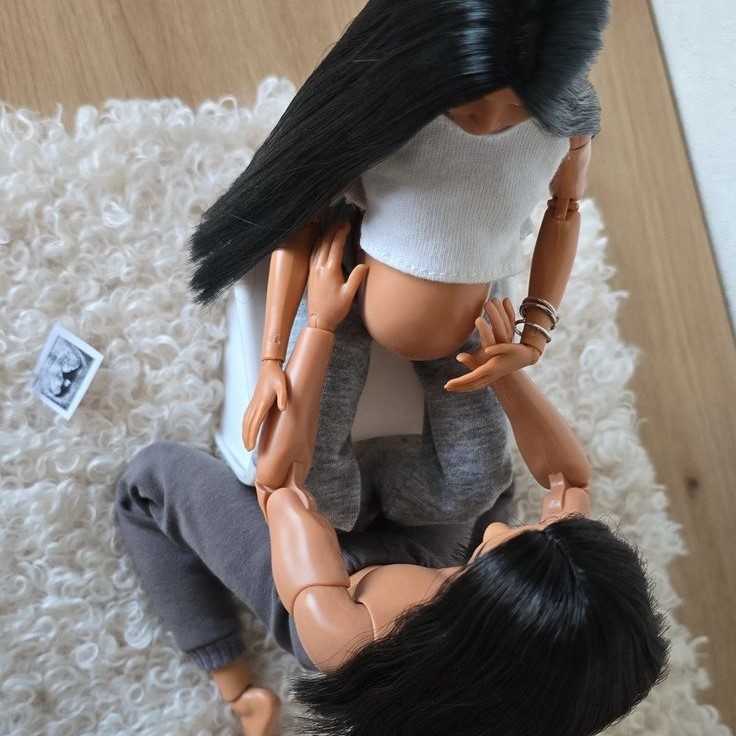
- When children play with dolls, they frequently draw from their personal experiences or observations from their surroundings. The pregnant Barbie doll serves as a catalyst for this type of imaginative play, enabling kids to enact narratives about families growing and evolving.
- This playtime becomes a space where children can express their understanding of family roles and relationships. They might simulate scenarios such as planning for a baby’s arrival, family gatherings, or caring for younger siblings. Such reenactments allow kids to practice important social skills and problem-solving.
Exploring Themes of Anticipation and Excitement:
-
- The anticipation and excitement that accompany the arrival of a new family member can be significant themes in children’s play. The pregnant Barbie doll allows children to explore these feelings in a safe and constructive manner.
- Kids may express their joy, nervousness, or curiosity regarding a new sibling through their interactions with the doll. By role-playing these emotions, children can better understand their feelings about change and anticipation within their own family context.
Understanding Family Dynamics:
-
- Engaging in role-play with the pregnant Barbie provides children with insights into the intricate dynamics of family life. They learn about the relationships between parents, siblings, and extended family members.
- Such play encourages discussions about the responsibilities that come with family roles, including caring for others and the nurturing aspects of family life. Through these interactions, children can better grasp concepts such as empathy and support within family structures.
Cognitive and Social Development:
-
- Research has shown that role-playing activities are invaluable for cognitive and social development. Engaging in imaginative play fosters creativity and critical thinking.
- Children learn to navigate social interactions, negotiate roles, and collaborate with peers during play. These skills are crucial for their overall social competence and ability to form relationships outside of playtime.
Processing Emotions and Experiences:
-
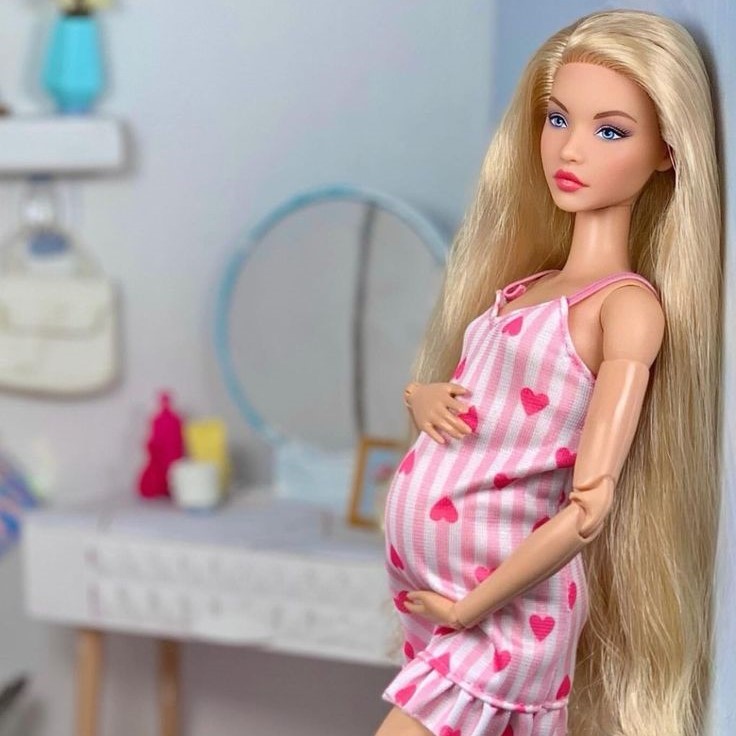
- Playing with a pregnant Barbie doll allows children to process complex emotions in a healthy way. They can reenact various scenarios that evoke feelings of joy, anxiety, and responsibility, providing an opportunity for emotional expression.
- By acting out their thoughts and concerns regarding family changes, children gain insight into their feelings and can discuss them openly. This process of reflection is important for their emotional growth.
Fostering Empathy through Interactions:
-
- By incorporating a pregnant Barbie doll into their play, children can explore emotional landscapes while fostering social skills through interactions with their peers.
- As they share their narratives and engage in cooperative play, kids learn to recognize and respond to the feelings of others. This encourages empathy, an essential skill for building strong interpersonal relationships.
Educational Tool for Life’s Complexities:
-
- The pregnant Barbie doll serves not just as a toy, but as an educational tool that engages children’s imaginations while also teaching them about life’s complexities.
- The doll becomes a way for children to navigate discussions about family planning, caregiving, and the various roles that individuals play in families. By integrating these themes into their play, children can gain a deeper understanding of the world around them.
Understanding the Cultural Context
The introduction of the pregnant Barbie doll comes at a time when discussions about diversity and inclusivity in children’s toys have gained traction. As the representation of motherhood becomes increasingly important, the pregnant Barbie stands out by showcasing a joyful aspect of family life. Through diverse dolls, children can see reflections of their realities, making it easier for them to connect with others.
Cultural factors play a crucial role in a child’s perception of family. When children possess toys that reflect real-life situations, they can discuss and comprehend more complex themes. The pregnant Barbie doll enables parents to have nuanced discussions about motherhood, pregnancy, and family life in a relatable and comforting manner.
Addressing Common Questions
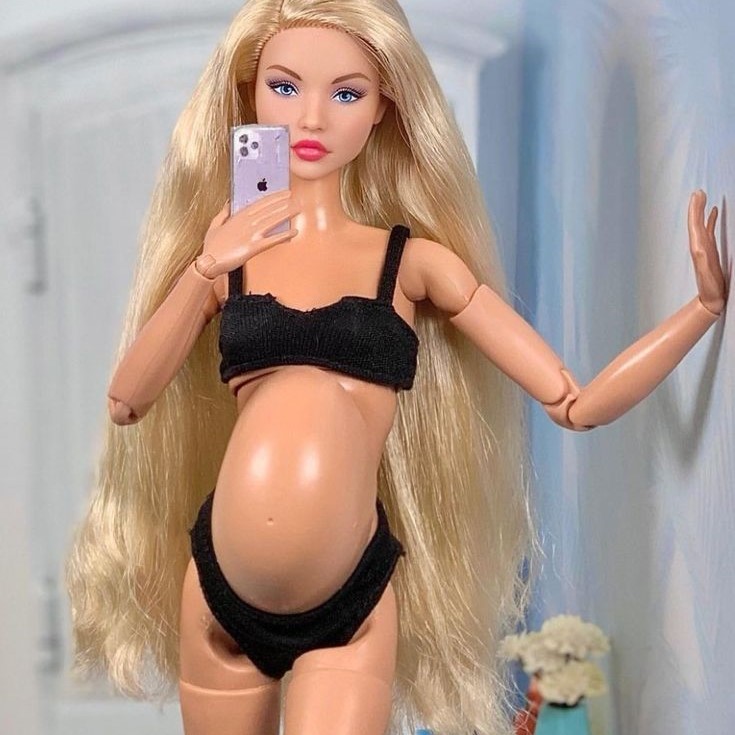
As the popularity of the pregnant Barbie doll continues to rise, several questions commonly arise among parents and collectors. Here are some frequently asked questions that provide insight into this beloved toy:
Why did they discontinue pregnant Barbie?
The decision to discontinue specific Barbie lines, including the pregnant Barbie, often springs from changing market demands and consumer interests. Some dolls may not resonate with new generations, resulting in their phase-out. However, the impact and significance of the pregnant Barbie have sparked renewed interest among parents and collectors, leading to calls for its return.
Who was the pregnant Barbie doll?
The original pregnant Barbie doll, known as “Baby Doctor Barbie,” was introduced in 2002 as part of the Barbie family collection. This doll featured Barbie as an expectant mother, effectively inspiring playful scenarios among children while promoting nurturing behavior.
Is there a Barbie doll that is pregnant?
Yes! The pregnant Barbie doll remains a beloved part of the Barbie universe. Various versions have been released over the years, showcasing Barbie in different pregnancy stages and styles, often equipped with accessories that enhance the play experience. These dolls have become a staple in many children’s toy collections, promoting creativity and imaginative play.
How many pregnant Barbies are there?
Although exact numbers may vary based on collectible editions and special releases, there have been several iterations of the pregnant Barbie doll since its inception. Each edition typically comes with unique accessories that reflect different aspects of motherhood, from prenatal care to family life.
Inspiring Imagination Through Play
To further intensify the value of the pregnant Barbie doll. It’s essential for parents to engage in playtime with their children. By actively participating in role-play scenarios, parents enrich their children’s understanding of relationships and responsibilities. This involvement enhances the parent-child bond and adds depth to the child’s experience with the doll.
Moreover, using this type of doll in playtime offers an excellent opportunity for parents to introduce discussions surrounding themes of nurturing, empathy, and family planning. Engaging in constructive conversations can help children grasp the realities of life. Making the experience with the pregnant Barbie doll more meaningful and impactful.
The Impact of Educational Dolls on Child Development
Educational toys, including dolls like the pregnant Barbie, play a vital role in child development. They serve as tools for cultivating various skills, including problem-solving, social interaction, and emotional intelligence. Engaging with a pregnant Barbie doll can inspire children to explore various scenarios involving family life.
Through imaginative play, children can navigate complex emotions, practice storytelling. And develop leadership skills as they direct the narrative. The pregnant Barbie doll provides a fun way to engage in educational activities while enhancing cognitive growth and negotiation skills through peer interactions.
Promoting Empathy and Understanding through Play
The pregnant Barbie doll also acts as a medium for teaching empathy and understanding. Children who play with the pregnant Barbie can gain insights into the experiences of expectant mothers. They can recognize the importance of compassion and support in familial relationships.
When children observe the challenges and joys of motherhood through play, they can learn how to empathize with others. This empathy-building is crucial for social skill development. By facilitating conversations around these themes, parents can better prepare their children for real-life interactions where compassion and understanding are essential.
Conclusion: Embracing Motherhood Through Play
The pregnant Barbie doll is more than just a toy; it is a powerful tool for inspiring creativity, empathy, and understanding in children. By allowing them to engage with the concept of motherhood, parents can provide valuable lessons about family dynamics and nurturing relationships.
As conversations surrounding diversity and inclusion in children’s toys grow more relevant. The pregnant Barbie doll stands as a celebrated representation of motherhood. The play scenarios that arise from this doll can enrich children’s developmental experiences. Encouraging them to embrace the world around them.
Ultimately, the pregnant Barbie doll signifies imagination, hope, and the beauty of life’s cycles—concepts that we hope will inspire generations to come. By incorporating educational themes into play, children can enjoy a well-rounded experience that fosters growth and understanding, with the pregnant Barbie doll at the heart of the adventure.