Introduction to Water Beads for Kids
Water beads for kids have made a significant impact in the realm of modern playtime experiences. They are not just vibrant and fun; they also offer developmental benefits for children of various ages. Water beads, also known as Orbeez, are gel-like spheres that absorb water and swell, providing endless hours of creative crafting and sensory play. In this article, we will explore what water beads are, the safety aspects, and the exciting activities children can engage in with them.
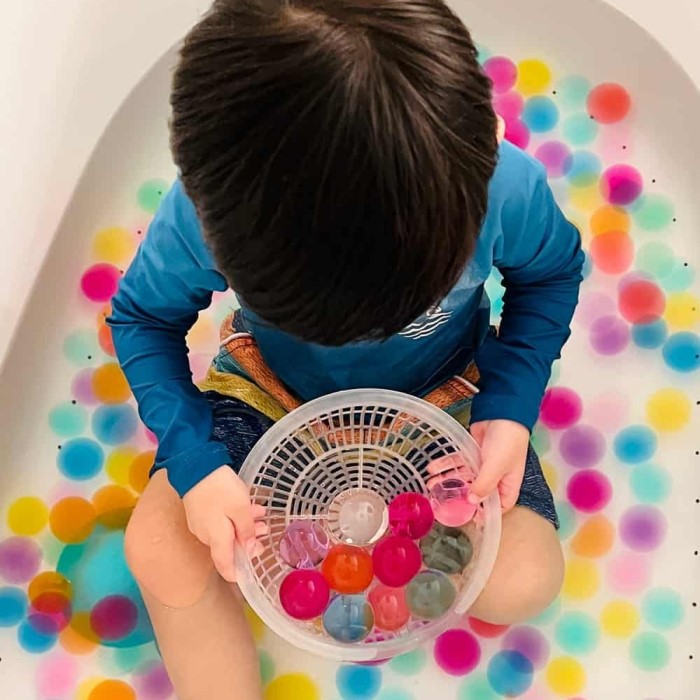
What Are Water Beads?
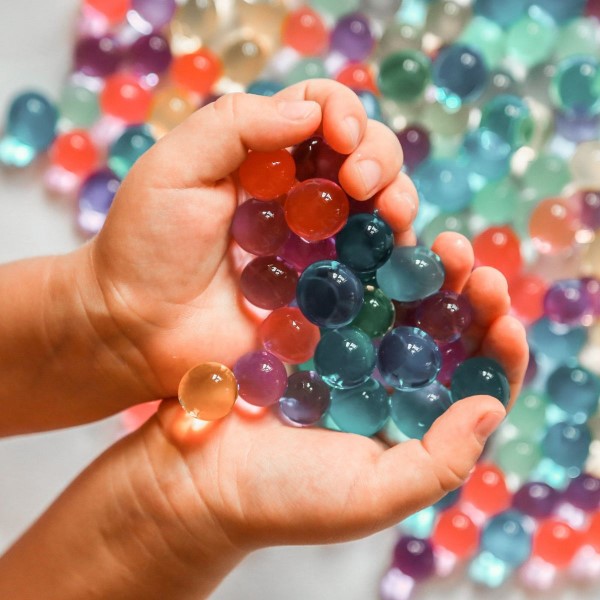
Water beads are small, colorful polymer-based beads that can expand to many times their original size when soaked in water. These environmentally-friendly beads are often used in decoration, sensory bins, and even events like weddings. For kids, the appeal lies not only in their colors but also in their unique texture and the curiosity they inspire. When kids interact with water beads, they engage their senses in ways that are essential for cognitive development.
Sensory Play and Its Importance
Engaging children in sensory play is crucial for their emotional and physical development. When kids play with water beads, they experience different textures, weights, and visual stimuli, which helps to enhance their fine motor skills. Moreover, sensory play promotes cognitive development as children learn about cause and effect when they manipulate the beads. This form of play encourages imaginative scenarios, helping children explore their creative instincts while refining their problem-solving skills.
Crafting Fun with Water Beads
Beyond simple sensory exploration, water beads can be transformed into numerous crafting activities. Here are a few fun projects kids can try:
DIY Sensory Bottles
Materials Needed:
Clear plastic bottles (empty and clean).
Water beads (these can be purchased or made at home).
Water (preferably distilled for clarity).
Various small items such as glitter, sequins, pom-poms, or beads for added visual appeal.
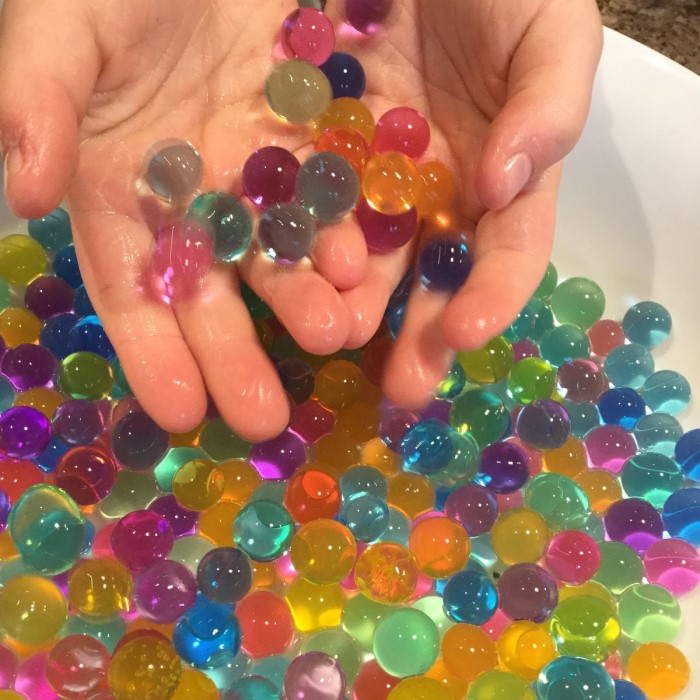
Preparation:
Start by gathering all the materials on a clean surface.
If using water beads, soak them in water as per the instructions until they expand.
Filling the Bottles:
Carefully fill each clear plastic bottle with a mixture of water and the prepared water beads.
Add a small amount of glitter or other decorative items to the bottle to create an interesting visual effect.
Leave some space at the top of the bottle to allow for shaking and movement.
Securing the Caps:
Ensure the caps are tightly secured to prevent any spills or leaks during play.
For added safety, consider using strong adhesive to seal the caps onto the bottles.
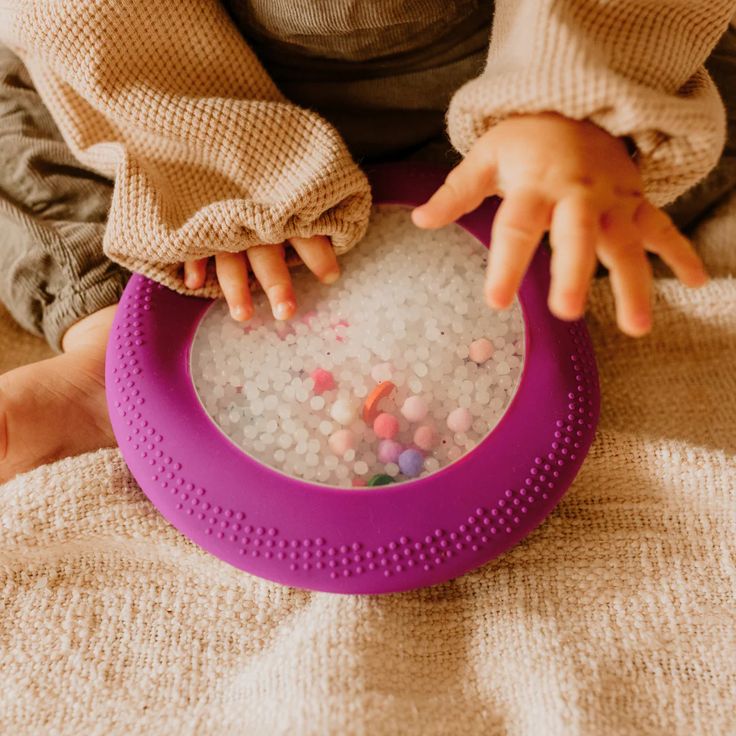
Exploring Sensory Play:
Encourage children to shake and roll the bottles, observing how the water beads for kids and other items move and interact.
Discuss the colors, textures, and sounds produced by the movement within the bottle.
Educational Benefits:
Sensory bottles can promote fine motor skills as children twist, turn, and shake them.
They also enhance visual tracking as children watch the movement of the beads and glitter.
This activity can be a calming and soothing experience, providing a sensory outlet for children.
Creative Variations:
Experiment with different themes, such as ocean or space, by incorporating themed items like small fish or stars.
Try using colored water or adding essential oils for scent to enhance the sensory experience further.
Color Mixing Activities
Kids can learn about colors by mixing different colored water beads. By placing them in clear containers and adding water, children can observe how colors blend and create new hues. This practical lesson in color theory ignites creativity and scientific exploration.
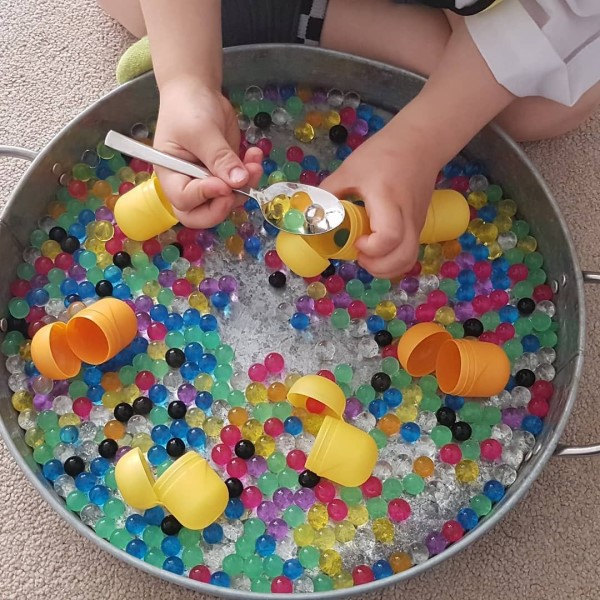
Water Bead Sculptures
Using safety scissors, kids can create sculptures by cutting the beads into different pieces after they have absorbed water. When the beads return to their original form, children can marvel at how their creations have changed. This activity enhances dexterity and inspires artistic expression.
Are Water Beads Safe for Kids?
One of the primary concerns for parents is whether water beads are safe for children, especially younger ones. Generally, water beads are safe for kids aged three and older when used correctly. However, it is crucial for caregivers to supervise play closely, particularly since the beads can pose a choking hazard if ingested.
Safety Recommendations
To ensure a safe experience when using water beads, please adhere to the following guidelines:
Supervision of Young Children
-
- Always keep a watchful eye on young children while they are playing with water beads.
- Ensure that adults or responsible teens are present to monitor playtime activities.
- Teach children about the potential hazards associated with the beads, emphasizing the importance of not putting them in their mouths.
Proper Storage of Water Beads
-
- After use, store any unused water beads in a secure, tightly-sealed container.
- Make sure that this container is placed in a location that is out of reach of young children and pets.
- Periodically check and properly dispose of any water beads that have been left out or are no longer usable.
Immediate Action in Case of Accidental Ingestion
-
- If a child or anyone accidentally swallows a water bead, do not panic, but act quickly.
- Seek medical attention immediately by calling emergency services or visiting the nearest hospital.
- Provide as much information as possible about the incident to the medical professionals, including the size and type of the swallowed bead.
Encouraging children to explore and enjoy water beads while adhering to safety recommendations ensures a fun and enriching experience.
Water Beads and Age Appropriateness
Parents often ponder the recommended age for children to start using water beads. Typically, children aged three and older are considered ready, as they can better understand the safety precautions involved. However, younger children can enjoy sensory exploration with larger, non-chokable items, so it is crucial to provide age-appropriate options for toddlers.
Engaging Variety for All Ages
Introducing Larger, Softer Water Beads for Younger Children
For children in their early stages of development, larger and softer water beads are an excellent choice.
These beads are designed to be safe and minimize the risk of choking or injury.
Their gentle texture is suitable for little hands, encouraging sensory exploration without overwhelming them.
Transitioning to Standard Water Beads Around Age Three
As children grow closer to the age of three, it’s beneficial to introduce them to standard-sized water beads.
This transition adds a new dimension to their play experience, enhancing their tactile exploration.
Standard water beads provide varied textures that can stimulate their senses and imagination.
Gradual Approach to Maintain Safety
Gradually introducing new materials helps to keep playtime safe and enjoyable for young children.
Parents and caregivers can monitor these transitions, ensuring that the children are ready for each new challenge.
This approach ensures that safety remains a priority while allowing children to explore new textures.
Encouraging Curiosity and Skill Development
This planned progression of textures not only keeps children engaged but also sparks their curiosity.
As their motor skills develop, they can manipulate the standard water beads in new ways, helping them to learn and grow.
Engaging with different materials fosters a sense of discovery, encouraging children to experiment and play creatively.
Frequently Asked Questions
What is the point of water beads?
The primary goal of water beads is to provide a dynamic sensory experience for children. They stimulate creativity, enhance motor skills, and contribute to cognitive development through inventive play.
What do kids do with water beads?
Kids engage in various activities with water beads, from sensory play to creative crafts. Common activities include making sensory bottles, color mixing experiments, and constructing sculptures, allowing children to explore different textures and colors.
Are beads safe for 3-year-olds?
Yes, water beads are generally considered safe for children three years and older. However, it’s vital to supervise play and ensure the beads are not ingested, as they can pose a choking hazard.
What is the recommended age for Orbeez?
The recommended age for Orbeez, another type of water bead, is typically three years and older. This ensures that children can safely engage with them while following safety precautions.
Conclusion
In summary, water beads for kids present a multifaceted play experience that supports imaginative play and cognitive development. From crafting activities to sensory experiences, these vibrant beads capture children’s attention while offering developmental benefits. Remember to prioritize safety by supervising play and ensuring age-appropriate options. As we look forward to 2026 and beyond, the charm of water beads continues to prove that play can be both fun and educational. Embrace the world of water beads, and watch children thrive through engaging activities!
Whether you are an educator, a parent, or just someone looking to add some fun to playtime, introducing water beads into your child’s routine could open up a world of creative adventures. Encourage exploration, and don’t forget to prioritize safety while allowing your kids to enjoy this captivating sensory experience.