Introduction
When it comes to children’s toys, few items spark as much joy as kids toy cars. These miniature vehicles provide hours of entertainment, allowing children to use their imagination while encouraging active play. From small die-cast models to larger push toys, there is a wide range of options available for every young driver. The right toy car can not only be fun but also promote hand-eye coordination, fine motor skills, and imaginative play.
In this article, we will delve into the exciting world of toy cars, discussing various types, safety considerations, and the developmental benefits they offer. By the end of this guide, you will have a comprehensive understanding of the safest and most engaging toy cars for children, ensuring a delightful playtime experience.
Types of Kids Toy Cars
Toy cars come in many types designed for different activities and ages. From ride-on cars to remote-controlled ones, each type offers unique fun and benefits. Let’s explore these toy car categories.
Ride-on Cars
Ride-on cars are a popular choice for young kids. Children can sit and steer these cars to drive them around. These cars often come powered by batteries or pushed manually. Ride-on cars help improve motor skills and coordination. They are suitable for toddlers and preschoolers.
Push Cars
Push cars are perfect for toddlers as they encourage them to move and explore. Kids can either push these cars or sit on them to ride. These toys promote physical activity and build strength and balance. Push cars are generally lightweight and easy to maneuver.
Remote-Controlled Cars
Remote-controlled cars are great for older kids who enjoy controlling vehicles. Kids use remotes to drive and navigate these cars, improving their hand-eye coordination. RC cars come in various designs like racing cars, trucks, and even stunt cars. They provide hours of interactive play.
Die-Cast Toy Cars
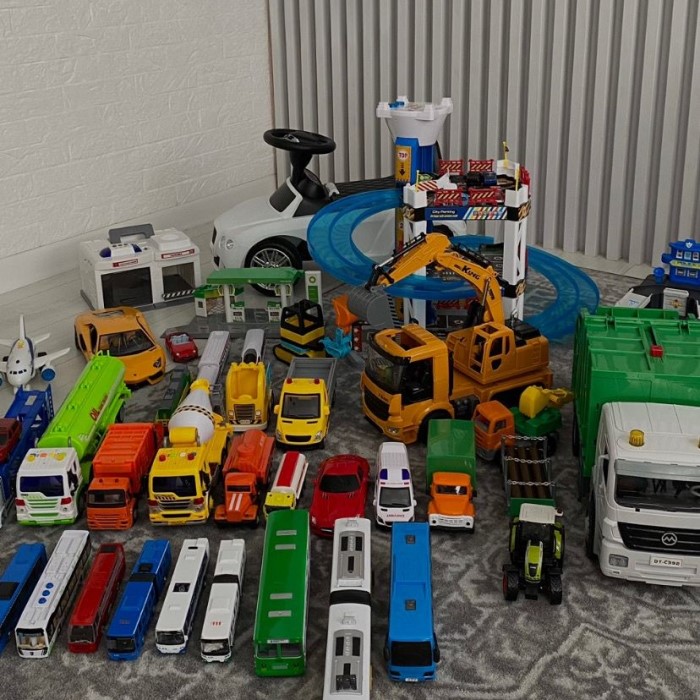
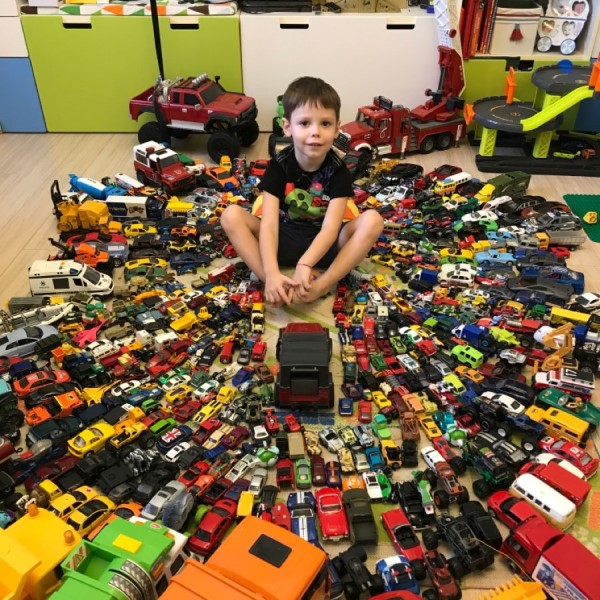
Die-cast toy cars are small, highly detailed models of real-life vehicles. Kids can collect, display, or use them for pretend play. These cars are typically made of metal and are durable. Die-cast cars are ideal for older kids who appreciate details and want to grow their collection.
Kids toy cars offer endless fun and learning opportunities. Choosing the right type ensures your child gets the most enjoyment and benefits.
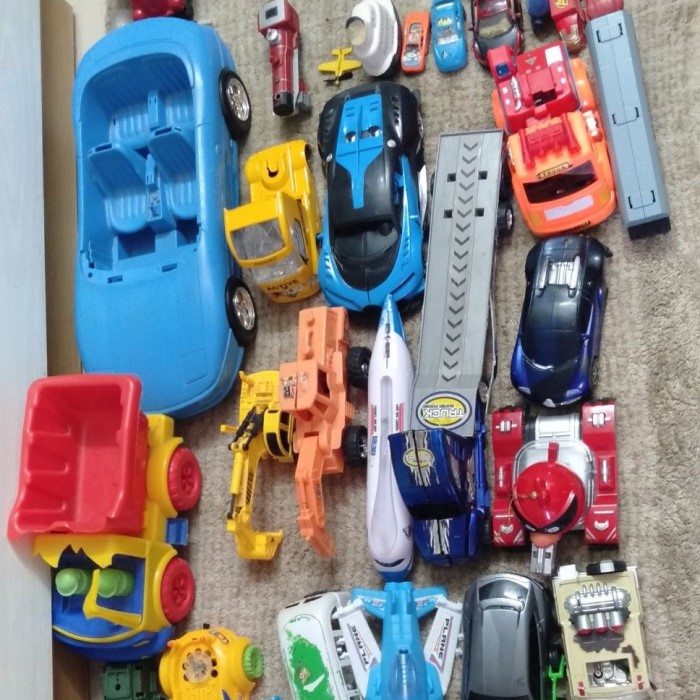
Age-Appropriate Toy Cars for Kids
Toy cars are best enjoyed when chosen according to the child’s age and abilities. Offering age-appropriate toys ensures they are safe, engaging, and developmentally beneficial. Here’s a guide for selecting toy cars for different age groups.
Toy Cars for Toddlers
For toddlers, simple and sturdy toy cars are ideal. These cars should have rounded edges and larger parts to prevent choking hazards. Push cars and ride-on cars are perfect options, as they help toddlers develop motor skills and enhance their balance. Soft, lightweight materials like plastic work best for this age group. Bright colors and fun designs make the cars more attractive for toddlers, keeping them engaged.
Toy Cars for Preschoolers
Preschoolers love cars that allow for exploration and imaginative play. Ride-on cars with more features, such as honking sounds or lights, can be great choices. Push cars that transform into walkers are also excellent for building strength. Die-cast toy cars are a good introduction to collecting and creative play for older preschoolers. Ensure these cars are sturdy to withstand frequent handling.
Toy Cars for Older Kids
Older kids typically need more advanced toy cars to challenge their skills and interests. Remote-controlled cars are a popular choice, as they help improve hand-eye coordination while providing interactive fun. Die-cast models with intricate details are perfect for kids who enjoy collecting and displaying their toys. Stunt cars and RC trucks also add a thrilling experience for this age group. Always check for durability and age recommendations when purchasing.
Choosing age-appropriate toy cars ensures that your kids have fun while exploring and learning safely.
Safety Tips When Choosing Toy Cars
Choosing safe toy cars is essential to ensuring your child’s well-being. Here are key safety tips to keep in mind.
Materials and Durability
Always choose toy cars made from non-toxic, child-safe materials. Check that they are sturdy and durable to withstand regular play. Avoid toys that easily break to prevent sharp edges or hazards. For toddlers, lightweight materials like plastic work best as they are soft and easy to handle. Ride-on and push cars should have stable designs to prevent tipping over.
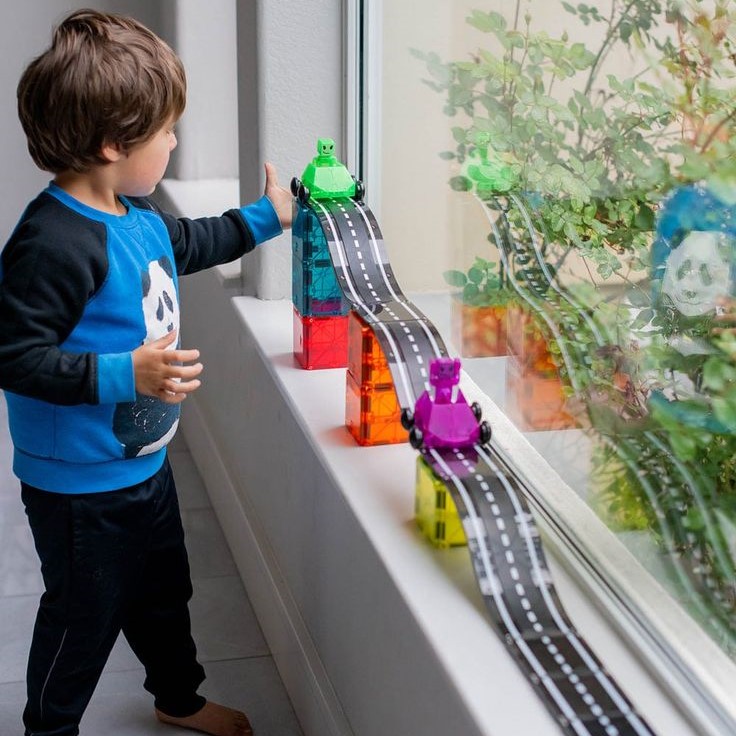
Avoiding Small Parts and Choking Hazards
Inspect toy cars for parts that are small or detachable. Choking hazards are a major concern, particularly for younger children. For toddlers, opt for designs with larger components and rounded edges. Ensure the wheels and other parts are firmly attached. Toys for preschoolers and older kids should also meet safety standards and be age-appropriate. Read age recommendations before buying.
Checking Electrical Safety (for Ride-on and RC Cars)
Battery-operated ride-on cars and RC cars should meet electrical safety standards. Check for secure battery compartments to prevent accidental exposure. Ensure wiring and circuits are well insulated and not exposed. Avoid buying from brands or sellers with unclear safety certifications. Test the cars before use to ensure they function safely. Regularly inspect electrical toy cars for wear and tear to prevent accidents.
Following these safety tips reduces risk while giving kids the chance to enjoy secure and fun playtime with their toy cars.
Benefits of Playing with Toy Cars
Toy cars are more than just a source of fun for kids. They offer several benefits that aid in a child’s development. Below, we explore how playing with toy cars helps children grow and learn.
Developing Motor Skills
Playing with toy cars helps kids build and improve motor skills. Moving cars around strengthens hand muscles and enhances coordination. Steering ride-on cars allows young children to practice balance and spatial awareness. Toddlers benefit from pushing or pulling toy cars, which helps develop gross motor skills. Handling small toy cars, such as die-cast models, improves fine motor skills and precision. Repeated use builds strength and control over movements.
Encouraging Imaginative Play
Toy cars inspire creativity and imagination in children. Kids create their own pretend scenarios, such as races or road trips. They often mimic real-life situations, like parking or traffic, during playtime. Using toy cars in combination with other toys encourages storytelling. Imaginative play helps children think critically and solve problems. It also fosters emotional growth by enabling them to express feelings and ideas.
Enhancing Social Interaction
Playtime with toy cars improves social skills when done with others. Kids can collaborate during group play, such as organizing races together. Sharing toy cars teaches kids to take turns and respect others. Role-playing with cars helps improve communication and cooperation. Interactive play builds friendships and strengthens relationships with peers. It also promotes teamwork, which is essential for later life.
Playing with toy cars supports a child’s development in multiple ways. Choose age-appropriate cars to maximize these benefits for your child.
Popular Brands for Kids Toy Cars
Kid toy cars are created by many popular brands. Each brand offers unique features and quality. Knowing about trusted brands helps you select the best toy cars for kids. Below are some of the most recognized names in the toy car industry.
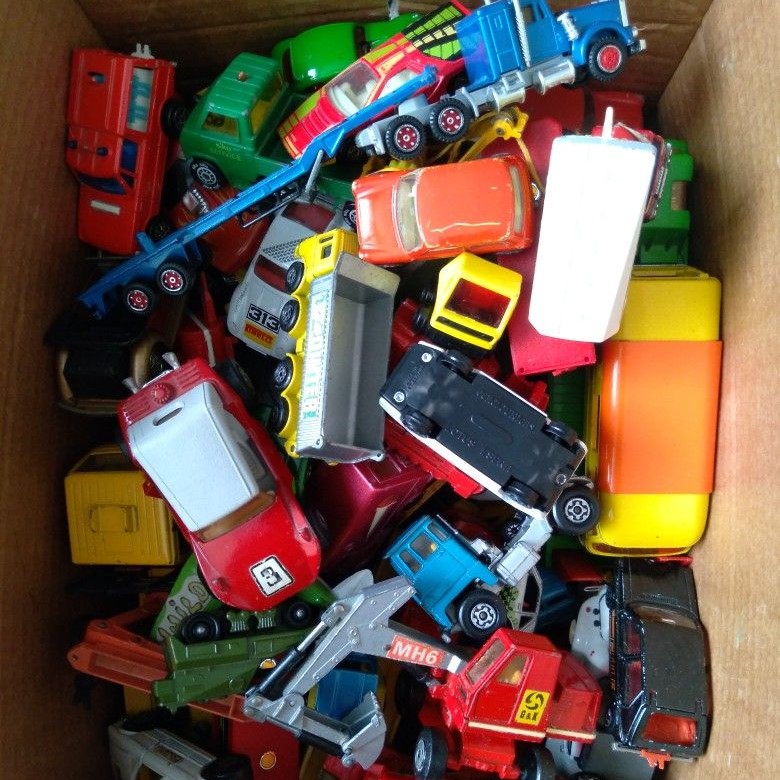
LEGO and Hot Wheels
LEGO is known for creative and buildable toy cars. These sets improve problem-solving and motor skills. LEGO cars combine fun and learning through hands-on play. Many sets include themes like race cars, city vehicles, or fantasy cars.
Hot Wheels is famous for detailed die-cast toy cars and exciting tracks. Kids love Hot Wheels for their style and durability. These cars come in various models, from sports cars to stunt vehicles. Hot Wheels tracks offer thrilling racing and imaginative play experiences.
Little Tikes and Step2
Little Tikes focuses on durable ride-on cars for toddlers and preschoolers. Their iconic Cozy Coupe is a favorite. Little Tikes cars help kids develop motor skills and enjoy outdoor activities. These cars are safe, colorful, and easy to use.
Step2 specializes in push cars and ride-on cars with fun designs. Their push cars often resemble real vehicles. Step2 products are known for their sturdy build and child-friendly features. Push cars encourage physical activity and exploration in toddlers.
Power Wheels and Peg Perego
Power Wheels creates advanced ride-on cars for older kids. These battery-powered cars offer realistic driving experiences. Many Power Wheels models resemble licensed vehicles, like Jeeps or trucks. Kids can steer, accelerate, and even play with functional features.
Peg Perego designs premium ride-on cars with advanced features. Their products include electric cars with adjustable speeds and safety measures. Many Peg Perego cars offer realistic designs and accessories, such as working radios.
Choosing from popular brands ensures quality, durability, and fun. Each brand provides unique toy cars tailored to kids’ preferences and developmental needs.
How to Maintain and Store Kids Toy Cars
Proper maintenance and storage of kids toy cars ensure they last longer and remain safe to use. By keeping these toys clean and organized, you can preserve their quality and prevent damage.
Cleaning Tips
- Wash plastic cars with soapy water: Use mild soap and warm water to clean plastic toy cars. Wipe them dry after washing to prevent water damage.
- Wipe die-cast cars with a damp cloth: Use a soft, damp cloth to clean dust and dirt. Avoid submerging them in water.
- Check for grime in small parts: Use a toothbrush to clean tight spots like wheels and corners.
- Sanitize ride-on and push cars: Wipe handles, seats, and surfaces with a child-safe disinfectant. Ensure they are free of grease or mud.
- Inspect battery compartments regularly: For ride-on cars and remote-controlled cars, clean battery areas to remove dirt. Use a dry cloth to avoid moisture contact with electrical parts.
Organizing and Storing Methods
- Use bins and shelves: Store toy cars in clear bins or on low shelves for easy access and visibility.
- Separate by size and type: Categorize cars by type: die-cast models, ride-on cars, push cars, etc., for organized storage.
- Keep toys in a dedicated space: Reserve a play area or storage room for toy cars. This minimizes clutter in the home.
- Protect electrical toy cars: Store battery-operated toys in a dry place with no direct sunlight. Remove batteries when not in use.
- Check for damages during storage: Remove broken cars to avoid hazards. Regular inspection keeps the toys safe for kids.
Maintaining and storing kids toy cars properly extends their use and ensures safe, enjoyable playtime.
Choosing the Right Toy Car for Your Kid
Choosing the perfect toy car for your kid can be challenging. Consider their preferences, interests, and the available options. Here are two key factors to help you make the best choice.
Considering Your Child?s Interests
Understanding your child?s interests ensures they enjoy their toy car. Ask yourself these questions:
- Does your child like outdoor activities or indoor play? Ride-on cars are great for outdoor fun, while remote-controlled and die-cast cars work well indoors.
- Are they active explorers or detailed collectors? Push cars encourage physical activity, and die-cast cars appeal to collectors.
- Do they prefer racing, pretend play, or hands-on building? Hot Wheels cars offer racing fun, while LEGO sets enable creative building.
- Have they shown interest in specific types of vehicles? Kids who love trucks or sports cars would enjoy similar designs.
Matching toy cars with your child?s interests ensures they stay engaged and happy.
Budget-Friendly Options
Toy cars are available in various price ranges. Here’s how you can find budget-friendly options:
- Set a clear budget: Decide on an amount before shopping.
- Look for discounts: Shop during sales events or seasonal promotions.
- Choose basic models: Standard push cars and simple die-cast cars are affordable yet fun.
- Explore smaller brands: Lesser-known brands often offer good quality for lower prices.
- Compare prices: Check multiple stores and online platforms for the best deals.
- Consider second-hand options: Used toy cars can be both cheap and durable.
Balancing value and price helps you buy safe and fun toy cars for your child without overspending.
Conclusion
In conclusion, kids toy cars provide fun and educational opportunities for children of all ages. They promote imaginative play, foster physical and cognitive development, and encourage social interactions. By understanding the various types, safety considerations, and developmental benefits of these toys, parents can make informed decisions that enhance their child’s playtime experience.
Whether your child prefers classic die-cast models or interactive ride-on cars, there are endless possibilities for creative play. So, invest in some toy cars, encourage imaginative scenarios, and watch your little ones embark on exciting adventures right from the comfort of home!