Introduction
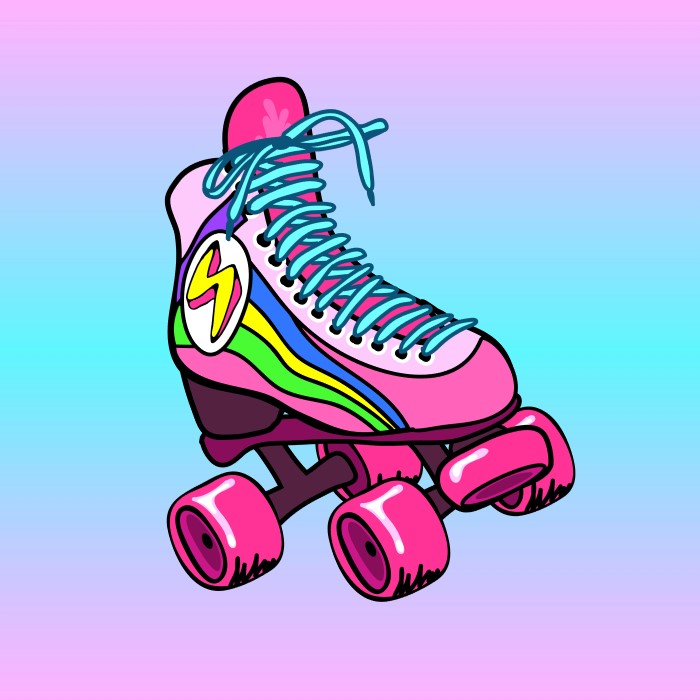
Learning to draw can be a fulfilling and creative outlet, and what better subject to start with than roller skates? Roller skate drawing is not only a fun activity but also a unique way to express your personality and style. This easy roller skate drawing guide will take you through the essential steps to create your own roller skate masterpiece. Whether you are a beginner or looking to refresh your skills, this guide will provide you with the tools and techniques needed to get started.
Materials and Tools Needed for Your Drawing
Creating a roller skate drawing requires some basic materials and tools. Having everything ready beforehand will make the process smoother and more enjoyable.
Essential Materials
- Paper: Use good quality drawing paper. It helps with smoother lines and shading.
- Pencils: Start with a sketching pencil (e.g., HB or 2B).
- Eraser: A soft eraser is ideal for making corrections.
Helpful Tools
- Ruler: Use it to draw straight lines for the skate’s structure.
- Compass: It is useful for drawing the wheels.
- Blending Tools: Cotton swabs or blending stumps help add shading and texture.
Optional Materials
- Colored Pencils: These add vibrant colors to your roller skate drawing.
- Fine Liners: Use them for outlining details after sketching.
- Markers: For bold lines and coloring, markers work well.
Using the right tools ensures precise and clean drawing results. Take your time and have fun creating!
Understanding the Basic Shapes of a Roller Skate
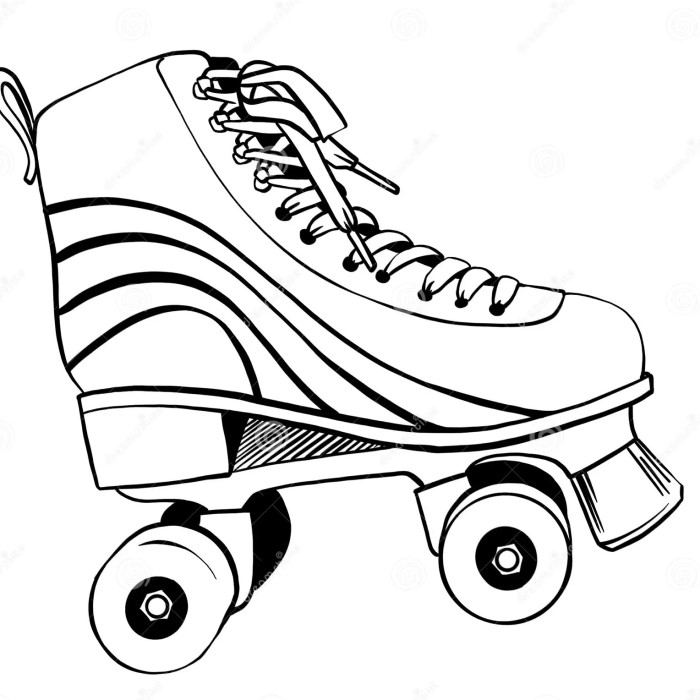
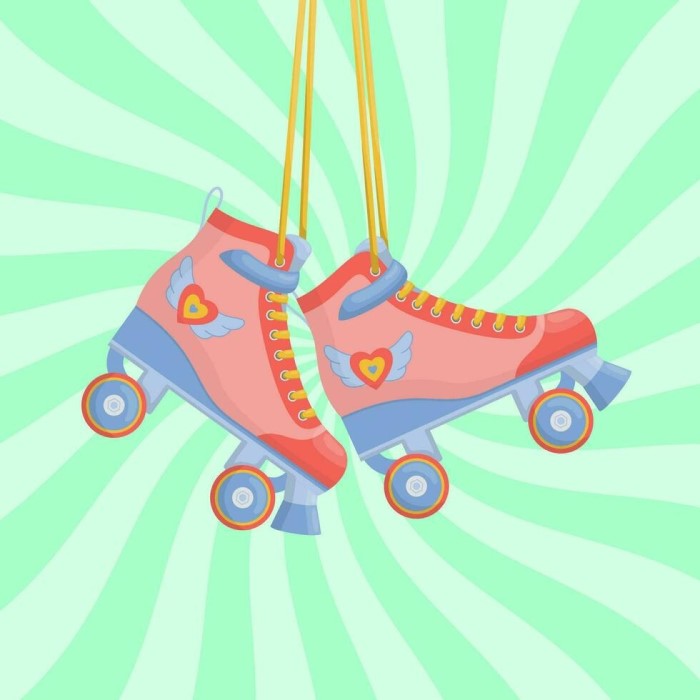
To create an accurate roller skate drawing, understanding its basic shapes is critical. Breaking it down into simple parts makes the sketching process easier and more manageable.
Key Components of a Roller Skate
Boot Shape
- Description: The boot is the most significant component of a roller skate, often taking the center stage in its design.
- Shape Details: It can be described as resembling a rounded rectangle or an elongated oval. This unique shape provides both functionality and aesthetic appeal.
- Proportions: Pay close attention to the width and height proportions of the boot. A well-proportioned shape ensures better visual balance and allows for a comfortable fit.
- Modification Techniques: To refine the shape, consider sketching multiple drafts. This practice helps you visualize the form from different angles and makes it easier to perfect the design.
Wheels
- General Shape: Wheels are conventionally round or circular, playing a crucial role in the roller skate’s mobility.
- Tools for Accuracy: For precision, you can utilize a compass to draw the wheels, ensuring they maintain a consistent shape and size.
- Freehand Drawing: Alternatively, if you’re confident in your hand-drawing skills, you can sketch the wheels freehand. Just make sure to keep your lines smooth and consistent.
- Size Variation: Wheels also come in different sizes. Experiment with wheel sizes relative to the boot to achieve the desired look and functionality of the skate.
Base Plate
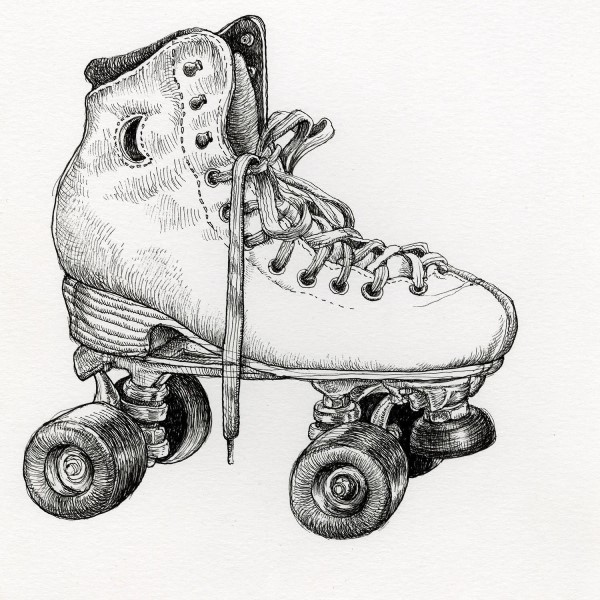
- Functionality: The base plate serves a critical role by connecting the boot to the wheels, providing the necessary support for the entire assembly.
- Shape Characteristics: It typically appears as a rectangular strip, offering a sturdy foundation that maintains the alignment of the skates.
- Placement Considerations: When drawing the base plate, ensure its size is proportional to the boot. A well-matched base plate enhances both stability and aesthetics.
Axles
- Purpose: Axles are essential components that support the wheels, allowing them to rotate smoothly and efficiently.
- Design Orientation: These components usually span horizontally across the base plate, playing a key role in the overall mechanics of the roller skate.
- Proportional Placement: As you sketch the axles, keep their placement proportional to the base plate and wheels. Proper positioning ensures that the skates function correctly and provides stability during use.
- Variations: There are different axle designs, so you may choose to explore various types for your drawing, enhancing detail and authenticity.
Combining Shapes
- Start with basic geometric shapes: rectangles, ovals, and circles.
- Arrange them in the right positions to form a roller skate framework.
- Ensure the wheels align symmetrically with the base plate and boot.
Mastering these shapes ensures your roller skate drawing looks balanced and realistic. Understanding structure first creates a strong foundation for your final artwork.
Step-by-Step Guide to Sketching a Roller Skate
Follow these simple steps to sketch a roller skate effortlessly. Breaking the process into smaller tasks keeps it manageable.
Drawing the Boot: Structure and Details
Start with the boot shape, the main part of the skate. Draw an elongated oval or rounded rectangle, depending on your design. Focus on the proportions: the height and width must match. Add curves to simulate the rounded edges of the boot.
Once the basic outline is done, include details. Sketch the sole at the base of the boot. Outline any stitching or decorative designs to create realistic features. Add a tongue inside the boot and ensure visible spaces for laces. Double-check the symmetry for balance.
Adding the Wheels and Axles
Draw the wheels using a compass or freehand circles. Place them beneath the boot, equally spaced apart. The wheels should be identical in size for accuracy. Attach them symmetrically to the base plate below the boot.
Next, sketch the axles. Draw horizontal lines that connect the wheels. Ensure the axle aligns with the base plate. Add some thickness for realism. Double-check the placement so it looks correct.
Drawing Laces and Other Fine Details
Add the laces starting near the tongue. Draw zigzag lines to imitate intertwining laces. Make sure they fit the boot holes properly. Include extra layers for realism.
Enhance the boot’s design with smaller details such as branding or patterns on its surface. Solidify the outer lines for clarity. Add any additional tiny features, like bolts connecting the wheels to the axles.
By breaking this down, you’ll have a fully sketched roller skate ready for shading and colors.
Tips for Adding Realistic Shading and Texture
Shading and texture add depth and detail to your roller skate drawing. These techniques make your artwork visually appealing and lifelike. Follow these tips to improve your shading and texture skills.
Use Proper Tools for Shading
- Use soft pencils like 2B, 4B, or 6B for smooth and dark shading.
- Blending tools, such as blending stumps or cotton swabs, help to soften your shades.
- For fine textures, a small eraser is excellent for lifting out highlights.
Grounded Shadows
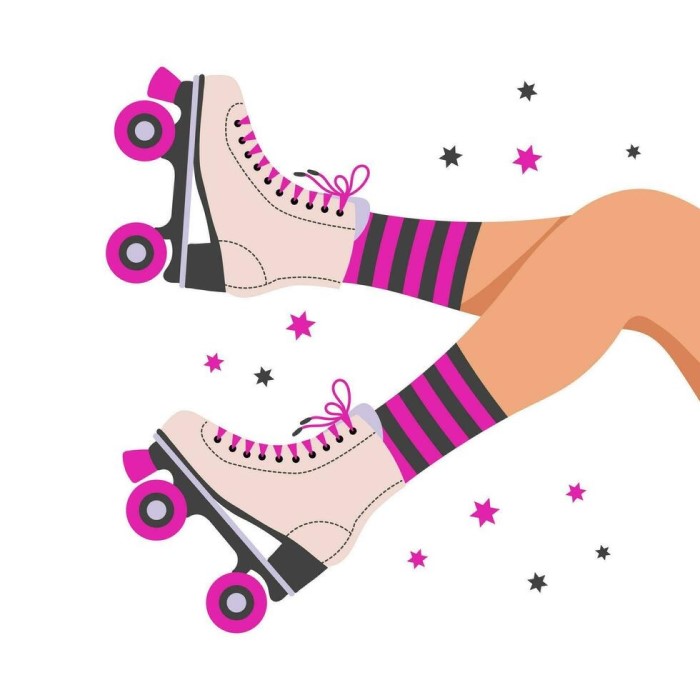
- Add shadows beneath the roller skate to ground it.
- Observe light direction to place shadows in realistic areas.
- Use light shading for soft shadows and darker strokes for stronger ones.
Texture Techniques
- Cross-Hatching: Use crisscross lines to create rough textures like fabric or stitching.
- Stippling: Apply dots for small details, like the skate’s grip or surface design.
- Gradation: Start with heavy pressure and lighten it for gradual shading effects.
Highlight Key Areas
- Leave lighter areas to mimic light reflection. These create shiny effects on your drawing.
- Use an eraser to remove pencil in highlighted areas for extra contrast.
Practice Realism
- Observe a real roller skate’s surface material (leather or plastic).
- Replicate those textures carefully, paying attention to patterns and reflections.
Shading and adding texture brings life to your roller skate drawing. Experiment and practice regularly for polished results.
Coloring Your Roller Skate Drawing
Adding colors to your roller skate drawing can make it visually stunning. It helps bring personality and charisma to your artwork. Use the suggested tips below to choose and apply vibrant colors effectively.
Selecting Your Color Palette
- Choose main colors: Decide on the primary colors for the boot and wheels. Consider bright or pastel tones.
- Complementary shades: Pair your chosen colors with shades that enhance them, creating an appealing combination.
- Theme-based palette: Select colors based on a theme, like retro, sporty, or minimalistic.
Applying Colors Effectively
- Start with light colors: Begin with lighter tones, layering gradually toward darker shades.
- Blend softly: Use blending techniques to create smooth transitions between colors.
- Outline carefully: Use fine liners or dark pencils to enhance the edges of the design.
Adding Highlights and Depth
- Create shadow effects: Use darker tones in areas that should appear recessed or in shadows.
- Highlight reflective surfaces: Apply white highlights or erase small sections for shiny effects.
- Enhance details: Add contrast to intricate parts like laces, stitching, or branding.
Tools to Enhance Coloring
- Colored pencils: Ideal for layering and shading subtle details.
- Markers: Use them for bold, uniform areas of color.
- Gel pens: Add sparkle or shine to specific areas for added flair.
Coloring elevates your roller skate drawing, making it unique and expressive. Experiment with combinations to find your style!
Common Mistakes and How to Avoid Them
Creating a roller skate drawing can sometimes lead to mistakes. Identifying and addressing these issues early helps improve your drawing.
Ignoring Proportions
- Mistake: Incorrect proportions can make the skate look unrealistic.
- Solution: Measure dimensions carefully. Always check width and height of the boot and wheels.
Misaligned Wheels
- Mistake: Wheels may appear uneven or poorly placed.
- Solution: Use a ruler to ensure symmetry. Align wheels with the base plate correctly.
Overcomplicated Details
- Mistake: Adding excessive details can create a messy appearance.
- Solution: Start simple. Gradually add intricate designs after completing the basic outline.
Poor Shading Techniques
- Mistake: Uneven shading makes the drawing lose depth.
- Solution: Practice blending. Use smooth strokes and consistent pressure.
Incorrect Color Choices
- Mistake: Colors may clash or overwhelm the drawing.
- Solution: Plan a color palette in advance. Use complementary tones for harmony.
Rushing the Process
- Mistake: Quick sketching leads to uneven lines and poor accuracy.
- Solution: Take your time. Focus on quality and precision.
Avoiding these common mistakes ensures a more polished and professional roller skate drawing. Always review your work step by step for accuracy.
Final Touches to Complete Your Artwork
To complete your roller skate drawing, focus on the finishing touches. These final steps will enhance the overall look of your artwork and bring harmony to your creation.
Refining Lines and Edges
- Clean up outlines: Use an eraser to remove any leftover sketch marks.
- Darken main lines: Trace the final lines for a bold and clean appearance.
- Add fine details: Ensure all small elements, like bolts or lace holes, are neatly drawn.
Enhancing Shading and Texture
- Reinforce shadows: Add depth by going over shaded areas with softer pencils.
- Define textures: Emphasize materials like leather or fabric with light hatching or stippling.
- Highlight key areas: Use an eraser to create areas of light reflection for a realistic touch.
Adjusting Colors
- Check color consistency: Evenly blend colors to remove streaks or patches.
- Brighten highlights: Use white pencils or gel pens to enhance shiny surfaces.
- Add contrast: Darken recessed areas for a more dynamic effect.
Evaluating the Final Artwork
Step Back
- Purpose: Taking a step back from your drawing allows you to gain a fresh perspective on your work. This is an essential part of the evaluation process.
- Distance Viewing: By looking at your drawing from a distance, you can observe the overall composition and identify any issues that may not be visible up close.
- Holistic Assessment: This technique helps you assess how the different elements of your drawing work together, ensuring a balanced and harmonious result.
Compare with Reference
- Using Reference Materials: Select a reference image or visual guide to compare against your drawing. This comparison can be invaluable in achieving accuracy.
- Shapes and Proportions: Closely examine the shapes and proportions in your drawing. Check to see if they align with the reference and make adjustments as necessary.
- Detail Accuracy: Focus on the finer details in your drawing, such as textures, lines, and shading. Make sure they match your initial vision and the reference image to enhance realism.
Fix Minor Flaws
- Identifying Imperfections: Review your drawing critically to identify any minor flaws or inconsistencies. This step is crucial for refining your work.
- Final Tweaks: Make targeted adjustments to areas that need improvement. This could involve correcting lines, enhancing shading, or altering shapes for better proportion.
- Feedback Opportunities: Consider seeking feedback from peers or fellow artists after making your tweaks. They can provide insights on any lingering issues and help you spot things you may have missed.
- Final Checks: After addressing the flaws, do a final check of your drawing. Ensure that all components look cohesive and contribute to the overall success of the piece.
Follow these steps to perfect your roller skate drawing. Polishing these small details makes a big difference!
Conclusion: Keep Practicing and Enjoy the Process
In conclusion, this Easy Roller Skate Drawing Guide serves as a fantastic starting point for beginners looking to dive into drawing. By following these steps, anyone can create a beautiful roller skate drawing. Remember that practice makes perfect, and it’s okay to make mistakes along the way. Embrace the creative process, and don’t hesitate to try new techniques or styles as you develop your skills. So grab your sketchbook, and start your artistic journey with roller skate drawing today!