Types
Chew toys come in various types, each catering to different pet needs. Choosing the right type depends on your pet’s preferences, chewing habits, and safety considerations. Below are some common types of chew toy to explore.
Rubber
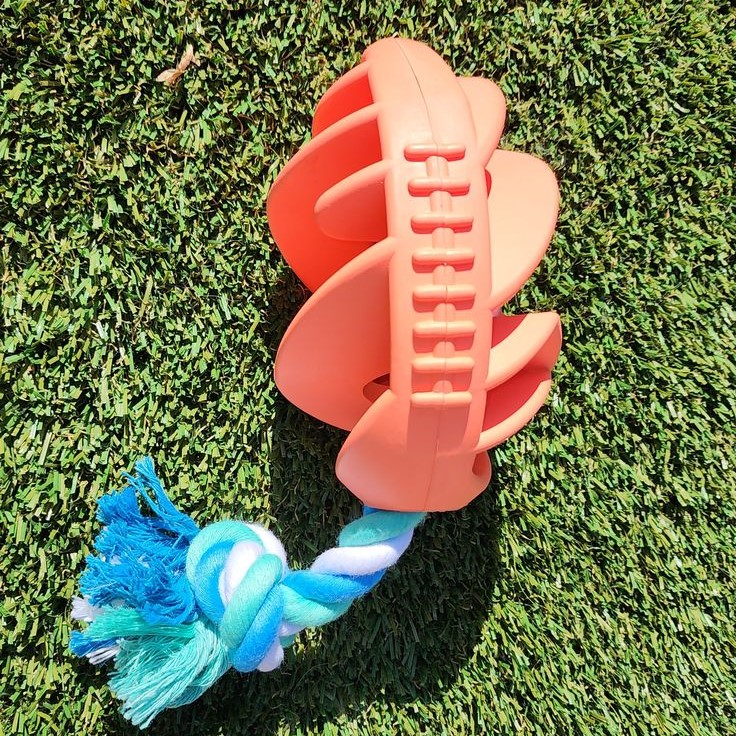
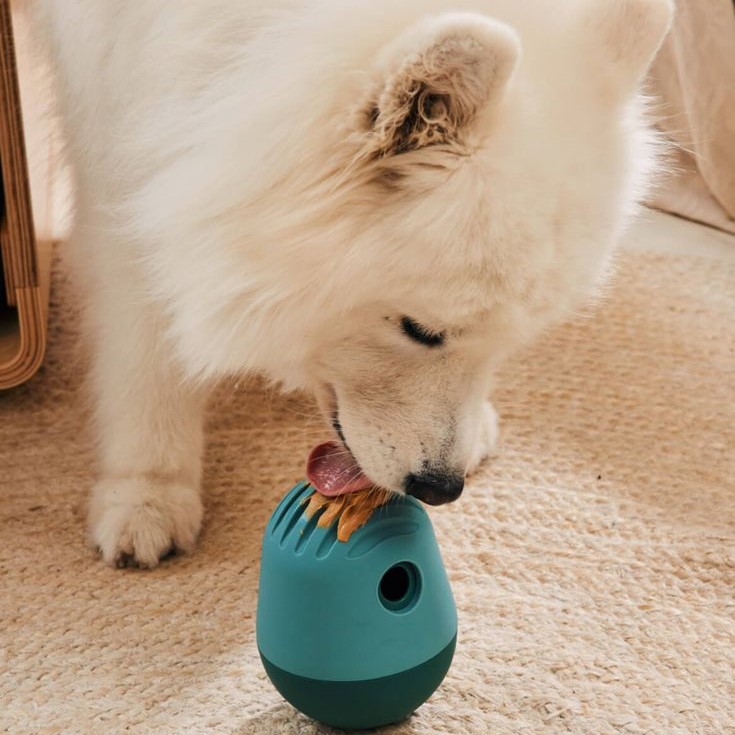
Rubber chew toys are durable and great for strong chewers. They are made from natural or synthetic rubber. Many are designed to be chew-resistant, making them a smart choice for dogs with powerful jaws. Rubber toys often feature grooves for stuffing treats, adding extra fun and engagement. These toys are also easy to clean, ensuring hygiene and long-term use.
Plush
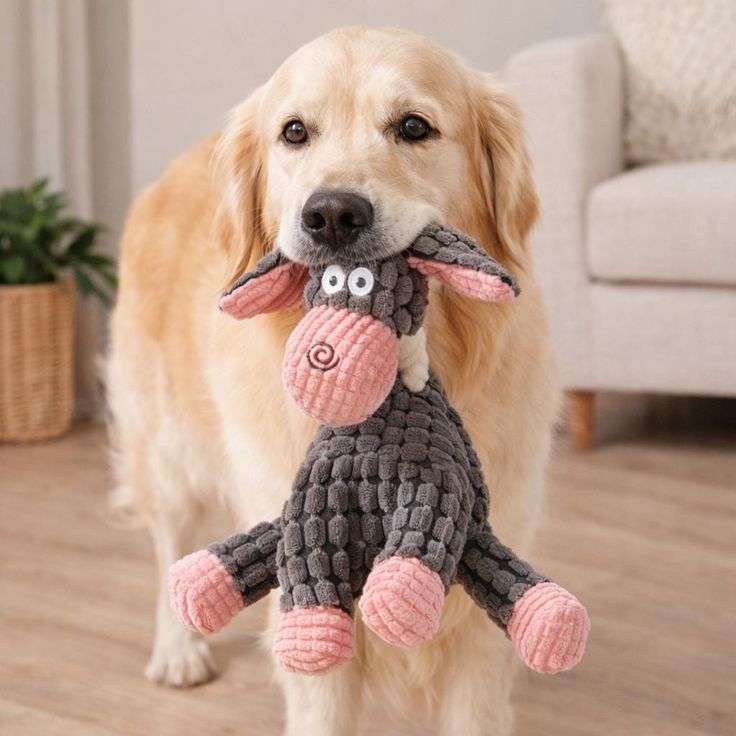
Plush chew toys are soft and cuddly, perfect for gentle chewers or pets who love to snuggle. These toys are often made of fabric and filled with stuffing. Some come with squeakers, which make playtime more exciting. While plush toys are adorable, they may not be suitable for heavy chewers because they can tear easily. Always supervise your pet to prevent ingesting harmful material.
Edible
Edible chew toys provide both entertainment and a tasty treat. They are made to be consumed and are ideal for rewarding your pet. Options like rawhide, bully sticks, and dental chews promote healthy chewing habits. Besides being delicious, edible options can satisfy a pet’s natural chewing instinct. However, always choose high-quality, non-toxic products to ensure your pet’s safety.
Interactive
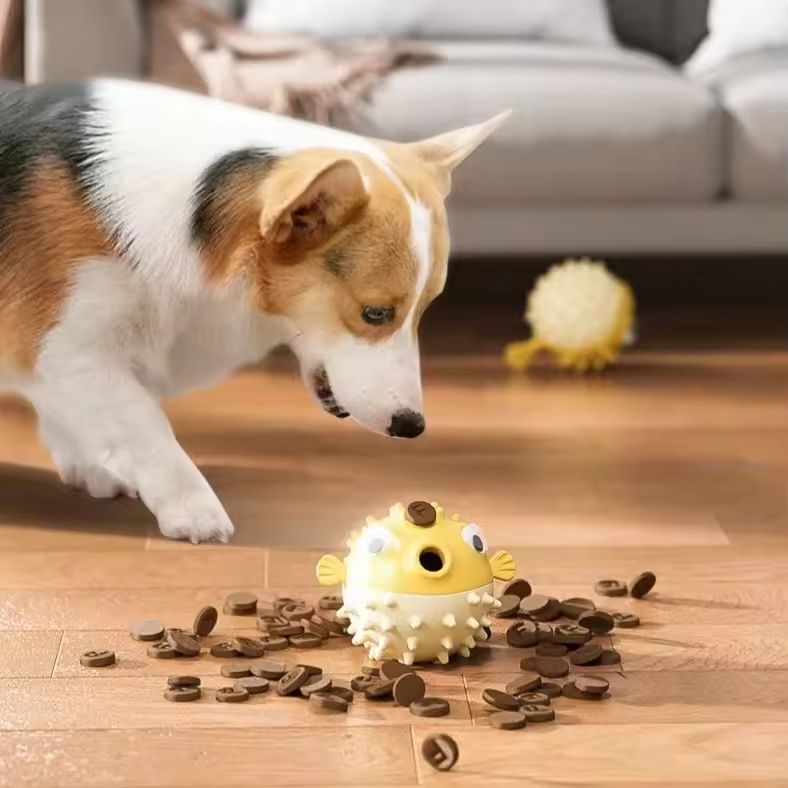
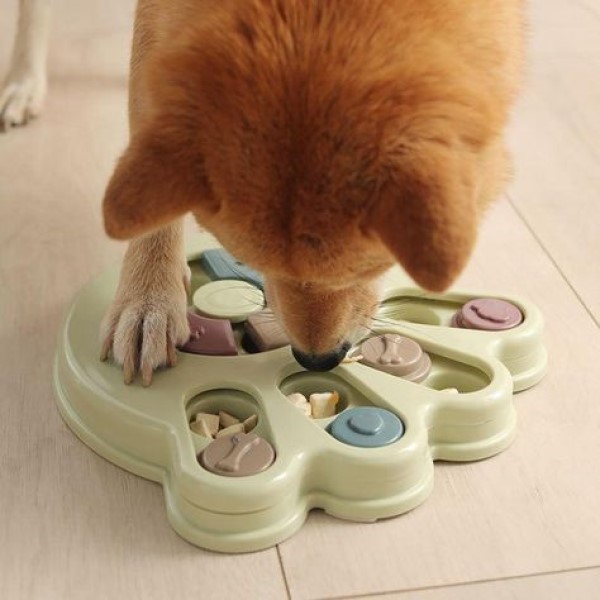
Interactive chew toys combine fun and mental stimulation. These toys are designed to challenge your pet by requiring problem-solving skills. Examples include puzzle toys that dispense treats or balls with hidden compartments. Interactive toys are excellent for reducing boredom and enhancing your pet’s focus. They keep your pet engaged for hours, making them a fantastic choice for energetic or curious pets.
Selecting the right chew toy type ensures your pet stays happy and entertained. Observe your pet’s behavior and preferences to find a toy that suits them best.
Benefits of Chew Toys for Pets
Chew toys serve a variety of important purposes for pets. They are more than just entertaining items; chew toys positively impact your pet’s physical and mental well-being. Here are some key benefits to consider:
Dental Health Improvements
Chew toys promote healthier teeth and gums in pets. They reduce tartar and plaque buildup during play. The chewing action helps massage gums and encourages saliva production. Saliva naturally prevents bacteria growth, reducing the risk of oral infections. Dental-specific chew toy often feature textures that enhance cleaning effectiveness.
Mental Stimulation
Chew toys boost mental engagement and cognitive skills for pets. Puzzle and treat-dispenser toys challenge their problem-solving abilities. These toys keep pets focused and entertained, reducing boredom. Mental stimulation is especially important for intelligent breeds and energetic pets.
Preventing Destructive Chewing
Chew toys minimize destructive behaviors caused by boredom or anxiety. Pets often chew household items when left unstimulated. Providing safe chew toy redirects this behavior positively. Tailored toys based on chewing habits ensure your pet stays engaged without damaging property.
Physical Exercise
Chew toys promote physical activities for pets, encouraging movement and play. Fetch-friendly chew toy, like balls or sticks, get pets running and jumping. Chewing itself can burn energy and helps maintain muscle strength. Active pets generally have better physical and emotional health.
Regular use of chew toys ensures your pet stays healthy, happy, and engaged. Choose toys suitable for your pet’s age, size, and chewing preferences.
Factors to Consider When Choosing a Chew Toy
Choosing the right chew toy requires careful consideration. Different pets have unique needs and preferences. Here are key factors to keep in mind to ensure your pet remains safe, happy, and entertained.
Safety Standards
Safety must always come first when picking a chew toy. Check for non-toxic materials and certifications. Avoid toys with small parts that could be swallowed or cause choking. Evaluate the toy’s design to ensure there are no sharp edges or loose components. If unsure, consult your vet for guidance.
Size and Texture
The size of the chew toy should match your pet’s breed and age. A toy too small can be a choking hazard, while one too big may not appeal to smaller pets. Texture also matters; soft textures work best for puppies and gentle chewers, while stronger textures are better suited for powerful chewers. Explore various options to see what your pet prefers.
Durability
Durable toys are ideal for pets with strong chewing habits. These toys can withstand rigorous use without breaking apart. Look for materials like heavy-duty rubber or extra-strong nylon. Frequent replacement of worn-out toys ensures your pet is always safe. Inspect the chew toy regularly for damage or wear.
Suitability for Your Pet’s Age and Breed
Your pet’s age, breed, and activity level play a significant role in toy selection. Puppies may need softer toys to soothe teething pain, while senior pets benefit from gentler options to avoid damaging their teeth. Larger breeds with strong jaws require sturdy toys, whereas smaller breeds prefer lighter ones. Choose based on your pet’s unique needs and preferences.
Taking these factors into consideration ensures you select the ideal chew toy. The right chew toy not only enhances playtime but also promotes your pet’s overall well-being.
Common Materials Used
Understanding the materials in chew toys can help you make better choices for your pet. Each material offers specific benefits, and some might suit your pet better than others. Here’s a breakdown of common chew toy materials:
Natural Rubber
Natural rubber is a popular chew toy material due to its durability and flexibility. It withstands heavy chewing and lasts longer for strong chewers. Rubber toys are also gentle on teeth and gums, making them safe for most pets. Since rubber is easy to clean, it ensures hygiene for repeat use. Tough rubber toys can also feature grooves or slots for stuffing treats, adding extra fun.
Nylon
Nylon is another tough, durable option for chew toys, perfect for aggressive chewers. They can help clean teeth and reduce plaque buildup. However, pets with sensitive teeth should use softer nylon toys to avoid discomfort or damage. Regularly check nylon toys for sharp edges as they wear down over time.
Rawhide
Rawhide chew toys are a traditional and edible option. They provide hours of chewing fun and satisfy natural instincts. Rawhide also helps reduce tartar and plaque buildup. However, not all rawhide is made equally. Choose high-quality, chemical-free rawhide for safety. Always supervise your pet to avoid choking or swallowing large pieces, as some pets may chew too aggressively.
Fabric
Fabric chew toys are soft and lightweight, ideal for gentle chewers. These toys often come in fun designs and shapes, making playtime interesting. Many fabric toys contain squeakers, adding extra excitement. However, fabric toys are not suitable for heavy chewers, as they can tear easily. Supervise play and replace torn toys to keep your pet safe.
Choosing the right material ensures not only fun but also safety for your pet during play. Always match the material to your pet’s chewing strength and habits.
Dos and Don?ts of Chew Toy Usage
Chew toys are essential for your pet’s enjoyment and well-being. However, ensuring their safe usage is crucial. Being aware of the dos and don’ts will help you protect your pet and maximize the benefits of chew toys. Below are key tips to follow when using chew toys.
Proper Supervision
Always supervise your pet during chew toy play. This prevents choking or accidental swallowing of pieces. Monitor how your pet interacts with the toy to ensure safety. If the toy shows excessive wear, replace it promptly. Supervised play also strengthens the bond between you and your pet.
Avoiding Toxic Materials
Choose chew toys made from non-toxic, pet-safe materials. Avoid toys containing harmful chemicals or paint. Double-check labels or certifications for safety assurance. Stay away from low-quality or poorly manufactured toys to eliminate health risks. When in doubt, consult your vet about safe toy options.
Regular Inspections
Inspect chew toys regularly for signs of damage or wear. Look for cracks, sharp edges, or pieces falling off. Damaged toys can harm your pet’s mouth, gums, or digestive system. Replace worn-out toys promptly to avoid potential injuries. Frequent inspections ensure your pet’s safety and enhance their playtime experience.
By following these dos and don’ts, you can ensure your pet enjoys chew toys safely and happily. Your vigilance will keep them entertained while safeguarding their health.
Recommendations for Different Types of Pets
Choosing the best chew toy depends on your pet’s size, age, and chewing habits. Different pets have different needs, so tailoring your selection ensures safety, entertainment, and satisfaction. Below are specific recommendations for various pet types to help you make the best choice.
Chew Toys for Puppies
Puppies have soft teeth and gums, making gentle toys essential. Look for toys made from soft rubber or plush materials. These help soothe teething pain while minimizing dental stress. Avoid hard or overly tough toys that could harm their developing teeth. Toys with textured surfaces or treat slots can keep them engaged during teething phases. Rotate toys often to maintain their interest.
Chew Toys for Small Dogs
Small dogs benefit from lightweight and appropriately sized toys. Rubber or nylon chew toys with soft to medium textures are ideal for gentle chewing. Toys with squeakers or interactive features, like treat dispensers, can spark curiosity. Avoid oversized or heavy toys that may overwhelm them. Additionally, softer plush toys work well for small dogs that aren’t heavy chewers.
Chew Toys for Large Dogs
Large dogs need durable, heavy-duty toys to withstand powerful chewing. Choose chew toys made from tough rubber, high-strength nylon, or natural rawhide. Avoid toys that could be easily shredded or pose a choking hazard. Interactive toys like large treat-dispensing balls can provide both physical and mental stimulation for active breeds. Replace toys promptly when signs of wear appear, ensuring safety.
Chew Toys for Cats
Cats enjoy toys that mimic prey and encourage hunting instincts. Opt for small, lightweight toys made from fabric or soft materials. Toys with feathers, strings, or catnip attract curiosity and keep them engaged. Puzzle toys or those that provide treats as rewards can also be stimulating. Be cautious of loose parts, as cats may chew or swallow them during play.
Tips for Helping Your Pet Love Their Chew Toy
Chew toys can greatly benefit your pet, but not all pets warm up to them immediately. By using effective approaches, you can help your pet build interest and enjoy their toys. Below are some simple but impactful tips to encourage your pet to love their chew toy.
Introducing New Toys Gradually
Introduce chew toys slowly to prevent overwhelming your pet. Present one toy at a time. Allow your pet to sniff and examine it comfortably. Provide gentle encouragement and praise when they interact with the new toy. You can also demonstrate how the toy works by playing with it yourself. This signals to your pet that the toy is safe and fun to use.
Reward-Based Play
Positive reinforcement is essential to motivate pets. Reward them with treats or praise when they play with the chew toy. Associate the toy with happy experiences, like cuddles or another play session. This creates a positive connection and encourages your pet to use the toy regularly. Pairing the toy with something tasty, such as a stuffed treat, can also make the toy more appealing.
Rotating Toy Selection
Keep your pet’s interest by rotating their toys. Introducing a variety of new or old toys keeps them excited. Avoid giving access to all toys at once, as this can lead to boredom. Regularly changing the selection helps make every toy feel fresh and exciting. Clean and inspect toys during rotations to ensure safety and hygiene.
By following these tips, your pet will gradually develop a lasting interest in their chew toys. A happy pet with engaging toys is less likely to engage in undesirable behaviors, keeping both you and your furry friend content.
Conclusion: Making the Right Choice for Happy Pets
In conclusion, knowing how to choose the right chew toy is crucial for promoting your pet’s health and happiness. Chew toys can provide entertainment, mental stimulation, and support dental health when selected correctly. By understanding your dog’s chewing habits, assessing their needs, and selecting safe, appropriate toys, you can enrich their life significantly.
Explore the vast variety of chew toys available and introduce them to your furry friend safely. The right chew toy not only encourages healthy chewing behavior but also fosters enjoyable playtime. So take the time to choose wisely, and watch your pet thrive with happiness!