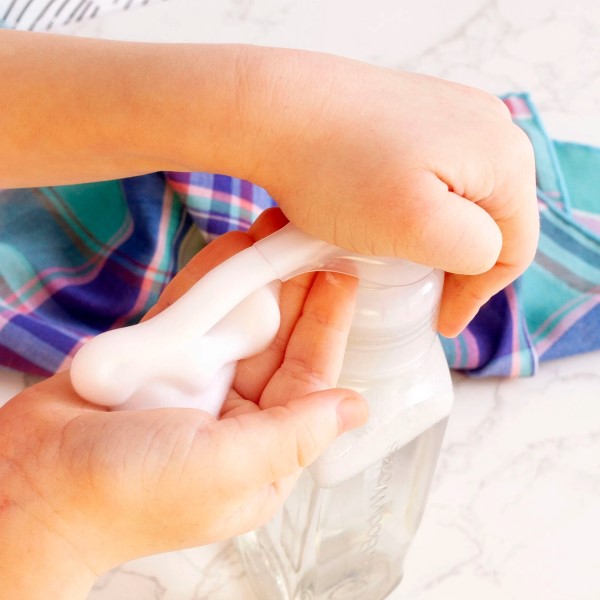
Why Make Your Own Foaming Hand Soap?
Making foaming hand soap at home has many benefits. It is cost-effective and eco-friendly. You can control the ingredients, ensuring it’s safe for your skin. Store-bought soaps often include harmful chemicals and synthetic fragrances. Homemade options let you avoid these. Additionally, you can customize scents and textures to your liking.
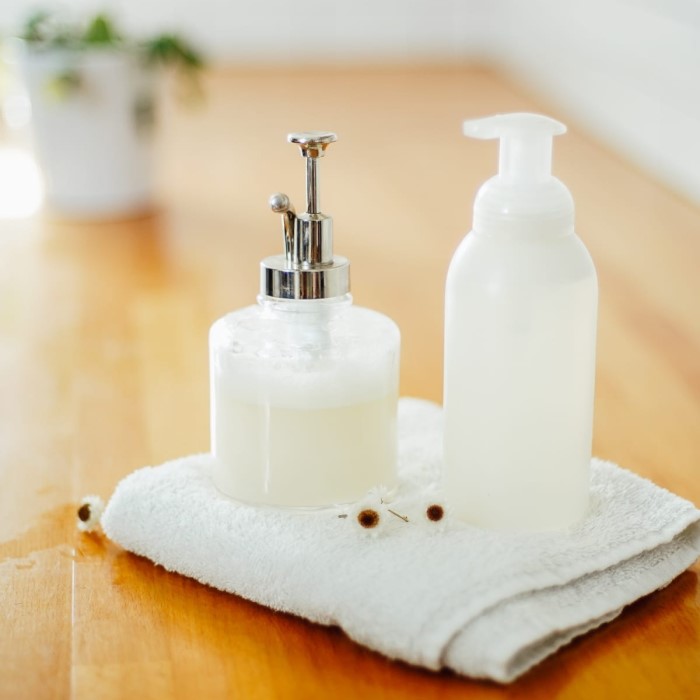
DIY foaming hand soap reduces plastic waste. Store-bought soap often comes in single-use plastic packaging. By reusing dispensers, you help the environment. It also allows for better hygiene. You can prepare fresh soap regularly, keeping it free from contaminants.
Homemade soap is perfect for those with sensitive skin. You can choose gentle ingredients that suit your needs. Essential oils make it natural and healthy for your hands. This homemade option is also enjoyable and creative. You can experiment with various combinations to achieve your ideal soap.
In summary, making foaming hand soap at home saves money, reduces waste, and promotes better health. It lets you have a personalized, eco-friendly alternative to store-bought products.
Benefits of Foaming Hand Soap
Foaming hand soap has numerous advantages making it a popular choice for many households. It is effective, eco-friendly, and economical. Let’s explore its benefits in detail.
Gentle on Hands
Foaming hand soap is softer on skin compared to traditional soaps. Its airy texture cleans hands without causing irritation or dryness. This is especially beneficial for those with sensitive skin.
Efficient and Cost-Effective
Less soap is required for each wash when using foaming hand soap. The foam covers hands easily, reducing the amount used. This makes it a budget-friendly option for families.
Hygienic and Convenient
The foam spreads quickly and is easy to rinse off. This ensures thorough cleaning in less time. It is also convenient to use, especially for children.
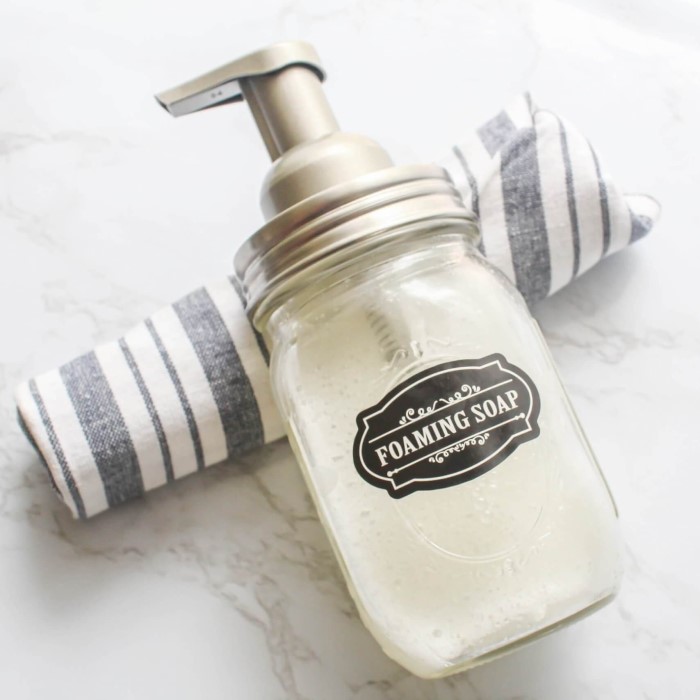
Eco-Friendly Option
Foaming hand soap saves water during handwashing. Less residue means quicker rinsing and lower water usage. Using refillable dispensers reduces plastic waste as well.
Customizable with Natural Additives
Homemade foaming hand soap can be customized with natural ingredients. Add essential oils to enhance its scent and benefits. You can also adjust the formula to suit your needs, making it perfect for everyone.
Foaming hand soap is a practical and sustainable choice. These benefits make it an excellent addition to any household. Consider making your own for a better and healthier experience.
Essential Ingredients and Tools Required
To make foaming hand soap at home, you need a few simple items. Gather these essential ingredients and tools to get started.
Necessary Ingredients
- Liquid Soap Base: Choose a mild, non-toxic liquid soap as your base.
- Distilled Water: Use distilled water to prevent bacterial growth.
- Essential Oils: Add natural oils like lavender or tea tree for fragrance and benefits.
- Carrier Oil (Optional): Include oils like coconut or almond for added moisturization.
Useful Tools
- Foaming Soap Dispenser: Use a foaming dispenser for the desired texture.
- Measuring Tools: Have spoons or cups to measure ingredients accurately.
- Mixing Bowl or Container: Use a clean bowl to mix your soap.
- Stirrer or Spoon: A spoon or whisk helps combine the ingredients well.
Having the right ingredients and tools simplifies the process. It ensures effective and safe homemade foaming hand soap.
Step-by-Step Guide to Making Foaming Hand Soap
Making foaming hand soap at home is simple and rewarding. Follow this step-by-step guide.
Choosing the Right Soap Base
- Select a Mild Soap Base: Choose a gentle liquid soap free from harsh chemicals. Examples include unscented castile soap or baby soap.
- Consider Skin Sensitivity: For sensitive skin, pick a hypoallergenic or moisturizing soap base.
- Opt for Unscented Options: If you plan to add essential oils, start with an unscented base for the best results.
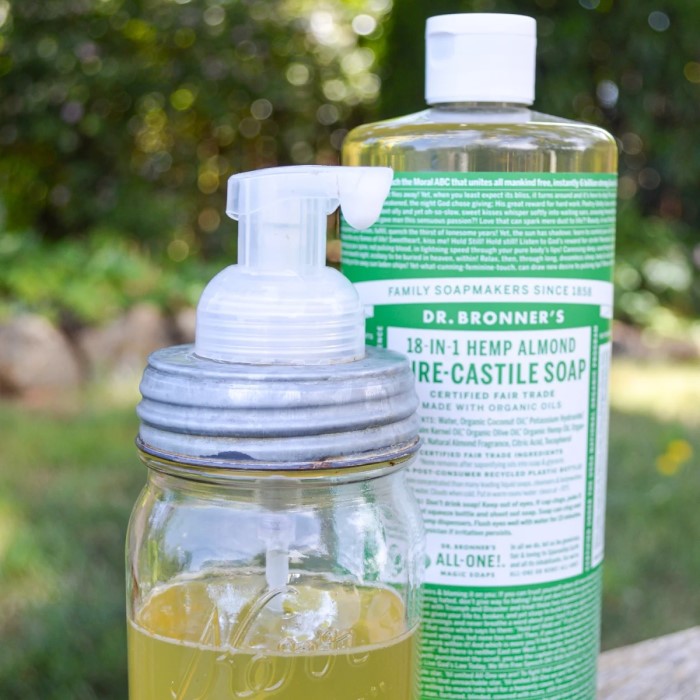
Mixing Ingredients Correctly
- Combine Soap and Water: Mix 1 part liquid soap with 4 parts distilled water. This ensures the right consistency.
- Add Essential Oils: Mix 10-15 drops of your favorite essential oil for fragrance and benefits. Options include lavender, tea tree, or eucalyptus.
- Include Carrier Oils for Moisture: Add 1 teaspoon of coconut or almond oil for softening properties. This step is optional.
- Stir Well: Use a spoon or whisk to mix the ingredients thoroughly but gently. Avoid creating bubbles.
Filling and Using the Soap Dispenser
- Prepare the Dispenser: Use a clean foaming soap dispenser to achieve the desired frothy texture.
- Fill the Dispenser: Pour the mixture gently into the dispenser, leaving some space for the pump.
- Test the Soap: Pump once or twice to ensure it foams correctly.
- Store Safely: Keep the dispenser in a cool, dry place away from direct sunlight.
By following these steps, you can make your own effective and eco-friendly foaming hand soap. Customize it to suit your needs and enjoy the benefits of homemade soap!
Natural Additives and Enhancements
Adding natural ingredients enhances the quality of your foaming hand soap. It improves the scent and benefits for your skin. Here are some common choices:
Essential Oils for Fragrance and Benefits
- Lavender Oil: Relaxing and soothing for the skin.
- Tea Tree Oil: Antibacterial and good for oily skin.
- Eucalyptus Oil: Refreshing with antimicrobial properties.
- Lemon Oil: Uplifting and cleansing.
Essential oils make your soap smell fantastic while boosting its effectiveness. Use 10-15 drops for optimal results.
Carrier Oils for Moisture
- Coconut Oil: Deeply moisturizing and helps soften skin.
- Almond Oil: Light texture, ideal for hydration.
- Olive Oil: Contains antioxidants and vitamins for healthy skin.
Carrier oils improve soap’s moisturizing properties. Add 1 teaspoon to your mixture for extra nourishment.
Other Additives for Special Benefits
- Aloe Vera Gel: Hydrating and cooling. Ideal for sensitive or irritated skin.
- Honey: Natural humectant that locks in moisture.
- Vitamin E Oil: Antioxidants that protect your skin.
Customize your mix with 1 tablespoon of these additives for unique benefits. Ensure your soap stays gentle and effective.
Natural Colors and Textures
- Use mica powder for shimmer or natural coloring options.
- Add oats for gentle exfoliation.
Natural additives make your homemade soap appealing and luxurious. Experiment carefully to find your perfect formula.
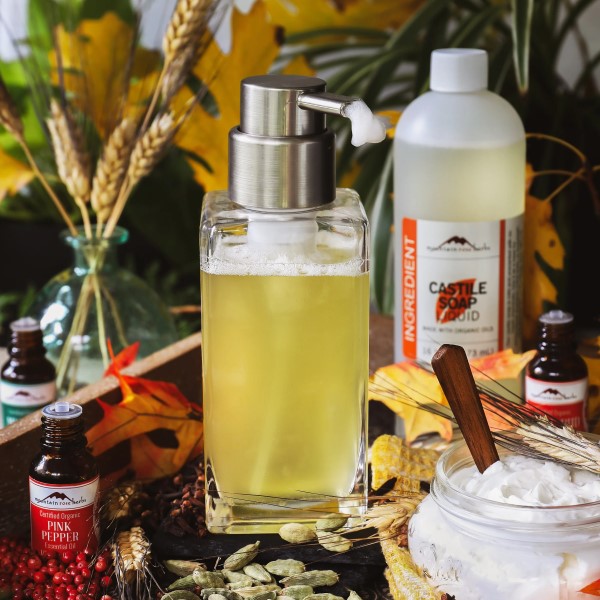
Tips for Customizing Scents and Textures
Customizing scents and textures is the fun part of making foaming hand soap. It lets you create an enjoyable and personalized product. Here are some easy tips to guide you.
Create Unique Scents with Essential Oils
- Mix Different Oils: Combine oils like lavender and eucalyptus for a soothing yet refreshing scent.
- Adjust Strength: Add more drops for a stronger fragrance or fewer for a subtle aroma.
- Try Seasonal Scents: Use spicy oils like cinnamon or uplifting citrus for seasonal themes.
Play with Texture Using Additives
- Add Aloe Vera Gel: Make the texture smoother and hydrating for delicate skin.
- Include Oats: Add a soft exfoliating texture for gentle scrubbing.
- Use Mica Powder: Add shimmer or subtle color to enhance soap appeal.
Experiment Safely
- Test Small Batches: Try new combinations in small amounts to avoid wasting ingredients.
- Be Skin-Friendly: Choose additives and scents that don’t irritate your skin.
- Keep Notes: Track ratios and results for future reference.
Customizing scents and textures adds personality to your homemade foaming hand soap. It also makes every wash a delightful experience!
Common Mistakes to Avoid
When making foaming hand soap at home, avoiding some common mistakes ensures better results. Below are errors to watch out for and ways to prevent them.
Using the Wrong Soap Base
Using a harsh or unsuitable soap base can irritate your skin. Always pick a gentle liquid soap. Options like castile soap or baby soap work best. Avoid dish soaps or heavily fragranced options as they may contain chemicals.
Incorrect Soap-to-Water Ratio
A poor ratio can lead to a watery or overly thick foam. A good rule is 1 part liquid soap to 4 parts distilled water. Always measure ingredients accurately for the perfect consistency.
Skipping Distilled Water
Using regular tap water can lead to bacterial growth in your soap. Always use distilled or boiled and cooled water to ensure safety and avoid contamination.
Overuse of Essential Oils
Adding too much essential oil can make the soap harsh. Stick to 10-15 drops per batch. Test new oils and combinations in small quantities before committing to a recipe.
Not Mixing Ingredients Properly
Poorly mixed ingredients can separate over time. Stir ingredients gently but thoroughly. This ensures even distribution of oils and soap for a consistent product.
Filling the Dispenser Incorrectly
Overfilling the dispenser can cause it to malfunction. Leave some space for the pump to function properly. Fill the dispenser carefully to avoid spillage.
Not Testing First
Skipping a test can lead to skin irritation or ineffective foam. Always test a small amount on your hands. Check its foam quality, scent, and how it feels on the skin.
Storing Soap Improperly
Storing your soap in high temperatures or direct sunlight can degrade its quality. Keep it in a cool, dry place. Ensure the dispenser is sealed well to prevent contamination.
Overloading with Additives
While additives enhance your soap, too much can alter its formula. Use small amounts of additional ingredients. Avoid overcomplicating the recipe to maintain its effectiveness.
Avoid these mistakes to make high-quality foaming hand soap at home. A little care and attention lead to excellent, safe results every time.
FAQs About Homemade Foaming Hand Soap
Is it safe to make foaming hand soap at home?
Yes, it’s safe when you use non-toxic, skin-friendly ingredients. Stick to essential oils and mild soap bases that are suitable for skin use. Always conduct a patch test to check for any allergies before full use.
How long does homemade foaming soap last?
Homemade foaming soap can last up to several weeks. Use distilled water to prevent bacterial growth and keep the dispenser in a cool, dry place for the best results.
Can I use tap water instead of distilled water?
It’s not recommended. Tap water can introduce bacteria and reduce the shelf life of your soap. Always use distilled or boiled and cooled water for safety.
Why doesn’t my foaming soap create enough foam?
Check your soap-to-water ratio. For best results, mix 1 part soap with 4 parts water. Make sure to use a foaming soap dispenser, as regular dispensers cannot create foam.
What essential oils are best for foaming hand soap?
Lavender, tea tree, eucalyptus, and lemon oils are popular choices. They add fragrance and natural benefits. Stick to 10–15 drops for a balanced scent and skin safety.
Can I skip the essential oils?
Yes, essential oils are optional. They simply add fragrance and extra skin benefits to the soap.
Why is my soap separating?
Improper mixing can cause separation. Stir all the ingredients thoroughly before pouring into the dispenser. Gently shake the dispenser before each use if needed.
Can I reuse old foaming soap dispensers?
Yes, you can. Clean and dry the dispenser thoroughly before refilling it with the homemade soap.
What should I do if the dispenser gets clogged?
Rinse the pump mechanism in warm water to clear any residue. Only use clean and diluted mixtures to prevent clogging.
Can I add color to my foaming hand soap?
Yes, you can use natural colorants like mica powders. Add small amounts and test the color.
Is homemade foaming hand soap suitable for children?
Yes, it’s ideal for kids. Use gentle ingredients and avoid harsh essential oils like peppermint. Always test the soap on a small area of their skin first.
Do I need special equipment to make foaming soap?
Not really. Basic kitchen tools like a measuring spoon and a mixing bowl work well. Additionally, invest in a good-quality foaming soap dispenser for the best results.
Can I customize the soap for sensitive skin?
Absolutely. Choose hypoallergenic liquid soaps and gentle carrier oils like almond or coconut oil. Avoid strong essential oils and artificial additives.
How much does making foaming hand soap cost?
Homemade foaming hand soap is cost-effective. Most ingredients are affordable and last multiple batches.
Conclusion: Embrace the Art of Making Foaming Hand Soap
In conclusion, making foaming hand soap is a fun and rewarding DIY project that not only can help you save money but also allows you to create customizable products tailored to your preferences. By incorporating high-quality ingredients, creative scents, and thoughtful designs, you transform your washing routine into a delightful experience.
Now that you’ve learned the basics, gather your materials and start crafting your own foaming hand soap at home. Remember, the key is experimentation and embracing your creativity. With every batch, you bring joy, fragrance, and cleanliness into your space. Enjoy the process, and let your foaming hand soap be a reflection of your personality!