Introduction
If you’re passionate about creating your own soap, then incorporating olive oil for soap making is a must! Olive oil not only enhances the quality of your soaps but also brings numerous benefits to the skin. This ingredient has been cherished for centuries, known for its moisturizing properties and ability to create luxurious bars of soap. In this article, we will explore how olive oil improves your soap, various techniques to use it effectively, and tips to craft exquisite soap bars that everyone will adore.
Benefits of Using Olive Oil in Soap Making
Olive oil is a versatile and popular ingredient in soap making. It offers numerous benefits in creating nourishing, long-lasting, and gentle soaps. Its unique properties contribute significantly to the quality of the soap and the satisfaction of users. Let’s explore its advantages in detail.
Moisturizing Properties of Olive Oil
Olive oil is highly moisturizing and hydrating. It helps to soften and smoothen the skin. Its natural emollient nature makes it ideal for soaps used for dry and sensitive skin. Olive oil-based soaps provide gentle care without irritating the skin.
Oleic Acid Content for Conditioning Soap
Olive oil has a high oleic acid content, which promotes conditioning. This fatty acid helps to improve the soap’s ability to nourish and protect the skin. It enhances the soap’s texture and makes bathing a pleasurable experience.
Contribution to Soap Hardness
Olive oil contributes to the hardness of soap when properly balanced. While it makes soap gentle, it also ensures it lasts longer. This balance is achieved through precise formulation and blending with other oils. It provides a perfect combination of softness and durability in soap bars.
Types of Olive Oil for Soap Making
When making soap, it’s important to choose the right type of olive oil. Olive oil comes in several types, and each offers unique characteristics suited for various soap recipes. Here’s a look at three main types:
Pure Olive Oil (Grade A)
Pure olive oil, also known as Grade A olive oil, is a common choice for soap making. It is refined, making it stable and consistent for formulations. This type provides excellent moisturizing properties and enhances soap texture. Pure olive oil is cost-effective and widely available, making it ideal for beginner soap makers.
Pomace Olive Oil
Pomace olive oil is extracted using solvents from the remaining pulp of olives after pressing. It is the most affordable olive oil for soap making. Pomace olive oil is slightly less refined but still offers great moisturizing benefits. It traces quickly in soap making, making it a good choice for fast processes. It is perfect for bulk production and budget-friendly soaps.
Extra Virgin Olive Oil
Extra virgin olive oil is the highest quality and least processed type. It is extracted from fresh olives through a mechanical process without chemicals. This oil is rich in nutrients and adds superior moisturizing benefits to soap. It creates luxurious, creamy soaps with added richness. While more expensive, extra virgin olive oil is ideal for artisan or premium soap recipes.
Selecting the Best Olive Oil for Your Soap Recipe
When crafting soap, selecting the best olive oil is a crucial step. Various factors influence the choice of olive oil for soap making. Ensuring high quality, staying within your budget, and sourcing easily available options are all essential considerations.
Quality and Purity Considerations
High-quality olive oil ensures better soap performance. Select oils labeled ‘pure’ or ‘extra virgin.’ These oils offer superior moisturizing benefits and maintain the integrity of your soap. Avoid oils that are heavily processed or contain impurities. Check for certifications and purity standards on labels to verify authenticity. Prioritize fresh, cold-pressed oils, as they retain the highest nutrient content, crucial for achieving the desired soap quality.
Budget-Friendly Options
Soap-making can be costly, so stick to your budget. Pomace olive oil is the most affordable option, making it suitable for large-scale production. Although less refined, it still provides good moisturizing properties and is perfect for beginners. Pure olive oil is another cost-effective choice for quality soap. Avoid compromising on quality to save costs, especially for premium recipes.
Availability and Sourcing
Availability is essential when sourcing olive oil. Choose oils that are easy to find locally or online. Pure, pomace, and extra virgin olive oils are commonly available, suiting different needs. Research renowned brands, and purchase from reputable vendors to ensure quality. If producing artisan soaps, consider investing in high-quality, specialty oils for a luxurious finish. Always check the production date to guarantee freshness, as older oils can impact soap longevity.
By carefully considering quality, budget, and availability, you’ll find the olive oil suited for your soap recipe.
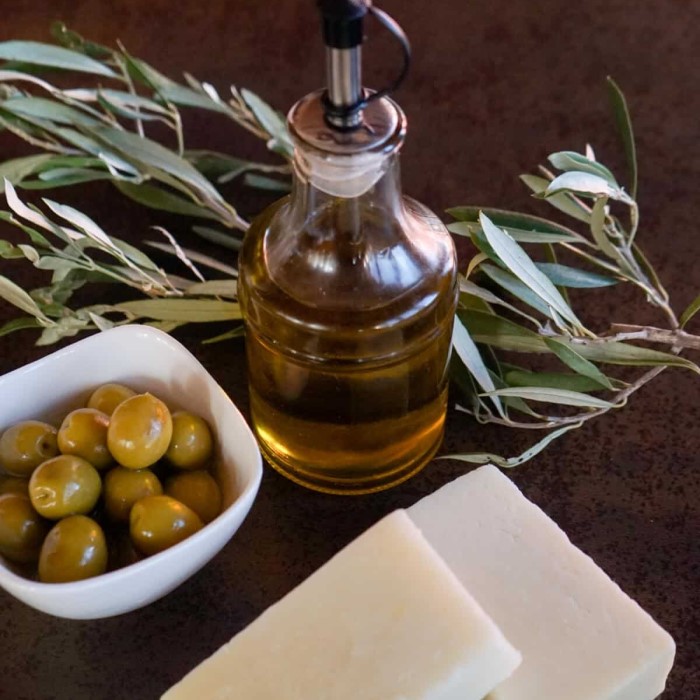
Handling and Using Olive Oil in Soap Making
Proper handling and use of olive oil are essential for successful soap making. Olive oil needs careful storage and accurate measuring to maintain its quality and enhance the soap formulation. Combining it with other oils can also achieve specific soap characteristics that suit your needs.
Storage Tips for Olive Oil
Correct storage of olive oil ensures its freshness and effectiveness in soap making. Follow these tips for proper storage:
- Keep olive oil in a cool, dark place to prevent oxidation.
- Use airtight containers to maintain its quality and avoid contamination.
- Avoid exposing olive oil to direct sunlight, as it can degrade its nutrients.
- Store oil away from heat sources like stoves or ovens.
- Always check the production date before purchasing. Older oils can affect soap quality.
Proper storage maintains the oil’s purity and keeps your soap-making process effective.
Measuring Olive Oil for Precise Soap Formulation
Precise measurements are key to achieving the desired results in soap recipes. Here’s how to measure olive oil accurately:
- Use a digital scale for exact measurements.
- Follow your recipe proportions strictly for consistent results.
- Measure olive oil before combining with other oils or lye.
- Note down measurements to track your formulation process.
- Avoid overuse; excessive olive oil can make soap too soft.
Accurate measuring helps control soap hardness and ensures a balanced formulation.
Combining Olive Oil With Other Oils
Mixing olive oil with other oils improves soap characteristics. Here’s how to effectively combine oils:
- Pair olive oil with coconut oil for better lather and cleansing properties.
- Use palm oil to balance hardness and longevity in soap bars.
- Blend with castor oil to boost moisture retention and creamy texture.
- Experiment with small batches to find the right combination.
- Combine oils based on your recipe’s purpose, such as moisturizing or cleaning.
Balancing olive oil with complementary oils creates soaps tailored to specific skin needs and preferences.
Common Soap Recipes with Olive Oil
Olive oil is a versatile ingredient in soap making. It is suitable for various soap recipes. Here, we will explore two popular types of soap recipes using olive oil: Castile soap and olive oil blended soaps.
Castile Soap Recipes
Castile soap is made primarily from olive oil. It is well-known for its simplicity and gentle nature. This traditional soap originated in the Mediterranean region.
- Ingredients: Olive oil, distilled water, lye, and optional essential oils.
- Process: Start by mixing water and lye, then combine the mixture with olive oil. Stir until the soap mixture reaches trace. Add essential oils for fragrance, then pour into molds and let cure for 4-6 weeks.
- Benefits: Castile soap is ideal for sensitive skin. It is highly moisturizing and leaves the skin soft. It creates a gentle lather and is perfect for babies and those with allergies. You can use it as hand wash, body wash, or even shampoo.
Olive Oil Blended Soap Recipes
Blended soaps mix olive oil with other oils. This enhances lather, hardness, or moisturizing effects.
Ingredients Needed for Soap Making
- Olive Oil: This oil is known for its moisturizing properties and is often used to create a gentle, nourishing soap. It contributes to a creamy lather and helps to keep the skin hydrated.
- Coconut Oil: This oil is a popular choice in soap making due to its ability to create a rich, bubbly lather. It also enhances the cleansing properties of the soap, making it effective in removing dirt and oils from the skin.
- Palm Oil: This oil plays a crucial role in soap hardness. By adding palm oil, you can create a bar that lasts longer, prolonging the usage of your soap. Additionally, it contributes to a smoother texture.
- Castor Oil: Known for its moisture-retaining abilities, castor oil adds a luxurious feel to the soap. It helps to create a thick lather and keeps the skin soft and supple.
- Lye: Lye, or sodium hydroxide, is a crucial component in the saponification process. It reacts with the oils to create soap. It’s vital to handle lye with care, using appropriate safety measures.
- Distilled Water: This is used to dissolve the lye before combining it with the oils. Using distilled water ensures that impurities do not affect the soap-making process.
- Additives (Optional): You can enhance your soap by including natural additives such as essential oils for fragrance, exfoliants like ground oatmeal or coffee, and colorants to give your soap a vibrant appearance.
Process of Making Soap
- Blend the Oils Together: Begin by measuring the oils accurately and then combining them in a mixing bowl. This blend should be heated gently until they are well mixed and warmed to a similar temperature.
- Mix with the Lye Solution: Carefully mix the lye with the distilled water in a separate container, ensuring all safety precautions are taken. Once the lye is dissolved and cooled to a safe temperature, gradually combine it with the blended oils.
- Stir Until Reaching Trace: Use an immersion blender or stirring tool to mix the oils and lye solution. Stir continuously until the mixture thickens to a consistency known as “trace,” where it leaves a trail on the surface when drizzled.
- Add Fragrances, Exfoliants, or Colorants: At this stage, you can mix in any desired additives, such as essential oils for fragrance, exfoliants for texture, or colorants for visual appeal. Be sure to mix thoroughly.
- Pour into Molds: Once everything is well blended, pour the soap mixture into molds, filling them to the desired level. Gently tap the molds to remove any air bubbles, ensuring an even surface.
- Cure for 4-6 Weeks: After pouring, cover the molds with a towel and let them sit for 24-48 hours, allowing the soap to harden. Once removed from the molds, the soap should be placed on a drying rack to cure for 4-6 weeks. This curing process is essential for the soap to fully saponify and become safe for use.
Benefits of Blended Soaps
- Balance of Properties: By blending different oils, you can create a soap that balances moisture, lather, and cleansing properties. This results in a bar that is effective yet gentle on the skin.
- Coconut Oil Increases Lather and Cleansing: The inclusion of coconut oil ensures that the soap produces a plentiful lather, enhancing the washing experience. Its cleansing ability helps remove dirt and oil from the skin effectively.
- Palm Oil Adds Hardness: The use of palm oil contributes to the durability and longevity of the soap bar. This means you get more usage out of each bar, making it a cost-effective choice.
- Castor Oil Improves Moisture Retention: Castor oil’s moisture-retaining capabilities help keep your skin hydrated. This makes the soap suitable for individuals who may have dry or sensitive skin.
- Natural Additives for Additional Benefits: Incorporating natural additives such as oatmeal provides exfoliation and gentle peeling. Adding honey can enhance the soap’s moisturizing properties, creating an even more beneficial product. These naturally derived ingredients elevate the soap’s effectiveness, making it a nourishing choice for skincare.
Creating soap with olive oil allows for customization. Experiment with recipes for unique scents, colors, and textures to suit various preferences and skin types.
Troubleshooting Olive Oil in Soap Making
Issues with Excess Softness in Olive Oil Soaps
Olive oil can make soaps softer due to its high oleic acid content. Excessive softness may result in soaps that are sticky and dissolve quickly. To avoid this, balance olive oil with hard oils like coconut or palm oil. Using additives like sodium lactate or salt can also increase hardness. Allowing soaps to cure for a longer time helps them firm up and last longer.
Tips to Avoid Gelling Problems
Gelling can create uneven textures or discoloration in soaps. To prevent this, control the soap’s temperature during saponification. Avoid overheating by insulating molds lightly or using no insulation for heat-sensitive recipes. You can also reduce the water content in your soap mixture to minimize gelling. Monitor soap temperatures after pouring into molds to ensure even curing.
Managing Tracing and Pouring Times
Olive oil soaps may trace slower compared to those with more saturated oils. To manage this, mix the ingredients gradually and allow enough blending time. Avoid overmixing; it can make the soap set too quickly. Work in a cool environment to maintain control over the process. If combining olive oil with faster-tracing oils like castor oil, observe closely for signs of thickening to pour the soap mixture at the right consistency.
Enhancing Soap Characteristics with Olive Oil
Olive oil can elevate your soap by enhancing its qualities, adding fragrances, colors, and improving functionality. Understanding how to use olive oil effectively in soap making ensures optimal results.
Adding Natural Scents and Colors
- Utilize olive oil with essential oils for natural scents in soap.
- Choose oils that complement soap properties and your fragrance goals.
- Add color using natural additives like turmeric or activated charcoal.
- Experiment with small batches to achieve desired hues and aromas.
- Scents and colors personalize soaps and enhance artisanal appeal.
Combining Olive Oil With Essential Oils
- Pair olive oil with essential oils to boost fragrance and therapeutic benefits.
- Lavender oil offers calming properties; citrus scents refresh the skin.
- Use a few drops for balanced scent without overpowering the soap.
- Blend essential oils carefully for consistent aroma throughout.
- Essential oils create unique, appealing soap blends for specific skin needs.
Improving Lather and Longevity
- Combine olive oil with coconut oil to enhance soap lather.
- Add palm oil to improve hardness and extend soap’s lifespan.
- Include castor oil for creamier, long-lasting foam.
- Balance oils to achieve moisturizing and cleansing properties.
- Proper oil combinations ensure durable and effective soaps.
Conclusion: Embrace the Art of Soap Making
Using olive oil for soap making allows you to create not just bars of soap, but luxurious pieces of art that nourish and pamper your skin. With its rich benefits, olive oil enhances the quality of your soaps, making them a delightful addition to any household. Follow the tips and techniques shared in this article to craft exquisite soap bars that are sure to be a hit at home or as gifts. Embrace your creativity and experiment with different recipes to discover the joy of making beautiful, all-natural soap!