Introduction to Soap Making and Caustic Chemicals
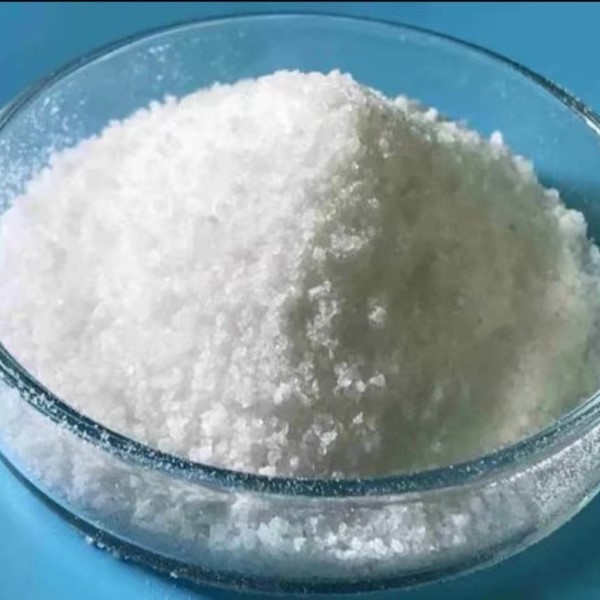
Soap making is a fascinating craft that combines artistry with chemistry. One of the fundamental components in crafting soap is the use of caustic chemicals, specifically sodium hydroxide (lye). These caustic chemicals play a critical role in the saponification process, where fats or oils react with alkali to create soap. Understanding these chemicals is essential for anyone interested in making their own soap. In this article, we will explore the various caustic chemicals used in soap making, their importance, safety precautions, and how they affect the overall quality of homemade soap.
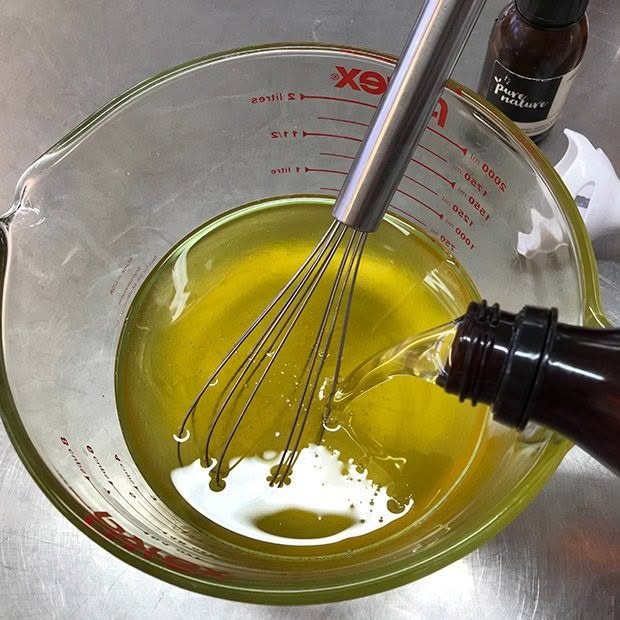
This blog will explore common caustic chemicals used in soap making and their significance. It will also shed light on their safety precautions and alternatives for more eco-friendly practices. By the end, you’ll gain insights into safe and efficient soap making.
The Role of Caustic Chemicals in Soap Making
Caustic chemicals are crucial to the soap making process. Without them, soap cannot form. They trigger a chemical reaction called saponification. This reaction combines oils or fats with an alkali to create soap and glycerin.
Saponification is the foundation of every soap making method, from cold process to hot process. Caustic chemicals, like sodium hydroxide (lye) and potassium hydroxide, ensure this reaction occurs efficiently. These chemicals break down fats and oils into fatty acid salts (soap) and glycerin.
Caustic chemicals help create soap’s cleansing properties. They bond oil and water molecules, allowing dirt and grease to wash away. This makes them indispensable for effective cleaning products.
Both amateur and professional soap makers use caustic chemicals for consistent results. Without these chemicals, obtaining the right texture and quality of soap is challenging. Proper usage and measurement are essential to avoid imbalances in the reaction.
Understanding caustic chemicals used in soap making helps ensure safety and product quality. A deeper understanding also allows soap makers to experiment with recipes while keeping their products safe and effective. Always handle caustic chemicals carefully to protect yourself and others during the process.
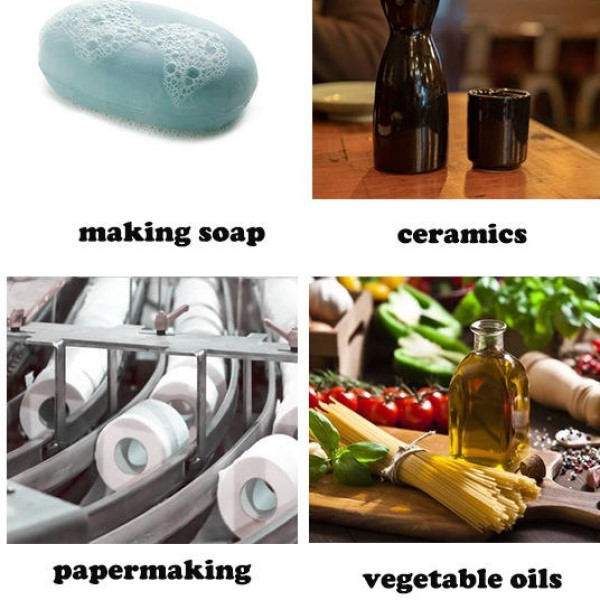
Common Caustic Chemicals Used in Soap Making
Caustic chemicals are fundamental to creating effective and high-quality soap. Among these, sodium hydroxide (lye) and potassium hydroxide play central roles. Each has unique properties and is used for specific soap types. Understanding these chemicals is essential for both safety and successful soap making.
Sodium Hydroxide (Lye)
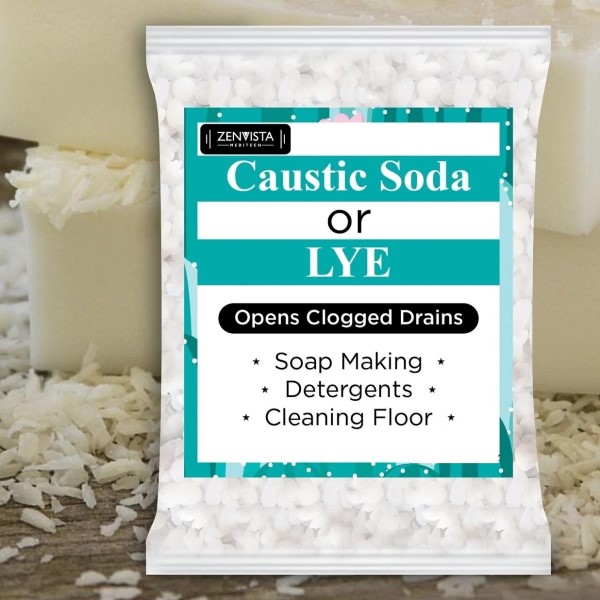
Sodium hydroxide, commonly called lye, is a key ingredient in soap making. It is a strong alkali that facilitates the saponification process. This chemical reacts with oils or fats to form solid soap and glycerin.
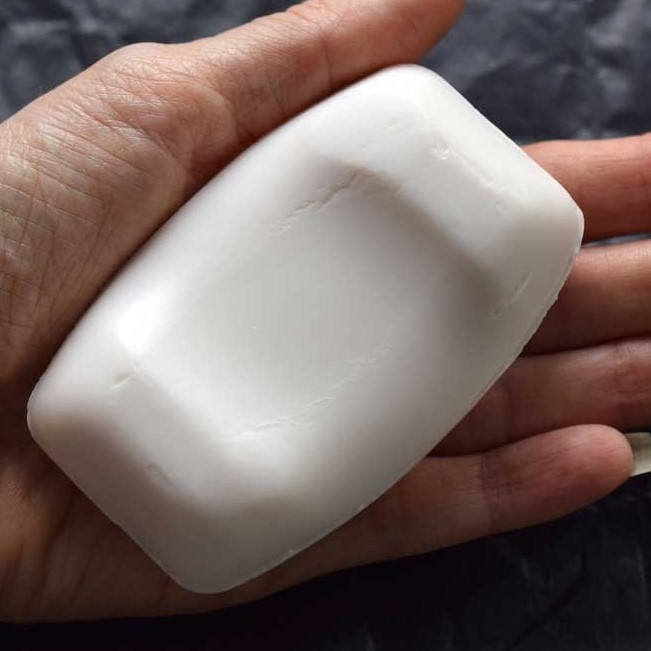
Soap made with sodium hydroxide is typically hard. Lye is a primary choice for creating bar soaps. It allows soap makers to achieve a firm and durable product.
While effective, lye is highly corrosive and must be handled with care. Wear protective gear like gloves and safety goggles when working with it. Proper ventilation is also important to avoid inhaling fumes during the mixing process.
When used correctly, lye ensures soap achieves the desired texture and cleansing properties. Measuring precise quantities is crucial to avoid excess or insufficient alkali in the soap.
Potassium Hydroxide
Potassium hydroxide is another fundamental caustic chemical in soap making. It is also a strong alkali, similar to lye. However, it is mainly used to create liquid soaps instead of bar forms.
This chemical produces a softer soap when combined with oils or fats. As a result, it is suited for making products like liquid hand soaps, shampoos, and body washes. Potassium hydroxide allows for a rich, lathering consistency that is easy to rinse.
Like lye, potassium hydroxide is corrosive and requires caution during handling. Always use protective equipment to reduce the risk of burns or inhalation of fumes.
Both sodium hydroxide and potassium hydroxide are indispensable for various soap making projects. They ensure the chemical reactions necessary for effective cleansing products. By understanding their properties and uses, soap makers can select the right chemical for their needs while ensuring safety throughout the process.
Safety Measures When Handling Caustic Chemicals
Caustic chemicals used in soap making are highly reactive and can pose safety hazards. Soap makers must follow essential safety measures to minimize risks. Handling caustic chemicals with care protects both the maker and the final product.
- Wear Protective Gear: Always use gloves, goggles, and long sleeves when working with caustic chemicals. This prevents skin burns, eye damage, and exposure.
- Ensure Proper Ventilation: Mix chemicals in a well-ventilated area. Fumes from caustic chemicals can irritate the lungs and eyes.
- Use Accurate Measuring Tools: Always measure caustic chemicals precisely. Incorrect measurements can lead to unsafe reactions or ineffective soap.
- Mix Slowly and Carefully: Add caustic chemicals to water gradually, not the other way. Sudden mixing may cause dangerous splashes.
- Work on a Stable Surface: Use a sturdy, heat-resistant surface for mixing. Avoid working near children or pets.
- Avoid Spills: Clean any spills immediately. Use vinegar to neutralize minor caustic spills and then wash the area.
- Prepare an Emergency Kit: Keep an emergency kit nearby. Include items like vinegar for neutralization and a first-aid kit for minor injuries.
- Never Inhale or Ingest: Inhaling or ingesting caustic chemicals can be fatal. Store them in labeled, secure containers to avoid accidents.
- Dispose Properly: Follow regulations when disposing of unused caustic chemicals. Never pour them directly into sinks or drains.
By adopting these safety measures, soap makers can handle caustic chemicals responsibly. Consistent precautions ensure a safe and enjoyable soap-making experience.
How to Properly Store Caustic Chemicals
Proper storage of caustic chemicals is essential for safety in soap making. It prevents accidents and ensures their effectiveness.
Choose the Right Container
- Use Durable Containers: Store caustic chemicals in airtight, non-reactive containers like plastic or glass.
- Avoid Metal Containers: Metals can corrode when exposed to these chemicals.
Label Clearly
- Ensure Labeling: Label all chemical containers with their name and warning signs.
- Include Instructions: Add emergency handling instructions for quick reference.
Store in a Safe Place
- Keep Away from Heat and Sunlight: Heat can cause chemical reactions or evaporation.
- Use Cool and Dry Areas: Store in places with controlled temperatures and low humidity.
- Restrict Access: Lock storage areas to prevent access by children or pets.
Prevent Moisture Exposure
- Seal Containers Properly: Ensure lids are tightly closed after use.
- Avoid Humid Zones: Moisture can degrade the chemicals or cause clumping.
Safe Handling Practices
- Wear Protective Gear While Storing: Use goggles and gloves to avoid contact with chemicals.
- Avoid Spills: Always handle containers cautiously to prevent leaks or spills.
Emergency Readiness
- Prepare Spill Kits: Keep vinegar and absorbent materials nearby for neutralizing spills.
- Have Safety Information Handy: Know first-aid procedures for exposure accidents.
Disposal Guidelines
- Dispose Responsibly: Follow local regulations for chemical disposal.
- Avoid Sink Drains: Never discard chemicals into sinks or drains to prevent environmental harm.
Proper storage practices protect you, others, and the quality of your soap-making ingredients. Stay vigilant at every step.
Environmental Impact of Caustic Chemicals in Soap Making
Caustic chemicals used in soap making, like sodium hydroxide and potassium hydroxide, can impact the environment. Responsible usage and disposal are necessary to minimize harm.
Water Pollution
Caustic chemicals can pollute water sources when not disposed of correctly. Mismanagement may harm aquatic organisms and disrupt ecosystems. Rinsing tools improperly can also introduce harmful residues into water systems.
Soil Contamination
When poured onto the ground, caustic chemicals can alter soil composition. They may affect soil pH, making it unfit for plant growth. Long-term misuse can lead to permanent soil damage.
Air Quality
Improper handling can release harmful fumes, reducing air quality. These fumes may impact human health and the environment. Mixing chemicals in a poorly ventilated space increases this risk.
Waste Management Challenges
Disposing of unused caustic chemicals poses challenges. Pouring them directly into dumpsters or drains can harm waste processing systems or pollute ecosystems. It is crucial to adhere to local waste disposal regulations.
Safe Practices to Reduce Environmental Harm
- Dispose properly: Follow local guidelines when getting rid of unused or expired chemicals.
- Minimize usage: Use only the required amount for each soap making batch.
- Neutralize waste: Use acidic solutions like vinegar to neutralize spills before cleaning surfaces.
- Proper cleaning: Rinse tools in diluted vinegar before cleaning with water.
- Promote sustainability: Opt for biodegradable oils and natural fragrances to lower the overall environmental impact.
Understanding the environmental impact of caustic chemicals is essential for responsible soap making. Proper practices protect ecosystems while enabling the creation of quality soap. Always handle these chemicals carefully and follow eco-friendly measures.
Alternatives to Caustic Chemicals in Soap Making
Using caustic chemicals is common in soap making, but there are eco-friendly alternatives. These alternatives can help avoid harsh chemicals while still creating quality soap.
Melt and Pour Soap Base
- Premade Bases: Use soap bases that already underwent saponification. No caustic chemicals are needed.
- Easy to Use: Heat, melt, and pour into molds for quick soap creation.
- Variety of Types: Choose bases with different scents, colors, or additives.
Glycerin Soap
- Non-Caustic: Glycerin soap requires no lye for production.
- Gentle on Skin: Ideal for sensitive skin due to its moisturizing properties.
- Simple Process: Melt glycerin soap blocks and mold as desired.
Vegetable-Based Soaps
- Natural Ingredients: Use oils like coconut or olive oil to create soap without caustic chemicals.
- Safer Alternative: Employ methods with minimal processing.
- Biodegradable: Supports eco-friendly practices through natural ingredient selection.
Soap Berries
- Plant-Based Solution: Soap berries, or soap nuts, contain natural saponins that clean effectively.
- Versatile Use: Use for laundry detergent, liquid soap, or shampoo.
- Eco-Friendly: Fully biodegradable and sustainable.
Castile Soap
- Olive Oil-Based: Made with only olive oil, no synthetic chemicals.
- Liquid and Bar Options: Available in various forms for different uses.
- Natural Cleaning Power: Effective yet gentle cleanser.
Advanced Techniques
- Enzymatic Processes: Explore natural enzymes to facilitate soap creation.
- Honey and Beeswax: Add natural cleaners and moisturizers for gentle soaps.
- Plant Extracts: Extract saponins from plants like yucca or soaproot for natural substitutions.
Using these alternatives, soap makers can reduce environmental impact and avoid caustic chemicals. Understanding and selecting the right substitute ensures safe and effective soap making.
Final Tips for Safe and Effective Soap Making
Ensuring safety and creating high-quality soap requires attention to detail and proper steps. Here are some final tips for making your soap-making process safe and successful:
- Plan Ahead: Organize all ingredients, tools, and protective gear before starting.
- Follow Accurate Recipes: Use trusted recipes to maintain the right balance of caustic chemicals and oils.
- Measure Precisely: Always measure caustic chemicals and other ingredients with accuracy.
- Use Protective Gear: Wear gloves, goggles, and long sleeves to avoid contact with caustic chemicals.
- Practice on Small Batches: Beginners can start with smaller amounts for easier handling and learning.
- Select Proper Tools: Use heat-proof and non-reactive tools like stainless steel, plastic, or silicone.
- Work in Ventilated Areas: Ensure fresh air to minimize exposure to chemical fumes.
- Stay Focused: Avoid distractions like phones or TV when working with caustic chemicals.
- First Aid Knowledge: Familiarize yourself with emergency procedures for chemical spills or exposure.
- Label and Store Properly: Store chemicals in well-marked, secure containers out of reach of children and pets.
- Dispose of Waste Responsibly: Follow local rules to discard unused chemicals.
- Experiment Safely: Once experienced, try new ingredients or techniques for innovative soap designs.
- Educate Yourself Continuously: Stay updated about soap-making trends and innovations.
By following these tips, both amateur and professional soap makers can enjoy a safe and rewarding experience. Always prioritize safety while creating effective, high-quality soap. Happy soap making!
Conclusion: Mastering the Art of Soap Making with Caustic Chemicals
In conclusion, understanding caustic chemicals, particularly sodium hydroxide, is fundamental for anyone interested in soap making. The saponification process depends on these chemicals, influencing the soap’s quality, safety, and effectiveness. By adhering to safety precautions and opting for high-quality ingredients, aspiring soap makers can create beautiful, nourishing products. Whether you are a novice exploring the craft or an experienced artisan, mastering these elements will enhance your soap-making journey. Combining creativity with chemistry not only results in lovely soap but can also foster a deeper appreciation for the art of crafting your own products at home. Embrace the potential of caustic chemicals used in soap making, and let your creativity shine while producing extraordinary creations!