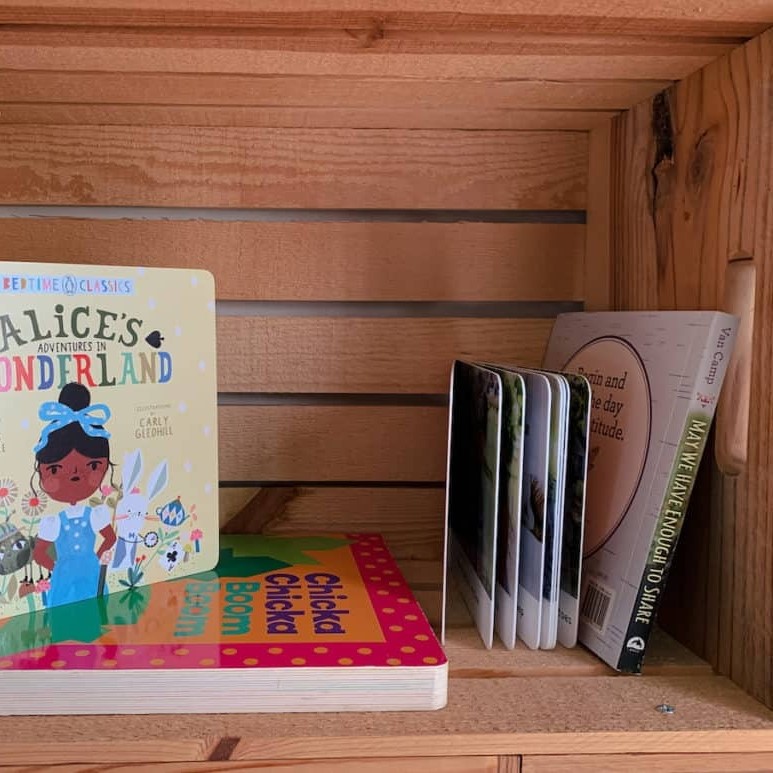
Introduction: What Is a Board Book?
When it comes to children’s literature, the question “what’s a board book?” often arises among new parents and caregivers. A board book is a type of children’s book specifically designed for the youngest readers. Unlike standard books, board books are constructed with thick, sturdy pages that resist tearing and can withstand the rigors of little hands exploring their world. This construction makes them ideal for babies and toddlers who are learning about books and reading.
Board books often feature bright, colorful illustrations, simple text, and engaging themes. They are an excellent introductory tool for teaching children about stories, letters, and the joy of reading. Throughout this article, we will explore the unique features of board books, their significant benefits for early childhood development, and tips for choosing the best ones for your child.

Unique Features of Board Books
What’s a board book? Board books possess several distinguishing characteristics that set them apart from traditional children’s books. Here are some pivotal features:
- Sturdy Construction: The pages of board books are made from thick, durable cardboard. This sturdy construction prevents ripping and tearing, allowing children to explore without fear of damaging the book. The ability to withstand harsh treatment ensures the book can be enjoyed multiple times.
- Rounded Edges: Many board books have rounded edges to minimize the risk of injury. This design is particularly important for small children who may not be aware of sharp corners. The soft edges make handling safer during reading and exploration.
- Engaging Illustrations: The imagery in board books is often bright, colorful, and eye-catching. This visual appeal helps retain the attention of young readers, encouraging them to engage with the story. The illustrations typically depict familiar scenes, animals, or objects that children can relate to.
- Simple Text: Board books usually contain concise texts with repetitive phrases or rhythmic patterns. This simplicity aids comprehension and encourages children to participate in reading. The straightforward language is perfect for toddlers who are just starting to recognize words.
- Interactive Elements: Many board books incorporate interactive features such as flaps to lift, textures to feel, or sensory elements. These attributes stimulate curiosity and enhance engagement, making the reading experience dynamic and fun.
Benefits of Board Books for Early Learning
What’s a board book? Board books serve many purposes in the realm of early childhood development. Here are some of the key benefits:
- Encouraging Early Literacy: Board books play a fundamental role in fostering early literacy skills. Reading to children introduces them to language, vocabulary, and storytelling structures, promoting word recognition and comprehension skills. This early exposure to books lays a foundation for successful literacy development.
- Promoting Bonding Time: Reading together provides an excellent opportunity for bonding between parents or caregivers and their children. Sharing stories creates moments of intimacy and comfort, strengthening emotional connections. This quality time is essential for developing trust and affection.
- Building Fine Motor Skills: The thick pages of board books allow young children to practice turning pages, which enhances their fine motor skills. This simple action helps develop their hand-eye coordination, dexterity, and control. As they learn to navigate the book, they gain confidence in their abilities.
- Fostering a Love for Reading: When children are introduced to books early on, they are more likely to develop a lifelong love for reading. The enjoyment derived from board books instills a positive attitude toward literature and encourages children to explore more stories as they grow.
- Encouraging Imagination and Creativity: Board books often feature imaginative stories that inspire creativity. Through these narratives, children can explore new worlds, concepts, and ideas, encouraging them to think independently and express their imaginations.
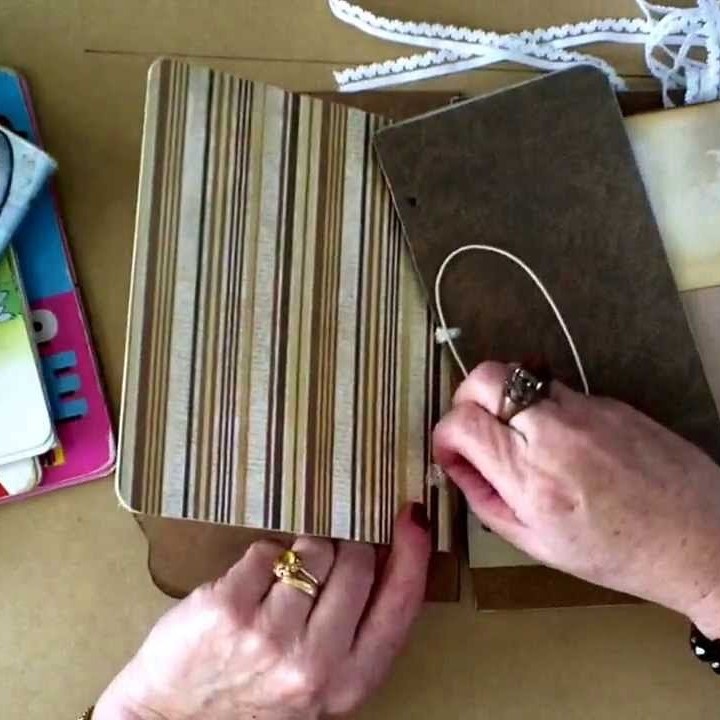
Choosing the Right Board Book
Selecting the appropriate board book for your child is crucial for their enjoyment and engagement. Here are some tips to guide your choices:
Know Your Child’s Age and Interests
- Importance of Age Appropriateness: Understanding your child’s age is crucial when selecting a board book. Different developmental stages come with varying interests and cognitive abilities.
- Books for Infants: For infants, board books that emphasize colors, shapes, and high-contrast images are particularly beneficial. They help stimulate visual development and encourage early visual recognition skills. Simple, repetitive text also aids in language acquisition.
- Books for Toddlers: As children grow into toddlers, their cognitive skills develop, and they often display a keen interest in stories and narratives. Board books for this age group frequently introduce simple plots and familiar objects. They may include everyday scenarios that resonate with toddlers, fostering a connection between the story and their real-life experiences.
- Tailoring to Interests: In addition to age, considering your child’s specific interests can steer you toward the right book. If a child loves animals, look for books that feature different species or pets. Aligning book topics with a child’s interests can make reading more engaging and enjoyable.
Look for High-Quality Illustrations and Stories
- Visual Appeal: High-quality illustrations are essential in board books, as they capture the attention of young readers. Look for books featuring vibrant colors and imaginative artwork that can stimulate a child’s imagination and curiosity.
- Impact of Well-Written Content: In addition to illustrations, the story itself should be well-crafted. Engaging narratives with clear, relatable themes help children connect emotionally to the content. Simplicity in storytelling aids comprehension, allowing children to grasp the message easily.
- Relatable Characters and Scenarios: Characters that children can relate to or understand will hold their attention longer. Whether it is a friendly animal or a child in familiar situations, relatable characters make the reading experience feel personal. This connection promotes a deeper engagement with the story.
- Incorporating Rhymes and Patterns: Stories that incorporate rhymes or rhythmic patterns can enhance the reading experience. They not only make reading fun but also aid in language development and phonemic awareness, which are crucial for early literacy.

Diversity in Topics
- Variety of Subjects: Board books encompass a broad spectrum of subjects. Topics can range from animals and numbers to emotions, storytelling, and everyday experiences. This variety encourages children to explore different themes and expand their knowledge base.
- Reflecting Interests: When choosing board books, selecting titles that reflect your child’s interests can enhance their engagement. For instance, if a child is fascinated by dinosaurs, look for board books that cater specifically to that interest.
- Introducing New Concepts: While it’s important to select books that align with existing interests, introducing new ideas through reading is also essential. Board books that feature concepts like seasons, colors, or cultural diversity help expand a child’s understanding of the world around them.
- Fostering Curiosity: Exposure to various themes through board books fosters a sense of curiosity in children. This exploration encourages deeper thinking and validation of their own experiences, helping them draw connections between the stories and their lives.
Check for Durability
- Significance of Sturdy Construction: Durability is a key factor when selecting board books. Since young children may not always handle books gently, durable construction ensures that the book can withstand wear and tear.
- Inspecting Page Thickness: Always check the thickness of the pages, as thicker pages are less likely to bend or tear. Sturdy pages help maintain the book’s integrity over time, ensuring it can be enjoyed for many reading sessions.
- Rounded Edges for Safety: Look for board books with rounded edges to reduce the risk of injury. Books with sharp corners can pose a hazard, but rounded edges are softer and safer for curious little hands.
- Durable Binding: Examine the binding of the book to ensure it is well-constructed. A well-bound board book will maintain its pages and withstand repeated readings without easily falling apart.
Interactive and Engaging Features
- Role of Interaction in Learning: Interactive elements in board books enhance the reading experience and keep children engaged. Features like flaps to lift or textures to touch can turn reading into a hands-on activity that promotes exploration.
- Sensory Features: Look for books that include various sensory elements, such as soft textures or shiny surfaces. These features stimulate the senses and can captivate children’s attention, making them more enthusiastic about reading.
- Encouraging Participation: Interactive board books invite children to participate actively in the storytelling process. For example, books that ask questions or encourage children to make animal sounds can foster engagement and enhance their involvement in learning.
- Promoting Cognitive Development: Books with interactive elements not only entertain but also promote cognitive and motor development. Engaging with the book in a physical way enhances fine motor skills and encourages problem-solving as children respond to various prompts within the story.
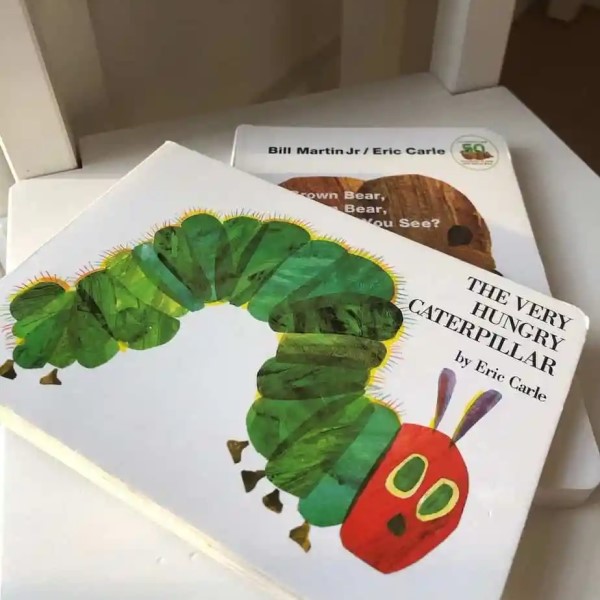
Frequently Asked Questions
What’s the difference between a board book and a hardcover?
Board books are made of thick, rigid cardboard pages, ideal for younger children. They are designed to withstand rough handling, while hardcover books typically consist of thinner pages and may not be as durable for infants and toddlers.
What’s the difference between a board book and a paperback?
Board books use stiff pages made from cardboard, which makes them sturdy and less prone to damage. Paperback books have flexible covers and thinner pages, making them suitable for older children who can handle books more carefully.
Why do books have 10 9 8 7 6 5 4 3 2 1?
The countdown typically appears in children’s books to create anticipation and engagement. It can enhance a story’s thematic elements, such as counting down to an event or outcome, making reading interactive and fun for kids.
What does it mean if a book is a board book?
If a book is labeled as a board book, it means it features thick, durable pages made of cardboard instead of paper. This design ensures that the book can withstand rough use by young children while being easy for little hands to handle.
Conclusion: The Importance of Board Books in Early Childhood Development
In conclusion, understanding what’s a board book highlights the significance of these invaluable resources in early childhood development. Board books offer a gateway to literacy, learning, and bonding, providing children with a foundation that supports language and cognitive growth.
Choosing the right board books is paramount to fostering a love for reading. By selecting high-quality, engaging stories that cater to a child’s interests, parents and caregivers can ensure a joyful reading experience that encourages exploration and learning. As children grow, introducing a variety of books, including board books, will enrich their literary environment and promote a lifelong passion for reading.
Ultimately, board books are more than just reading tools; they are essential building blocks for developing young minds and nurturing relationships. Engaging with children through reading lays the groundwork for their future educational success while creating cherished memories that they will carry into their futures. The journey of introducing children to the world of literature begins with these charming and durable books, making them an essential part of every child’s library.