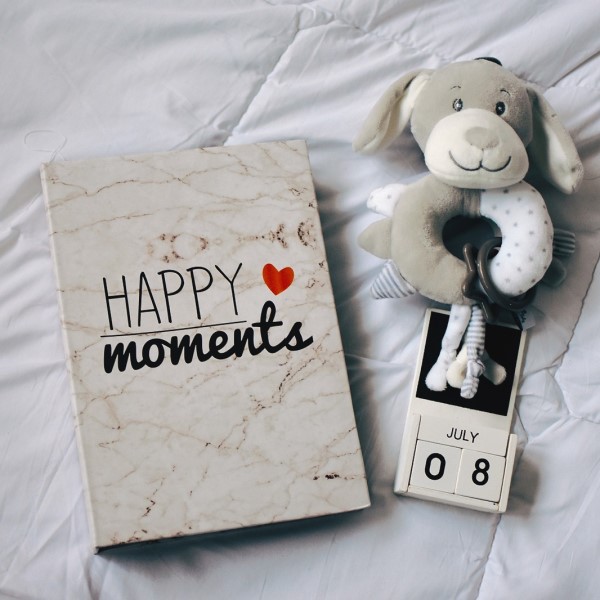
The arrival of a new baby is a momentous occasion that evokes a plethora of emotions. Parents often find themselves overwhelmed with joy and love, creating an ideal scenario for documenting these memories in a baby book. However, many individuals grapple with the question: what to write in a baby book? This guide aims to unpack the various elements you can include, helping you to create a timeless keepsake filled with love and memories.
The Importance of Baby Books
Baby books serve as a treasure chest, encapsulating the early years of a child’s life. They allow parents, guardians, and family members to document significant milestones and memories in a cohesive manner. Every page turned offers an opportunity for nostalgia, providing children with a glimpse into their formative years. As children grow older, they can revisit these precious moments, learning about their family history and the love that surrounded them.
The experience of writing in a baby book is also an emotional journey. It encourages parents to reflect on their experiences, fostering a strong bond between them and their child. Furthermore, baby books are a wonderful way to pass down family traditions and stories, connecting generations in a meaningful way. Consequently, understanding what to include and how to write in a baby book can significantly enhance this experience.
Essential Components of a Baby Book
When determining what to write in a baby book, focus on various elements that contribute to a well-rounded and unforgettable treasure. Below are key components to include:
- Birth Information: This is the foundational section of your baby book. Record vital details such as the baby’s name, birth date, time, weight, length, and location of birth. This information serves as a touchpoint for future reminiscing.
- Family Tree and Heritage: Including a family tree helps your child understand their roots. Discuss parents, grandparents, and siblings to foster a sense of belonging. You can even add photographs or stories related to family history.
- Milestones Matter: Documenting milestones is crucial. Create dedicated pages for significant events like first words, first steps, and their first birthday. Each entry becomes a building block in your baby’s life story, chronicling their development.
- Special Memories: Dedicate pages to documenting special memories, from holidays to family outings. These stories will provide warmth and joy when revisited.
- Photos and Keepsakes: A picture is worth a thousand words. Including photographs, hospital bands, or even locks of hair can provide tactile memories that enrich the experience. Make sure to incorporate captions or short narratives alongside these items.
- Reflections and Letters: Writing letters to your child can be an emotional exercise. Share your hopes, dreams, and even fears for your child’s future. They can look back on this personal touch and understand the depth of your feelings.
- Favorite Quotes and Sayings: Including quotes from family members or beloved books adds depth to the narrative. These can be moments of wisdom or humorous observations that encapsulate the joy of parenting.
Crafting Meaningful Messages
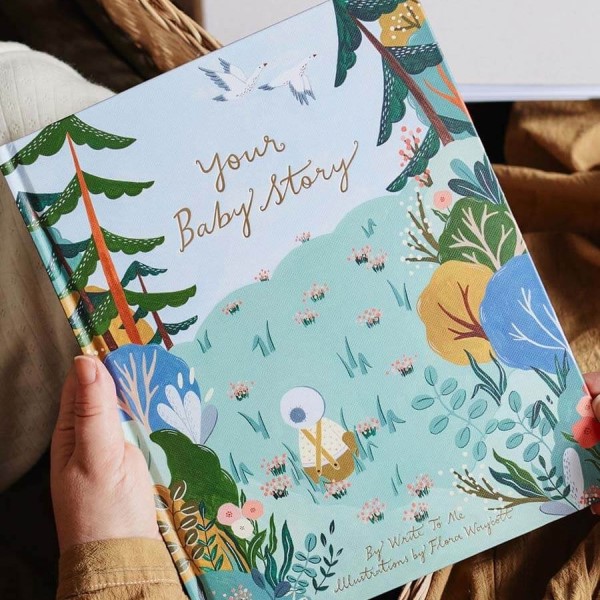
A significant part of filling a baby book is writing heartfelt messages. Such messages can be directed toward the child, family members, or future generations. Here are some suggestions on how to create meaningful entries:
- Wishes for the Future: “May your life be filled with amazing journeys, love, and laughter. Always pursue what brings you joy.”
- Expressions of Love: “From the moment we met, you stole our hearts. Welcome to the world, little one! You are deeply loved.”
- Reflections on Parenthood: “Every day is a new adventure, filled with delightful chaos. I cherish each moment spent with you, even the sleepless nights.”
- Words of Wisdom: “As you grow, always remember that kindness and courage will carry you far. Believe in yourself, and you can achieve anything.”
- Family Anecdotes: Share anecdotes that make your family unique, like the story of your child’s name or a memorable family trip.
- Quotes that Resonate: Incorporate quotes that hold special meaning to you or your family. They can act as guiding principles for your child as they grow.
These meaningful messages are invaluable additions that will connect your child to their roots, fostering a sense of identity and belonging.
Unique Ideas for Baby Book Entries
If you find yourself struggling with what to write in a baby book, consider these unique ideas for entries:
First Experiences:
- Eating Solid Food: Write about the moment your baby tried solid food for the first time—the look of wonder on their face, the mess that ensued, and their reactions to different tastes and textures. This experience can serve as a milestone in their development and a cherished memory.
- First Trip to the Beach: Share the excitement of the first visit to the beach. Describe the baby’s reaction to the sand, the sound of the waves, and how they felt when they first encountered water. Capture the sights, sounds, and sensations that made this outing special.
- First Cold: Document the experience of your baby’s first cold, detailing how you handled their discomfort, the remedies you tried, and the lessons learned in caring for a sick infant. This can show the vulnerability and strength in both the child and the parents.
Favorite Things List:
- As your child grows, create and update a list of their favorite things. This could include preferences like favorite foods, toys, colors, and activities.
- Reflect on how these favorites change over time, providing a snapshot of their evolving personality and interests.
- This section can be a delightful time capsule that you can revisit to share nostalgia and stories as they grow older.
A Day in the Life:
- Paint a vivid picture of a typical day in your baby’s life, highlighting their morning routine, favorite activities, and bedtime rituals.
- Describe the joy in their interactions with family members and how they respond to the world around them through play and exploration.
- Emphasize the little moments, such as bath time giggles or storytime cuddles, to encapsulate the warmth and love present in your daily lives together.
Health Journey:
- Record the significant health milestones of your child, starting with their first pediatrician visit, vaccinations, and growth check-ups.
- Note any health challenges they face, how these moments tested their resilience, and the lessons learned through these experiences.
- This documentation not only chronicles your child’s physical growth but also highlights emotional growth and the bond developed through care and nurturing during tough times.
Gifting a Baby Book
Are you considering gifting a baby book? Here are some suggestions on what to write when presenting a baby book to a child or expecting parents:
- A Personal Note: Include a sweet note expressing your happiness about the new arrival. Mention how the baby book will serve as a wonderful way to preserve memories.
- Why Baby Books Matter: Share your thoughts on the significance of baby books. Discuss how they can foster family bonds and educate children about their history.
- Encouragement for Filling Out: Encourage the parents to fill out the book regularly and treat it as a fun activity they can do together as a family.
- Future Memories: Suggest that they leave space for their child to add their thoughts and memories in the future. This creates an inclusive and interactive experience.
Adding these personalized touches can transform the baby book into a meaningful gift that the family will treasure.

Frequently Asked Questions (FAQs)
What do I write in a baby book instead of a card?
Instead of a card, opt for a heartfelt letter written directly in the baby book to express your joy and love. It offers a more lasting sentiment.
What should a baby book include?
A baby book should include essential details such as birth information, milestones, family history, and a variety of photographs. Other components like letters, quotes, and special memories make it richer.
What should I write when gifting a book to a child?
When giving a baby book, include a personal note about the joy of preserving memories and your hopes for the child’s future.
What to write in a baby message?
You can write about welcoming the child into the world, expressing your love and happiness, and sharing future aspirations. Personal touches make it unforgettable.
Conclusion
In summary, knowing what to write in a baby book can greatly enrich your experience as a parent or caregiver. These books go beyond being mere collections of memories; they serve as legacies that convey love, hopes, and dreams. By including thoughtful entries, unique memories, and heartfelt messages, you can create a keepsake that will be cherished for generations to come. So, gather your thoughts, your favorite stationery, and that beautiful baby book—it’s time to start chronicling the magical journey of your child’s life!