Introduction to Creative STEM Learning
The landscape of education is constantly shifting towards hands-on experiences. Parents and educators are increasingly seeking engaging ways to teach complex concepts. Consequently, the popularity of STEM activities has surged in recent years. Among these, the paper roller coaster stands out as a premier project. It combines creativity with fundamental engineering principles. Children do not just read about physics; they see it in action. This project transforms a simple classroom or living room into a bustling engineering lab. Furthermore, the year 2026 brings new enthusiasm for DIY science projects. Families are looking for screen-free alternatives that captivate young minds. This activity perfectly fits that need.
It encourages problem-solving and critical thinking skills. Moreover, it provides hours of entertainment for the whole family. The joy of watching a marble successfully navigate a track is unmatched. Therefore, this guide will explore the many benefits of this activity. We will discuss how to get started and what you need. We will also delve into the educational value behind the fun. Ultimately, you will see why this project is a staple in modern education.
The Educational Value of Hands-On Engineering
Education is most effective when students actively participate. Passive learning often fails to engage young minds fully. In contrast, building a paper roller coaster demands active involvement. Students must design, build, test, and revise their creations. This iterative process is the heart of engineering. Furthermore, the project integrates multiple academic disciplines seamlessly. For instance, mathematics is used to measure track lengths and angles. Physics concepts become tangible rather than abstract.
Children learn about gravity, friction, and momentum through trial and error. Consequently, they retain this knowledge much longer. Additionally, this project fosters essential soft skills. Patience is required when initial designs fail. Perseverance is developed as they troubleshoot problems. They learn to work collaboratively if done in groups. Therefore, the educational value extends far beyond science class. It prepares children for real-world challenges. The sense of accomplishment also boosts confidence. They realize they can create complex systems from scratch. This empowerment is a crucial outcome of STEM education. Thus, teachers and parents should prioritize such hands-on challenges.
Essential Materials and Preparation Steps
One of the best aspects of this project is its accessibility. You do not need expensive equipment to get started. Most materials are likely already in your home or classroom. However, proper preparation ensures a smooth building process. First, you need a substantial amount of paper. Cardstock or heavy construction paper works best for durability. Regular printer paper is often too flimsy for the tracks. Therefore, invest in quality paper to avoid frustration. Second, you will need adhesive. Scotch tape or masking tape is ideal.
Glue can be messy and takes too long to dry. Furthermore, you need a reliable cutting tool. Scissors are standard, but a paper cutter can speed up the process. Adults should always supervise the use of sharp tools. Additionally, you need a base for your structure. A large piece of cardboard or foam board serves well. It provides a stable foundation for the coaster. Finally, you need marbles to test your design. Having a variety of marble sizes can add an extra layer of experimentation. Consequently, gathering these materials is the first step. It sets the stage for a successful engineering adventure.
Understanding the Physics Behind the Fun
A paper roller coaster is essentially a physics lesson in motion. Understanding the science behind it enhances the learning experience. Gravity is the primary force at play. It pulls the marble down the initial drop, providing potential energy. As the marble descends, this potential energy converts into kinetic energy. Therefore, the height of the starting point is crucial. It determines the speed and momentum for the rest of the track. Furthermore, friction plays a significant role. It acts as a resistant force that slows the marble down.
Students must design tracks that minimize friction. Smooth connections between paper pieces are essential. Consequently, they learn how surface texture affects motion. Moreover, centripetal force comes into play during loops and turns. The marble must move fast enough to stay on the track. However, it must not move so fast that it flies off. This delicate balance requires careful calculation and testing. Students intuitively grasp these concepts as they adjust their designs. They see exactly how energy is conserved and lost. Thus, the project makes abstract physics principles concrete and understandable.
Step-by-Step Guide to Building Your First Track
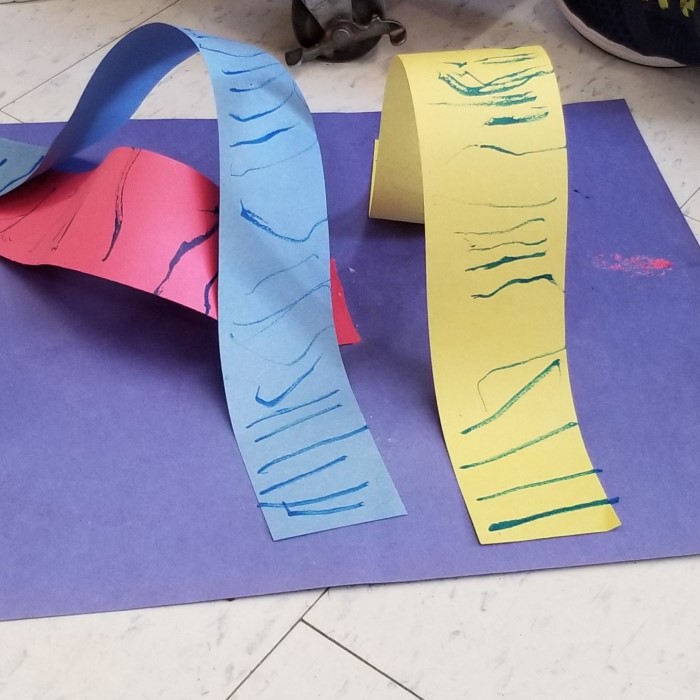
Starting the building process can feel daunting. However, breaking it down into manageable steps simplifies the task. First, you must create the support structure. These are the columns that hold up the track. You can make them by folding paper into triangular tubes. Triangles are incredibly strong shapes in engineering. Therefore, they provide excellent stability. Next, you need to construct the track itself. There are several common designs for track sections. A “U-shape” fold is standard for straight paths.
It keeps the marble contained within the boundaries. For turns, you must bank the track. This prevents the marble from rolling off due to inertia. Consequently, precise folding is key to success. After building the elements, you assemble the coaster. Start from the top and work your way down. Connect each section securely with tape. It is important to test the flow frequently. Do not wait until the entire structure is finished. Testing section by section saves time and effort. If a marble jumps the track, adjust that specific area immediately. This step-by-step approach ensures a functional final product.
Incorporating Advanced Design Elements
Once the basic structure is complete, students can add excitement. Advanced elements make the paper roller coaster more challenging and thrilling. For example, a vertical loop is a classic addition. To build a loop, you need a flexible paper strip. You must shape it into a circle and secure it tightly. The entry speed must be sufficient to complete the circle. Therefore, the preceding drop must be high enough. Another exciting element is the jump. This involves a gap in the track.
The marble must fly through the air and land on the other side. This requires precise calculation of trajectory. Furthermore, students can add a “funnel” or a “spiral”. A funnel is a cone shape that guides the marble into a smaller opening. A spiral wraps the track around a central column. These elements showcase advanced engineering skills. They also look incredibly impressive. Consequently, students are motivated to push their limits. They learn to innovate and solve complex spatial problems. Adding these features transforms a simple project into a masterpiece of paper engineering.
Troubleshooting Common Construction Issues
Even the best-laid plans often encounter obstacles. Building a paper roller coaster involves a fair amount of troubleshooting. One common issue is a lack of speed. The marble may stop halfway through the track. This usually means the initial drop was not high enough. Alternatively, there might be too much friction. Check for rough edges or tight corners. Therefore, smoothing out the track is often the solution. Another frequent problem is structural instability. The coaster might wobble or collapse under its own weight. This indicates that the support columns are not strong enough. You may need to add more bracing or triangular trusses. Furthermore, the marble might consistently fly off the turns.
This suggests the turn is not banked correctly. You must increase the angle of the outer edge of the track. Consequently, the marble is pushed inward by the wall. Patience is the most important tool during this phase. Students must analyze the failure and formulate a hypothesis. They then test their solution. This cycle of debugging is a vital skill in engineering and coding. It teaches resilience and analytical thinking.
The Future of STEM and DIY Projects in 2026
Looking ahead to 2026 and beyond, the role of hands-on learning is growing. Technology is advancing rapidly. However, the fundamental principles of engineering remain constant. Projects like the paper roller coaster bridge the gap between the physical and digital worlds. While students can simulate coasters on computers, building one physically offers unique tactile feedback. They experience the materials and the forces directly. Furthermore, there is a growing trend towards sustainable education.
Using paper, a recyclable material, teaches environmental responsibility. It shows that you do not need expensive plastic kits to learn. Creativity is the most valuable resource. Additionally, these projects are becoming more social. Classrooms often hold competitions for the longest track or the most creative design. This fosters a sense of community and healthy competition. Therefore, the relevance of this project is unlikely to fade. It adapts to new educational standards while keeping the core fun intact. It prepares the next generation of engineers and architects. They will have a solid foundation of practical knowledge.
Conclusion
In summary, the paper roller coaster is more than just a craft project. It is a comprehensive educational tool that inspires young minds. It blends physics, mathematics, and engineering into a fun activity. Children learn to think critically and solve problems creatively. They also develop patience and fine motor skills. As we move through 2026, the importance of such STEM activities cannot be overstated. They provide a necessary break from digital screens. They encourage families and classmates to work together. The satisfaction of a successful run is a powerful motivator. Therefore, we encourage you to gather your materials today. Start designing and building your own masterpiece. You will be amazed at what you can create with simple paper and tape. The journey of building is just as rewarding as the final result. Join the movement of creative learning and build your own paper roller coaster now.