Introduction to Natural Odor Solutions
Every home encounters unpleasant smells from time to time. You might have pets, children, or a busy kitchen that contributes to these odors. Many people reach for commercial sprays immediately. However, these products often contain harsh chemicals. They might mask odors rather than eliminate them. Therefore, more homeowners are looking for safer alternatives. Making your own homemade Febreze is an excellent solution. It is safe, cost-effective, and customizable. You control what goes into the air you breathe. This guide will walk you through the process. We will explore why natural options are better. You will also learn the science behind odor elimination. Transitioning to DIY solutions is easier than you think. Consequently, you can keep your home smelling fresh without worry.
Why You Should Avoid Commercial Air Fresheners
Commercial air fresheners are popular, but they have downsides. Many contain volatile organic compounds (VOCs). These chemicals can cause headaches or respiratory issues. Furthermore, they often use synthetic fragrances. These fragrances may trigger allergies in sensitive individuals. The cost is another significant factor. You pay a premium for the brand name and packaging. Over time, this expense adds up considerably. In contrast, natural ingredients are affordable and safe. You likely have most of them in your pantry already. Moreover, commercial sprays only hide bad smells. They do not always neutralize the source. This means the odor returns quickly. By choosing a DIY approach, you avoid these risks. You ensure a healthy environment for your family. Thus, the shift to natural products is a smart choice for health and budget.
The Science Behind DIY Odor Elimination
Understanding how ingredients work helps you create better sprays. Odors often come from bacteria or acidic compounds in the air. Baking soda is a powerful tool in this regard. It is a natural deodorizer that neutralizes acidic odors. For example, it works well on sour smells. Vinegar is another key ingredient. It is acidic and kills bacteria effectively. Consequently, it removes the source of the smell. When you combine these, you create a potent cleaner. Essential oils add pleasant scents. However, they also possess antibacterial properties. Oils like tea tree or lavender fight germs naturally. Therefore, your homemade Febreze does more than just smell good. It actively cleans the air. This scientific approach ensures lasting freshness. You are not just covering up the problem. You are solving it at the molecular level.
Essential Ingredients for Your Homemade Spray
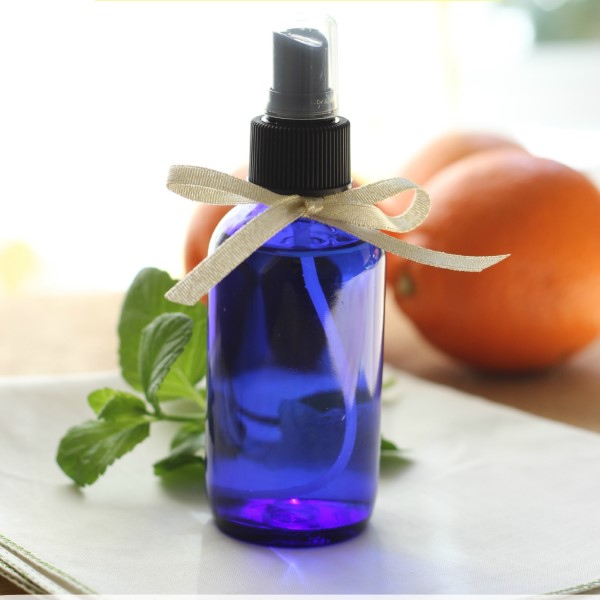
You need only a few simple items to start. First, gather your base liquid. Distilled water is best because it is pure. Tap water contains minerals that might cause spoilage. Next, you need white vinegar. It acts as the primary odor fighter. Baking soda is your second main ingredient. It scrubs odors away naturally. Additionally, you need rubbing alcohol or vodka. These help the spray dry faster. They also act as preservatives. Finally, select your favorite essential oils. Lavender, lemon, and peppermint are popular choices. Each offers unique benefits. You will also need a clean spray bottle. A dark glass bottle is ideal. It protects the essential oils from sunlight. With these ingredients ready, you are prepared to mix your first batch. This simplicity is the beauty of DIY projects.
Step-by-Step Recipe: The Basic Fabric Refresher
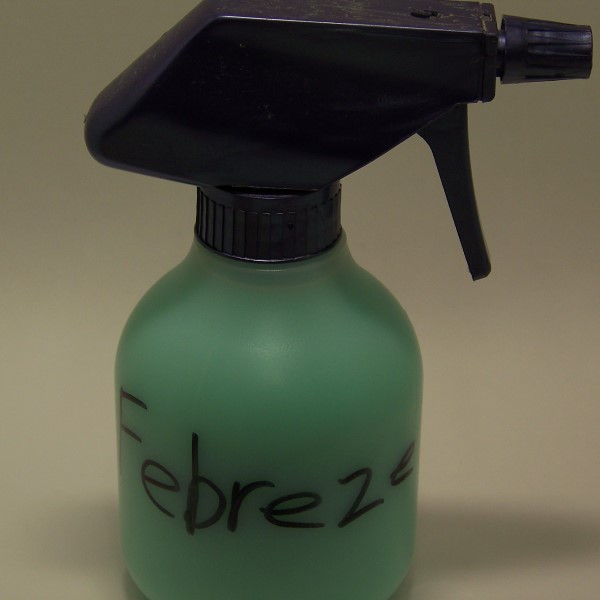
Creating your own spray is incredibly easy. Follow these simple steps for the best results. First, take a clean spray bottle. Pour in one cup of distilled water. Be careful not to overfill the bottle. Next, add half a cup of white vinegar. The vinegar smell will dissipate as it dries. Then, add one tablespoon of baking soda. Do this slowly to avoid fizzing over. After that, add a few drops of essential oil. Ten to fifteen drops are usually sufficient. Shake the mixture well before each use. This ensures the baking soda distributes evenly. Now, your homemade Febreze is ready for action. Spray it lightly on fabrics or in the air. Test a small hidden area first. This ensures the fabric does not stain. You will notice the freshness immediately.
Advanced Variations for Specific Needs
You can customize your spray for different purposes. For a stronger cleaner, increase the vinegar ratio. This works well for stubborn pet odors. Alternatively, use fabric softener for a laundry-like scent. Mix one part softener with two parts water. However, use this sparingly on fabrics. It might leave a residue. If you dislike the vinegar smell, use vodka instead. Vodka dries odorless and neutralizes smells effectively. You can also create seasonal scents. Use cinnamon and orange oils for fall. Try pine or peppermint for the winter holidays. These variations keep your home smelling unique. Furthermore, you can make a “linen spray” version. Use more essential oils and less vinegar. This is perfect for freshening bedsheets. Experimenting with ratios is part of the fun. You will find the perfect mix for your home.
Tips for Safe and Effective Usage
Using your DIY spray correctly ensures safety and longevity. First, always shake the bottle. Ingredients separate when sitting still. Second, avoid soaking the fabric. A light mist is all you need. Too much moisture can lead to mold growth. Third, let the area dry completely. The odor elimination happens as the spray evaporates. Therefore, patience is key. Also, store your spray in a cool, dark place. Sunlight degrades essential oils over time. If you notice mold or a strange smell, discard the batch. Since there are no strong preservatives, the shelf life is shorter. Make small batches that you can use within a month. Finally, keep sprays away from pets and children. Even natural ingredients can be irritating in large amounts. Follow these tips for a safe home.
Troubleshooting Common DIY Spray Issues
Sometimes, your mixture might not work as expected. One common issue is clogging. Baking soda can clump and block the nozzle. To fix this, strain your mixture through a cheesecloth. Alternatively, use hot water to dissolve the soda better. Another issue is a lingering vinegar smell. If this happens, reduce the vinegar amount. You can also add more essential oils. Sometimes, the spray leaves white spots. This is usually baking soda residue. Wipe the area with a damp cloth. Make sure you shake the bottle vigorously. If the scent fades too quickly, try a different oil brand. Higher quality oils last longer. Do not get discouraged by these small hurdles. Adjusting the recipe is part of the process. Soon, you will master the perfect formula.
FAQ: Your Questions Answered
Many people have questions about switching to DIY homemade febreze. Here are answers to the most common queries.
What can I use as a substitute for Febreze?
You can use a mixture of white vinegar and water. This is the most effective natural substitute. It neutralizes odors rather than masking them. Additionally, a mix of rubbing alcohol and essential oils works well. This option dries very quickly. Some people also use hydrogen peroxide. However, be careful as it has bleaching properties. Always test fabrics before spraying.
What can I use if I don’t have Febreze?
If you need a quick fix, check your pantry. Baking soda alone is a great deodorizer. Sprinkle it on carpets or upholstery. Let it sit for fifteen minutes. Then, vacuum it up thoroughly. Alternatively, simmer citrus peels in water on the stove. This releases natural oils into the air. It freshens the whole house quickly. These methods are simple yet effective.
What is the main ingredient in Febreze?
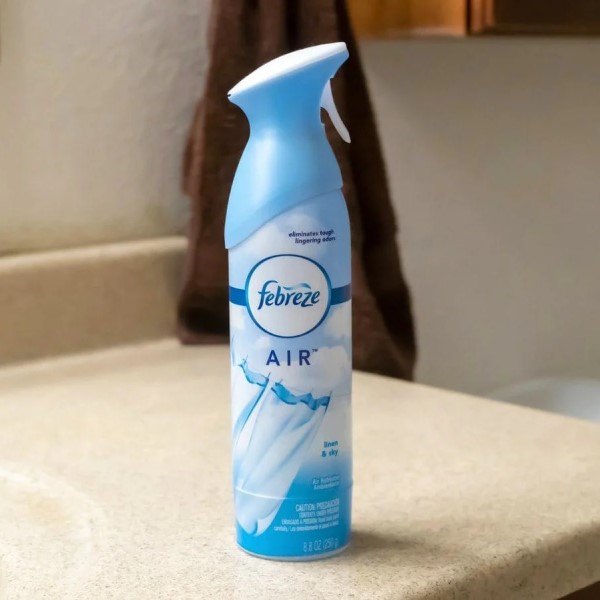
The active ingredient in commercial Febreze is hydroxypropyl beta-cyclodextrin. This is a molecule that traps odor molecules. It effectively locks them inside its ring structure. While effective, it is a synthetic chemical. In contrast, natural options use acids or bases. Vinegar and baking soda react with odors chemically. They break down the odor compounds naturally. This is why DIY options are preferred by health-conscious individuals.
How to make your own fabric refresher spray?
To make your own spray, you need a bottle. Mix one cup of distilled water with half a cup of vinegar. Add one tablespoon of baking soda. Then, include 10-15 drops of essential oil. Shake the mixture well before use. This spray works on most fabrics. It is safe for pets and children when used correctly. It is an affordable and easy solution.
Conclusion
Maintaining a fresh home does not require expensive products. You can achieve excellent results with simple ingredients. Making homemade Febreze empowers you to control your environment. You avoid harmful chemicals and save money. The process is simple and the benefits are clear. Furthermore, you can customize scents to your liking. Natural solutions are often just as effective as store-bought ones. They tackle the root cause of odors. This ensures a cleaner, healthier living space. We encourage you to try these recipes today. You will enjoy the peace of mind that comes with natural living. Start mixing your own refresher now. Your home will thank you for it.