Introduction: The Significance
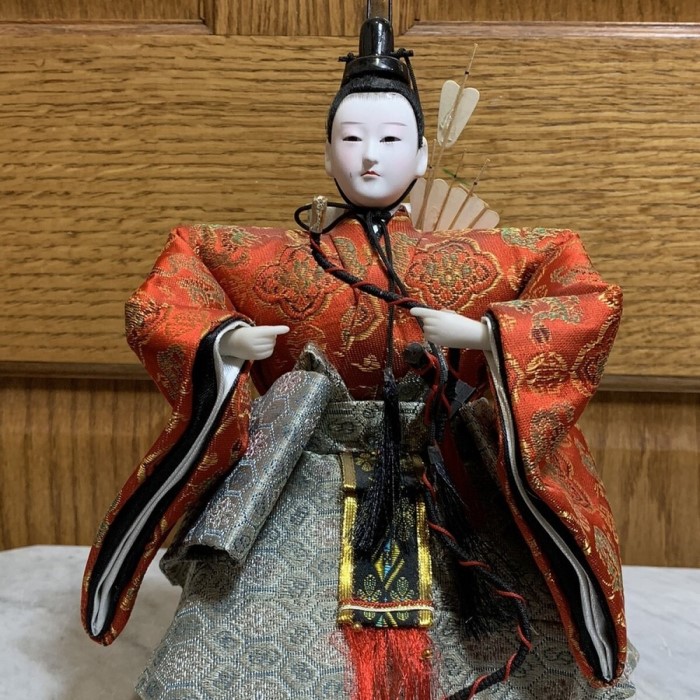
The hina doll is a treasured element of Japanese culture that embodies artistic craftsmanship and rich traditions. Traditionally displayed during the Hina Matsuri festival, or Girls’ Day, these beautiful dolls represent the ideal of grace and beauty. As society evolves, the appreciation for Hina dolls continues to grow, sparking interest among collectors and enthusiasts around the world.
In this article, we will explore the artistry, significance, and cultural heritage surrounding Hina dolls in 2026. We will also discuss their history, care instructions, and the aspects that make them valuable collectibles. Whether you’re a novice collector or simply an admirer of Japanese art, this guide aims to celebrate the beauty and allure of Hina dolls.
Understanding the History
Origins of Hina Dolls
Hina dolls have a rich history that dates back to the Heian period (794-1185 AD). Initially designed as ceremonial items, they were believed to ward off bad spirits and bring good fortune. Over time, these dolls evolved into the charming representations seen today.
- Cultural Significance: The tradition of Hina Matsuri arose as a way to pray for the health and happiness of girls. Today, families set up elaborate displays of Hina dolls ranging from elegant princesses to their accompanying courtiers.
- Artistic Craftsmanship: Each Hina doll is meticulously crafted, reflecting the aesthetic values of Japanese art. Craftsmen use high-quality materials, such as washi paper, silk, and lacquer, to create beautiful garments for the dolls.
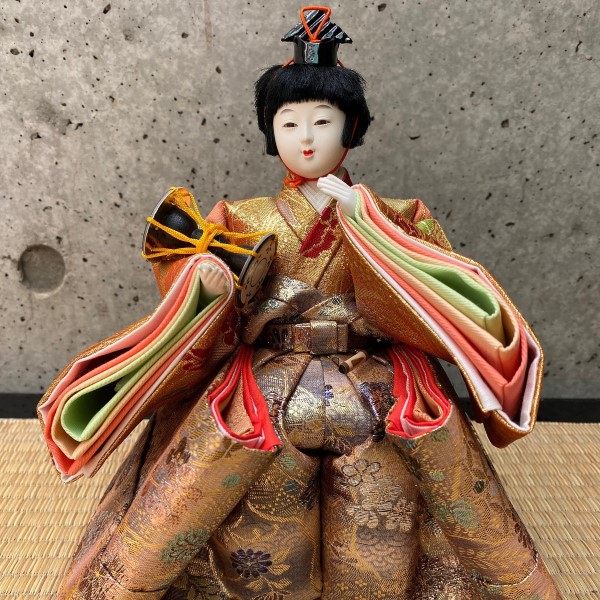
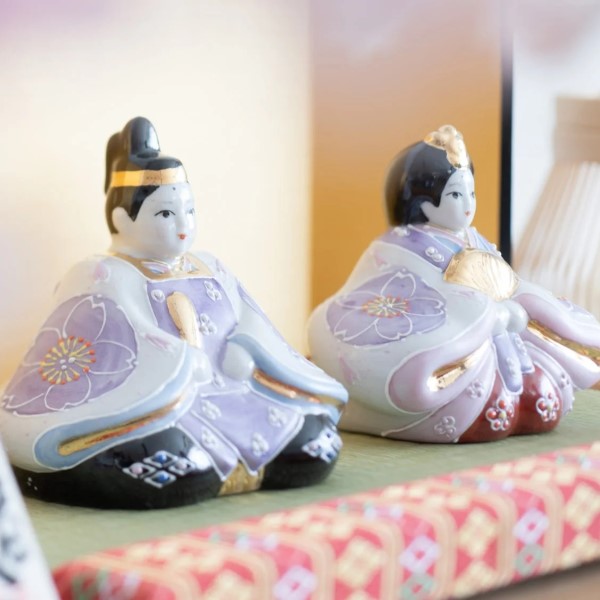
- Symbolism: Each character in the Hina doll display holds symbolic meanings. For example, the Emperor and Empress (the central figures) represent harmony and happiness, while the attendants add layers of charm and beauty to the entire ensemble.
The Artistry
Exquisite Designs and Materials
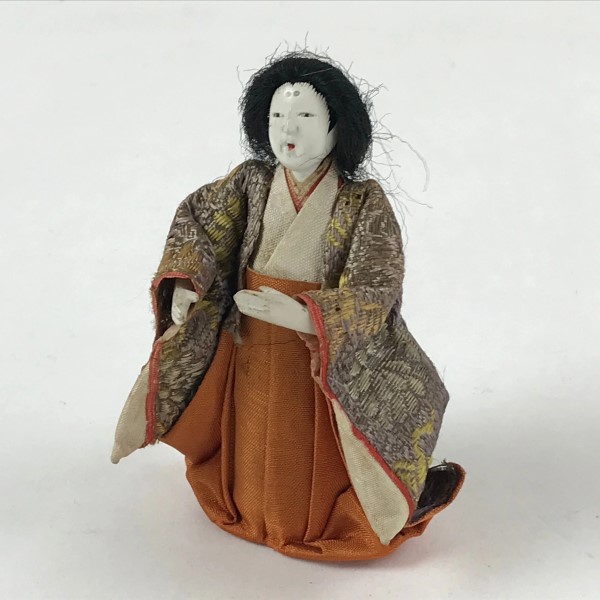
Every Hina doll is a work of art that showcases intricate designs and exquisite craftsmanship. The attention to detail is evident in garments, facial expressions, and overall presentation.
- Materials Used: Traditionally, Hina dolls are crafted from various materials, including wood, clay, and fabric. The primary focus is on high-quality components that reflect the elegance of Japanese culture.
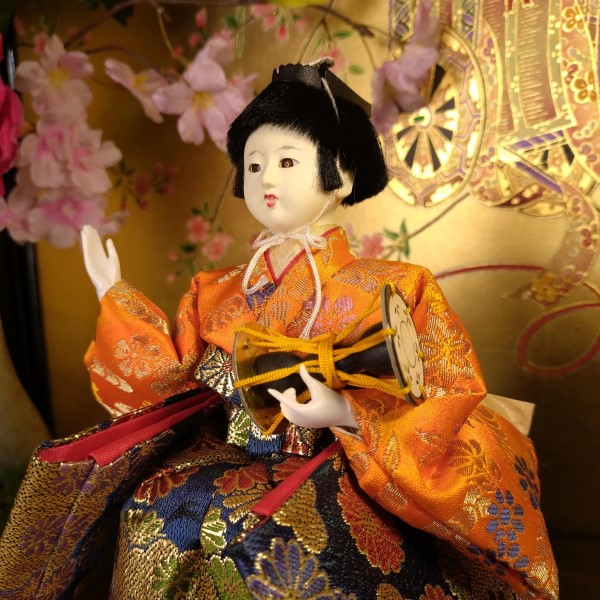
- Clothing and Accessories: The clothing worn by Hina dolls often features beautiful patterns, complemented by elaborate accessories. Fabrics are hand-sewn, and details such as obi (sashes) and hair ornaments are made with precision.
- Expression and Pose: The dolls display delicate facial features and postures that evoke serene beauty. Artisans invest time and skill to perfect each expression, giving dolls an emotional connection to the viewer.
Display and Decoration
When displayed, Hina dolls are arranged on a multi-tiered platform, beautifully adorned with traditional Japanese decorations.
- Setting Up the Display: The dolls are typically placed on a red cloth to enhance their appearance. Each tier holds specific characters, with the Emperor and Empress on the top.
- Seasonal Significance: Hina dolls are traditionally displayed from early February until mid-March, leading up to the Hina Matsuri festival. After this period, families carefully store the dolls to preserve them for future generations.
- Caring for the Dolls: Proper care is essential to maintain the beauty and quality of Hina doll. Protecting them from sunlight and dust ensures they retain their original charm for years to come.
Why Collect Hina Dolls?
Enthralling Cultural Connection
Collecting Hina dolls offers enthusiasts an opportunity to connect with Japanese culture and traditions. Owning these dolls fosters an appreciation for craftsmanship and the meaning behind this cherished practice.
- Cultural Preservation: Collectors play an active role in preserving cultural heritage. By investing in Hina dolls, they help keep the tradition alive, ensuring that future generations can also appreciate these exquisite pieces of art.
- Learning Experiences: Through the process of collecting, enthusiasts often delve into the history and nuances of Japanese customs. This journey allows for a deeper understanding of cultural significance.
Investment Potential
Hina dolls have become increasingly popular in the collectible market, making them a viable investment choice.
- Increasing Value: The value of Hina dolls can appreciate over time, especially rare or vintage editions. As interest in Japanese art and culture grows, collectors may find their investments rewarding.
- Market Demand: The rise in popularity of international collecting trends has brought attention to Hina dolls, attracting both novice and seasoned collectors. This increased demand can contribute significantly to a doll’s market value.
- Community of Collectors: Being part of a community of Hina doll enthusiasts provides support and companionship. Collectors often share resources, attend conventions, or participate in online discussions, fostering a sense of belonging.
Caring for Your Hina Doll
Best Practices for Maintenance
Proper care helps maintain both the aesthetic and functional quality of your Hina doll. Here are essential tips for effective doll maintenance:
- Regular Cleaning: Use a soft, dry cloth to dust off your Hina doll regularly. Avoid using water or harsh chemicals, as these can damage delicate materials.
- Storage Considerations: Store your Hina doll in a dry, cool place to prevent damage from humidity and temperature fluctuations. Use protective coverings, like cloth bags, to guard against dust.
- Addressing Minor Repairs: If damage occurs, it is essential to repair it promptly. Identify the fabric or accessory needing attention and make temporary fixes with gentle care. Avoid using heavy adhesives or chemicals that could worsen the condition.
Displaying Your Hina Doll
Display is as essential as maintenance for the beauty of your Hina doll.
Choosing the Right Location
- Avoiding Direct Sunlight:
- It is crucial to find a display location for your Hina doll that avoids direct sunlight. Prolonged exposure to sunlight can cause the colors on the doll’s surface to fade over time, diminishing its overall visual appeal.
- UV rays are particularly harmful, as they can break down the materials used in the doll’s construction. By selecting a location that minimizes direct sunlight, you preserve the doll’s vibrancy and integrity.
- Stable Display Area:
- Aim to position the Hina doll in a stable and secure display area. A rocking or uneven surface can lead to accidents, especially if the doll is placed on a shelf, table, or pedestal. Stability is vital to prevent any falls or damages that can arise from instability.
- Ensure that the display is flat and free from bumps that could knock the doll over. This precaution helps ensure the safety of your doll while enhancing its visual presentation.
- Free from Disturbances:
- The chosen display area should also be free of disturbances and heavy traffic. Avoid placing the doll in areas where it might be bumped or knocked into by people or pets.
- A peaceful environment allows for better enjoyment of the doll and minimizes the risk of accidental contact that could cause damage.
- Controlling Climate Conditions:
- Beyond avoiding sunlight, consider the climate conditions of the display area. Humidity, temperature fluctuations, and extreme weather can negatively affect the materials in the doll.
- A controlled environment—meaning a stable temperature and humidity level—will help keep the doll in prime condition. Look for a space with consistent air circulation and minimal exposure to moisture.
Creating an Aesthetic Arrangement
- Incorporating Traditional Japanese Elements:
- To enhance the overall presentation of your Hina doll, consider incorporating traditional Japanese elements into the display. This can help create a culturally rich and aesthetically pleasing environment.
- Elements such as kimono fabrics, silk drapes, or patterned textiles can complement the doll’s clothing and accentuate its artistry. Simple yet elegant backgrounds add depth to the display.
- Utilizing Cultural Symbols:
- You might also include cultural symbols and artifacts relevant to Japanese heritage. Items such as cherry blossom branches, paper lanterns, or origami creations can bring a sense of authenticity and cultural resonance to the display.
- Using these symbols fosters a greater appreciation of the traditions that Hina dolls represent, making the arrangement more meaningful.
- Creating Layers and Depth:
- Consider arranging the display in layers to create depth and visual interest. Placing the Hina doll at the center of a multi-tiered arrangement, surrounded by complementary decorations, makes for a captivating focal point.
- Using varying heights for other decorative items adds dimension. For instance, place shorter artifacts or decorations in front of the doll while taller items frame her on the sides.
- Maintaining Simplicity:
- While it’s important to create an aesthetically pleasing arrangement, simplicity should also be prioritized. Avoid overcrowding the display with too many items, as this can distract from the Hina doll itself.
- A clean and simple presentation allows the viewer to focus on the details of the doll, showcasing its beauty and historical significance without unnecessary distractions.
- Regularly Updating the Display:
- Consider changing or updating the arrangement seasonally to maintain freshness. A new look can reinvigorate interest and appreciation for the doll, especially if you incorporate seasonal Japanese elements.
- This approach keeps the display dynamic, allowing fans and collectors to discover new facets of the Hina doll experience.
FAQ About Hina Dolls
Why Are Hina Dolls So Expensive?
Hina dolls can be expensive due to their intricate craftsmanship, high-quality materials, and the cultural significance they carry. Rare editions and those with original packaging tend to command higher prices in the market.
Why Do People Buy Hina Dolls?
People buy Hina dolls for various reasons, including cultural appreciation, as decorative pieces, or as investments. They symbolize Japanese traditions and beauty.
What Is a Hina Doll?
A Hina doll is a traditional Japanese doll that is displayed during the Hina Matsuri festival, also known as Girls’ Day. These dolls represent the Emperor and Empress, along with their courtiers, and are celebrated for their beauty and artistry.
Conclusion: Embracing the Tradition of Hina Dolls
In conclusion, the Hina doll represents not only artistic beauty but also an essential link to Japanese cultural heritage. By understanding their history, significance, and proper care techniques, you can truly appreciate these exquisite collectibles.
Whether you are a collector or simply an admirer of Japanese art, the Hina doll continues to inspire and captivate. Celebrate the charm of Hina dolls and consider investing in this timeless piece of culture that has withstood the test of time. Embrace the tradition and artistry of Hina dolls, and allow their elegance to enrich your life for years to come.