Introduction
Soap making is a rewarding craft. It allows you to make personalized products. These can be used by you or gifted to others. Taking soap making class is a great way to learn.
What is Soap Making?
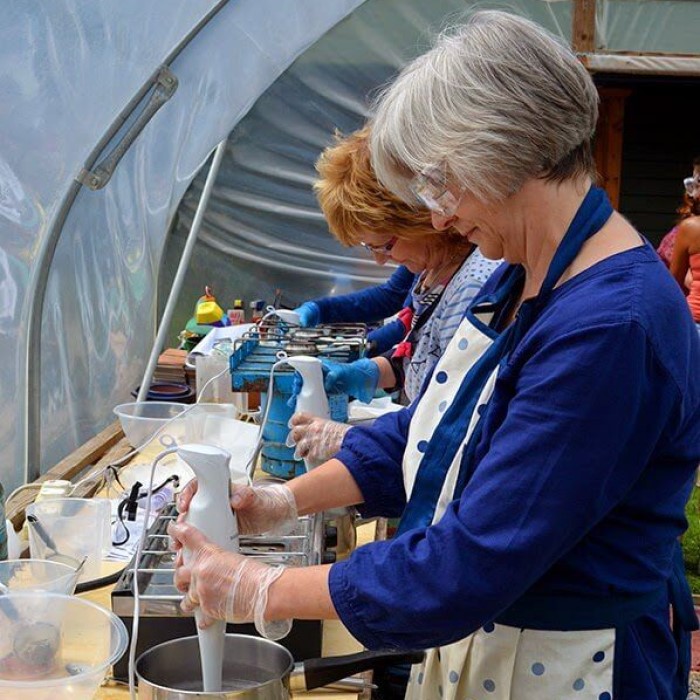
Soap making is the process of creating soap from various ingredients. It involves combining oils, fats, and a lye solution. This mixture results in hardened soap products. There are different methods for making soap, like melt-and-pour, cold process, and hot process. Each method offers unique benefits and challenges. Soap making classes teach techniques step-by-step, making it easier to understand.
The Benefits of Learning Soap Making
Learning soap making has several advantages. You can create eco-friendly, chemical-free products. These are healthier for your skin and the environment. Soap making lets you enjoy creative freedom. You can experiment with shapes, colors, and fragrances. It’s also a fun and relaxing activity. Soap making can save money since homemade soaps are more cost-effective. Additionally, it can be turned into a profitable business with proper planning.
Types of Soap Making Techniques
When it comes to soap making, there are three main techniques: melt-and-pour, cold process, and hot process. Each method has its distinct processes, benefits, and results. Choosing the right method depends on your experience level and desired outcome.
Melt and Pour Soap Method
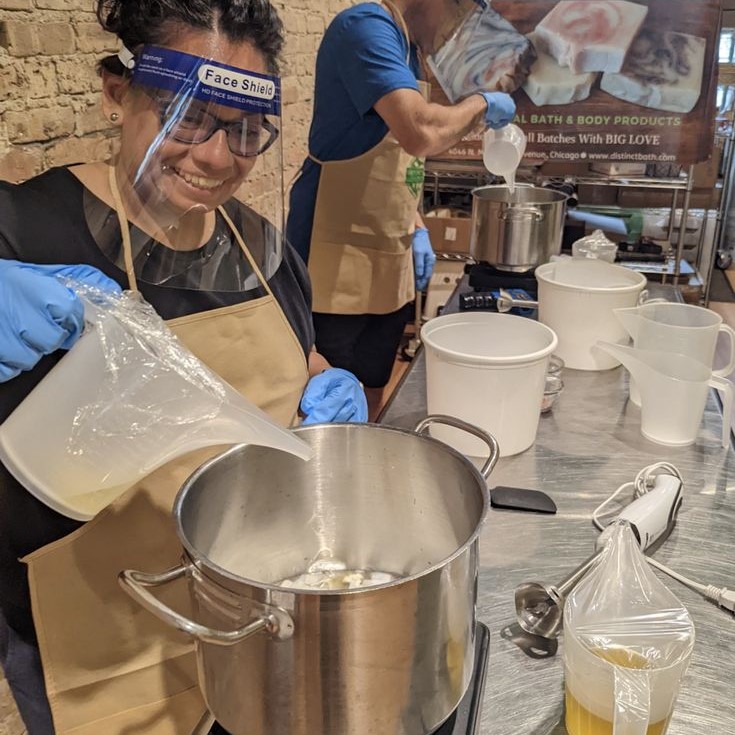
The melt-and-pour method is ideal for beginners. It involves using a pre-made soap base, which you melt, customize, and pour into molds. This technique eliminates the need to handle lye, making it safer for first-timers.
- Ease of Use: Perfect for quick and simple soap crafting.
- Customization: Add colors, fragrances, and additives to personalize your soap.
- Time-Efficient: Skip the curing time; soaps are ready to use as soon as they cool.
If you want to start learning soap making with less complexity, this is a great choice.
Cold Process Soap Method
The cold process method is popular among experienced crafters. This technique uses oils and lye to create soap from scratch. The mixture undergoes a saponification process, which turns it into soap.
- Natural Option: Allows for creating completely natural and chemical-free soaps.
- Texture Freedom: Customize texture, design, and exfoliants.
- Longer Curing Time: Takes 4–6 weeks to fully cure, enhancing its quality.
This is ideal if you enjoy experimenting with recipes and have patience for the curing process.
Hot Process Soap Method
The hot process soap method uses heat to speed up the saponification process. The mixture is cooked, making the final soap usable sooner than with the cold process.
Faster Results
- Immediate Use of Soaps: One of the key advantages of certain soap-making methods is that they allow for immediate use. Unlike traditional soap-making processes, which often require lengthy curing periods, some soaps can be used right away.
- Short Curing Time: Even when a short curing time is needed, it is typically much less than the curing time required for cold process soaps. This makes them a popular choice for those who want quick results without sacrificing quality.
- Convenience: This speed and ease of use are particularly appealing for beginners or those looking to craft gifts on short notice. The ability to use homemade soap almost immediately adds to its practicality and appeal.
Rustic Appearance
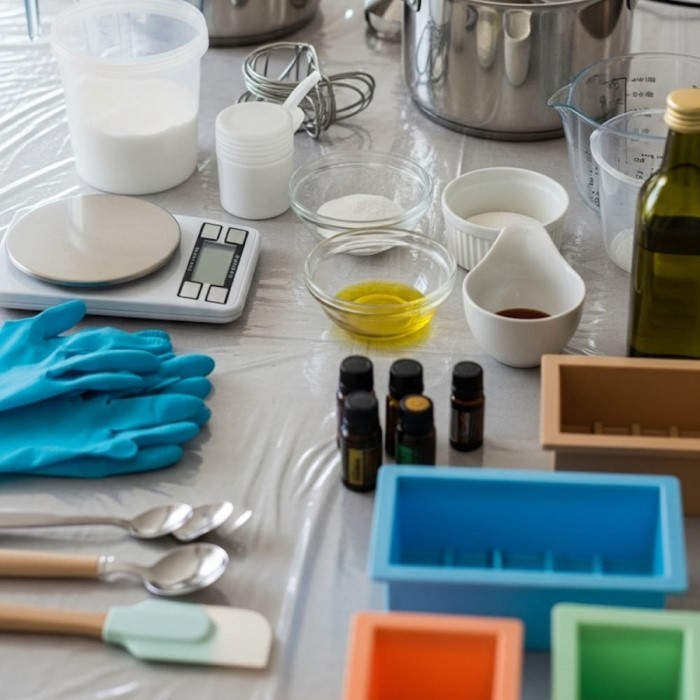
- Handmade Aesthetic: Soap made through certain methods often has a rustic and textured look, which adds to its charm. This artisanal appearance is highly valued among those who appreciate handcrafted goods.
- Unique Textures: The textured finish can vary depending on the ingredients and methods used. For example, natural additives like herbs, exfoliants, or colorants can create uneven surfaces that enhance the tactile quality of the soap.
- Craftsmanship Impression: A rustic appearance indicates the soap’s handmade nature, appealing to consumers who prefer artisanal products over mass-produced alternatives. It signifies care and craftsmanship, making each bar unique.
Customization Post-Cooking
- Flexibility in Adding Fragrances and Colors: After the cooking process of soap making, there is still ample opportunity to customize the final product. This flexibility allows for an endless array of creations tailored to personal preferences.
- Variety of Choices: You can add various essential oils or fragrance oils after the cooking stage to create unique scents. Additionally, the choice of colors through colorants or natural dyes offers a wide range of aesthetic options.
- Personal Touch: Customization post-cooking enables creators to experiment with different combinations of scents and colors, allowing for personal touches that reflect individual tastes. This aspect makes each soap unique and special, perfectly suited for personal use or gifting.
This technique is suitable for those who want a more hands-on approach and quicker results.
By learning these soap making techniques, you can discover which one suits your needs. Soap making classes often cover all these methods, providing step-by-step guidance and hands-on experience. Choose one based on your interest, skill level, and goals.
What to Expect in a Soap Making Class
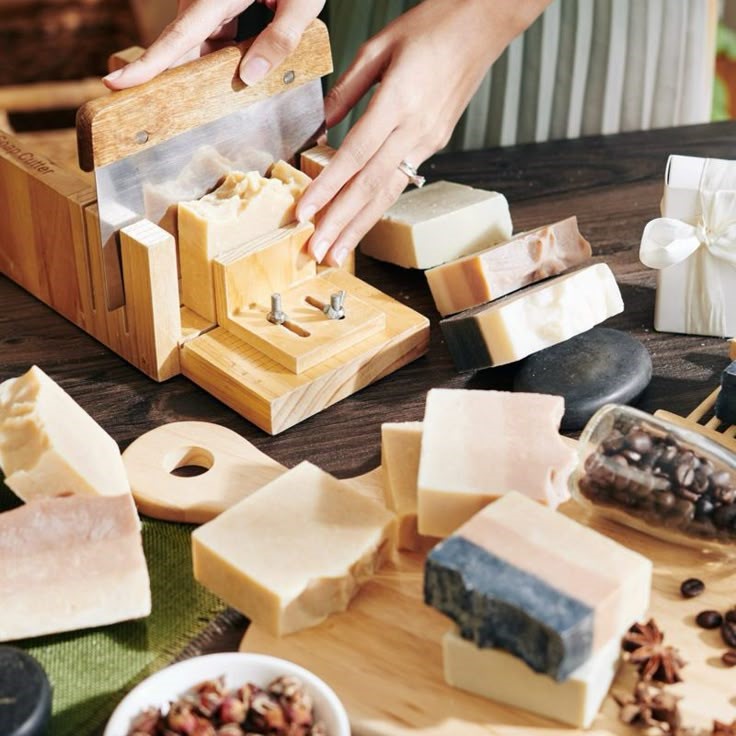
Joining a soap making class can be a delightful and educational experience. These classes are designed to cater to beginners and experienced soap makers alike. Here’s what you can expect when you sign up for one.
Hands-on Learning Experiences
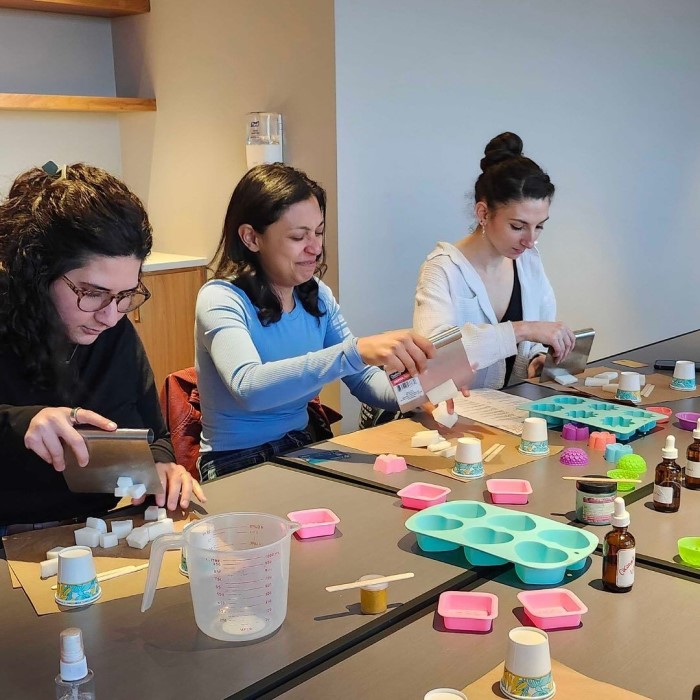
Soap making classes offer interactive learning. Participants get practical experience while crafting soap. Instructors guide you through every step of the process, ensuring clarity. You’ll mix ingredients, select molds, and create personalized soaps. Working alongside others offers a collaborative and fun environment. You learn better by doing rather than just observing. Hands-on learning builds confidence and enhances your skills.
Tools and Materials Provided
Most soap making classes provide essential tools and materials. You won’t need to bring anything unless stated otherwise. Expect high-quality materials like oils, additives, molds, and pre-made bases. Instructors explain how to use tools safely and efficiently. Using professional equipment adds value to the learning experience. You’ll also learn about different types of materials and their effects on the final product. This knowledge helps you create the best possible soaps.
Understanding Safety Measures
Safety is a vital part of soap making. Classes emphasize proper handling of ingredients like lye. Instructors explain safety gear like goggles and gloves to prevent accidents. They also teach you about ventilation and storage for chemicals. Learning safety measures ensures a safe soap making experience at home. Following these guidelines protects your skin, eyes, and health during the process.
Soap making classes cover everything from hands-on crafting to safety protocols. You’ll leave with skills, knowledge, and confidence to make soap independently at home.
How to Choose the Right Soap Making Class
Finding the right soap making class is essential for a successful experience. Choosing a class depends on your goals, skill level, and preferred learning style. Here’s how to select the perfect option based on your needs.
Evaluating the Skill Level of Classes
Before enrolling, assess the skill level required for the class. Check if it’s for beginners, intermediate, or advanced crafters. Beginners should look for basic classes with hands-on guidance. Advanced learners may prefer specialized courses for mastering complex techniques. Review the course outline to ensure it matches your expertise.
Finding Local and Online Classes
Explore both local and online options for soap making class. Local classes offer in-person interactions and practical experiences. They provide a collaborative learning environment and direct support from instructors. Online classes are flexible and accessible, allowing learning from home. Search for credible platforms or local studios that specialize in soap making. Remember to check schedules and costs to find what suits you best.
Reviews and Recommendations
Reviews and recommendations can help you make informed decisions. Check testimonials from previous participants for feedback. Positive reviews often indicate high-quality instruction and a great learning experience. Join forums or social media groups focused on soap making. Fellow enthusiasts can recommend classes and share tips. Personal referrals from friends with experience can be highly valuable.
By evaluating skill levels, exploring options, and reading reviews, finding the right soap making class becomes easier. Pick a class that aligns with your goals and preferences for an enjoyable learning journey.
Essential Tools and Ingredients for Soap Making
Equipping yourself with the right tools and ingredients is vital for successful soap making. Whether you’re a beginner or experienced, having the essentials ensures a smooth and enjoyable process.
Basic Tools for Beginners
Starting with soap making requires only a few basic tools. Here’s what you’ll need:
- Mixing Bowls: Use heatproof glass or stainless steel bowls for mixing ingredients.
- Measuring Tools: Accurate measuring cups, spoons, and a digital scale are essential for precise measurements.
- Thermometer: A thermometer helps monitor the correct temperatures during the soap making process.
- Soap Molds: Molds shape your soap. Use silicone molds for easy removal after the soap sets.
- Spatula: A silicone spatula is perfect for mixing and scraping containers without wasting materials.
- Stick Blender: This makes mixing the oils and lye solution faster and smoother.
- Protective Gear: Heavy-duty gloves, goggles, and an apron ensure safety while handling caustic materials like lye.
Having these tools ready sets the foundation for hassle-free soap making. Each item plays an important role in creating quality soap products.
Common Soap Making Ingredients
Key ingredients greatly influence the texture, scent, and quality of your soap. Here are the most common ones:
- Base Oils and Fats: Oils like olive, coconut, and palm oil are essential for the soap base.
- Lye (Sodium Hydroxide): Lye reacts with oils in the saponification process to create soap.
- Distilled Water: This ensures no impurities interfere with the chemical reactions.
- Additives: Ingredients like oatmeal, herbs, and clays add texture and skin benefits.
- Scents: Essential oils or fragrance oils give your soap a pleasant smell.
- Colorants: Naturally derived or cosmetic-grade colorants help customize your soap’s appearance.
- Preservatives: Natural preservatives like vitamin E protect the soap’s quality.
These ingredients offer endless possibilities for creation. Choose high-quality inputs to ensure a superior final product.
With the right tools and ingredients, soap making becomes a rewarding and creative craft. By mastering these basics, you’ll be well on your way to making your very own handmade soaps.
Tips for Success in Soap Making Classes
Preparing Before the Class
Preparation is key to making the most out of your soap making class. Here are steps to ensure a smooth experience:
- Understand the Basics: Review soap making techniques like melt-and-pour, cold process, or hot process before attending.
- Gather Supplies: Make sure you know the materials provided and bring additional ones if required.
- Dress Appropriately: Wear comfortable clothes and closed-toe shoes to ensure safety and ease.
- Bring Protective Gear: Gloves, goggles, and an apron are essential to protect yourself from lye and spills.
- Stay Hydrated and Rested: Being attentive and energetic helps you absorb instructions better during the class.
Planning ahead ensures you are ready to focus on learning and crafting beautiful soap products.
Common Mistakes and How to Avoid Them
Mistakes are part of learning, but understanding common errors can help you avoid them. Here are tips to prevent setbacks:
- Skipping Measurements: Always follow precise measurements for ingredients to ensure proper saponification and soap quality.
- Ignoring Safety Rules: Handle lye with care. Wear safety gear and use proper ventilation during the process.
- Rushing Through Steps: Soap making requires patience. Follow the method step-by-step without skipping curing times.
- Overloading Additives: Too many fragrances or colors can affect the soap’s texture and quality.
- Not Testing Equipment: Check your tools like molds and blenders before starting to avoid disruptions.
Learning from mistakes is valuable, but preparation prevents common ones and enhances your experience.
Turning Soap Making into a Hobby or Business
Soap making is not just a craft; it can also be a fulfilling hobby or profitable business. Embracing soap making provides a creative outlet and the potential to earn money. Let’s explore both paths further.
Exploring Creative Designs and Fragrances
Soap making allows endless creativity with designs, fragrances, and textures. Personalize soaps to reflect individuality and preferences.
- Experiment with Shapes: Use molds in various shapes, including flowers, animals, or geometric patterns.
- Blend Colors: Combine natural or cosmetic-grade colorants for vibrant or subtle designs.
- Use Additives: Enhance soap with ingredients like oatmeal, coffee grounds, or botanicals for unique effects.
- Select Custom Scents: Mix essential oils or fragrance oils to create signature aromas.
Creative soap making adds joy and artistic expression to the process. Explore new combinations and innovate products that stand out.
Building a Soap Making Business
Starting a soap making business can be a lucrative opportunity. Follow these steps to turn your craft into a business:
- Develop Quality Products: Focus on unique, eco-friendly, and chemical-free offerings to attract customers.
- Learn About Packaging: Design appealing packaging to enhance product value and catch the eye of customers.
- Create a Brand: Develop a memorable name and logo reflecting the values of your business.
- Understand Pricing: Conduct market research to set competitive yet profitable prices.
- Use Marketing Strategies: Promote products through social media, craft fairs, or online stores to reach more customers.
- Follow Regulations: Ensure compliance with labeling laws and safety standards for soap products.
Building a soap making business requires planning, effort, and passion. With dedication, handmade soaps can turn into a successful enterprise.
Soap making as a hobby encourages creativity, while turning it into a business offers financial rewards. Whether it’s for fun or profit, crafting soap enriches your life in many ways.
Conclusion
In conclusion, the soap making class offers aspiring soap makers a wealth of knowledge and skills to embark on their creative journey. Understanding the basics of soap making, choosing the right class, and mastering essential techniques allows you to successfully craft unique and personalized products. Avoid common pitfalls and embrace your creativity to explore the endless possibilities of soap making. As you hone your skills and share your creations, you’ll gain not only expertise but also confidence in your abilities. Dive into this rewarding endeavor and enjoy the therapeutic benefits of soap making!