Introduction
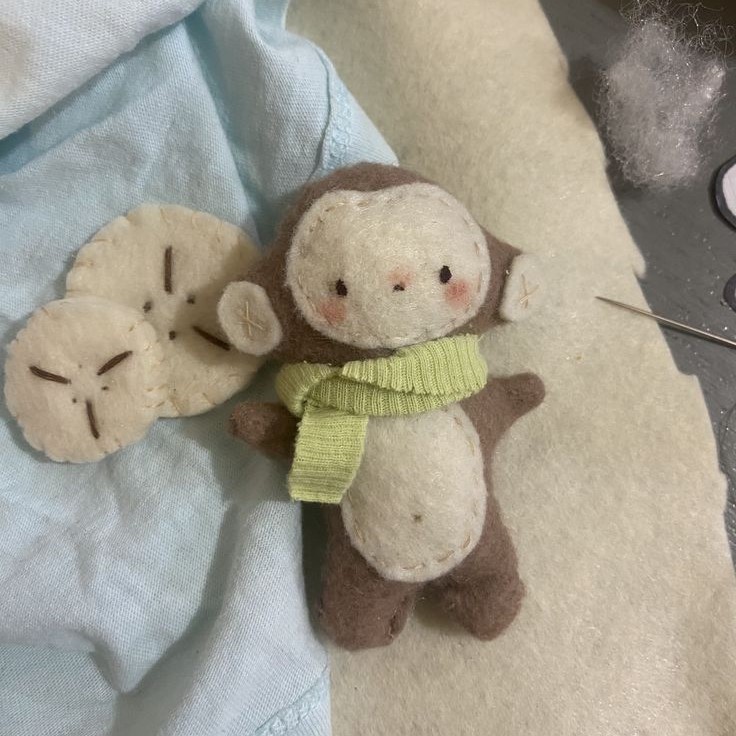
Felt plushies have gained immense popularity in recent years, captivating both children and adults with their charming designs and versatile uses. These adorable stuffed toys are crafted from soft, colorful felt fabric, making them perfect for cuddling and imaginative play. The beauty of felt plushies lies not only in their cuteness but also in the endless customization possibilities they offer. In this article, we will explore unique ideas for personalizing your felt plushies collection. Whether you’re an experienced crafter or a beginner, these tips will inspire you to create something special and unique.
What Are Felt Plushies?
Understanding Felt Plushies
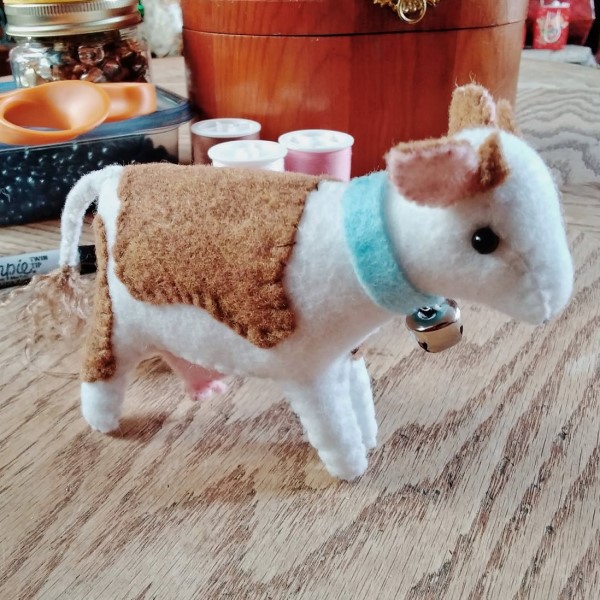
Felt plushies are soft toys made primarily from felt fabric. Felt is a non-woven textile made by matting and condensing fibers, typically wool or synthetic materials. The fabric’s soft texture and bright colors make it ideal for crafting plush toys, allowing for both practicality and aesthetic appeal.
- Materials: Felt plushies are often made from high-quality felt, which comes in various thicknesses and hues. Different types of felt are available, including wool blend felt and synthetic felt.
- Benefits of Felt:
- Durability: Felt is resistant to fraying, ensuring that plushies maintain their shape even after extended use.
- Ease of Crafting: Felt is easy to cut, sew, and glue, making it accessible for crafters at all skill levels.
Popular Uses for Felt Plushies
Felt plushies serve various purposes, including:
- Toys: Children love plush toys for imaginative play, storytelling, and comfort.
- Decorative Items: Felt plushies can be used as decorative pieces in nurseries or children’s rooms. They provide a playful touch to any space.
- Gifts: Handmade felt plushies make thoughtful gifts for birthdays, holidays, or special occasions.
Unique Customization Ideas
1. Personalization with Embroidery
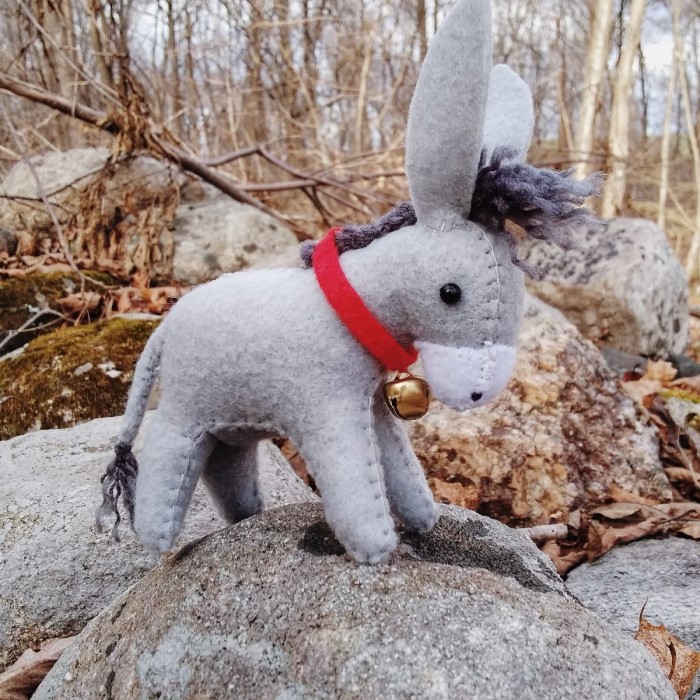
- Why Embroider?: Adding embroidery to your felt plushies can enhance their charm and give them a personal touch. Names, dates, or small designs can be stitched onto the plush` for a unique finish.
- Embroidery Techniques:
- Simple Stitches: Use basic stitches like running stitch or backstitch to add names or phrases.
- Character Features: Create eyes, mouths, or other facial features through decorative stitching.
- Materials Needed: Embroidery thread, needle, and any desired embellishments.
2. Accessorizing with Clothing
- Creating Outfits: Design simple clothing or accessories for your felt plushies to reflect different themes or personalities.
- Examples of Accessories:
- Hats, capes, or dresses can be made from felt scraps or leftover fabric.
- Involving Kids: Let children decorate their plushies with specific characters in mind, such as a superhero or princess.
3. Unique Color Combinations
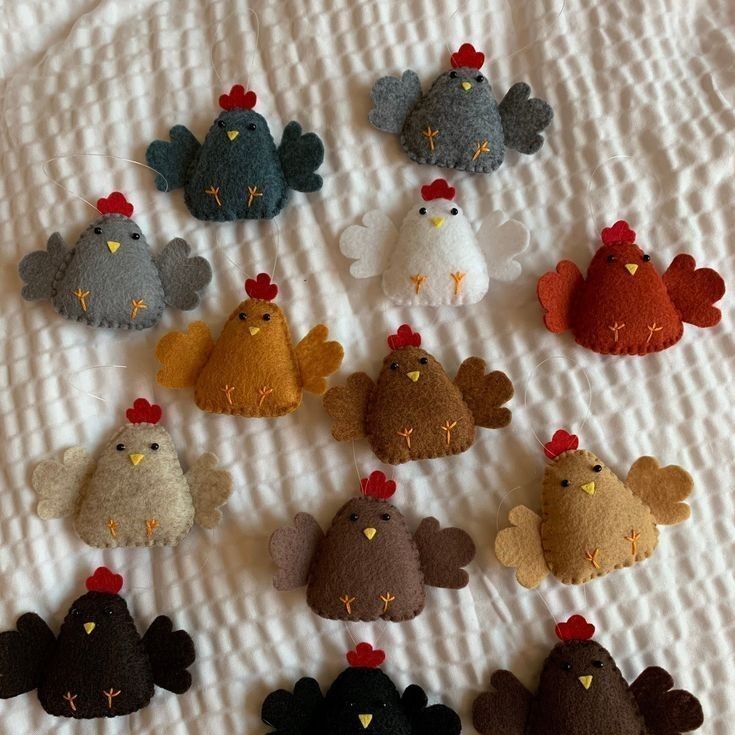
- Combining Colors: When creating felt plushies, experiment with unusual color combinations. This approach can result in eye-catching designs.
- Themes and Patterns: Themed color palettes, such as pastels for spring or vibrant colors for summer, can add character.
- Design Planning: Before starting to sew, sketch out your ideas to visualize how the colors will blend.
Crafting Techniques
1. Basic Sewing Techniques
- Hand Sewing: Hand sewing is the most common method for creating felt plushies. Basic stitches like running stitch and whip stitch provide good durability.
- Machine Sewing: For quicker assembly, consider using a sewing machine for straight seams. This method is especially useful when crafting larger plushies.
2. Gluing Options
Fabric Glue
Fabric glue is a popular option for adhering felt pieces, particularly for those who may not enjoy or feel comfortable with sewing. Here are some important aspects to consider:
1. Advantages of Using Fabric Glue
- Easy to Use: Fabric glue is user-friendly, making it an excellent choice for crafters of all skill levels. A simple squeeze or application with a brush allows for quick adhesion without the need for sewing tools.
- Time-Saving: Unlike sewing, which can be time-consuming, fabric glue allows for faster assembly of projects. This is especially beneficial for creating plush toys, where quick completion can enhance the crafting experience.
2. Safety Considerations
- Child-Safe Options: When using fabric glue for projects intended for children, ensure that the glue is non-toxic and safe for young hands. Many brands offer fabric glues that adhere to safety standards.
- Reading Labels: Before purchasing, it is essential to read the product labels carefully to confirm that the glue is suitable for children’s use. Look for certifications such as “non-toxic” or “child-safe.”
3. Application Tips
- Applying the Glue: When applying fabric glue, use a thin, even layer to avoid excess that could seep through the felt. This not only ensures a clean finish but also prevents the fabric from becoming stiff.
- Drying Time: Allow sufficient time for the glue to dry completely before usage, particularly for plush toys. Follow the manufacturer’s recommended drying times to ensure strong adhesion.
Hot Glue
Hot glue is another effective adhesion method that has its own set of benefits and considerations. Here’s what you need to know:
1. Strong Adhesion
- Quick Bonding: Hot glue provides an immediate bond between materials, making it an excellent choice for attaching embellishments, securing pieces, or adding non-fabric components like buttons or plastic items.
- Versatile Applications: This type of glue can be used not only for felt but also for a variety of other materials, including wood, metal, and plastic. This versatility makes it a staple in many crafting toolkits.
2. Caution with Heat
- Hot Glue Gun Usage: A hot glue gun uses high temperatures to melt the glue sticks. It is essential to handle the gun with care to avoid burns. Always keep the glue gun’s tip and the melted glue out of reach of children.
- Safe Handling Practices: When using hot glue, wear protective gloves or use tools to assist in holding components without direct contact. This will minimize the risk of accidental burns.
3. Application Considerations
- Controlled Application: Ensure that you have a steady hand when applying hot glue. A quick, controlled application allows for better precision and minimizes messy results.
- Setting Time: While hot glue sets quickly, it may take longer to cure fully. It’s best to allow the glued items to sit undisturbed for a few minutes to achieve the best bond.
Caring for and Maintaining
1. Cleaning Instructions
- Spot Cleaning: If a felt plushie gets stained, use a damp cloth with mild soap to gently clean the affected area. Avoid soaking the plushie to prevent altering its shape.
- Hand Washing: For a thorough clean, hand wash it in cold water using a gentle detergent and allow it to air dry properly.
2. Storage Guidelines
- Safe Storage: Store felt plushies in a cool, dry place to prevent mold or odors. Avoid direct sunlight to keep colors from fading.
- Use Containers: Consider using bins or fabric bags to keep plushies organized and protected from dust.
Creative Benefits of Making Felt Plushies
1. Enhancing Imagination and Creativity
- Storytelling Opportunities: Felt plushies can inspire new stories and narratives. Children can create adventures with their toys, enhancing their storytelling abilities.
- Role-Playing: Crafting felt plushies encourages role-playing, allowing children to express different scenarios and emotions.
2. Strengthening Fine Motor Skills
Hand-Eye Coordination
- Understanding Hand-Eye Coordination: Hand-eye coordination refers to the ability to synchronize hand movements with visual input. This skill is crucial for many daily activities, including writing, drawing, and playing sports.
- Crafting Activities: When children engage in crafting plushies, they perform various tasks that enhance their hand-eye coordination.
- Cutting: As they use scissors to cut felt pieces, children learn to control their hand movements with precision while focusing on where to cut.
- Sewing: While sewing felt pieces together, kids develop the ability to guide the needle and thread accurately, maintaining focus on both their hands and the fabric. This helps them build dexterity and control.
- Assembling: The process of putting different plushie components together requires visual awareness and manual agility. Children must position pieces carefully and ensure they align properly.
- Correlation to Other Skills: The hand-eye coordination developed through crafting is foundational for other essential skills.
- Writing Skills: Improved coordination enhances a child’s ability to grip pencils, control strokes, and write letters and numbers more effectively.
- General Activities: Besides writing, these skills transfer to various activities like playing musical instruments, typing, or engaging in sports, making crafting a beneficial developmental activity.
Decision-Making
- The Importance of Decision-Making: Decision-making is a critical skill that involves evaluating options and selecting a course of action. It plays an essential role in children’s development, promoting independent thinking and problem-solving abilities.
- Choices in Crafting: When children create their plushies, they are faced with numerous decisions that foster their autonomy and creative expression.
- Design Choices: Children must decide on the plushie’s overall design. They may choose a specific animal, character, or theme, considering how they want the final product to look.
- Color Selections: Selecting colors for their plushies allows children to express their personal preferences. They learn to consider how different colors work together and how they can convey emotions or themes through color combinations.
- Material Decisions: Kids can choose fabrics, stuffing, and embellishments for their plushies. Each choice influences the plushie’s final aesthetic and texture, and children learn to think about how these elements interact.
- Fostering Independence: By making these choices during the crafting process, children develop a sense of ownership and responsibility for their creations.
- Boosting Confidence: When kids see their ideas materialize into tangible products, their confidence grows. They understand that their choices directly contribute to the outcome, which encourages further exploration and creativity.
- Encouraging Critical Thinking: Decision-making in crafting also promotes critical thinking. Children learn to weigh options, consider consequences, and make informed decisions throughout the process.
Frequently Asked Questions
What are the disadvantages of felt fabric?
Felt fabric can have disadvantages such as limited fabric flexibility, which makes it less suitable for garments. Additionally, natural felt can be more expensive than synthetic varieties and may not be as durable under heavy wear.
Can I make a plush with felt?
Yes, felt is an excellent material for making plush toys. Its softness, ease of use, and colorful options make it ideal for crafting plush items that children will love.
Why does Gen Z like stuffed animals so much?
Gen Z appreciates stuffed animals, including felt plushies, for their nostalgic value and emotional comfort. Many individuals from this generation find solace in soft toys, using them to cope with stress or as reminders of their childhood.
Conclusion
Felt plushies are not only adorable but also provide an exceptional opportunity for creativity and learning. With unique customization ideas and various crafting techniques, you can create personalized toys that bring joy to children and adults alike. This versatility and charm make felt plushies a popular choice for DIY enthusiasts and parents seeking engaging activities for their children. So gather your materials, unleash your creativity, and start crafting your own felt plushies today!