Introduction
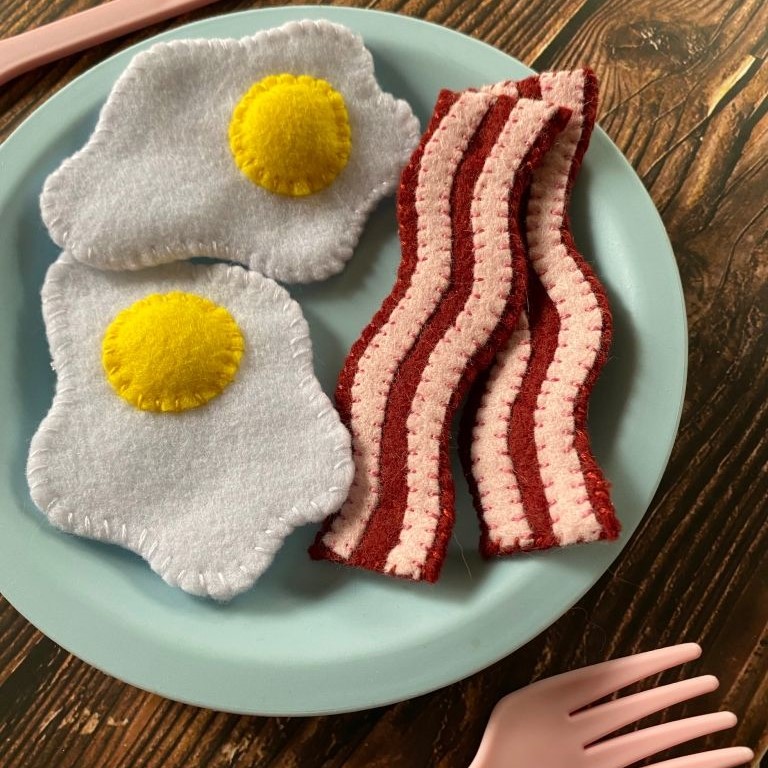
Crafting with felt food is an engaging way to inspire creativity in children while facilitating imaginative play. Felt food is soft, colorful, and safe, making it an ideal choice for kids who love to pretend play cook, serve, and create their own culinary adventures. In this article, we’ll explore various DIY felt food projects that are not only safe but also fun for kids. These creative ideas are perfect for enhancing learning through play, building fine motor skills, and providing hours of entertainment. Let’s dive into the delightful world of DIY felt food and how it can be a fantastic addition to your child’s playtime.
What is Felt Food?
Understanding
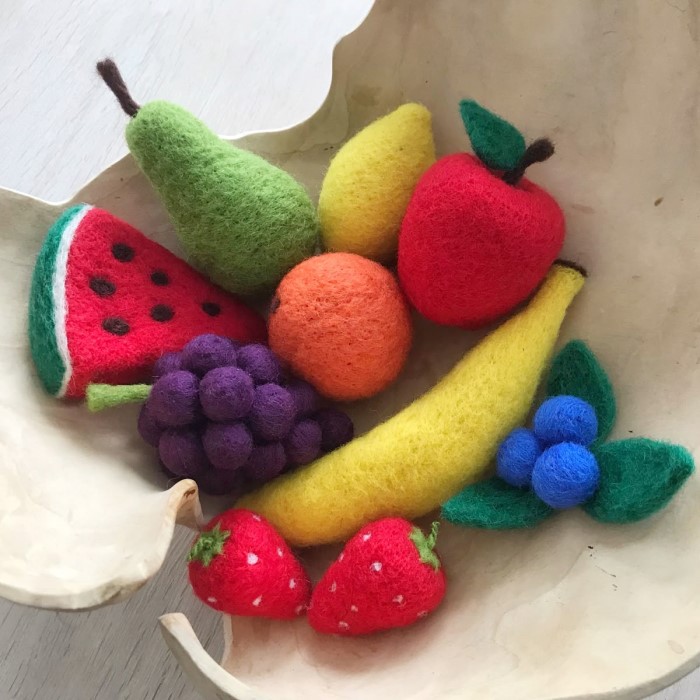
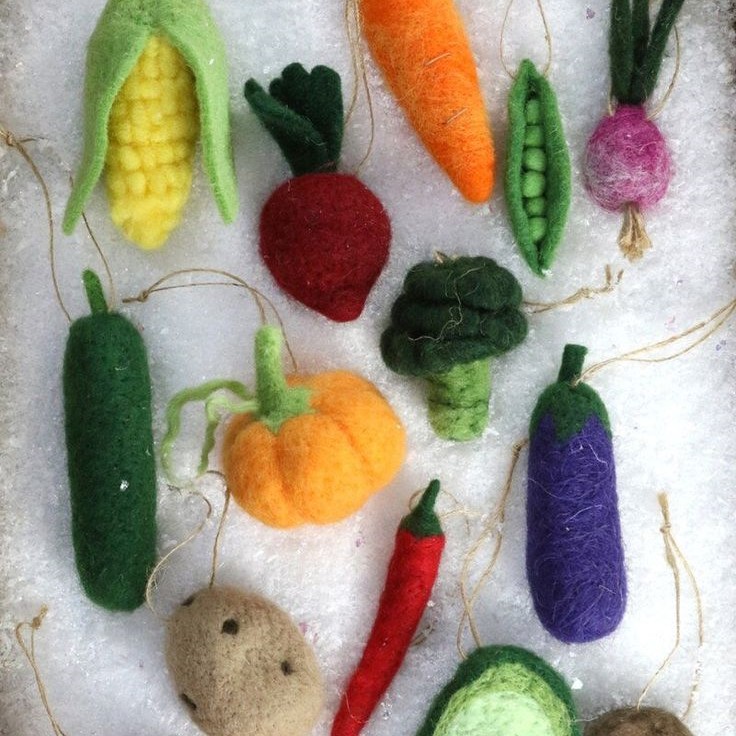
Felt food consists of playful, soft replicas of real food items made from felt fabric. This material is typically made from wool or synthetic fibers, giving it a unique texture and vibrant colors. Felt food can include a variety of items, such as fruits, vegetables, sandwiches, and desserts.
- Types of Felt Used: Felt food can be crafted from either wool felt, which is made from natural fibers, or synthetic felt made from polyester. Wool felt is often more durable and high-quality, while synthetic felt can be more affordable and easier to work with.
- Child-Safe Crafting: Felt food is generally soft and lightweight, making it safe for children of all ages to handle. Additionally, most felt can be easily cleaned, allowing for hygienic play.
Benefits of Felt Food in Child Development
- Imaginative Play: Felt food encourages kids to engage in imaginative play. This type of play helps develop creativity, allowing children to recreate real-life scenarios through role-playing.
- Fine Motor Skills: Crafting and playing with felt food helps develop a child’s fine motor skills. Activities like cutting, stitching, or arranging felt pieces enhance hand-eye coordination and dexterity.
- Language Skills: As children play with felt food, they often engage in dialogue, enhancing their vocabulary and social skills. They learn to describe what they’re making, share their thoughts, and collaborate with peers.
DIY Projects for Kids
1. Felt Fruit Set
- Overview: Create a colorful set of felt fruits that can encourage healthy eating habits and imaginative play.
- Materials Needed: Various colors of felt, scissors, needles, thread, and stuffing.
- Instructions:
- Choose your favorite fruits to create, such as apples, bananas, and strawberries.
- Cut out shapes for each fruit from the felt. For instance, an apple could be a simple round shape with a small leaf.
- Sew or glue the pieces together, leaving an opening for stuffing.
- Stuff the fruits lightly to give them a realistic shape, then close the opening.
- Creativity Tip: Encourage children to help choose colors and design features, making each fruit unique to their preference.
2. Felt Sandwich
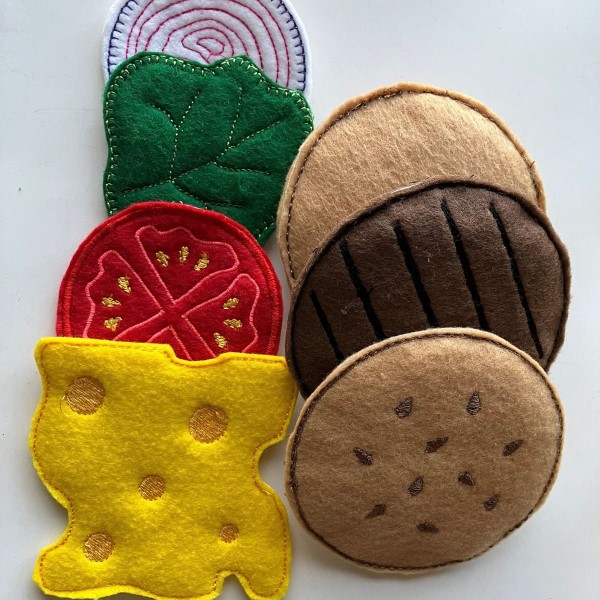
- Overview: Crafting a felt sandwich can spark children’s creativity regarding meal preparation.
- Materials Needed: Assorted felt colors, scissors, stitching materials, and stuffing.
- Instructions:
- Cut out two pieces of felt to represent slices of bread.
- Create ingredients such as lettuce, tomato, and cheese by cutting various shapes from felt.
- Stitch or glue the ingredients between the bread slices, creating a fully customizable sandwich.
- Creativity Tip: Let children invent their own sandwich combinations, teaching them about different foods and encouraging creative thinking.
3. Felt Pizza
- Overview: A felt pizza is a fun, interactive way for kids to explore toppings and share cooking experiences.
- Materials Needed: Felt in multiple colors, scissors, and fabric glue.
- Instructions:
- Cut a large circle from a beige or tan felt for the pizza crust.
- Create various toppings (pepperoni, peppers, mushrooms) from different colored felt.
- Allow kids to arrange and attach toppings however they like, promoting their creativity.
- Creativity Tip: Have discussions about favorite pizza toppings and encourage kids to try new combinations!
Safety Considerations When Crafting
Choosing Safe Materials
- Non-Toxic Felt: Ensure all materials are non-toxic and safe for children, especially if your child is still exploring the world by putting things in their mouths.
- Quality Control: When purchasing felt or craft supplies, look for reputable brands that clearly label their products as child-safe.
Supervision and Involvement
- Active Participation: Engage with children during crafting projects to ensure safety and foster a collaborative environment. Crafting alongside your child also strengthens family bonds.
- Discuss Safety Measures: Talk about safety as you craft, encouraging kids to be careful with scissors or needles if applicable.
Cleaning and Maintaining
Care Instructions
Felt food is generally easy to clean and maintain, ensuring it remains in good condition for ongoing play.
- Spot Cleaning: If felt food gets dirty, use a damp cloth or sponge with mild soap and water to wipe it clean. Avoid soaking as it can cause the felt to lose its shape.
- Storage Guidelines: Store felt food in a cool, dry place. Organizing pieces in a container can prevent loss and keeps the items tidy.
Creative Benefits of Crafting
Enhancing Imagination and Creativity
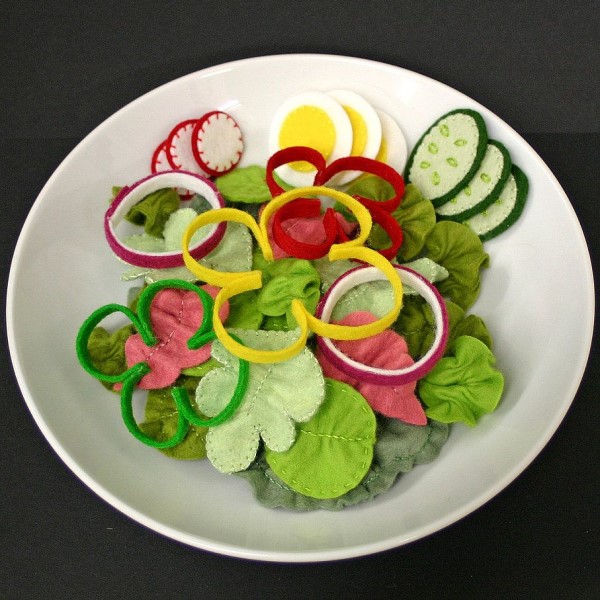
- Role-Playing Opportunities: Crafting felt food encourages children to engage in imaginative role-playing scenarios. They can open a “restaurant” or host a “picnic” using their crafted items.
- Learning Food Groups: While playing with felt food, children can learn about different food groups, dietary choices, and the importance of nutrition.
Developing Social Skills
Interactive Play
- Encouragement of Role-Playing: Felt food opens up countless opportunities for imaginative role-playing. Children can simulate real-life scenarios such as cooking, dining, or running a restaurant. Through these activities, they not only enjoy themselves but also learn essential social dynamics.
- Development of Social Skills: Engaging in play scenarios with felt food helps children cultivate critical social skills.
- Sharing: As they play with peers, children naturally practice sharing the felt food items. This act promotes the understanding of take-and-give aspects of friendship and social interaction.
- Cooperation: Collaborative play requires children to work together to create scenarios or enact stories. They learn to listen to each other’s ideas and contribute toward a common goal.
- Communication: While participating in role-play, children enhance their communication skills as they express their thoughts, negotiate roles, and articulate their feelings. They develop vocabulary and learn how to convey meaning effectively.
- Conflict Resolution: In group play, disagreements or misunderstandings may arise. Playing with felt food can serve as a platform for resolving conflicts constructively, teaching children how to navigate social challenges and find solutions cooperatively.
- Inclusivity: Felt food encourages inclusive play, enabling all children to participate, regardless of age or skill level. This inclusion facilitates friendships and social bonds among diverse groups of children.
Storytelling and Group Projects
- Creativity in Storytelling: Felt food can lead to the creation of elaborate stories that children invent together. As they incorporate the felt food into their narratives, children explore their imaginations and expand their understanding of storytelling elements.
- Teamwork Development: When working on group projects involving felt food, children learn the value of teamwork.
- Role Assignments: They can assign roles or responsibilities to one another, such as who will be the chef, waiter, or customer during pretend play. This teaches children to organize activities collaboratively.
- Collective Efforts: Through collective enthusiasm, children witness the importance of everyone’s contribution toward achieving a shared vision or goal, thereby fostering a sense of community.
- Collaborative Problem-Solving: As children create stories or projects together, they encounter challenges that require creative solutions. This collaboration fosters critical thinking skills.
- Brainstorming Solutions: Kids are encouraged to discuss what works and what doesn’t, together brainstorming alternative solutions to obstacles they may face in their projects.
- Adapting Ideas: Group crafting with felt food allows children to adapt their ideas based on the input of their peers, encouraging flexibility and open-mindedness in creative processes.
- Building Confidence: Participating in group storytelling and crafting can enhance self-esteem. Children feel pride in their collective creations, knowing their voices and ideas were valuable to the outcome. This confidence can carry over to other areas of their lives, fostering a willingness to collaborate in various settings.
FAQ Section
What age is felt food for?
Felt food is generally suitable for children aged 3 and up. However, adult supervision is recommended for younger children, especially during crafting.
What type of material is felt?
Felt is a textile made from compressed fibers, which may include wool or synthetic materials. It’s durable and comes in a range of weights and thicknesses, making it ideal for crafting.
What can I make from felt?
Felt can be used to create a wide variety of items, including toys, décor, clothing accessories, educational materials, and crafts for holidays or celebrations.
Conclusion
In conclusion, creating felt food provides an avenue for children to explore their creativity while engaging in imaginative play. DIY projects allow kids to visualize their ideas, learn about different concepts, and develop critical skills through fun activities. With felt food, children can create a wide range of imaginative items that can enhance their playtime experiences. The combination of crafting and imaginative play fosters a love for creativity while ensuring children learn and grow in a safe environment. Start your felt food crafting journey today and watch as your children create beautiful projects that encourage joy and learning!