Introduction
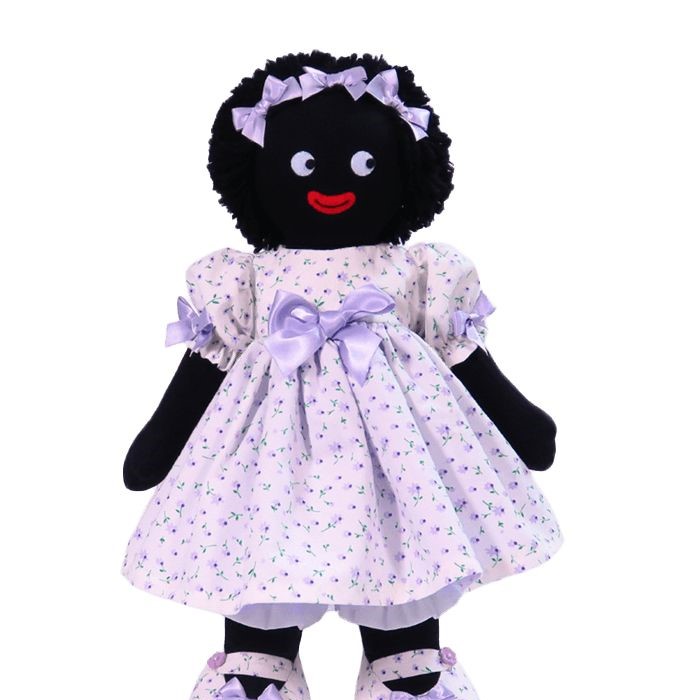
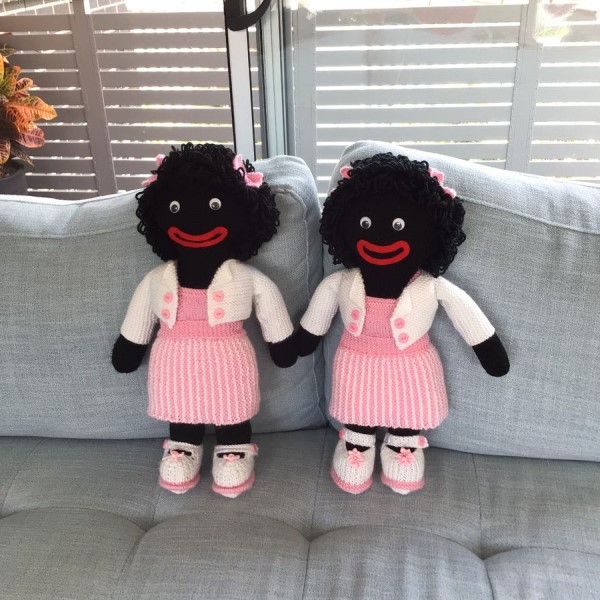
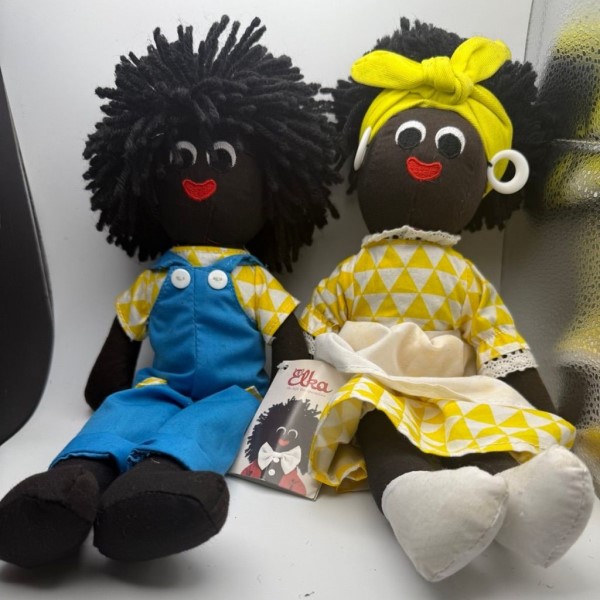
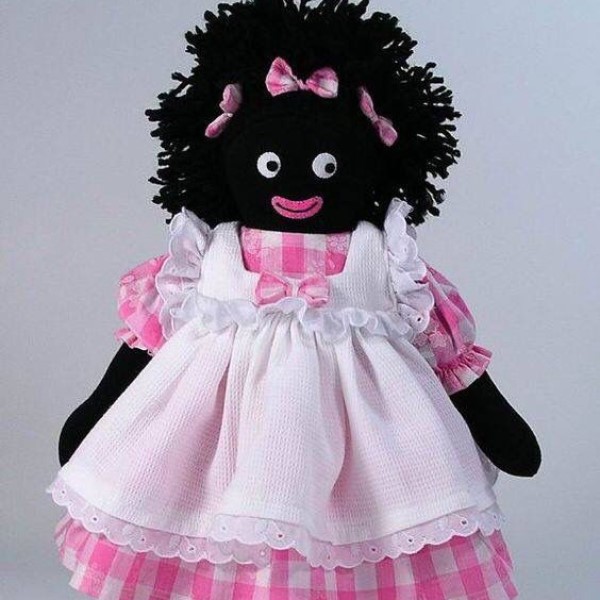
The golliwog doll is a toy that has sparked a wide range of discussions surrounding cultural representation, nostalgia, and societal values. Originally conceived in the late 19th century, these dolls were designed with distinct features, including black skin, frizzy hair, and exaggerated facial features. While they began as innocent children’s playthings, the history of golliwog dolls is laden with complexity. As we explore this topic, we will look at their origins, cultural significance, and the controversies that have surfaced over the years.
Origins of the Golliwog Doll
- Early Beginnings:
- The golliwog doll was established in the 1890s, first emerging in children’s literature. The character was conceived by British writer Florence Kate Upton, who introduced the golliwog in her illustrated children’s book series. Upton’s golliwog was depicted as a mischievous and fun-loving character. Capturing the hearts of children and leading to the production of dolls that mimicked the illustrations.
- Commercial Success:
- The character’s popularity skyrocketed, leading to the commercial production of golliwog dolls by various toy manufacturers. These dolls became a staple in toy shops and were marketed to children as whimsical companions. The continued success over the decades reflects a societal acceptance and affection for the golliwog character at the time.
- Cultural Context:
- Understanding the origins of the golliwog doll requires a look into the cultural context of the late 19th and early 20th centuries. During this period, Western society began to grapple with changing attitudes toward race and ethnicity. Unfortunately, the golliwog doll often perpetuated stereotypes that many people today find offensive.
Cultural Significance
- Symbol of Childhood Nostalgia:
- For many collectors, the golliwog doll represents a nostalgic connection to their own childhood. Older generations recall fond memories tied to these dolls, viewing them as charming figures that embodied fun and imagination.
- Artistic Representation:
- From an artistic perspective, golliwog dolls reflect the aesthetics of their era. The exaggerated features, bright colors, and playful designs hark back to a time when imagination in children’s toys was key. Today, this artistry is appreciated among toy historians and collectors alike.
- Controversial Legacy:
- Despite their nostalgic appeal, golliwog dolls are not without controversy. Many criticize them for perpetuating harmful racial stereotypes and caricatures. As societal values have evolved, the perception of golliwog dolls has shifted dramatically. What was once seen as innocent fun often viewed through a critical lens of social responsibility and sensitivity.
The Golliwog Controversy
Criticism and Backlash
- Historical Context:
Over the years, golliwog dolls have evolved from being popular children’s toys to subjects of controversy. Originating in the late 19th century, these dolls initially captured the imaginations of many. However, as society has become more aware of racial issues, the perception of golliwog dolls has shifted dramatically. - Trivialization of Racial Identities:
Critics argue that golliwog dolls trivialize the identities of Black individuals and communities. The exaggerated features and caricature-like design reinforce harmful stereotypes that can demean and marginalize people of African descent. Activists have emphasized that such representations contribute to a culture of racism rather than promote understanding. - Reinforcement of Negative Stereotypes:
Beyond trivialization, golliwog dolls are often seen as perpetuating negative stereotypes regarding Black people. The dolls’ portrayal—featuring big lips, frizzy hair, and a playful demeanor—can lead to the normalization of racially insensitive imagery in children’s toys. This concern heightened in an era where many advocate for positive representation and diversity in media. - Scrutiny Amid Racial Equality Movements:
The resurgence of racial equality movements over the past few decades has brought renewed scrutiny to golliwog dolls. The push for justice and representation in various social contexts has led to calls for the removal of such dolls from shelves, as they viewed as symbols of a bygone era that many would rather forget. The presence of golliwog dolls in popular culture stands in stark contrast to modern values of inclusivity and acceptance.
Reactions from Collectors and the Public
- Diverse Responses Among Collectors:
The backlash against golliwog dolls has elicited a wide array of reactions, especially among collectors. Some enthusiasts cherish their golliwog dolls as nostalgic pieces of art, emphasizing the craftsmanship and cultural history behind them. They argue that these dolls represent a part of their personal history or collectibles that should preserved regardless of their controversial nature. - Changing Perceptions:
While many collectors maintain their affinity for golliwog dolls, an increasing number of individuals advocate for critical reassessments of such collectibles. Awareness about cultural sensitivity and the implications of public displays has prompted some collectors to reconsider their ownership of these dolls. This shift in perception indicates that collectors are becoming more attuned to social issues surrounding their hobbies. - Public Advocacy for Removal:
The divisive nature of golliwog dolls has led to strong advocacy movements seeking their removal from public display. Many individuals, particularly within racial justice organizations, argue that these dolls should not be present in stores, museums, or educational institutions. They believe that allowing these toys to remain accessible sends the wrong message about racial diversity and acceptance.
Cultural Reassessment
- Broader Cultural Conversations:
The discussion surrounding the golliwog doll is a reflection of a larger cultural reassessment happening globally. As societies grapple with their histories and the legacies of colonialism and racism, the push for a critical examination of collectible items, toys, and media representations becomes increasingly necessary. - Impact on Children’s Perception:
Central to the debate is the concern about how toys and media shape children’s perceptions of race and gender. Scholars and activists alike stress that representations in children’s toys can influence how young individuals understand and interact with diversity. Golliwog dolls exemplify the broader question of how historical narratives conveyed through popular culture. - Inclusivity and Representation:
Conversations about golliwog dolls contribute to the ongoing dialogue about inclusivity and representation in today’s society. Advocates for change emphasize that children’s toys should promote positive images and diverse narratives rather than reinforce stereotypes. This highlights the need for manufacturers and creators to take responsibility for the cultural implications of their products. - Evolving Societal Values:
The scrutiny of golliwog dolls underscores how societal values can shift over time. As more individuals advocate for racial equality and strive for a more inclusive culture, toys that once enjoyed popularity now viewed through the lens of social responsibility. This evolution reflects a growing understanding of the impact that cultural artifacts have on shaping perceptions and fostering inclusivity.
Collecting Golliwog Dolls: A Personal Journey
- Diverse Collector Base:
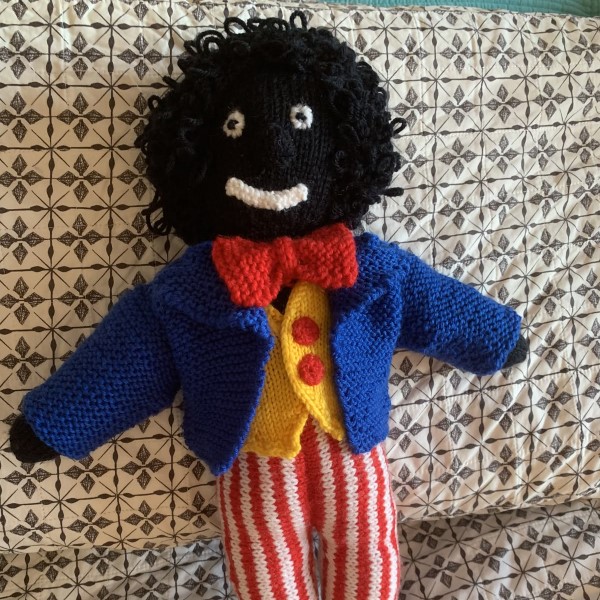
- Collectors of golliwog dolls range from those who appreciate their historical significance to those who enjoy the aesthetic appeal. For many, collecting these dolls is not just about the figures themselves, but also about preserving a piece of cultural history.
- Community and Sharing:
- Online forums and local collector clubs have emerged, allowing enthusiasts to share their collections and discuss the complexities of golliwog dolls. These communities offer spaces for debates, trading, and celebrating the artistry of the dolls alongside acknowledging their controversial past.
- Appreciation versus Awareness:
- Collectors often find themselves navigating the fine line between appreciation for the craftsmanship of their dolls and awareness of the implications their existence holds. This ongoing dialogue is vital for fostering a responsible collecting community that respects historical context while navigating current sensitivities.
FAQs
- What is the difference between a golliwog doll and other dolls?
Golliwog dolls typically feature distinct chibi-style designs characterized by exaggerated facial features and bright colors, aimed at representing a specific character from early 20th-century children’s media. - Why are golliwog dolls considered controversial?
Golliwog dolls are often criticized for perpetuating racial stereotypes and derogatory caricatures, igniting discussions about racial representation and sensitivity in today’s society. - Are golliwog dolls still being produced?
While some companies have ceased production of traditional golliwog dolls due to backlash, others may still produce them as collectibles that reflect their historical context. - What is the historical significance of golliwog dolls?
Golliwog dolls are significant because they illustrate cultural attitudes and racial imagery from the time of their creation, prompting ongoing conversations about the implications of such representations.
Conclusion
In summary, the golliwog doll is a unique and complex artifact that embodies the intersection of childhood nostalgia and cultural critique. Its origins, once celebrated, now warrant careful examination due to their association with stereotypes and racial caricatures. Collectors today grapple with both aspects, appreciating the artistry involved while acknowledging the need for sensitivity.
As society continues to evolve in its understanding of representation and inclusivity, the legacy of the golliwog doll prompts vital discussions about cultural artifacts and their meanings. The exploration of this history serves not only as a reflection on past values but also as an opportunity to engage in meaningful dialogue about how we approach toys, art, and representation in contemporary culture.