Introduction
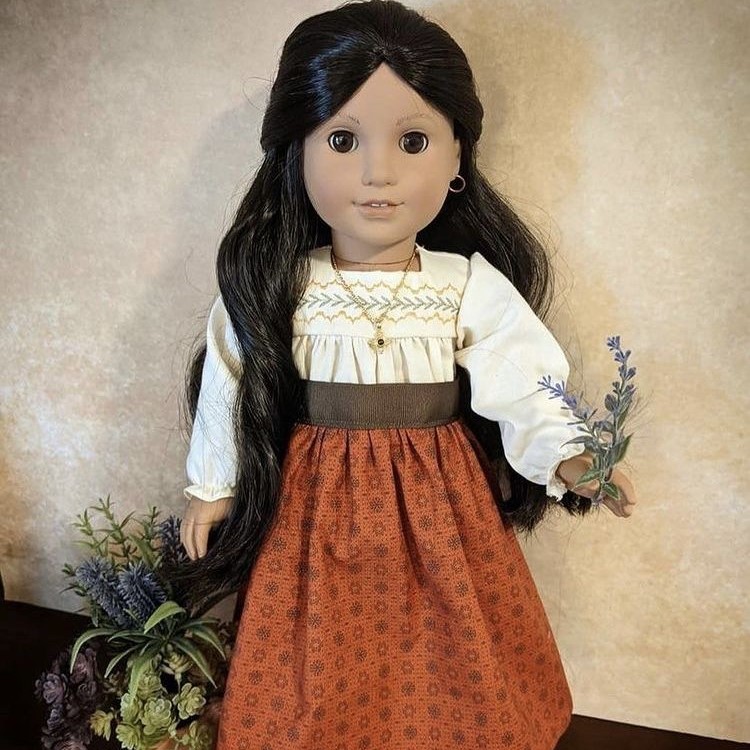
The Josefina American Girl doll has long been a cherished figure among collectors, young girls, and history enthusiasts alike. Since her debut in 1997, she has captivated the hearts of many with her rich backstory and cultural representation. Josefina Montoya, a nine-year-old girl living in 1850s Santa Fe, New Mexico, offers a window into a vibrant moment in American history marked by transition and cultural blending. The character invites children into a world of heritage, family, and resilience. In this exploration, we will delve deep into her story, examine her cultural significance, and discuss how her legacy shapes American Girl’s place in modern society.
The Story of Josefina Montoya
Josefina’s character comes from a time filled with change and cultural richness. Living in Santa Fe, New Mexico, she faces the challenges that come with being part of a Spanish-speaking family during a period of American expansion. Her story begins after the loss of her mother, which serves as a pivotal moment that shapes her character and her journey.
Josefina is tasked with helping run her family’s household and preserve their traditions. She is surrounded by her two sisters and her grandmother, who help her navigate the complexities of grief while holding her family together. This journey highlights the importance of family bonds, cultural heritage, and personal growth.
Apart from the challenges of personal loss, Josefina also grapples with the changing dynamics in her community as American settlers begin to move into New Mexico. Through her eyes, readers gain a deeper understanding of the historical context and the conflicts faced by native families during this time.
In her story, Josefina embodies traits that resonate with young readers: she is strong, nurturing, and deeply connected to her cultural identity. This not only makes her relatable but also allows readers to learn valuable lessons about perseverance and cultural pride.
Cultural Significance and Representation
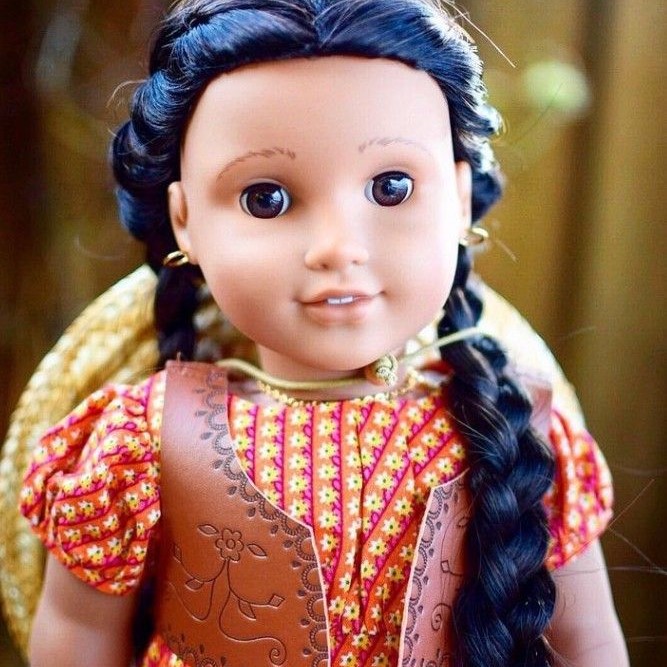
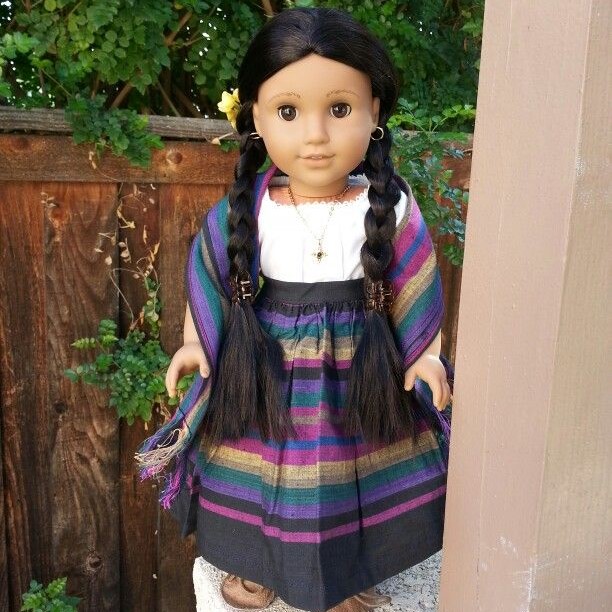
The Josefina American Girl doll plays a pivotal role in promoting cultural diversity within the American Girl franchise. As a Spanish-speaking Latina girl, Josefina offers a unique perspective that resonates with many young readers. Her character serves as a reflection of cultural heritage, allowing children to see themselves represented in mainstream narratives. This representation is particularly significant given the historical context of children’s literature, especially in the late 1990s when portrayals of Hispanic heritage were limited.
Representation of Diverse Backgrounds:
Josefina’s character introduces readers to the richness of Hispanic culture. This portrayal is vital for children of similar backgrounds, as it validates their experiences and history. When young readers see a character that looks like them and shares similar cultural norms, it creates a sense of belonging and identity.
Before Josefina, the American Girl franchise and similar publications often lacked diversity, offering primarily Eurocentric narratives. The introduction of a character like Josefina marked a turning point in expanding representation within children‘s literature, allowing for a more inclusive storytelling landscape.
Cultural Insights and Customs:
Josefina’s story offers valuable insights into the customs, traditions, and daily life of her community in 1850s Santa Fe, New Mexico. Young readers learn about important cultural practices, celebrations, and family dynamics that are fundamental to her character’s identity.
Through her narratives, readers are encouraged to appreciate the significance of traditions, such as the importance of familial bonds, communal activities, and the practice of storytelling within Hispanic culture. These elements promote a deeper understanding and respect for cultural diversity.
Fostering Understanding and Dialogue:
By including stories that reflect multiple cultural backgrounds, the American Girl franchise fosters understanding and encourages dialogue around different histories. Readers are not only entertained by Josefina’s adventures but also invited to engage with her cultural context. This exposure to varied perspectives is crucial in promoting empathy and reducing stereotypes.
The narratives encourage discussions about history and society, prompting readers to consider the complexities of individual experiences within larger cultural frameworks. This dialogue is essential in cultivating a society that values inclusivity and mutual respect.
Empowerment Through Narrative:
Josefina’s narrative empowers children from similar cultural backgrounds by allowing them to embrace their history with pride. Her experiences serve as a platform for young readers to explore their identities and draw connections to their own lives.
This empowerment is especially significant in a society where cultural narratives have often been marginalized or overlooked. By presenting a strong, relatable character who navigates challenges while honoring her heritage, Josefina inspires young readers to value their own cultural identities.
Emphasis on Cultural Exchange:
Josefina’s story highlights the importance of cultural exchange and coexistence. Through her interactions with different cultural groups, readers learn that embracing diversity enriches communities. This theme encourages young readers to celebrate differences and be open to learning from others.
By presenting a multicultural society in her stories, Josefina illustrates that collaboration and understanding can bridge cultural divides. This emphasis on coexistence is vital in today’s increasingly multicultural world.
Modern Relevance:
In today’s society, the emphasis on diversity and representation is more important than ever. As we navigate global interconnectedness, there is a heightened awareness of the need to acknowledge and honor various cultural experiences. Josefina’s character serves as a timely reminder of the importance of inclusivity and representation in literature.
The messages within Josefina’s story resonate with ongoing conversations about cultural identity and representation in media. As such, she remains relevant, inspiring new generations to appreciate the beauty of diversity while fostering a sense of community.
In conclusion, the Josefina American Girl doll is more than just a collectible figure; she embodies a vital cultural presence within literature for young readers. Through her representation as a Spanish-speaking Latina girl, Josefina promotes cultural diversity, empowerment, and understanding. Her stories serve as a bridge, connecting readers with rich cultural narratives that encourage empathy and appreciation for different backgrounds. By embracing her character, the American Girl franchise not only enhances its representation but also empowers children to celebrate the diverse tapestry of human experiences.
Accessories and Collectibles for Josefina
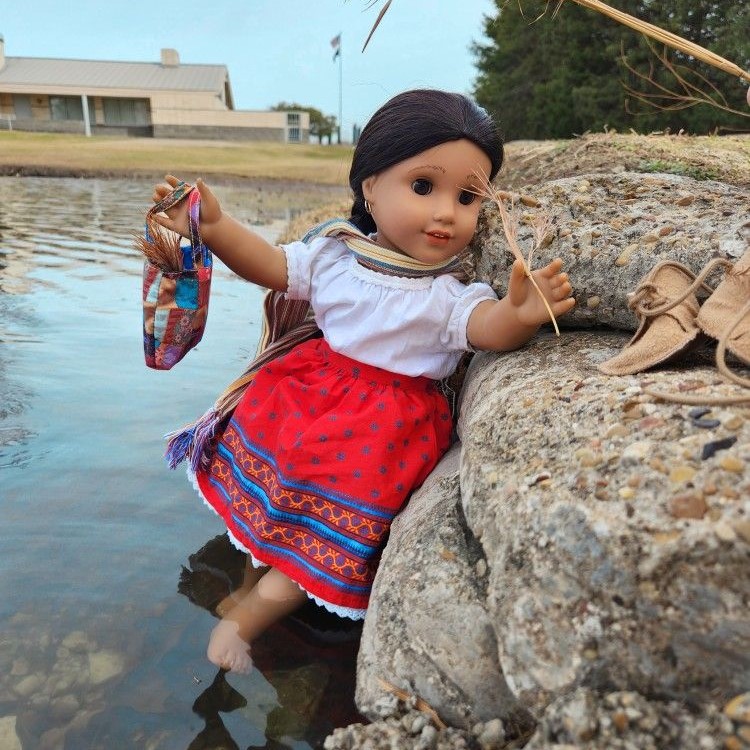
Part of the joy associated with the Josefina American Girl doll comes from her extensive line of accessories and collectibles. These items not only enhance play but also allow for a deeper connection to her story.
1. Traditional Clothing
Josefina’s iconic dresses, such as the “Gown with Mantilla” and her “Everyday Dress,” are rich in detail and authenticity. The garments reflect the traditional clothing of 19th-century New Mexican girls, highlighting the craftsmanship of the region’s culture. Collecting these outfits enables fans to celebrate Josefina’s character and better understand her lifestyle.
2. Collectible Items
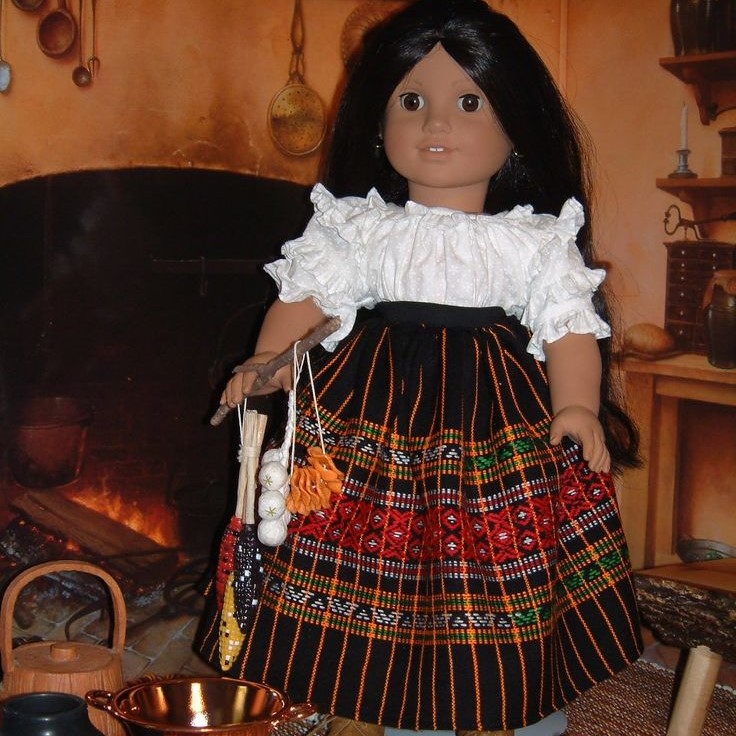
The range of collectibles available for Josefina enriches the overall experience of both play and collecting. Her “Family Home” set includes essential elements of life in her time, such as kitchenware and furniture. These items create an immersive backdrop for young girls to recreate scenes from her story, enhancing their understanding of her character and the historical context.
3. Historical Accessories
Josefina also has a selection of accessories that further bring her story to life. Items such as the “Cooking Set” and her “Christmas Outfit” allow children to engage in role-playing that reflects her daily life. The playful incorporation of these elements helps to teach children about her culture and the importance of family traditions.
Education Through Play
Engaging with the Josefina American Girl doll goes beyond mere play; it is a process of learning through storytelling and role-playing. This aligns perfectly with educational goals, promoting critical thinking, empathy, and cultural awareness.
Historical Context and Lessons
Josefina’s narrative provides essential historical lessons that connect young readers to their heritage. By exploring her life during a transformative time in American history, children become aware of the complexities of identity, culture, and social dynamics. Josefina’s story illustrates the realities faced by many immigrant families in America, thereby enhancing children’s understanding of their own family histories and heritages.
Empowering Imagination
Additionally, playing with Josefina promotes imaginative storytelling. Children can take on various narratives involving Josefina and her experiences, tackling issues such as friendship, loyalty, and community. By creating their own adventures, young readers can form deeper connections with the character and her journey. This process not only fosters creativity but also aids in social and emotional development.
FAQ Section
As we explore the fascinating world of Josefina, you may have some common questions regarding her character and the American Girl brand. Here are some frequently asked questions:
Is Josefina American Girl doll retired?
As of 2026, Josefina remains a popular character in the American Girl lineup and has not been retired. This means she continues to be accessible to new fans while also captivating longtime collectors.
Which American Girl doll is most valuable?
Some of the most valuable American Girl dolls include the original Samantha Parkington and Kirsten Lindgren. However, the value of these dolls can fluctuate based on market demand and condition, making it essential for collectors to stay informed.
Who is the Chinese American girl doll?
The Chinese American girl doll introduced by American Girl is Mei Lin. She embodies the experiences of Chinese immigrants in America and provides insight into their culture and history.
What is the story of Josefina American Girl doll?
Josefina’s story takes place in 1850s New Mexico and revolves around her life as a young girl adapting to personal loss and societal changes. Her experiences highlight the importance of family, cultural heritage, and resilience in the face of challenges.
Conclusion
The Josefina American Girl doll is not just a toy; she is an enduring symbol of cultural representation, resilience, and the importance of understanding our past. Through her story, readers gain a clearer picture of the complexities of American history and the beauty of diverse cultures.
Josefina’s legacy continues to inspire both new and returning fans. She serves as an enriching tool for education and imaginative play, encouraging children to explore their identities and histories.
As the American Girl brand continues to evolve, Josefina’s character remains a testament to the value of representation and storytelling. When you embrace Josefina, you’re not just welcoming a doll into your life; you’re opening a door to history, culture, and a world of possibility. So, let’s celebrate the stories and experiences that Josefina brings to the forefront, ensuring her legacy is cherished for generations to come!