Introduction
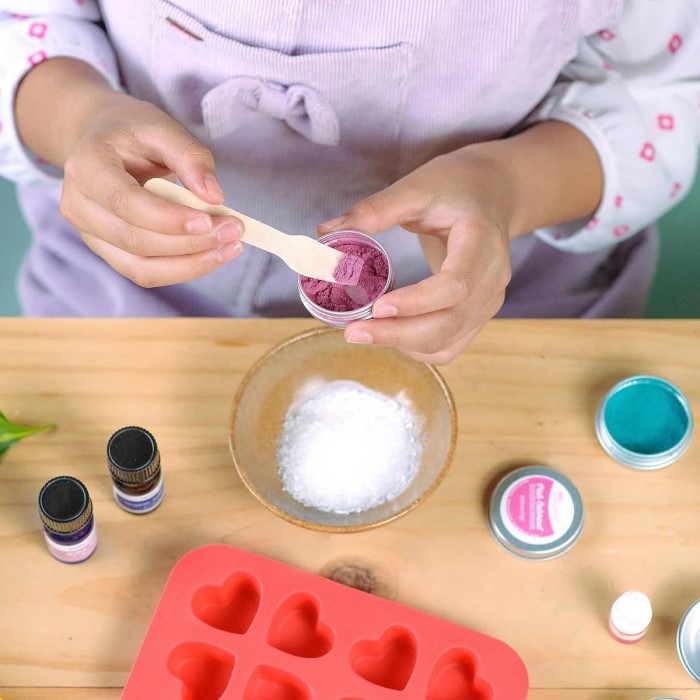
The world of creative arts offers endless opportunities for children to learn and express themselves. Among these activities, using a soap making kit for kids stands out as a fun and educational project. Not only does soap crafting provide a creative outlet, but it also introduces children to basic chemistry concepts, promotes hygiene, and equips them with essential skills. In this article, we will explore various aspects and benefits of soap-making kits designed for kids, along with exciting project ideas for 2026 that will surely ignite their imagination.
Benefits of Soap Making for Kids
Encouraging Creativity and Imagination
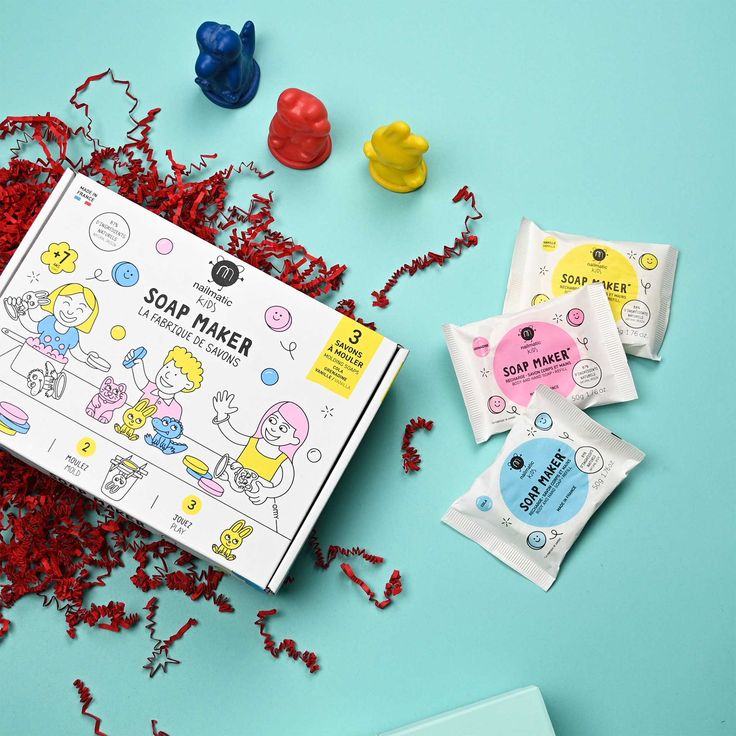
Soap making encourages children to think creatively. They can design soaps in different shapes and colors. Mixing ingredients helps spark their imagination. Kids enjoy adding personal touches like decorations and patterns. This activity lets them explore their artistic side. It’s a fun way to express individuality in a craft project.
Teaching Essential Science Concepts
Soap making introduces kids to basic science concepts. They learn about melting, mixing, and solidifying materials. Watching the soap transform teaches them about chemical reactions. Kids also understand measurements and ratios by following instructions. This creative teaching method makes science engaging and practical.
Promoting Eco-friendly Practices
Soap making helps kids appreciate eco-friendly habits. Many kits use natural ingredients that are safe for the environment. Handmade soap eliminates the need for plastic packaging. Kids learn the importance of using sustainable materials. Parents can explain how this helps reduce waste. It’s a great way to teach eco-conscious thinking early on.
Features to Look for in a Kids’ Soap Making Kit
Choosing the right soap making kit for kids is essential. The kit should be safe, fun, and easy to use. Some features are especially important when selecting a kit, as they enhance safety, ensure quality materials, and provide clear instructions. Here’s what to consider:
Safety Features for Young Users
Safety is the top priority in kids’ soap making kits. Kits should include tools with rounded edges and safe-to-use molds. Avoid sharp objects or tools that can injure children. Check if the kit clearly lists age recommendations. Look for kits with gloves or protective mats to keep hands safe during the process. Proper safety features ensure children can enjoy soap making without risk.
Non-Toxic and Skin-Safe Materials
Materials used in soap making kits must be non-toxic and gentle on skin. Choose kits labeled “skin-safe” and “dermatologically tested”. Organic and natural ingredients are ideal to avoid harsh chemicals. Fragrances and colors in the kit should be hypoallergenic. This reduces the risk of skin irritation. Parents should always double-check the ingredients list before purchasing.
Comprehensive Instructions and Tools Included
A good soap making kit includes detailed instructions and essential tools. Easy-to-read, step-by-step guides make the process simple for kids. Clear instructions help children understand each step, from mixing to pouring. Kits should also have necessary tools like molds, measuring cups, and mixing sticks. Everything should be included for a hassle-free experience. Look for kits that simplify learning while ensuring kids have fun.
Types of Soap Making Kits for Kids
Soap making kits come in different types to suit kids’ preferences and needs. These kits are designed to be engaging and age-appropriate. Let’s explore some popular types of soap making kits for kids.
Melt and Pour Soap Kits
Melt and pour soap kits are beginner-friendly and super easy to use. They include pre-made soap bases that kids can melt, pour, and shape. No need for complex tools or ingredients. Melt and pour kits allow kids to focus on creativity and fun. They can add colors, fragrances, or sparkles to customize their soaps. This type of kit is a perfect introduction to soap making for young children.
Organic and Natural Soap Kits
Organic and natural soap kits are great for eco-conscious families. These kits use natural ingredients like plant-based oils and essential oils. They are free from harsh chemicals and safe for sensitive skin. Kids can learn about the benefits of using organic products while making their soaps. Parents can also teach them about sustainability using these kits. It’s a fun and educational way to promote healthy habits.
Themed Soap Making Kits
Themed soap making kits add an extra layer of excitement to the activity. They include molds, colors, and decorations based on fun themes. Popular options feature animals, holidays, or favorite characters. These kits make the process more engaging and suitable for special occasions. Kids can create themed soaps as gifts or party favors. Themed kits encourage kids to explore different designs and enjoy imaginative play.
Step-by-Step Guide to Using a Soap Making Kit
Preparing Your Work Area
Before starting, ensure your work area is clean and safe. Cover the table with a protective mat or old newspaper. Gather all items from the soap making kit for kids. Keep bowls, spatulas, and the soap molds within easy reach. Make sure you have a small towel or cloth for quick cleaning. Provide gloves and aprons to keep kids and their clothes clean. Ensure good ventilation in the room, especially when using fragrances.
Mixing and Pouring the Soap Base
Begin by melting the soap base as instructed in the kit. Use a microwave-safe bowl or a double boiler for this step. Heat the soap base slowly to avoid overheating. Stir gently to ensure it melts evenly. Once melted, assist kids in pouring the liquid soap into molds. Encourage careful pouring to avoid spills. Make sure no one touches the hot soap base to prevent burns. Allow the molds to cool on a flat surface for even setting.
Adding Colors and Fragrances
Once the soap base is slightly cool but still liquid, add colors and fragrances. Use the dyes and scents provided in the soap making kit. Teach kids to add drops one at a time for proper mixing. Stir carefully to achieve even color and fragrance. To customize, allow kids to mix colors for unique shades. You can also add glitters or small decorations at this stage. Finish by leaving the soap molds untouched until fully solidified. Once ready, remove the soaps carefully to avoid breaking them.
Fun Activities to Enhance Soap Making
Making soap can be more fun with creative activities. These ideas inspire children to explore and experiment while making unique soap creations. Engaging in these activities adds excitement to the process and encourages them to use their imagination. Here are some ways to enhance soap making for kids:
Customizing with Shapes and Molds
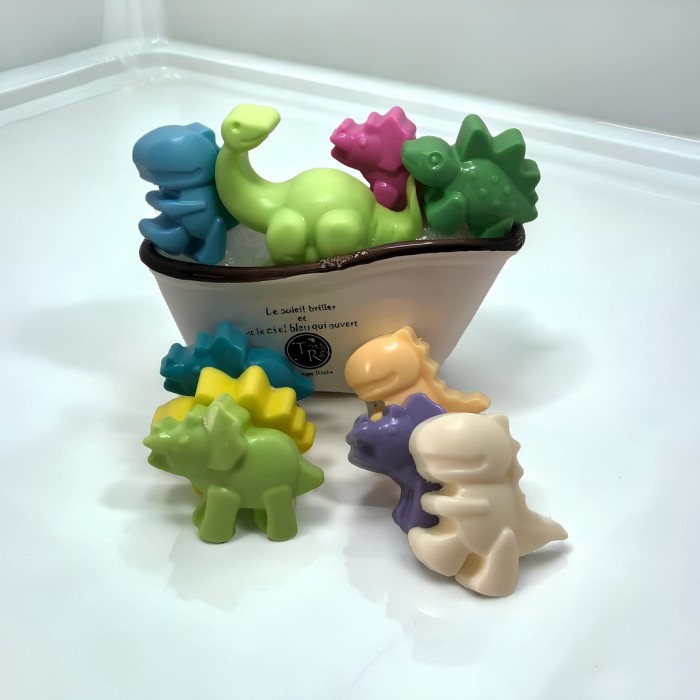
Children love creating soaps in various shapes. Soap molds come in animal, star, or heart-shaped designs. Kids can choose molds that match their interests, like dinosaurs or flowers. They can also mix designs with multiple molds to create a themed collection. Using customized molds makes the soap-making process more enjoyable and personal.
Creating Layered or Multi-Colored Soaps
Layered soaps involve pouring different colors or textures in separate layers. Teach kids to let each layer cool slightly before adding the next. Multi-colored soaps can be achieved by mixing different dyes carefully. These techniques allow children to experiment with blending colors. Layering and multi-coloring help them develop patience and precision while having fun.
Adding Toys or Decorations Inside Soaps
Embedding toys or decorations in soap adds an exciting surprise. Kids can place small, waterproof toys inside the molds before pouring the soap base. Glitter, beads, or confetti are great options for creative decorations. These embedded items give each soap a personal touch and make them extra special. Finished soaps with toys or decorations also make fantastic gifts.
Top Recommendations for Kids’ Soap Making Kits
Selecting the right soap making kit for kids can greatly enhance their experience. Below are some top recommendations that offer safety, fun, and creativity, catering to various needs and preferences.
Best Value for Money Kits
These kits provide affordability without compromising quality. They usually include:
- Non-toxic soap bases that melt easily.
- Basic tools like molds, mixing sticks, and measuring cups.
- Step-by-step instructions for easy learning.
- Options for adding colors and fragrances.
Popular choices include starter kits with reusable molds and colorful packaging. These kits are excellent for families on a budget who want a fun and educational activity.
Highly Recommended Kits for Beginners
Beginner-friendly kits make soap making simple and enjoyable for young kids. Ideal beginner kits feature:
- Pre-measured ingredients and ready-to-use soap bases.
- Easy-to-follow instructions with pictures.
- Protective gloves and mats for added safety.
- Fun molds and decorations to customize soaps.
Brands often label these kits as “Kid-Friendly” or “Beginner Soap Making Kits.” Their straightforward process allows children to focus on creativity without frustration.
Premium Soap Making Kits with Extra Features
Premium kits provide added features for a complete soap making experience. They come with:
- High-quality organic or natural ingredients.
- Unique molds in themed designs or intricate patterns.
- Extra tools like layering guides, specialized mixing sticks, and advanced molds.
- Bonus items like glitter, essential oils, and gift packaging.
These kits are perfect for families seeking a more refined experience or for gifting purposes. They help children learn advanced techniques while having fun.
Choosing the right kit ensures a rewarding soap making adventure for kids!
Tips for Safe and Enjoyable Soap Making
Ensuring safety and enjoyment in soap making is essential. Kids can learn and have fun simultaneously. Following a few tips can enhance the experience and minimize risks. Let’s explore how to make soap making both safe and enjoyable.
Supervision Guidelines for Different Age Groups
Supervision is key to safe soap making. Tailor your approach based on your child’s age:
Toddlers (3-5 years)
- Provide Constant Supervision: It is crucial to keep a close watch on toddlers while they engage in soap-making activities. Their curiosity and exuberance can lead to potential accidents if not monitored.
- Handle Hot Tools and Substances Yourself: Toddlers are too young to manage tools or substances that involve heat, such as melted soap bases. Always take charge of safe handling, ensuring that they remain at a safe distance from hot items.
- Let Them Decorate Soaps: While toddlers may not be able to make soap independently, they can express creativity by decorating the finished soaps. Offer them stickers, safe paints, or other embellishments to engage them in the creative process.
Young Children (6-8 years)
- Allow Them to Pour and Mix with Your Assistance: At this age, children are usually capable of performing some tasks, such as pouring ingredients and mixing them. However, it’s important to provide assistance to ensure safety and accuracy.
- Guide Them Step by Step: When introducing soap-making techniques, give clear, step-by-step instructions. Use simple language and demonstrate each step before allowing them to try. This approach helps them understand the process better and boosts their confidence.
Older Kids (9+ years)
- Supervise Only During Complex Stages: As children grow older, they become more capable of handling tasks independently. You only need to supervise them during complex stages, such as working with hot soap mixtures or using sharp tools.
- Let Them Try Basic Tasks Independently: Encourage independence by allowing older kids to take on basic tasks, such as measuring ingredients or melting soap, on their own. This fosters a sense of responsibility and enhances their crafting skills.
Keep hot items out of reach regardless of age. Be patient and offer guidance throughout the process. Supervision ensures safety while enabling kids to explore their creativity.
Cleaning and Storage After Soap Making
After finishing soap making, proper cleaning is crucial. A tidy workspace avoids accidents. Follow these steps for cleaning:
- Wash all tools with warm, soapy water. Dry them thoroughly to prevent rust.
- Clean spilled soap base or dyes quickly. Use a damp cloth for effective removal.
- Encourage kids to tidy up their molds and utensils.
- Store the kit in a box or container. Keep it in a dry place.
Regular cleaning maintains tool longevity. A clean kit is ready for the next fun session.
Handling Leftover Materials Responsibly
Leftover materials should be handled carefully. Teach kids the value of minimizing waste:
- Save extra soap base for future projects. Wrap it in plastic to avoid drying.
- Use leftover dyes or decorations in your next session.
- Avoid washing large amounts of soap down the drain. Dispose of scraps in the trash.
- Store small leftovers like glitter safely for reuse.
Managing leftovers teaches children eco-friendly habits. It also ensures cost-effective usage of the soap making kit.
By following these tips, soap making becomes a safe, fun, and meaningful activity. Encourage creativity while emphasizing responsibility and care.
Conclusion
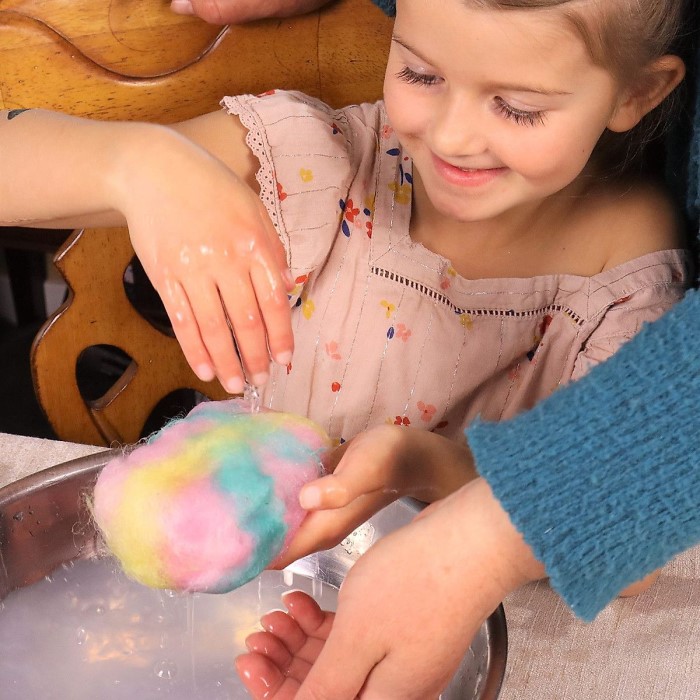
In conclusion, a soap making kit for kids can unlock a world of fun, creativity, and learning. From creating colorful swirl soaps to experimenting with scents, the possibilities are endless. This engaging activity promotes essential skills while allowing children to express themselves artistically. By selecting an appropriate kit and following safety guidelines, parents can ensure a delightful experience for their children. So gather your materials and step into the exciting adventure of soap-making; it’s an activity that promises unforgettable moments and cherished memories for kids and families alike.