Introduction to Roller Skating
Roller skating is a fun and engaging activity that people of all ages can enjoy. It combines exercise, skill, and creativity all in one. Understanding how to roller skate is essential for anyone looking to start this exciting hobby. In recent years, roller skating has gained renewed popularity. As we enter 2026, more people are keen to learn how to roller skate, but safety should always come first. This article focuses on how to roller skate safely with useful tips that will make your experience enjoyable and secure.

Benefits of Roller Skating
Roller skating is more than just a fun activity. It offers various physical and mental benefits that can enhance your lifestyle.
Physical Benefits
- Boosts Cardiovascular Health: Roller skating is a great aerobic exercise. It strengthens your heart and improves circulation.
- Enhances Muscle Strength: Skating works muscles in your legs, hips, and core. It helps tone and build strength.
- Improves Coordination and Balance: Consistent skating improves body coordination, balance, and agility.
- Burns Calories: Roller skating is an effective way to burn calories. A session can burn hundreds of calories.
- Low-Impact Exercise: Unlike jogging, skating is kinder to your joints, making it suitable for many.
Mental Benefits
- Reduces Stress: Skating can help clear your mind and reduce tension.
- Improves Mood: Physical activity releases endorphins, boosting your mood and energy.
- Fosters Social Connections: Group skating events or skating with friends can enhance social interaction.
Accessible and Versatile Activity
- Great for All Ages: Roller skating is suitable for kids, teens, and adults alike.
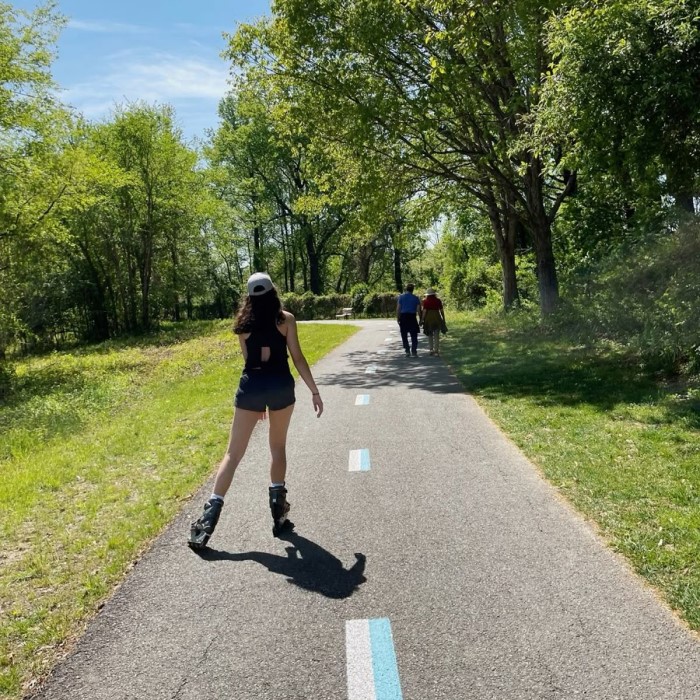
- Indoor and Outdoor Options: Skating can be done in rinks or on smooth outdoor surfaces.
Roller skating combines fitness and fun. It keeps you active and can improve your mind and body. Understand these benefits to get motivated and begin your journey to learn how to roller skate.
Essential Safety Gear for Roller Skating
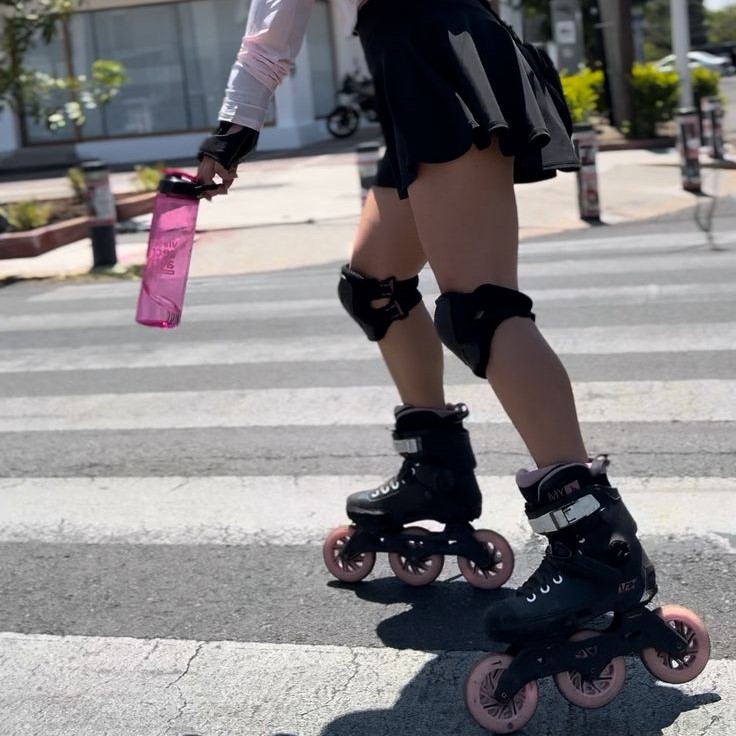
Safety is crucial when learning how to roller skate. Wearing the right gear can prevent injuries.
- Helmet: A sturdy, well-fitted helmet protects your head. Choose one certified for skating.
- Knee Pads: Knee pads cushion impacts from falls. Ensure they fit properly and are secured tightly.
- Elbow Pads: Elbow pads protect against scrapes and bruises during falls or slips.
- Wrist Guards: Wrist guards prevent sprains and fractures. They support your wrists during tumbles.
- Skating Gloves: Gloves offer extra grip and protect your hands from abrasions.
- Protective Clothing: Wear long sleeves and pants to minimize scrapes on exposed skin.
- Proper Skating Shoes: Use roller skates that fit well and provide adequate ankle support.
Ensure your gear fits well and is in good condition. Proper safety equipment makes roller skating enjoyable and keeps you injury-free.
How to Choose the Right Roller Skates
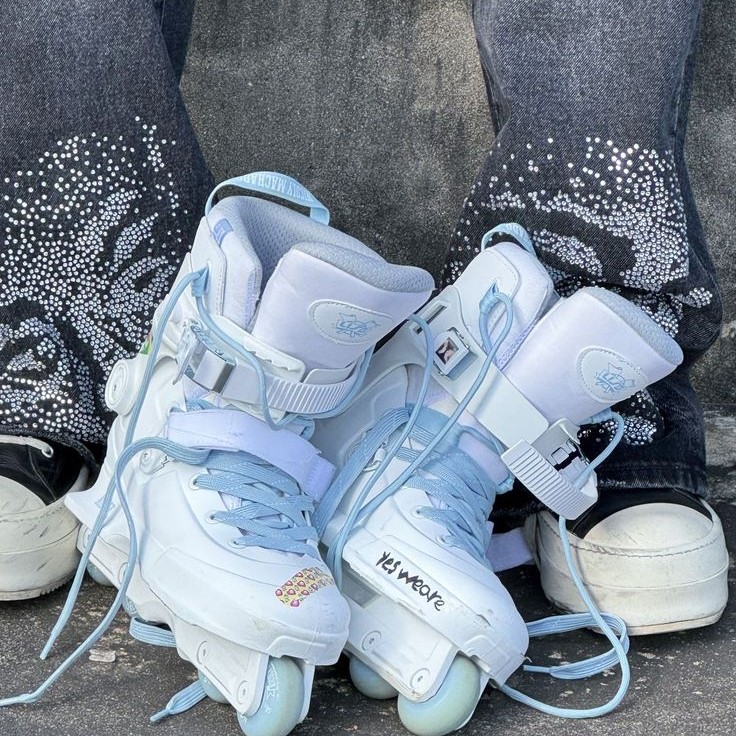
Choosing the right roller skates is crucial for a safe and enjoyable skating experience. Your skill level, skating style, and the environment you plan to skate in all play a role in making this decision. Here are key factors to consider when selecting your skates:
- Determine Your Skating Style: Decide if you’ll skate indoors, outdoors, or engage in artistic, speed, or roller derby skating. Each type requires specific skates designed for the activity.
- Pick the Right Boot Type: Skates come with either low-cut or high-cut boots. High-cut boots provide better ankle support and are ideal for beginners. Low-cut boots offer more flexibility and are preferred by advanced skaters for tricks and speed.
- Wheel Type and Size: Wheels vary for indoor and outdoor skating. Indoor skates feature harder wheels for smooth surfaces, whereas outdoor skates use softer wheels for better shock absorption on rough terrain. Generally, larger wheels improve speed, while smaller wheels enhance control.
- Frames and Trucks: The frame connects wheels to the skate boot. Metal frames are durable, while plastic frames are lighter and affordable. Trucks, which control turning and stability, should be sturdy and secure.
- Bearings: Bearings affect the smoothness of your ride. Look for skates with quality bearings that ensure effortless rolling.
- Proper Fit: Comfort matters a lot when skating. Choose skates that fit snugly without pinching. Ill-fitting skates can lead to discomfort or injuries.
- Budget: Skates come in a wide price range. For beginners, start with affordable options, but avoid compromising on quality.
- Try Before You Buy: If possible, try the skates on and test their comfort. Check for good support and ease of movement.
Selecting the best roller skates sets the foundation for learning how to roller skate. Invest time in finding the perfect pair that suits your needs and maximizes your enjoyment.
Learning Basic Roller Skating Techniques
Mastering basic roller skating techniques is essential for beginners. Start with simple moves and build confidence. Learning these foundational skills will make skating safe and enjoyable.
Finding Your Balance
- Stand Steady: Position your feet shoulder-width apart and bend your knees slightly. Keep your weight evenly distributed.
- Focus Forward: Look ahead, not down, to maintain proper posture and balance. Keep your shoulders relaxed.
- Use a Stable Surface: Practice balancing near a wall or rail for additional support.
- Relax and Practice: Don’t rush. Balance improves with consistent practice.
Starting and Stopping Safely
- Start Slow: Begin by gliding gently. Push with one foot while keeping the other steady.
- Use the Heel Brake: Most roller skates have a brake on one skate. Press it down gently to stop.
- Practice Stopping Techniques: Try the “T-stop”. Drag one skate behind the other in a T-shape to slow down.
- Stay Calm During Stops: Avoid abrupt movements to maintain control and avoid falls.
Turning and Changing Directions
- Use Your Shoulders: Turn your shoulders toward the direction you want to go. Your body will follow.
- Shift Weight Gradually: Lean slightly to the side you’re turning, but keep your movements smooth.
- Crossovers for Sharp Turns: Practice moving one skate over the other to turn sharper corners.
- Maintain Speed: Slow down before turning to keep better control.
Learning these techniques is a key part of understanding how to roller skate. Practice regularly and focus on steady progress.
Practicing Techniques to Improve Your Skills
Improving your roller skating skills takes practice, patience, and consistency. By dedicating time to regular practice, you can enhance your abilities and become a more confident skater. Here are some effective techniques to refine your skills:
- Practice Skating Drills: Work on skating in straight lines, circles, and figure eights. This improves control and mobility.
- Strengthen Your Core: A strong core helps maintain balance and stability while skating. Do planks and crunches.
- Work on Transitions: Practice switching between skating forward and backward. Shift your weight smoothly for control.
- Perfect Crossovers: Focus on crossing one skate in front of the other in figure-eight patterns. This enhances turning.
- Increase Speed Gradually: Push off faster during practice sessions to improve your speed and power.
- Skate on Different Terrains: Practice on different surfaces like smooth floors, sidewalks, and rinks to adapt your movements.
- Set Realistic Goals: Start with small goals, like skating longer distances or improving your stopping technique.
- Learn to Fall Safely: Practice falling on your pads rather than your wrists. It reduces injury risks.
- Work on Edge Control: Practice shifting your weight between the inside and outside edges of the wheels.
- Join a Skating Group: Skating with friends or groups helps you learn new techniques and get feedback.
Focus on practicing regularly and be patient with your progress. Use these techniques to gain confidence and learn how to roller skate effectively.
Tips for Staying Safe While Roller Skating
Staying safe while roller skating is essential to enjoy the activity and prevent injuries. Here are some practical tips to ensure your safety:
- Wear Proper Safety Gear: Always wear a helmet, knee pads, elbow pads, and wrist guards. Proper equipment protects against falls and injuries.
- Choose the Right Skating Surface: Opt for smooth, even surfaces to avoid tripping on cracks, stones, or uneven ground.
- Inspect Your Skates Regularly: Check your skates for loose wheels, worn-out brakes, or damaged parts before each session.
- Practice Good Posture: Keep your knees slightly bent, your back straight, and look ahead, not down.
- Warm Up Before Skating: Stretch your muscles and do light exercises to prepare your body for skating.
- Learn to Fall Properly: Always try to fall on your protective gear, especially your knee pads, to avoid injuries.
- Stay Aware of Your Surroundings: Watch out for cars, pedestrians, and obstacles, especially in crowded areas.
- Follow Traffic Rules: When skating outdoors, obey traffic signals and stay in designated areas.
- Skate Within Your Skill Level: Avoid complex moves or skating at high speeds until you are confident.
- Stay Hydrated: Roller skating is physical activity, so drink water to stay hydrated.
- Avoid Skating in Poor Weather: Wet or icy surfaces are slippery and increase the risk of accidents. Skate in good weather conditions.
- Be Visible: If skating at night or in low light, wear reflective gear or bright colors to be seen.
- Take Breaks When Needed: Rest if you feel tired to avoid losing focus or control.
- Don’t Skate Alone: Skate with a friend or in a group for support and safety.
- Comply with Park or Rink Rules: Respect guidelines to ensure you and others skate safely.
By following these safety tips, you can enjoy roller skating while minimizing the risk of accidents.
Common Mistakes to Avoid as a Beginner
Learning how to roller skate is exciting, but beginners often make avoidable mistakes. Understanding these errors can help you improve faster and stay safe.
- Neglecting Safety Gear: Some beginners skip wearing proper safety gear. Always wear a helmet, knee pads, elbow pads, and wrist guards. This prevents injuries and makes you feel more secure.
- Improper Posture: Standing too stiff or leaning back can lead to falls. Bend your knees slightly and keep your weight forward to maintain balance.
- Looking Down While Skating: Many beginners focus on their feet. Look ahead to improve posture and avoid obstacles.
- Skipping the Basics: Rushing into advanced moves increases the risk of falls. Focus on mastering balance and stopping first.
- Choosing the Wrong Skates: Ill-fitting skates affect comfort and control. Make sure your skates fit well and suit your skill level.
- Not Practicing Enough: Inconsistent practice can slow down your progress. Dedicate regular time to improve.
- Ignoring the Surface: Skating on uneven or slippery surfaces increases the chance of accidents. Choose smooth and safe areas.
- Overconfidence: Trying difficult moves too early can lead to injuries. Build your skills gradually.
- Skipping Warm-Ups: Cold muscles are prone to injury. Stretch and warm up before you start skating.
- Not Learning to Fall Safely: Falling is part of learning. Practice landing on your knee pads and rolling to minimize harm.
- Using Incorrect Braking Techniques: Don’t drag your toes or try to suddenly stop. Practice heel-braking and T-stops instead.
- Spinning or Turning Too Quickly: Sharp turns can be challenging for beginners. Practice slow, controlled movements first.
Avoiding these mistakes will help you learn how to roller skate safely and effectively. Patience and practice are key to mastering this fun skill.

Progressing to Advanced Roller Skating Moves
As you master basic skating techniques, it’s time to move on to advanced moves. Progressing helps improve skills, confidence, and performance. Here are steps to advance your roller skating journey.
Mastering Crossovers
- Start with Small Steps: Begin with slow crossover movements and gradually increase speed.
- Lead with Your Shoulders: Turn your shoulders in the direction you’re moving for better control.
- Focus on Balance: Keep your weight steady and distribute it evenly across your skates.
Practicing Backward Skating
- Find a Secure Area: Practice in a safe, open space without obstacles.
- Use the Toe Stop: Push backward using the toe stop lightly for smooth movement.
- Stay Relaxed: Keep knees bent and look over your shoulder to maintain direction.
Enhancing Quick Turns
- Learn Pivoting: Practice pivoting on one leg for sharp changes in direction.
- Maintain Speed: Adjust speed before turning but ensure smooth transitions.
- Use Edges: Control movements with the inside and outside edges of your wheels.
Increasing Speed Safely
- Practice Hard Pushes: Extend and push with your legs firmly to gain momentum.
- Build Endurance Gradually: Skate for longer durations to improve stamina.
- Lean Forward Slightly: Keep your weight forward to help with speed control.
Perfecting Jumps and Spins
- Start Small: Practice small hops before attempting higher jumps.
- Land Safely: Bend knees upon landing to prevent falls.
- Spin in One Direction: Focus on consistent spinning to maintain balance.
Learning Roller Derby Techniques
- Strengthen Pivots: Roller derby often involves strong pivots for quick maneuvers.
- Practice Blocking: Work on accurate movement to block rivals safely.
- Improve Agility: Do drills for faster and sharper turns.
Nail Artistic Moves
- Balance and Rhythm: Use fluid movements to match music or choreography.
- Practice Spins: Keep your core tight to control turns and rotations.
- Use Arm Movements: Incorporate arm gestures to complement footwork.
Progressing in roller skating takes determination and regular practice. Follow these steps, learn advanced techniques, and enjoy the thrill of skating like a pro.
Conclusion
In conclusion, roller skating is a fantastic way to engage in exercise while having fun. Understanding how to roller skate safely is crucial for beginners and experienced skaters alike. From selecting the right gear to practicing fall techniques, each aspect plays a role in ensuring a safe skating experience. By implementing the tips presented in this article, you can enjoy roller skating throughout 2026 and beyond. Remember that safety should always come first, so stay aware of your surroundings and adopt proper techniques for how to roller skate effectively. Enjoy the ride and have fun in this amazing activity!