Introduction
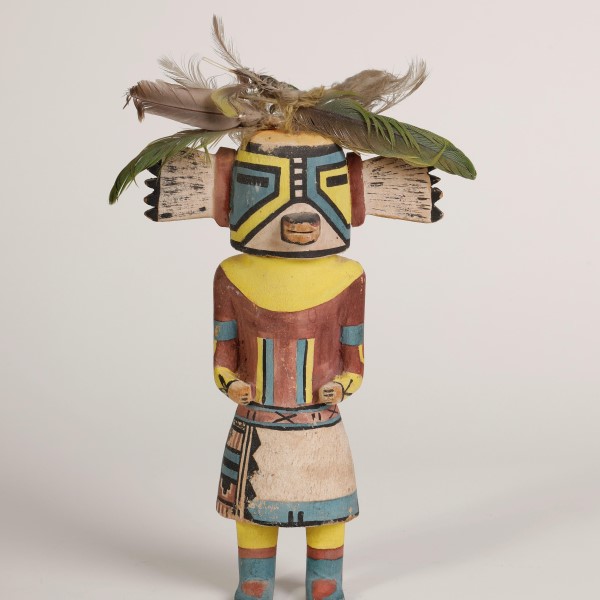
Kachina dolls are more than mere decorative artifacts; they hold profound cultural and spiritual significance within Native American communities, particularly among the Hopi tribe. These intricately carved figures represent various spirits, ancestors, and deities integral to the Hopi way of life. In this comprehensive guide, we delve into the fascinating history of Kachina dolls, their meanings, and the essential criteria for discerning authentic pieces from imitations. By understanding Kachina doll, collectors and enthusiasts can appreciate their cultural value and the rich storytelling embedded in each figure.
The Cultural Significance
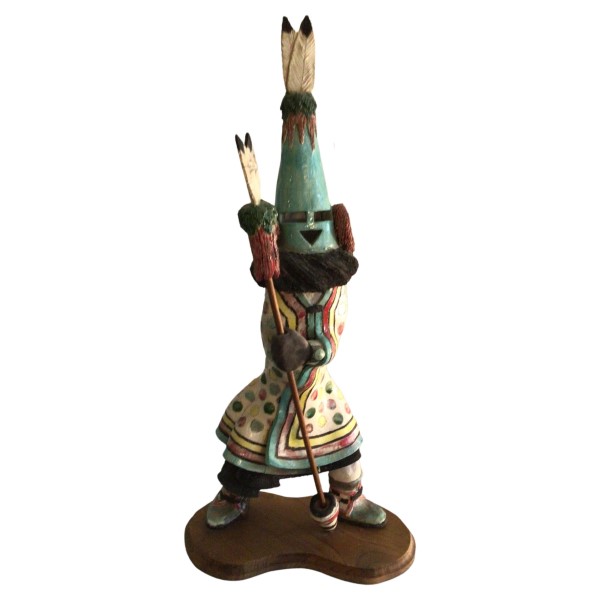
Kachina dolls serve primarily as cultural artifacts and educational tools that impart knowledge about spirituality and tradition to Hopi children. Each doll embodies a specific Kachina spirit, acting as a guide to understanding important aspects of life, such as agriculture, fertility, and weather. Beyond their educational utility, these dolls used in ritualistic ceremonies, where they represent various Kachina spirits believed to bless the community with prosperity and well being during critical times of the year.
The dolls’ roles extend into the ceremonial practices as well; during Hopi ceremonies, dancers wear masks and costumes resembling these Kachina dolls, embodying the spirits they represent. This encapsulates an essential aspect of the Hopi cultural fabric—an interconnectedness between the spiritual and physical realms.
Origins of Kachina Dolls
Cultural Background:
The origins of Kachina dolls are deeply rooted in the Kachina religion practiced by the Hopi people. This belief system is rich in mythology and spirituality, reflecting the community’s connection to nature and the supernatural.
Meaning of “Kachina”:
The term “Kachina” refers to spirit beings that the Hopi believe interact with humans. These spirits are thought to bestow blessings related to vital aspects of life. Including nature, fertility, and agriculture, reinforcing the importance of harmony with the environment.
Historical Significance:
The tradition of Kachina doll-making has a history that spans hundreds of years. Initially, these dolls served as educational tools, teaching young members of the Hopi community about their beliefs, culture, and the roles of various Kachina figures.
Evolution into Collectible Art:
The transformation of Kachina dolls into collectible art pieces began in the early 20th century. This shift coincided with a growing interest in Native American art among collectors and tourists. Which increased the visibility and appreciation of these traditional crafts.
Artisan Craftsmanship:
Traditionally, Kachina dolls carved from cottonwood roots, showcasing the skills and artistry of the craftspeople. These skills have handed down through generations, with artisans applying techniques that reflect their cultural heritage.
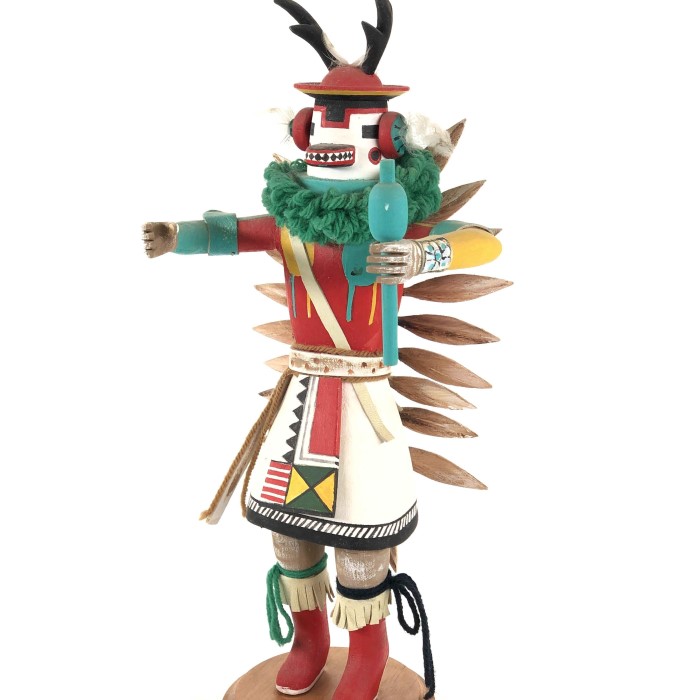
Craftsmanship and Materials
Exceptional Craftsmanship
-
- Authentic Kachina dolls are characterized by their outstanding craftsmanship, setting them apart from mass-produced items.
- The artisans possess specialized skills that have been honed over time, allowing them to create dolls with precision and creativity.
Natural Materials
-
- A hallmark of genuine Kachina dolls is the use of natural materials, particularly cottonwood and other indigenous woods.
- These materials provide each doll with its own unique texture and character, contributing to its individuality and charm.
Meticulous Carving Techniques
-
- The carving process involves meticulous attention to detail, ensuring that every aspect of the doll is thoughtfully crafted.
- Facial expressions are carefully sculpted to capture the essence of the Kachina they represent, while intricate designs created to enhance the costumes.
Traditional Painting Methods
-
- In addition to wood, artists utilize natural pigments to paint the dolls, often employing traditional techniques passed down through generations.
- This practice not only preserves the cultural heritage of the Hopi people but also adds authenticity to each doll.
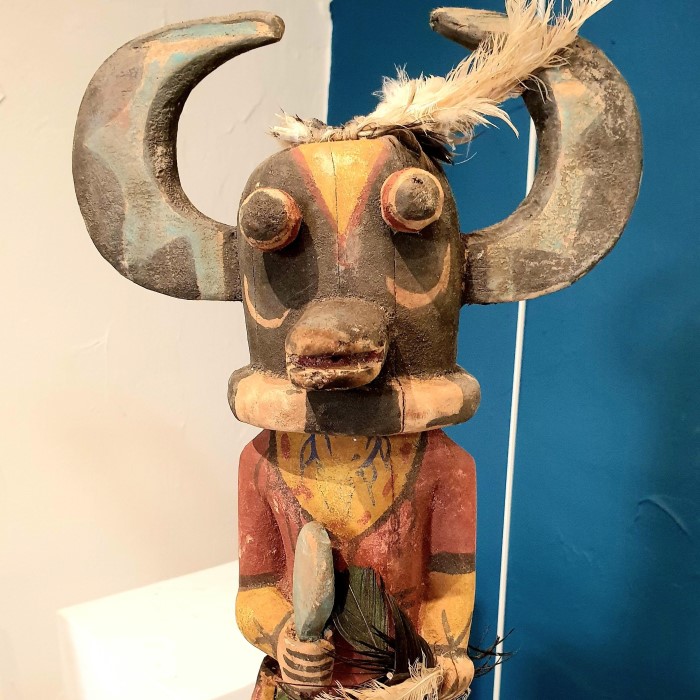
Use of Decorative Elements
-
- To enhance the visual appeal of each Kachina, artists frequently incorporate additional decorative elements such as feathers, beads, and other embellishments.
- These accessories add depth and complexity to the representation, bringing the Kachina to life.
Importance for Collectors
-
- Understanding and recognizing these materials and techniques is crucial for collectors.
- This knowledge enables them to distinguish between authentic Kachina dolls and mass-produced replicas, ensuring they are investing in genuine pieces that reflect the artistry and cultural significance of Hopi heritage.
How to Identify Authentic Kachina Dolls
For collectors and art enthusiasts, it is crucial to ensure that the Kachina dolls purchased are authentic representations of Hopi craftsmanship. Here are several key factors to consider:
Material Composition
- Distinction from Mass-Produced Versions: In contrast to genuine Kachina dolls, mass-produced versions crafted from synthetic materials like resin or plastic. These alternatives tend to lack the sentimental value and uniqueness associated with handcrafted pieces.
- Impact on Value: The choice of material not only affects the aesthetic appeal but also influences the doll’s value in the marketplace, with cottonwood dolls typically being more sought after by collectors.
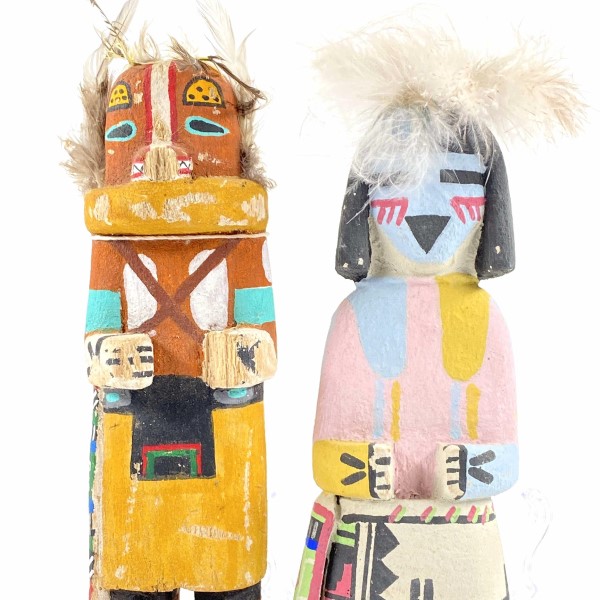
Artisan Signatures
- Identification Markings: Many artisans will sign or mark their creations on the base of the doll, which serves as a form of authentication. These signatures can be initials, symbols, or full names.
- Researching Signatures: To verify the authenticity of a Kachina doll, it is important to research these signatures. Resources such as artist directories or regional art collectives can provide valuable information about specific artisans and their work.
- Connection to the Artist: Understanding who created a doll can deepen the appreciation of the piece, as it ties the object to its maker and the cultural heritage they represent.
Visual Detail
- Attention to Detail: Look for nuances in the painting, carving, and overall construction of the doll. Authentic dolls will often exhibit high-quality technique in the way colors blended and patterns applied.
- Contrast with Imitations: Imitation dolls may lack the depth of detail found in genuine pieces, often appearing flat or overly simplistic in their designs. This discrepancy is a key factor in distinguishing real dolls from their counterfeit counterparts.
Cultural Representation
- Symbolic Meanings: Each Kachina doll embodies specific meanings, stories, and myths that are integral to Hopi culture. These symbols can represent various elements of life, such as nature, spirituality, or ancestral beliefs.
- Understanding the Context: Gaining knowledge about the significance of these symbols allows collectors and admirers to appreciate not only the doll’s aesthetic but also its cultural and historical context.
- Enhancing Appreciation: By understanding the myths and meanings behind each doll, one can develop a deeper connection and respect for the work, recognizing it as a representation of Hopi tradition rather than just a decorative item.
Kachina dolls are predominantly associated with the Hopi tribe, whose community has long embraced these dolls as a form of spiritual expression. While both the Hopi and Navajo tribes have unique and rich artistic traditions, the specific craft of Kachina dolls is integral to Hopi cultural practices. The Hopi people often use these dolls in ceremonies, emphasizing their significance as cultural and spiritual tools.
Although some Navajo artisans create dolls that might resemble Kachina dolls, their styles typically reflect Navajo customs and traditions. As such, understanding the cultural origin of a Kachina doll vital for anyone interested in Native American art.
Are Kachina Dolls Sacred?
Kachina dolls hold sacred significance in Hopi culture. Where they are viewed as representations of living spirits. However, it is essential to understand that different dolls may serve different purposes. While some crafted specifically for educational or ceremonial purposes. It is crucial for collectors and art purchasers to respect the spiritual significance of these dolls and acknowledge their roles within the community.
When considering a purchase, it is advisable to inquire about the doll’s origin and intended use. Understanding the nuances of Kachina dolls’ sacredness ensures that buyers foster respect for the traditions they represent.
Understanding “Kachina” in Native American Culture
The term “Kachina” in the Hopi language can be translated to mean “spirit” or “to be alive,” representing a deep connection to the natural world and ancestral spirits. The Kachina belief system involves various spirits that embody essential elements of life, such as rain, crops, and health. These symbols reinforce the Hopi view of the world as interconnected, reflecting the crucial bond between community, spirituality, and the environment.
This connection is not merely theoretical; it is most vividly expressed through the Kachina dances performed during seasonal ceremonies. Community events, celebrating the return of specific Kachina spirits, highlight the importance of these figures in daily life and agricultural cycles.
Conclusion
Kachina dolls represent an ongoing dialogue between art, culture, and spirituality. For enthusiasts and collectors, understanding the origins, cultural significance, and craftsmanship of these dolls deepens one’s appreciation for Native American art. By recognizing Kachina dolls as embodiments of spiritual beliefs, collectors can honor their cultural heritage while enjoying their intricate beauty.
As you explore the world of Kachina dolls, remember the stories they tell and the traditions they embody. This knowledge will enrich your experience and foster a greater understanding of the values and beliefs of the Hopi people.