Introduction: A Timeless Classic in Collectibles
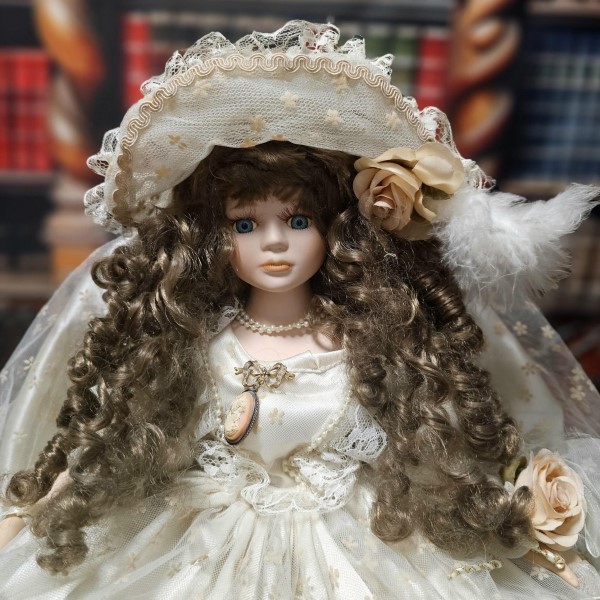
Porcelain doll has captivated collectors and admirers for centuries. Their intricate craftsmanship, delicate features, and historical significance contribute to their lasting appeal. Porcelain dolls represent not just artistry but also a window into cultural history. As we explore the reasons behind their enduring popularity, we will discover that these dolls are more than just collectibles—they are cherished treasures that evoke nostalgia and admiration among enthusiasts of all ages.

This article delves into the allure of porcelain doll, examining their historical context, craftsmanship, cultural significance, and tips for collectors. By the end, you’ll understand why porcelain dolls continue to enchant both new and seasoned collectors.
The Historical Context
Understanding the popularity of porcelain dolls requires a look back at their history.
1. Origins in China
- Early Beginnings: The history of porcelain dolls dates back to the 18th century, primarily originating in China. The Chinese mastered porcelain-making techniques, creating beautiful, durable pieces that captivated European audiences.
- Cultural Significance: Initially, these dolls were more than toys; they reflected cultural values and artistic traditions. The craftsmanship of Chinese porcelain dolls often depicted traditional attire and themes, enhancing their value as decorative art pieces.
2. The European Influence
Adoption and Adaptation
- Expansion of Trade: During the 18th century, as international trade routes expanded, European countries gained access to various goods, including porcelain from Asia. This influx of materials inspired European artisans to explore porcelain doll-making techniques.
- Influence of Asian Techniques: The introduction of high-quality porcelain techniques from China and later Japan provided European craftsmen with new possibilities. They began to adopt and adapt these methods, melding Asian influences with local artistic styles.
- Germany and France at the Forefront: Among the European countries, Germany and France emerged as leaders in porcelain doll production. These nations developed their unique styles, becoming renowned for their intricate craftsmanship and attention to detail.
- Resemblance to Aristocracy: The dolls produced in these countries often featured designs that closely resembled the children of the aristocracy. Artisans focused on creating dolls with lifelike features, elaborate clothing, and expressions that mirrored societal norms and ideals of beauty.
- Showcasing Contemporary Fashion: The dolls became a reflection of the latest fashions of the time.
The adoption and adaptation of porcelain doll-making in European countries marked a significant cultural shift, blending artistry with social commentary on class and fashion.
Development of Dollmaking Techniques
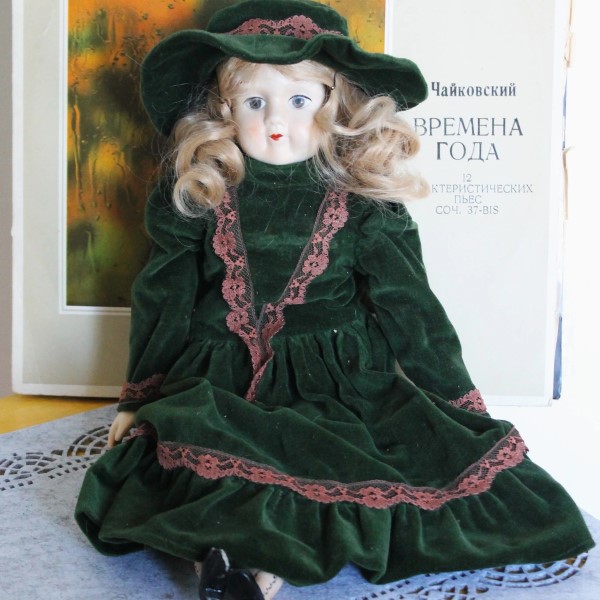
- Artisan Innovation: The 19th century was a pivotal time for the craft of doll-making. Artisans began to innovate, exploring new techniques and processes that expanded the possibilities in doll design.
- Diverse Materials: Alongside traditional porcelain, dollmakers began integrating various materials such as cloth, wood, and wax. This experimentation allowed for more diverse structures and intricate detailing in each creation.
- Enhanced Beauty and Detail: The introduction of new materials not only beautified the dolls but also added depth to their construction. Artisans could create realistic features, including intricate facial expressions and detailed hairstyles.
- Rise of Collectible Dolls: This era marked the rise of collectible porcelain doll as they became increasingly sought after by families and collectors alike. As unique and beautifully crafted items, these dolls gained popularity in parlors and display cabinets.
- Impact on Collector Culture: The expanding market for porcelain doll fostered a new culture of collecting. Families would begin to acquire dolls for their decorative value, as well as for their potential as investments.
The historical context of porcelain dolls adds depth to their allure, showing how they evolved over time to become cherished collectibles.
The Craftsmanship Behind Porcelain Dolls
The craftsmanship of porcelain dolls plays a significant role in their appeal.
1. Intricate Artistry
- Handcrafted Detailing: Each porcelain doll is typically handcrafted, showcasing meticulous attention to detail. Artisans spend hours perfecting facial features, hairstyles, and outfits, ensuring that each doll is unique.
- Realistic Features: The artistry in crafting porcelain doll allows for realistic facial expressions and intricate features. This attention to detail is part of what makes them so attractive to collectors.
2. Use of Quality Materials
- Quality Porcelain: High-quality porcelain provides a smooth, delicate finish that enhances a doll’s beauty.
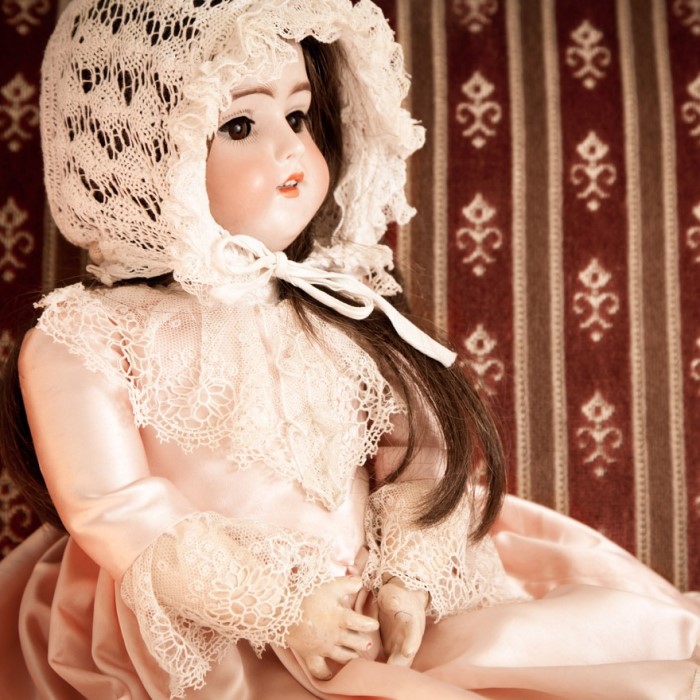
- Textiles and Embellishments: In addition to porcelain, doll clothing often features luxurious textiles adorned with lace, ribbons, and other embellishments. The variety of materials used adds to the authenticity and charm of each piece.
The craftsmanship behind porcelain dolls distinguishes them as unique works of art, combining skill and creativity to captivate admirers.
The Enduring Popularity
Despite changing trends in toys and collectibles, porcelain dolls continue to captivate audiences. Here are several reasons for this ongoing popularity.
1. Connection to Childhood and Nostalgia
- Sentimental Value: For many collectors, porcelain dolls evoke feelings of nostalgia, reminding them of their childhood or family traditions. This emotional connection makes the dolls cherished items, often passed down through generations.
- Timeless Beauty: The classic beauty of porcelain dolls appeals to those seeking a connection to a simpler time. As modern toys become increasingly high-tech, collectors appreciate the timeless elegance and craftsmanship of porcelain dolls.
2. Expanding Collector Communities
Diverse Collecting Options
- Abundance of Styles: The world of porcelain dolls offers a rich array of styles and designs. Collectors can choose from traditional dolls that reflect historical accuracy to modern interpretations that showcase contemporary fashion trends.
- Historical Dolls: Historical porcelain dolls are often designed to represent specific periods in history. Collectors may seek out dolls that depict the fashion, attire, and cultural significance of eras such as the Victorian age or the Roaring Twenties, making history come alive through collectibles.
- Limited Editions: Many manufacturers release limited edition porcelain doll that are produced in small quantities. These dolls are highly sought-after for their exclusivity, and owning them can enhance a collector’s reputation and value within the community.
- Artistic Interpretations: Artisans frequently create one-of-a-kind dolls that reflect individual artistic visions. These artistic interpretations can include unique facial features, innovative clothing designs, and creative themes, appealing to collectors who appreciate originality.
- Global Influence: The diversity in porcelain dolls is also influenced by various cultures around the world. Collectors can explore dolls from different regions, each showcasing local craftsmanship and cultural storytelling, enriching their collections with global perspectives.
The extensive range of collecting options ensures that there’s something for every porcelain doll enthusiast, making it a rewarding hobby.
Community Engagement
-
Building Connections: Collecting porcelain dolls often leads to the formation of strong bonds among enthusiasts. Whether online or offline, collectors share a common interest that fosters camaraderie and mutual appreciation for the art.
- Joining Clubs: Many collectors participate in or join specialized doll clubs. These clubs offer a platform for members to connect, share experiences, and learn from one another. They often organize meetings, exhibitions, and events that provide opportunities to showcase collections and network with fellow enthusiasts.
- Online Forums and Social Media: The rise of the internet has enabled collectors to join online forums and social media groups dedicated to porcelain dolls. These platforms allow for discussions about doll care, sourcing new additions, and sharing tips for preservation.
- Participation in Shows and Fairs: Collectors often attend doll shows and fairs where they can display their dolls, meet other collectors, and purchase limited edition pieces. These events serve as an exciting way to engage directly with the porcelain doll community and discover new favorites.
- Exchanging Knowledge: Sharing knowledge about various doll brands, manufacturing techniques, and historical significance is common among collectors. This exchange of information empowers newcomers and enriches the collective understanding of porcelain dolls.
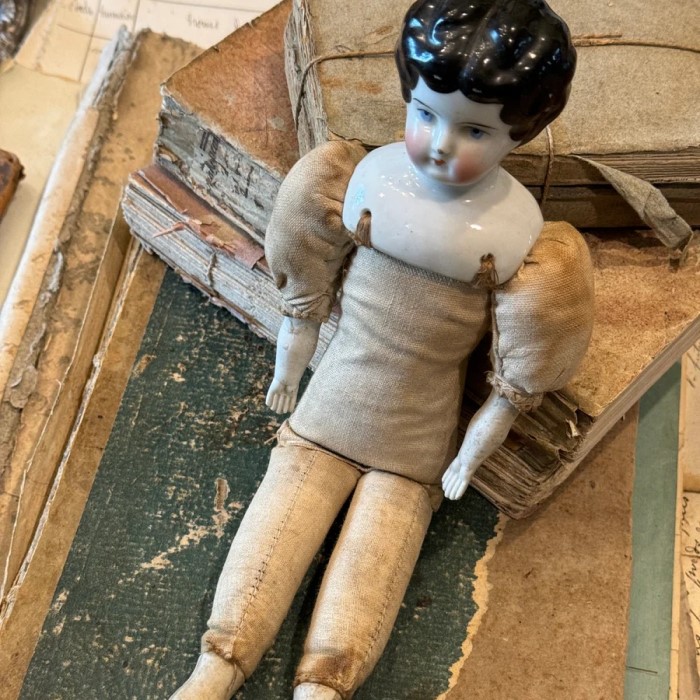
The growing interest in porcelain dolls is fueled by community engagement and the emotional ties they create.
Caring for Your Porcelain Dolls
To maintain the beauty and integrity of porcelain dolls, proper care is essential.
1. Cleaning Guidelines
- Gentle Dusting: Regular dusting with a soft, dry cloth can prevent dirt accumulation. Avoid using cleaners that contain harsh chemicals, as these could damage the finish.
- Spot Cleaning: For any stains, a damp cloth with mild soap can be used for spot cleaning. Ensure that the doll is gently dried afterward to prevent moisture damage.
2. Proper Storage Techniques
- Ideal Conditions: Store porcelain dolls in a cool, dry place away from direct sunlight to prevent fading and cracking. If possible, display dolls in a glass cabinet to protect them from dust and accidental damage.
- Hygroscopic Sublimation: Since porcelain can absorb humidity, using silica gel packets in the storage area can help regulate moisture levels, ensuring the dolls remain in excellent condition.
Taking care of your porcelain dolls protects your investment and maintains their beauty for years to come.
Frequently Asked Questions
Are porcelain dolls worth anything?
Yes, the value of porcelain dolls can vary significantly. Factors such as age, rarity, condition, and maker influence their worth. Vintage and limited-edition dolls typically command higher prices among collectors.
Why are porcelain dolls so expensive?
Porcelain dolls are often priced higher due to the intricate craftsmanship involved in their production, as well as the quality materials used. Limited editions and dolls from renowned artists or manufacturers can further increase their value.
What are Chinese porcelain dolls called?
Chinese porcelain dolls are often referred to as “character dolls.” They typically display traditional Chinese clothing and features representative of various cultural themes, showcasing the artistry of doll-making.
Conclusion
In conclusion, porcelain dolls remain a beloved choice among collectors and children alike. Their intricate craftsmanship, historical significance, and emotional connections contribute to their lasting popularity. As we continue to admire the artistry and beauty of this collectible, it becomes clear that porcelain dolls have a unique ability to enchant people across generations.
Whether you’re a seasoned collector or exploring the world of dolls for the first time, understanding the allure of porcelain doll opens the door to a captivating journey filled with creativity and nostalgia. Embrace the timeless charm of porcelain doll and discover why they remain a cherished part of many households and collections today.