Introduction: Embracing Roller Skating as a Beginner
Roller skating has made a remarkable comeback and is now more popular than ever. Many people are eager to learn how to roller skate for beginners amid this renewed interest. Roller skating is not only a fun outdoor activity but also a fantastic way to exercise and socialize. Whether you’re looking to glide smoothly through the park, join a roller disco, or enjoy a new hobby with friends, knowing the basics is vital. In this article, we will explore essential techniques, safety tips, and the latest trends that make roller skating accessible and enjoyable for beginners.
Choosing the Right Roller Skates
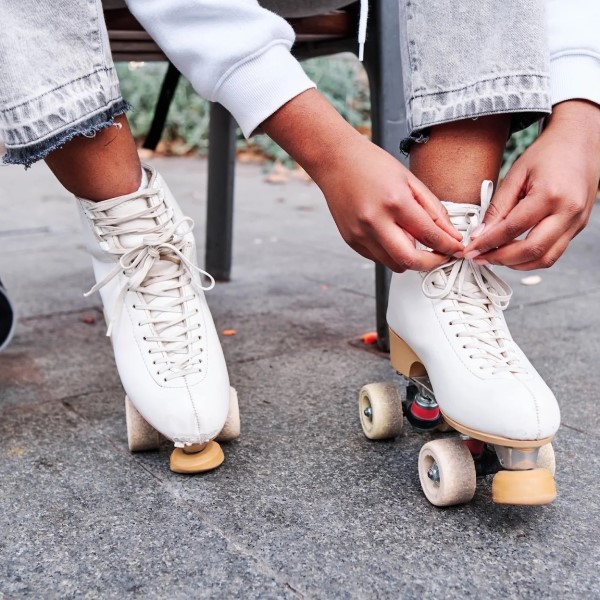
How to roller skate for beginners? Choosing the right roller skates is important for beginners. The correct skates provide comfort and support. They also improve performance and reduce the risk of injuries. Understanding the different skate types will help you make the best choice.
Types of Roller Skates
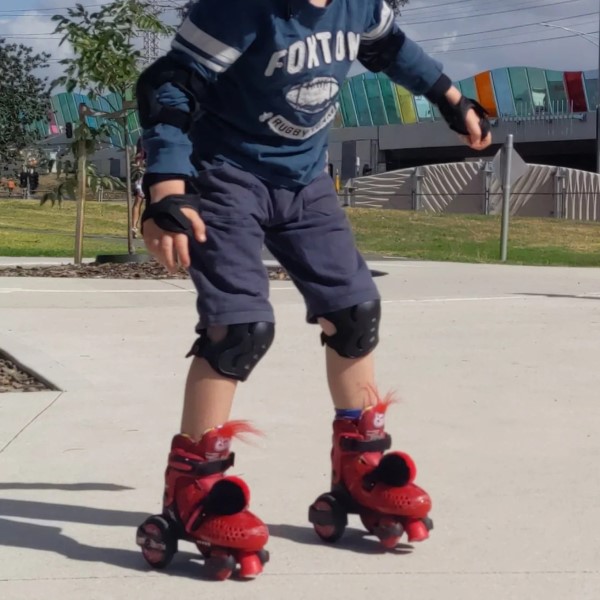
- Quad Skates: These have four wheels in a two-by-two pattern. They are stable and great for beginners. Quad skates are ideal for recreational skating, artistic skating, and indoor use.
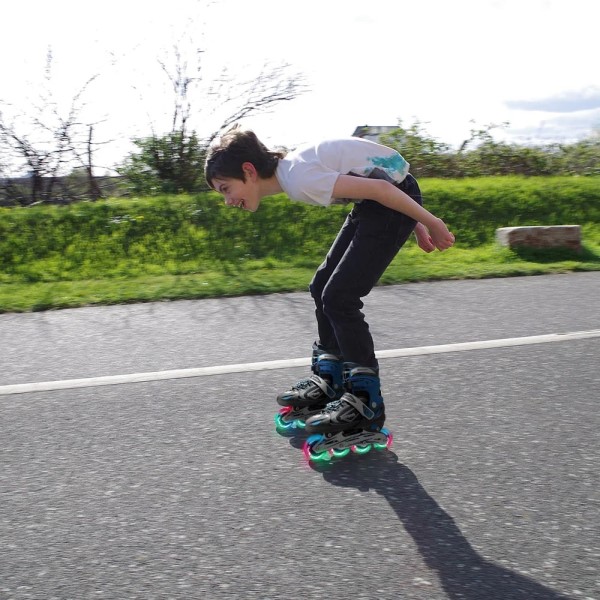
- Inline Skates: These have wheels aligned in a single row. They are faster but less stable. Inline skates are good for outdoor skating and fitness activities.
- Hybrid Skates: These combine features of quad and inline skates. They are versatile and can be used for various skating styles.
Factors to Consider
- Fit and Comfort: Always prioritize a snug but comfortable fit. Ill-fitting skates can cause blisters and discomfort.
- Ankle Support: Look for skates with good ankle support, especially if you are a beginner.
- Wheel Size and Hardness: Larger wheels are faster; smaller ones are easier to control. Softer wheels grip better, while harder wheels are more durable.
- Durability: Choose a sturdy skate that can withstand regular use.
- Intended Use: Select skates designed for the type of skating you want to do, like indoor or outdoor.
Tips for Buying Roller Skates
- Try Them On: Always try skates before purchasing to ensure a proper fit.
- Seek Expert Advice: Visit a specialty skate shop for guidance.
- Start with Basic Models: As a beginner, start with simple, high-quality skates.
- Budget: Set a budget. There are good options available at every price point.
Finding the right roller skates can enhance your skating experience and make learning easier. Take your time to explore your options. Proper skates will boost your confidence and help you enjoy your skating journey.
Essential Safety Gear for Beginners
Safety gear is crucial for anyone learning how to roller skate, especially beginners. Proper protection reduces the risk of injuries and builds confidence. Here’s a guide to the essential safety equipment.
- Helmet: Protect your head with a high-quality helmet. Choose one designed for skating or similar sports. Make sure it fits snugly and has adjustable straps for a secure fit.
- Knee Pads: Falls are common when starting out. Knee pads cushion your knees and prevent scrapes or bruises. Look for durable pads that fit comfortably and cover your knees fully.
- Elbow Pads: Protect your elbows with padded guards. These prevent injuries during unexpected falls and give extra confidence. Ensure they fit well without restricting movement.
- Wrist Guards: Beginners often use their hands to break falls. Wrist guards reduce the chance of sprains or fractures. Choose ones that securely wrap around your wrists and provide solid support.
- Skating Gloves: Gloves protect your hands from scrapes and improve grip. They also add extra padding for comfort. Lightweight gloves with breathable fabric work best.
- Mouthguard: For added protection, a mouthguard can shield your teeth during accidental falls or collisions.
- Properly Fitted Skates: Ill-fitted skates increase injury risks. Ensure your skates fit well and provide strong ankle support.
Safety Tips
- Check your gear before every session to ensure it’s in good condition.
- Invest in high-quality equipment from trusted brands. Cheap gear might not offer enough protection.
- Dress in comfortable, breathable clothing that allows free movement.
Wearing these essential safety items will make learning to roller skate safer and more enjoyable. Make safety a priority every time you skate.
Basics of Roller Skating: Getting Started
How to roller skate for beginners? Starting your roller skating journey can be exciting and fun! However, it’s important to know the basics.
1. Wear the Right Gear
Always ensure you’re wearing proper safety gear before skating. A helmet, knee pads, elbow pads, and wrist guards are a must for beginners. These protect you from injuries during falls.
2. Find a Safe Practice Area
Choose a smooth and flat surface to practice. Consider parks, empty parking lots, or skating rinks. Avoid uneven or crowded areas that might increase the risk of falls.
3. Learn to Stand and Balance
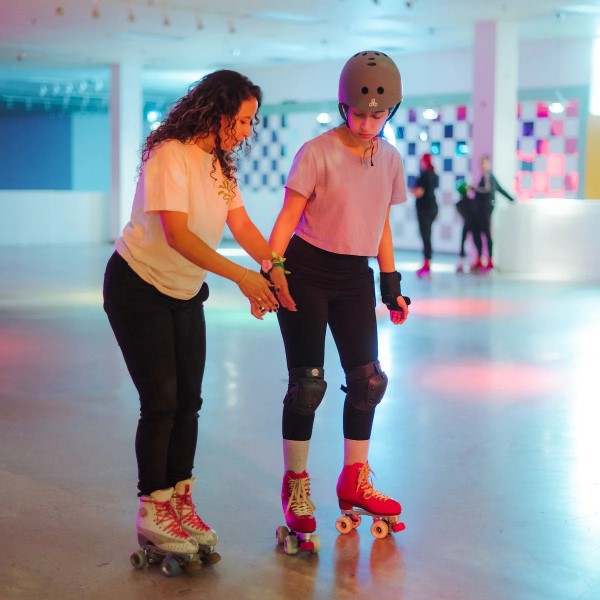
Start by practicing standing on your skates. Bend your knees slightly to lower your center of gravity. Keep your feet shoulder-width apart for balance. Hold onto a sturdy support if needed.
4. Practice Walking on Skates
Begin by marching in place to get comfortable moving in skates. Then, take small steps forward. Focus on taking one step at a time.
5. Maintain Proper Posture
Keep your shoulders straight and your eyes forward to stay balanced. Don’t look down at your feet too often.
6. Learn to Glide
After marching, practice gliding by pushing off with one foot while balancing on the other. Switch feet to alternate gliding. It’s okay to start slow.
7. Don’t Forget to Bend Your Knees
Always keep your knees slightly bent to absorb shocks. This improves your stability and reduces the risk of falls.
8. Practice Falling
Learning how to fall correctly can prevent serious injuries. Try to fall forward onto your pads. Avoid falling backward to protect your head and back.
9. Build Confidence
Practice regularly and at your own pace. Consistent practice helps you gain control and confidence.
Starting with these basics can set the foundation for a successful roller skating journey. Practice every step, and soon, you’ll glide effortlessly!
Learning to Balance and Glide
How to roller skate for beginners? Balancing and gliding are essential skills for roller skating beginners. These techniques build confidence and control.
1. Finding Your Balance
- Start by standing upright in your skates.
- Bend your knees slightly to stabilize your stance.
- Position your feet shoulder-width apart for better balance.
- Use a sturdy object, like a wall or railing, for extra support initially.
- Relax your body and focus on steady breathing to avoid stiffness.
2. Mastering the Glide
- Begin gliding by pushing off with one foot.
- Balance steadily on the other foot while moving forward.
- Alternate and switch feet as you build momentum.
- Practice slow, short glides to develop confidence.
- Keep your knees bent to absorb shocks and improve stability.
3. Body Posture While Moving
- Keep your shoulders straight, not stiff.
- Look ahead to maintain focus and direction.
- Avoid looking down at your skates while gliding.
4. Building Coordination
- Practice pushing and gliding consistently with both legs.
- Work on transferring your weight smoothly from one foot to the other.
- Make gradual adjustments to reduce wobbling while skating.
5. Practicing Regularly
- Dedicate time every day to balance and glide practice.
- Start on flat, smooth surfaces to make learning easier.
- Avoid inclines or rough terrains until you’re confident.
Learning to balance and glide lays the foundation for better skating skills. Take your time, practice often, and enjoy the process!

Turning and Maneuvering Techniques
Learning how to turn and maneuver on roller skates is essential for smooth skating. These techniques can help you navigate curves, avoid obstacles, and improve overall control.
1. Mastering Turns
- Start Small: Begin with gentle turns on a flat surface. Practice shifting weight smoothly.
- Weight Distribution: Lean slightly into the direction you want to turn. This helps guide your movement.
- Use Your Shoulders: Twist your shoulders gently while staying balanced. This naturally guides your skates.
- Practice Crossovers: Learn crossover steps for sharp turns. Cross one skate over the other smoothly.
- Control Speed: Slow down first if turning feels difficult. More speed needs better coordination.
2. Learning Maneuvers
- Side Steps: Practice stepping sideways to avoid obstacles or change directions quickly.
- Slalom Motion: Create a zigzag motion by shifting body weight from one foot to the other.
- Wide Arcs: Perform wider arcs to maintain balance when you’re learning.
- Quick Adjustments: Build reflexes to make small directional changes immediately.
3. Building Coordination
- Foot Placement: Keep feet aligned and maintain an even stance for better turns.
- Smooth Motion: Avoid jerky movements; focus on fluid transitions during turns.
- Core Engagement: Use your abdominal muscles to stabilize your balance when maneuvering.
4. Practice and Patience
- Daily Practice: Spend time practicing various turns and maneuvers to build skill.
- Use Open Areas: Use open spaces for safe practice where you can focus without distractions.
- Start Slow: Initially, execute turns and maneuvers at slower speeds to understand control.
Mastering turning and maneuvering makes roller skating more enjoyable and versatile. Practice regularly to improve confidence and technique.
Stopping Safely on Roller Skates
Learning to stop safely is essential for every roller skating beginner. Proper stopping techniques help prevent injuries and collisions. Here are some basic methods to stop effectively:
1. T-Stop
- Place one skate behind the other, forming a “T” shape.
- Apply gentle pressure with the back skate to create friction.
- Keep knees bent for better balance.
- Practice slow stops to build confidence.
2. Heel Brake Stop
- Most inline skates have a heel brake on one foot.
- Push the brake down by lifting the toe of the braking skate.
- Gradually increase pressure for a controlled stop.
- This method suits beginners using inline skates.
3. Plow Stop
- Spread your legs wider than shoulder width.
- Slowly angle your skates inward, like a snowplow.
- Use friction to slow down gradually.
- This is ideal for stopping at slower speeds.
4. Spin Stop
- Twist your body to make a quick turn while skating.
- Use the turning motion to reduce momentum.
- Practice on smooth surfaces for safety.
- This technique requires strong balance and control.
5. Emergency Stops
- Focus on falling safely in emergencies.
- Bend knees and fall forward onto your pads.
- Protect your wrists with gloves or wrist guards.
Tips for Stopping Safely
- Practice each method on flat, open areas with no obstacles.
- Start slow and gradually increase speed as you improve.
- Always wear full safety gear to avoid injuries.
Stopping safely is a key skill in roller skating. With consistent practice, you’ll build control and confidence!
Tips and Tricks for Beginners to Improve Skills
Enhancing your roller skating skills takes consistent practice and the right techniques. Here are useful tips and tricks that can accelerate your progress and boost your confidence:
1. Practice Regularly
- Dedicate time daily to improve your skills.
- Short, consistent practice sessions work better than long, infrequent ones.
2. Warm Up and Stretch
- Always warm up to prepare your muscles.
- Stretch your legs, ankles, and back to prevent injuries.
3. Watch Tutorials and Learn from Others
- Watch beginner roller skating videos for techniques and inspiration.
- Join a skating group or take lessons from experienced skaters.
4. Focus on Posture
- Keep your back straight and knees slightly bent.
- Look ahead, not at your feet.
5. Strengthen Your Core
- Do simple exercises like planks and crunches.
- A strong core improves balance and stability on skates.
6. Use Small Steps
- Take small strides when starting to skate.
- Gradually increase speed and range as you gain confidence.
7. Master an Emergency Stop Method
- Practice stops like the T-stop or plow stop.
- Always be ready to stop quickly when needed.
8. Learn to Fall Safely
- Practice falling forward, never backward.
- Use safety pads to absorb the impact.
9. Skating in Circles
- Practice skating in a circular motion to improve balance and control.
- Experiment with small and big circles.
10. Positive Mindset
- Celebrate small improvements.
- Stay patient and focus on having fun.
11. Frequently Check Your Skates
- Make sure your wheels and bearings are in good condition.
- Tighten loose screws for safety.
12. Experiment with Surfaces
- Try different surfaces like smooth, flat, or slightly uneven areas.
- Gradually get used to outdoor skating.
Following these tips will help you learn how to roller skate for beginners effectively. Stay consistent, stay safe, and enjoy your skating journey!
Conclusion: The Joy of Roller Skating Awaits
In conclusion, learning how to roller skate for beginners can be an incredibly rewarding experience. With the right gear, safety precautions, and a supportive community, you can thrive in this fun activity. As roller skating continues to evolve and regain popularity, don’t hesitate to dive in and explore all the trends in 2025 and beyond. Embrace the joy of skating, and you will find it to be a delightful addition to your life!
Whether you’re connecting with friends, getting a workout, or just enjoying the rush of gliding along, roller skating has something for everyone. So grab your skates, lace them up, and hit the rink! Your roller skating adventure awaits!