Introduction
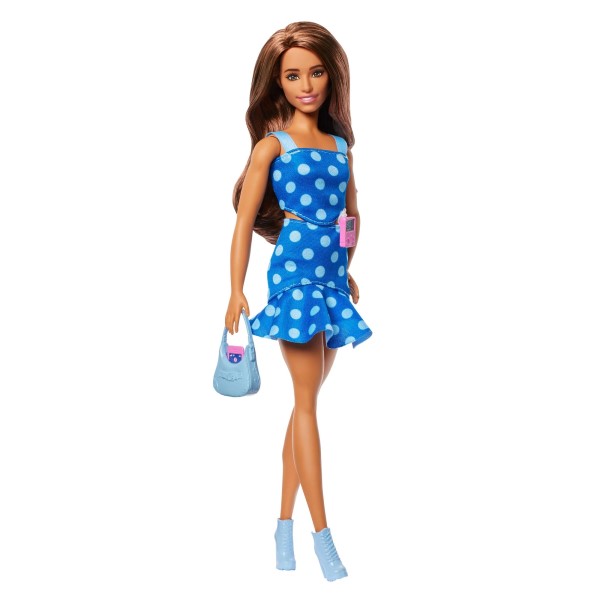
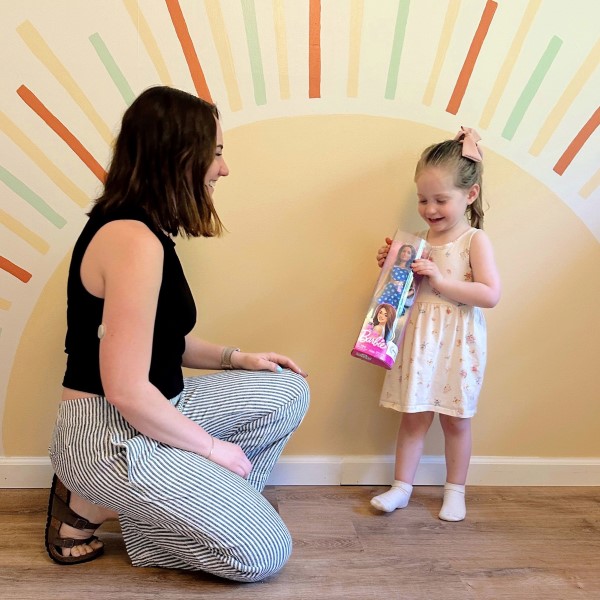
In recent years, representation and inclusivity have become crucial topics in the toy industry. The Type 1 Diabetes Barbie Doll is a groundbreaking addition that aims to empower children with diabetes. This doll is more than a toy; it serves as an essential educational tool that helps children understand and manage their condition. With its release, the Type 1 Diabetes Barbie Doll opens doors for conversation, education, and empowerment in a positive and relatable manner.
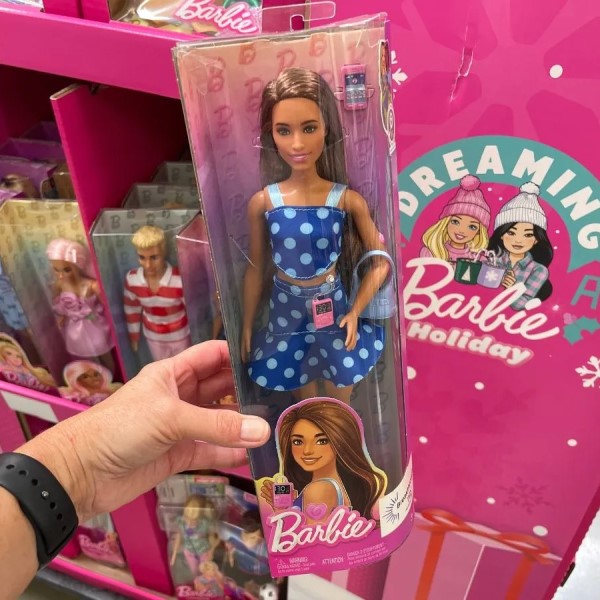
The doll not only provides companionship but also mirrors the everyday experiences of children living with type 1 diabetes. By including various features that pertain to diabetes management, it allows children to relate to this character and feel seen. In this article, we will explore the doll’s features, its significance in promoting awareness about type 1 diabetes, and why it matters so much for children and their families. Additionally, we will provide insights into how this doll fits into the larger context of representations of disabilities in the toy market.
The Significance of the Type 1 Diabetes Barbie Doll
1. Representation Matters
For many children living with type 1 diabetes, having a doll that reflects their experiences can be invaluable. Representation in toys can foster a sense of belonging and validation. Here’s why this doll is impactful:
- Fostering Inclusivity: The Type 1 Diabetes Barbie Doll promotes inclusivity, allowing children with diabetes to see a version of themselves in their toys. This representation can significantly reduce feelings of isolation, helping kids understand they are not alone in their condition.
- Encouraging Conversations: This doll helps to start conversations about diabetes management, allowing parents to discuss their children’s health in a relatable way. It makes it easier for children to express their feelings and experiences related to their condition.
2. Educational Features
One of the doll’s most notable features is the educational aspect that comes along with it.
- Diabetes Management Tools: The Type 1 Diabetes Barbie Doll includes accessories that represent the tools children with diabetes often use, such as an insulin pump, glucometer, and food items to help demonstrate carb counting. These realistic representations boost the educational value significantly.
- Role-Playing: Through play, children can learn how to manage their condition, making the educational aspect both fun and engaging. The role-playing encourages children to take an active role in their diabetes care.
How the Doll Empowers Children
1. Increased Awareness
The Type 1 Diabetes Barbie Doll helps raise awareness not only among children but also among their friends and communities. Here are some critical points:
- Understanding Diabetes: This doll can educate children about diabetes, demystifying the condition in a fun and approachable manner. When children play with this doll, they learn about diabetic care, making it easier for them to understand the process of managing diabetes.
- Promoting Compassion: Friends and classmates of children with the doll may become more compassionate and understanding, encouraging supportive relationships. By normalizing conversations about diabetes, it decreases stigma and enhances empathy.
2. Emotional Benefits
Holding a doll that represents their everyday life can also provide emotional support and comfort:
- Building Confidence: Children who play with the Type 1 Diabetes Barbie Doll may feel more confident in managing their diabetes, knowing they are not alone in their experiences. This sense of ownership can empower them to communicate their needs and challenges proactively.
- Fostering Positive Emotions: The act of playing with such a doll can invoke feelings of joy and acceptance in children, essential components of positive mental health. Positive play experiences contribute to emotional development and coping skills.
Insights into the Development
1. Collaboration with Experts
The development of the Type 1 Diabetes Barbie Doll involved collaboration with diabetes organizations and medical professionals. This ensured the doll accurately represents the intricacies of living with diabetes.
- Research Involvement: Input from healthcare providers and families of children with diabetes played a significant role in the doll’s design. This research ensured that the doll would have realistic features and accessible educational components.
- Realistic Features: The doll’s medical accessories are designed to reflect real-life tools, helping children relate better to the character. For example, the insulin pump’s design mimics actual devices used by children, increasing the authenticity of the experience.

2. Future Perspectives
The introduction of the Type 1 Diabetes Barbie sets a precedent for greater inclusivity in toy design.
- Inspiration for Future Dolls: The success of this doll may inspire other toy companies to create dolls representing various medical conditions, disabilities, and identities. This potential for new characters expands the opportunities for educational and inclusive play.
- Continued Support from Communities: The encouraging response from communities and organizations advocating for diabetes awareness forges a path for ongoing support in this area. Community engagement can drive further development and expansion of educational dolls.
Expanding the Conversation Around Disability Representation
1. Similar Dolls in the Market
Alongside the Type 1 Diabetes Barbie Doll, multiple dolls exist to represent various disabilities and medical conditions.
- Diverse Characters: Dolls representing different conditions, such as physical disabilities or chronic illnesses, are essential for providing children with relatable figures. This diversity promotes acceptance of differences and empowers children with various backgrounds.
- Awareness through Play: Each doll contributes to an important message about acceptance and understanding, not just for children but also for their families and peers. Educational play has the potential to foster important life skills.
2. Empowering Future Generations
Toy companies are increasingly recognizing the importance of diversity in their offerings. By creating dolls that represent various experiences, they help children embrace their individuality and differences.
Creating a Culture of Empathy
- Diverse Representation: The inclusion of diverse dolls that represent various medical conditions is essential in shaping children’s understanding of others. When children play with dolls that reflect different experiences, they begin to appreciate the varying challenges that others face.
- Learning Through Play: Playtime serves as a vital means for children to explore complex social concepts. Engaging with diverse dolls encourages kids to express their thoughts and feelings about different conditions, leading to conversations about empathy and kindness.
- Fostering Compassion: As children learn about the experiences of those with different medical conditions, they develop a sense of compassion. This understanding nurtures their ability to connect with others on a deeper emotional level, fostering a generation of more empathetic individuals.
- Early Engagement: Introducing these dolls at a young age primes children for important lessons about diversity and acceptance. By recognizing the value of all individuals, children are better equipped to build supportive and inclusive communities in the future.

Shaping Future Narratives
- Nuanced Storytelling: The presence of dolls like the Type 1 Diabetes Barbie encourages more nuanced storytelling in the realm of children’s toys. These dolls provide opportunities to explore important themes, such as health management and personal growth, within the context of play.
- Representation Matters: Dolls that depict children with medical conditions help shape future narratives. When children see dolls like themselves in various roles, it reflects a broader spectrum of life experiences, allowing for enriched and varied storytelling.
- Cultivating Empathy Through Narratives: The stories associated with these dolls can center around overcoming challenges, seeking support, and fostering friendships. By incorporating these themes, children learn valuable life lessons about resilience and cooperation.
- Empowerment Through Representation: Ultimately, when every child can see themselves represented in toys and stories, it cultivates a more inclusive mindset. This representation inspires future generations to be more accepting and supportive of others, creating a cycle of empathy that can shape society positively.
Frequently Asked Questions
As interest grows around the Type 1 Diabetes Barbie Doll, several questions arise that are worth addressing:
Is there a Barbie with type 1 diabetes?
Yes, the Type 1 Diabetes Barbie Doll was specifically created to empower children living with type 1 diabetes. It comes equipped with educational accessories related to diabetes management.
Is Diabetic Barbie limited edition?
The Type 1 Diabetes Barbie Doll is not a limited edition; it aims to provide ongoing representation for children with diabetes. Its availability ensures that children and families can access it for educational purposes.
Does Target have diabetic Barbie?
Many retail stores, including Target, often stock the Type 1 Diabetes Barbie Doll due to its popularity. However, availability may vary, so it’s best to check directly with the store or online retailer for specific stock information.
Is there a disabled Barbie doll?
Yes, Barbie has released various dolls representing different disabilities, promoting inclusivity and representation across their collections. This variety supports children with diverse needs, enriching their play experiences.
Conclusion
The Type 1 Diabetes Barbie Doll is much more than a toy; it’s a beacon of empowerment for children navigating the complexities of diabetes. By offering representation, education, and comfort, this doll impacts lives positively.
As we look forward to 2025 and beyond, it’s crucial that dolls like this continue to be accessible. They represent a growing awareness in the toy industry toward inclusivity and understanding. As families and communities embrace the Type 1 Diabetes Barbie Doll, they contribute to a culture of support and empowerment for children with diabetes.
By engaging with this innovative doll, we not only enhance the childhood experience but also foster an environment where children can learn to thrive despite their challenges. In doing so, we affirm that every child deserves to be represented and empowered, no matter their circumstances. As the conversation around diversity and health awareness evolves, the Type 1 Diabetes Barbie Doll stands as a promising step forward in the right direction.