Introduction: The Joy of Roller Skating Backwards
Roller skating backwards is a thrilling skill that can seem daunting at first, especially for beginners. However, mastering this technique can greatly enhance your roller skating experience. Not only does skating backwards look impressive, but it also improves your overall balance and coordination on skates. This beginner’s guide will provide you with essential tips on how to roller skate backwards with ease, along with exercises to build your confidence.
To begin with, it’s important to understand that learning how to roller skate backwards does not happen overnight. Like any new skill, it requires practice, patience, and determination. In this article, we’ll break down step-by-step instructions, highlight important safety tips, and outline common mistakes to avoid. By the end, you will approach roller skating backward with newfound confidence!
Preparing for Backward Skating
How to roller skate backwards? Backward roller skating requires preparation for safety and skill improvement. Proper steps should be followed.
Choosing the Right Gear
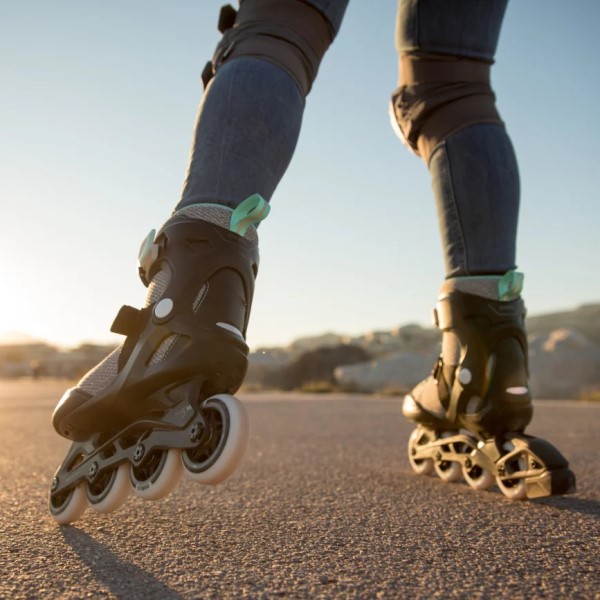
Select roller skates suited for backward skating. Use skates with sturdy wheels and good grip. Ensure the skates fit snugly but comfortably.
Wear protective gear, including knee pads, elbow pads, and wrist guards. A helmet is essential to protect the head during falls. Gloves can also provide additional hand protection.
Clothing should be flexible and lightweight. Avoid overly baggy clothes as they may hinder movement.
Warming Up and Stretching
Warming up before skating reduces injury risk and improves flexibility. Begin with light exercises such as jogging or dynamic movements.
Stretch key muscles like calves, thighs, and hips. Focus on areas used for skating motion. Hold each stretch for 15 to 30 seconds for optimal results.
Practice ankle circles to strengthen your feet. Rotate your ankles gently in both directions to improve mobility.
Ensure your body feels loose and ready before moving onto skating. Proper preparation leads to better performance.
Basic Techniques for Roller Skating Backwards
How to roller skate backwards? Backward skating requires mastering specific techniques for balance and motion control. Focus on improving your posture and learning effective movements.
Body Position and Balance
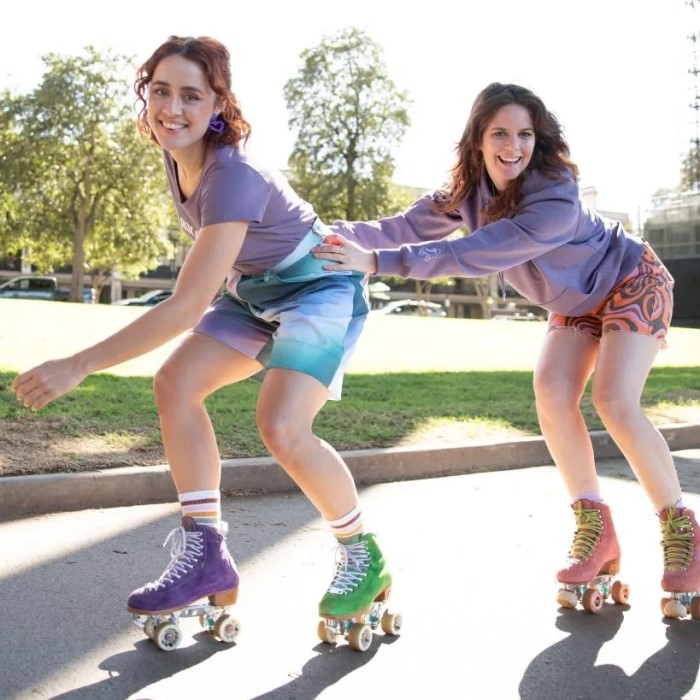
Start by adopting the proper stance. Your knees should be bent slightly, and your back should stay straight. This posture helps maintain balance.
Position your weight towards your heels. Keep your feet shoulder-width apart for improved stability. Avoid leaning forward or backward excessively.
Relax your upper body while keeping your core engaged. This reduces the risk of losing balance.
Spread your arms slightly to the sides. This assists with stability and helps fine-tune your body control. Practice standing still in this position until you’re comfortable.
Learning to Push Off Backwards
Begin with small, controlled motions. Use one foot to push yourself backward while the other foot glides smoothly.
Practice alternating your feet to create a rhythm. Push off using the sides of your wheels rather than the front or back. This ensures smoother motion.
Keep your knees slightly bent during movement. Maintain your balanced stance while pushing.
Look over your shoulder while skating backward. Always be aware of your surroundings to avoid obstacles.
Start slow and increase your speed gradually. Focus on controlling your motion to build confidence and precision.
Developing Control and Precision
How to roller skate backwards? To roller skate backwards confidently, developing control and precision is crucial. These skills enhance your movements and help you skate smoothly and safely. Practice consistently to improve your balance and control during backward skating.
Practicing Backward Gliding
Backward gliding is a foundational skill for skating backwards. Focus on smooth and controlled movements.
- Start with the right posture: Begin in the balanced stance you practiced earlier. Keep your knees bent and back straight.
- Shift your weight: Lean slightly on one foot while keeping the other foot light. This helps you glide effortlessly.
- Push off gently: Use the inside edge of your dominant skate to push back. Transfer your weight to the opposite foot slowly.
- Glide using one foot: Practice balancing and gliding on one foot while the other hovers slightly above the ground.
- Alternate feet: Switch weight between feet smoothly to maintain continuous motion.
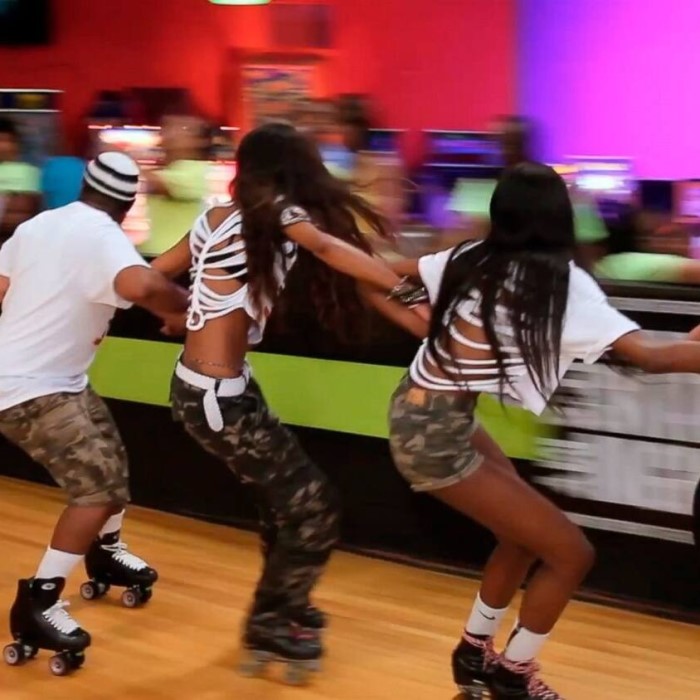
Practice short glides first before attempting longer distances. This builds confidence and improves precision. Stay relaxed and focus on making your movements as fluid as possible. Use an open, obstacle-free area to ensure safety while practicing.
Transitioning Between Forward and Backward Skating
Learning to transition between forward and backward skating is key for versatility and control.
- Start in a forward skating position: Skate forward at a comfortable speed, maintaining your proper stance.
- Prepare to turn: As you slow down, slightly bend your knees and prepare to perform a half-turn.
- Look over your shoulder: Before transitioning, check your surroundings to ensure it’s safe to skate backward.
- Pivot your body: Shift your weight to one foot and rotate your upper body in the direction of the turn.
- Swing your other foot: As you rotate, bring your other foot around to face backward. Maintain balance during this motion.
- Resume backward skating: Once facing the opposite direction, return to the proper backward skating posture.
Practice transitioning slowly until you feel confident. Ensure your body stays aligned during the turn to maintain balance. Over time, these steps will feel natural and seamless.
With consistent practice, backward gliding and transitions will become second nature. Take your time and focus on precision to enhance your backward skating skills.
Advanced Backward Skating Skills
Mastering advanced backward skating skills can greatly enhance your skating technique and confidence. These skills require practice, precision, and control.
Backward Crossovers
Backward crossovers are a dynamic and useful technique for smooth backward turns and added speed.
- Start with the correct posture: Keep knees bent and back straight. Maintain balance on your skates.
- Cross one foot over the other: Push off with one foot while crossing the other foot behind it.
- Shift your weight continuously: Keep your weight balanced between the crossing foot and the gliding foot.
- Repeat the motion: Alternate the crossover movement to maintain fluid skating.
- Focus on control: Practice slow, controlled crossovers before increasing your speed.
Practice this skill in a safe, open area until you are confident.
Backward Turns and Spins
Backward turns and spins add flair to your skating and improve body control.
- Start in a balanced stance: Keep knees bent and distribute your weight evenly.
- Initiate the turn: Use your shoulders to guide the turn. Rotate your upper body first.
- Pivot on one foot: Transfer weight onto one foot while lifting the other slightly.
- Keep movements smooth: Avoid sudden or jerky motions to maintain balance.
- Practice spins: Once comfortable, combine turns into a spin by applying rotational force gently.
Turns and spins require consistent practice. Ensure you remain aware of surroundings to skate safely while performing these actions.
Mastering backward crossovers and spins enhances your backward skating abilities. Focus on precision and body control during training. Over time, these skills will add confidence and style to your backward skating.
Common Mistakes and How to Avoid Them
Backward roller skating requires focus and consistent practice. Mistakes can lead to injuries and hinder progress. Recognizing common errors and understanding how to correct them can improve your skills and prevent setbacks.
Maintaining Balance and Avoiding Falls
- Keep your posture steady: Maintaining the correct posture helps prevent losing balance while skating backward. Bend your knees slightly and keep your back straight.
- Avoid leaning forward or backward excessively: Shifting your weight too far forward or backward can cause instability. Focus on centering your weight.
- Use your arms for stability: Spread your arms slightly to balance your movements. Avoid keeping them motionless at your sides.
- Watch your surroundings: Always look over your shoulder to ensure your path is clear of obstacles.
- Start with slow movements: Skating backward quickly when you’re not ready increases the risk of falls. Begin slow and prioritize control.
- Practice in open areas: Choose a safe and spacious location to minimize distractions and hazards.
By maintaining a steady posture and avoiding sudden movements, you can reduce falls significantly. Consistent practice ensures that balance and stability improve over time.
Tips for Improving Coordination
- Focus on foot placement: Incorrect foot positioning leads to jerky movements. Place your feet shoulder-width apart for stability.
- Practice weight shifting: Smoothly transfer weight between feet while skating backward to maintain coordination.
- Remember rhythm: Establish a rhythm when alternating foot movements. It helps you skate more fluidly.
- Refine arm movements: Move your arms in sync with your body to improve overall coordination.
- Work on visual awareness: While looking over your shoulder, stay focused on your environment and intended direction.
- Take gradual steps: Avoid rushing to master advanced techniques. Progress slowly and solidify basic movements first.
Improving coordination takes time and patience. Focus on consistent effort and gradual development to build confidence and skill. Avoid overcomplicating movements during practice sessions. With persistence, fluid backward skating becomes second nature.
Safety Tips for Backward Roller Skating
Ensuring safety is crucial when learning how to roller skate backwards. Following these tips will minimize risks and help you build confidence.
Skating in a Safe Environment
- Choose a smooth surface: Practice backward skating on flat, even ground to avoid tripping.
- Avoid crowded areas: Opt for open spaces with fewer people and obstacles.
- Check surroundings before skating: Make sure there are no hazards, such as rocks or debris.
- Skate in proper lighting: Ensure the area is well-lit to see obstacles and maintain awareness.
- Use designated skate areas: Find spaces designed for skating to maximize safety.
- Stay alert: Always watch your path by looking over your shoulder while skating backward.
Creating a safe environment reduces the risk of injuries and helps maintain focus during practice.
Protective Equipment to Use
- Wear a helmet: Protect your head from impact during unexpected falls.
- Use knee pads: Cushion your knees in case of slips or falls.
- Wear elbow pads: Prevent bruises and injuries to your elbows.
- Use wrist guards: Safeguard your wrists during falls and improve hand stability.
- Choose sturdy gloves: Protect your hands further with padded gloves.
- Select proper skates: Wear well-fitted skates with strong grip for safer backward motion.
Combining protective gear with safe skating practices ensures a secure learning experience. Always prioritize safety while mastering backward roller skating.
Exercises to Build Confidence
Building confidence in backward roller skating requires consistent practice and specific exercises. These exercises are designed to improve your technique, control, and overall comfort while skating backward. Practice in a safe environment and focus on gradual progress.
Drills for Backward Movement
- Rolling backward starts: Position yourself with knees slightly bent and back straight. Push off gently to glide slowly backward. Practice this repeatedly to feel comfortable with the movement.
- Single-leg balancing: Stand on one foot for a few seconds while keeping the other foot raised. Alternate legs to improve balance and control.
- Wall support drills: Use a wall for support as you practice pushing off backward. Gradually reduce your reliance on the wall over time.
- Backward S-curves: Create wide S-shaped curves as you skate backward. This improves control and teaches smooth direction changes.
- Backward stops: Practice stopping safely. Use a “T-stop” by dragging one foot behind the skating motion.
Focus on control over speed during these drills. Stay relaxed and concentrate on your body movements.
Increasing Speed and Smoothness
- Pushing with rhythm: Push off with one foot and glide smoothly. Alternate feet to maintain consistent movement.
- Gliding longer distances: Gradually increase the length of your glides. This helps you build momentum over time.
- Backward crossover practice: Practice crossovers repeatedly to gain speed and enhance coordination in backward skating.
- Focus on transitions: Combine forward and backward transitions to maintain smooth and dynamic movements.
- Set practice goals: Aim to cover specific distances or achieve set speeds during training sessions.
Concentrate on maintaining proper posture as you build speed. Controlled skating ensures safety and builds confidence effectively. With regular practice, backward skating will feel natural, empowering you to skate smoothly and confidently.
Conclusion: Embrace the Thrill of Backward Skating
In conclusion, learning how to roller skate backwards can be an exciting endeavor, and with careful practice, anyone can master this skill. By following the guidelines and techniques outlined in this beginner’s guide, you will gradually build confidence and improve your skating abilities. Remember to focus on body positioning, practice safely, and avoid common mistakes as you refine your style.
As you glide effortlessly backwards, you will discover the joy and freedom that roller skating brings. So, lace up your skates and enjoy the thrill of skating backwards—it’s a fun skill that’ll impress everyone at the rink!