
Introduction: Understanding the Concerns Around Kinetic Sand
In the world of children’s toys, few products have captured attention quite like kinetic sand. This unique, moldable substance offers endless hours of creativity and sensory play for youngsters. However, as parents continuously seek safe materials for their children, a pressing question arises: Is kinetic sand toxic? Understanding the safety of kinetic sand has become increasingly important for parents in 2025. Let’s explore the composition of kinetic sand, the safety standards surrounding it, and provide insights for making informed decisions regarding your child’s playtime.
What is Kinetic Sand?
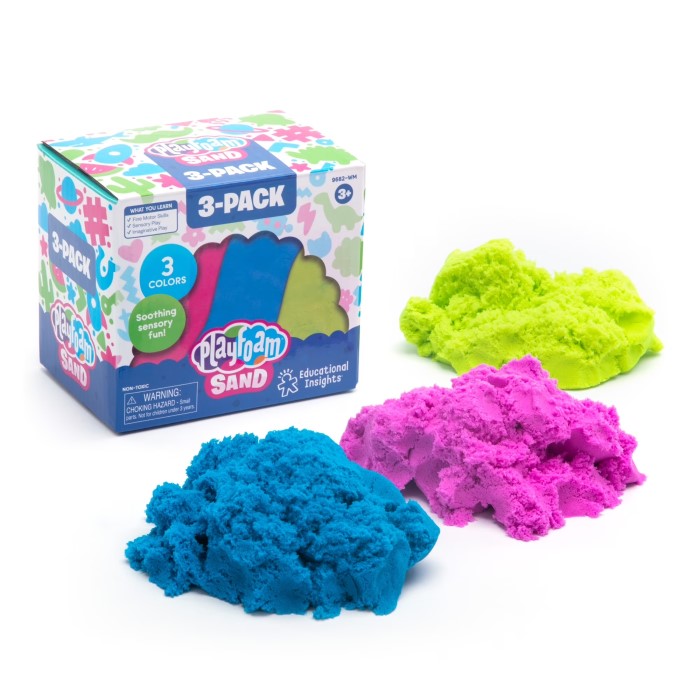
Kinetic sand is a popular play material for kids. It is fun, engaging, and easy to use. This special sand has properties that make it moldable and soft while maintaining its shape. Its unique characteristics make it different from regular sand, offering children a fascinating tactile experience.
Composition and Characteristics of Kinetic Sand
Kinetic sand consists of regular sand mixed with a binding agent, usually silicone oil. The silicone oil coats the grains, giving the sand its stickiness and moldable texture. Despite being sticky enough to hold shapes, it doesn’t dry out or stick to hands. This makes it easy to clean up after play sessions.
The texture of kinetic sand is soft and smooth, and it flows slowly when handled. Unlike dry sand, kinetic sand bonds together, allowing for the creation of various shapes and structures. Its bright colors and non-messy nature enhance its fun and appeal for kids.
Scientific Explanation of Its Texture and Behavior
Kinetic sand’s unique texture comes from the interaction between sand and silicone oil. Silicone oil creates weak bonds between sand grains, which allows the particles to move but stay connected. This explains why kinetic sand flows like a liquid when crumbled but stays firmly molded when shaped.
The science behind its behavior also ensures that kinetic sand won’t scatter like regular sand. This property makes it safer for indoor play. Furthermore, the sand maintains its flexibility over time and does not dry out, thanks to the moisturized coating provided by the silicone oil.
Understanding these features can help parents appreciate why kinetic sand is such a unique and safe play material for children.
Is Kinetic Sand Toxic?
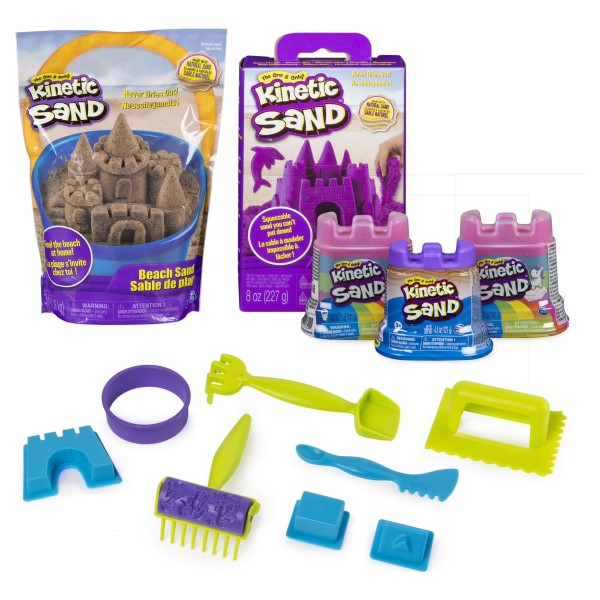
Kinetic sand is generally considered safe for kids, but understanding its composition and safety is vital.
Ingredients in Kinetic Sand: Are They Harmful?
Kinetic sand is made from regular sand and silicone oil. These are non-toxic ingredients. Regular sand forms the base, giving it its granular texture. Silicone oil acts as the binding agent, allowing it to mold and hold shapes.
Silicone oil is widely used in personal care products. It is safe for use around children. The combination of these two materials prevents the sand from drying out or sticking excessively.
Some brands may include additional colorants to create bright and fun shades. These coloring agents are usually food-grade and safe for children to handle.
It is important to check the packaging for safety certifications. This ensures the kinetic sand does not contain harmful chemicals or substances. Parents should always verify that the product is labeled as non-toxic before purchasing.
Manufacturing Standards and Safety Regulations
Kinetic sand manufacturers follow strict safety regulations. These regulations ensure the product is non-toxic and suitable for kids.
Safety standards focus on removing harmful chemicals, sharp objects, or irritants from the sand. Many brands comply with international toy safety certifications. Labels like ASTM (American Society for Testing and Materials) or EN71 indicate that the product meets quality requirements.
Proper manufacturing processes help prevent contamination. They also keep kinetic sand safe and hygienic for play sessions. Parents can look for trustworthy brands that clearly mention these certifications on their packaging.
While kinetic sand is safe, it is wise to supervise play. This helps reduce any risks of inappropriate handling. Proper storage and maintenance can ensure the sand remains safe for long-term use.
By choosing high-quality kinetic sand and verifying its ingredients and safety standards, parents can offer their children a fun and safe play experience.
Safety Concerns with Kinetic Sand
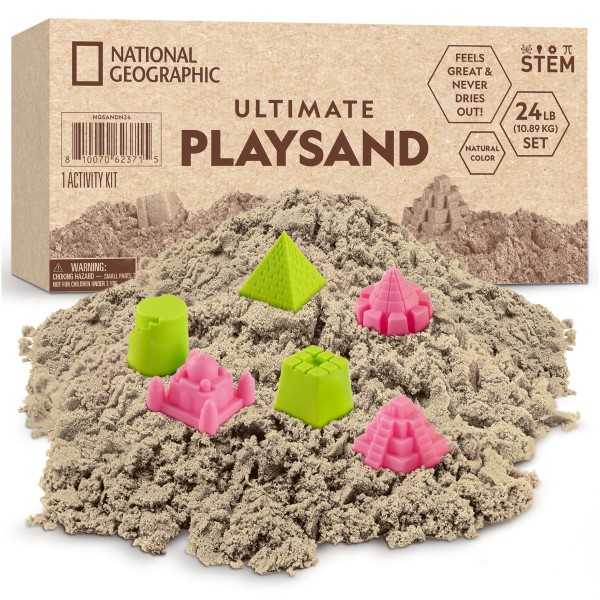
While kinetic sand is generally safe, some potential concerns should be reviewed by parents.
Potential Allergic Reactions
Some children might have sensitivities to materials in kinetic sand. Silicone oil is a key ingredient. Although it is non-toxic, a small percentage may show skin irritation. Colored sand uses dyes, which can cause mild allergy symptoms for sensitive kids.
Parents can check for allergic reactions after initial use of kinetic sand. Signs include redness, itching, or dryness on the skin. Test a small amount on the child’s hand before allowing extended play.
It’s crucial to opt for a product labeled hypoallergenic or dermatologist-tested. Brands with these labels are less likely to cause adverse reactions.
Risks of Ingestion or Exposure to Skin and Eyes
Kinetic sand is not edible. If ingested, it may cause stomach discomfort or blockage. Young children must be supervised to ensure they don’t swallow the sand.
While the sand is safe for skin contact, accidental exposure to eyes may cause irritation. If this happens, immediately rinse the eyes with cool water.
To avoid risks, keep kinetic sand away from food and drinks. Teach kids not to touch their faces during play. After playing, clean hands thoroughly with soap and water.
In summary, kinetic sand is safe but requires care. Check for allergies, supervise play, and promote proper hygiene. Following these steps ensures it remains a fun and worry-free activity for children.
Age Recommendations for Kinetic Sand Play
Kinetic sand is a favorite play item for children, but age-related guidelines are vital for safe use. Parents must ensure it is appropriate for their child’s age and developmental stage.
Suitable Age Groups
Kinetic sand is safe for children aged three and older. Its texture and properties suit this age group well. Young kids can enjoy molding shapes without the risk of swallowing it accidentally.
For children under three, avoid using kinetic sand. Younger toddlers often explore by putting objects in their mouths. This behavior increases the risk of ingestion.
Kinetic sand also appeals to older children. Teens can use it for creative projects and stress relief activities. Parents should choose age-appropriate tools, like molds, to enhance playtime.
Supervision Guidelines for Younger Children
Supervision is crucial when children play with kinetic sand. Parents must remind kids to avoid tasting or eating the sand. Close observation prevents ingestion and ensures safe handling.
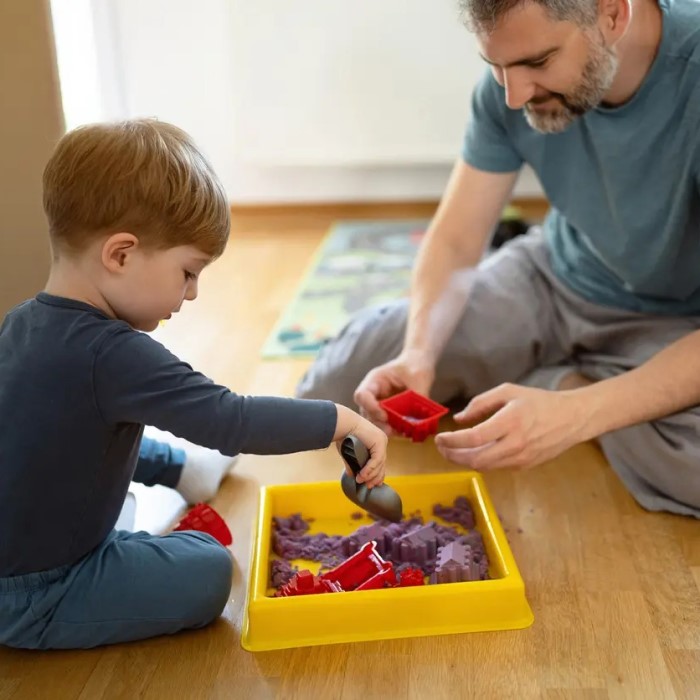
For toddlers, allow playtime in a well-controlled space, such as a table or tray. This prevents sand from scattering or mixing with food. Teach proper hygiene by encouraging handwashing after playing.
Children with skin sensitivities need extra care. Monitor for irritation or discomfort during play and stop if reactions occur.
By following appropriate age recommendations and maintaining supervision, parents can ensure an enjoyable and safe kinetic sand experience for kids.
Benefits of Kinetic Sand for Kids
Kinetic sand offers multiple benefits for children. It combines fun, learning, and skill development.
Developmental and Educational Advantages
Kinetic sand promotes sensory development. Its unique texture encourages children to explore touch and pressure.
Playing with kinetic sand develops hand-eye coordination. Kids practice picking up, shaping, and adjusting their movements.
It boosts spatial awareness. Forming shapes and structures helps kids understand dimensions and spatial relationships.
Kinetic sand encourages imaginative play. Children create scenarios, fostering their storytelling and creative thinking.
Many children use it to learn basic math and science concepts. They explore measurement, weight, and properties of materials.
This play material also improves focus. Children focus on tasks like building or molding shapes for longer periods.
By engaging kids in hands-on activities, kinetic sand supports learning and cognitive growth effectively.
Encouraging Creativity and Fine Motor Skills
Creative play is a key benefit of kinetic sand. Kids can craft sculptures and unique designs.
Working with small details in their creations enhances fine motor skills. Pinching and shaping develop hand strength.
Kinetic sand allows children to express themselves artistically. Bright colors make projects more enjoyable.
It is a calming activity, reducing stress and promoting relaxation. This is beneficial for children of all ages.
Parents can encourage kids to use molds and tools. These assist in creating intricate patterns and interesting shapes.
Collaborative play with friends or siblings can improve social skills. Sharing ideas and tools boosts communication.
Investing in kinetic sand provides a mix of fun and educational possibilities for children. Embrace its advantages for play and learning.
Tips for Safely Using Kinetic Sand
Kinetic sand is a fun and engaging play material for kids. To maintain its safety and quality, follow these essential tips.
Cleaning and Maintenance
- Remove debris regularly: Pick out any visible dirt, hair, or unwanted materials from the sand.
- Avoid mixing with regular sand: Mixing can affect its texture and make it less enjoyable to use.
- Wash hands before use: Clean hands reduce the transfer of dirt and oils into the sand.
- Use in clean play areas: Play on a clean surface like a tray or a mat to avoid contamination.
- Replace when necessary: If the sand becomes too dirty or sticky, it may need to be replaced for safety.
- Avoid water exposure: Keep kinetic sand dry. Water can alter its unique texture and cause clumping.
Proper Storage to Avoid Contamination
- Store in an airtight container: Use a sealed container to prevent dirt or pests from getting into the sand.
- Keep away from food and drinks: Store it in a separate area to avoid accidental ingestion.
- Label containers: Clearly label the storage to prevent mix-ups and accidental use by others.
- Store in a cool, dry place: Avoid keeping kinetic sand in damp or humid environments.
- Organize tools separately: Keep molds and tools clean and stored separately to maintain hygiene.
- Supervise play sessions: Ensure kids use the sand correctly and store it properly after play.
By following these cleaning and storage tips, you can ensure kinetic sand stays safe and fun for your kids. Proper maintenance also extends its usability, making it a long-lasting play material.
Alternatives to Kinetic Sand
Exploring alternatives to kinetic sand is ideal for parents seeking options for their kids’ playtime. These substitutes offer fun, safety, and creativity without compromising quality.
Non-Toxic Modeling Materials
Non-toxic modeling materials are excellent alternatives to kinetic sand. They are safe and widely available for children of different ages.
- Play Dough: Play dough is colorful, soft, and easy to mold. It enhances creativity and fine motor skills. Parents can buy non-toxic, certified brands to ensure safety.
- Modeling Clay: Modeling clay is firmer but allows detailed shaping. Always choose non-toxic, child-friendly varieties.
- Natural Clay: Air-dry or oven-bake natural clay encourages kids to craft durable items. Supervise young children to prevent ingestion.
- Edible Doughs: Create fun play opportunities with edible doughs made from flour and food coloring. This ensures safety for younger kids.
While these materials are engaging, parents should read safety labels before purchasing. Certified and hypoallergenic options protect against reactions or harm during play.
DIY Home-Made Options for Families
Making modeling materials at home is a budget-friendly, safe, and creative option for families.
- Salt Dough: Mix flour, salt, and water to create moldable and non-toxic salt dough at home.
- Cloud Dough: Combine cornstarch with oil for a fluffy texture similar to kinetic sand. Food-grade oils ensure safety.
- Oatmeal Dough: Blend ground oatmeal, water, and oil for an edible modeling material perfect for toddlers.
- Flour-Based Dough: Use flour, water, and food coloring to create customizable, soft play dough.
Homemade options are easy to make and provide peace of mind regarding ingredients. Families can store them in airtight containers for reuse.
In conclusion, finding alternatives to kinetic sand is both practical and fun. Whether using store-bought materials or crafting at home, these options ensure creative playtime that aligns with children’s safety needs. Parents can enjoy making stress-free choices for their kids’ entertainment.
Frequently Asked Questions
Addressing Common Parent Concerns
Parents often worry about safety when purchasing kinetic sand for their children. One common question is, “Is kinetic sand toxic?” Kinetic sand is generally safe, made from non-toxic sand and silicone oil. Good brands also meet safety standards, ensuring they are suitable for kids.
Another concern is the risk of allergic reactions. While kinetic sand is hypoallergenic, children with sensitive skin might react to dyes. Testing a small amount on the child’s skin can help avoid issues.
Parents may ask whether kinetic sand is safe for toddlers. It is safe for kids aged three and older. Younger children might taste or swallow it, making supervision important during play.
Finally, parents often ask about storage and maintenance. To keep kinetic sand clean, store it in airtight containers and play in controlled areas. This prevents contamination and prolongs its use.
How to Recognize Quality Kinetic Sand
Identifying high-quality kinetic sand ensures a safe play experience for kids. Parents should check the packaging for toy safety certifications like ASTM or EN71. These mark compliance with international safety standards.
Look for labels stating “non-toxic” and “hypoallergenic.” These indicate the sand is free from harmful chemicals. Colorants should be food-grade, reducing risk during play.
The texture of high-quality kinetic sand should be soft and moldable. It should not stick excessively to hands or lose its shape quickly.
Trustworthy brands provide detailed ingredient lists on the packaging. Avoid products with vague or incomplete labels.
By addressing common concerns and selecting certified products, parents can ensure safe and enjoyable playtime with kinetic sand.
Conclusion: Is Kinetic Sand Toxic?
In conclusion, understanding the question, is kinetic sand toxic? is crucial for every parent. Most commercially available kinetic sand is considered safe; however, it’s essential to investigate specific brands and their ingredients. By selecting reputable manufacturers and following safe play practices, parents can provide enjoyable and educational experiences for their children.
Ultimately, kinetic sand serves as a fantastic tool for promoting creativity, fine motor skills, and sensory development. If concerns linger, numerous safe alternatives exist to provide similar benefits. By staying informed and proactive, parents can ensure a safe and enjoyable play environment for their little ones. Your child’s safety and happiness are paramount, and with the right knowledge, you can make the best choices for their playtime.