Introduction: Why Wedging Clay is Essential
If you’re venturing into pottery, understanding how to wedge clay is a fundamental skill. Wedging clay is a crucial process that prepares the material for shaping and molding. This technique eliminates air bubbles, achieves consistent moisture levels, and ensures that the clay has the right texture for forming. Whether you are a beginner or a seasoned potter, mastering this skill can greatly enhance your pottery experience.
In this article, we will explore various techniques on how to wedge clay effectively, discuss common mistakes to avoid, and provide tips for achieving the perfect texture. Let’s dive in!
Understanding the Purpose of Wedging Clay
- Eliminating Air Bubbles: One of the primary reasons for wedging clay is to remove air bubbles trapped within the material. These air pockets can cause issues during firing, leading to cracks or explosions in the kiln. Effective wedging will significantly reduce these risks, resulting in a more stable final product.
- Achieving Consistency: Wedging clay also allows you to distribute moisture evenly throughout the material. Inconsistent moisture levels can lead to uneven drying and warping. When you wedge clay, you mix and knead it until achieving a uniform texture, making it easier to work with during shaping.
- Preparing for Shaping: Properly wedged clay is more pliable and easier to shape. When the clay is ready, it responds better to the potter’s hands, whether you’re throwing on a wheel or hand-building a piece. This responsiveness is essential for achieving the desired forms and designs.
Techniques for Wedging Clay
Traditional Ram’s Head Technique
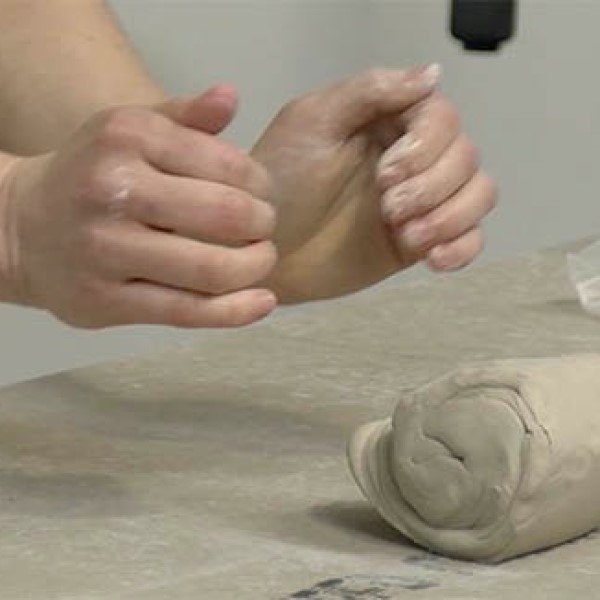
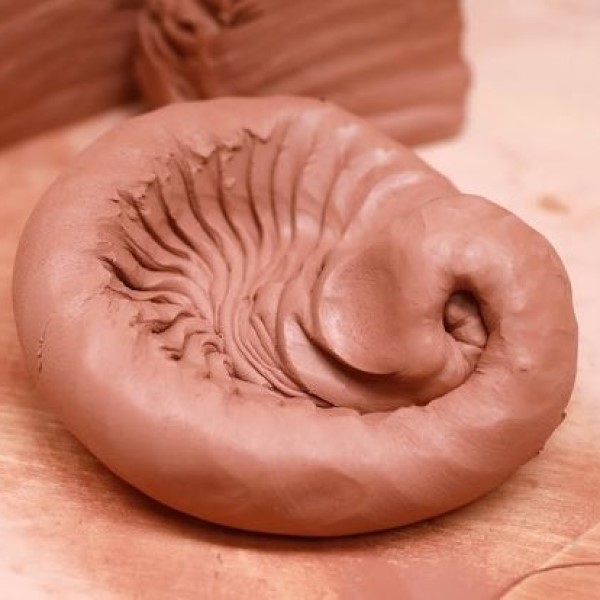
- Method Overview: How to wedge clay? The ram’s head technique involves folding and pressing the clay using your hands. Begin by shaping the clay into a rectangular block. Use your palms to push down on one end while pulling the other end towards you. This motion resembles the horns of a ram, hence the name.
- Benefits: This technique is highly effective for removing air and achieving a smooth, homogenous texture. It promotes good bonding between particles within the clay, leading to consistent results.
- How to Master It: Start slowly and gradually increase the pressure as you feel more comfortable. Ensure you turn the clay periodically to achieve even wedging on all sides. Practicing this technique consistently will improve your skills over time.
Spiral Wedging Technique
- Method Overview: Spiral wedging is another effective technique that involves creating a spiral shape as you knead the clay. Begin with your clay in a ball form. Push down and out with the palm of your hands, rotating the ball as you go.
- Benefits: This technique distributes moisture evenly and is great for achieving a more uniform texture. The movement allows for thorough mixing of clay components.
- How to Master It: Focus on applying consistent pressure while maintaining the spiral motion. This method should feel rhythmic and fluid, so practice will help you build your skill level and strength.

Slap Wedging Technique
- Method Overview: As the name suggests, slap wedging involves slapping the clay down onto a surface. Start with a flat platform, and bring the clay down firmly while applying pressure with your palms.
- Benefits: This method is particularly useful for larger pieces of clay and is often favored in schools and studios. It’s efficient for quickly preparing larger quantities of clay.
- How to Master It: Make sure to vary your movements to avoid creating flat spots on the clay. Regular practice will help develop the technique for clean and effective wedging results.
What Should You Wedge Clay On?
- Selecting the Right Surface: The surface on which you wedge clay plays a significant role in the wedging process. Ideally, you want a sturdy and flat surface, such as a plasterboard slab, canvas, or even a dedicated wedging table.
- Using a Wedging Board: A wedging board can provide advantages, as it allows clay to stick slightly while you’re wedging, enhancing the process. Ensure the board is clean and free from debris before starting.
- Avoiding Damage: Avoid wedging on surfaces that may damage the clay, such as rough concrete or tiles. These textures can create unwanted patterns or resist the movement of the clay, leading to inconsistent results.
Tips for Achieving the Perfect Texture
- Moisture Control: Be mindful of the amount of moisture in your clay. It’s essential to start with clay that is adequately moist but not overly wet. Adding excess water during wedging can hinder texture and lead to unwanted air pockets.
- Kneading Technique: Pay attention to your kneading technique. Use a combination of pressure and rotation to distribute moisture evenly. Regularly check the texture of the clay, ensuring it is smooth and free of lumps or bumps.
- Evaluate Consistency: After wedging, feel the clay’s surface. It should be soft but firm, with a consistent texture throughout. If any lumps remain, return the clay to the surface for another round of wedging.
Common Mistakes to Avoid
Skipping the Wedging Process
- Underestimating the Importance of Wedging: Many beginners are unaware of how critical the wedging process is in pottery. They often assume that because the clay comes ready packaged, it requires no further preparation. This misconception can lead to various issues down the line.
- Consequences of Neglecting Wedging: Failing to wedge clay can result in several problems:
- Cracks: When clay is not properly wedged, air bubbles can get trapped inside. During drying and firing, these bubbles can expand, causing cracks to form in the work. These cracks can lead to structural weaknesses, compromising the integrity of the piece.
- Uneven Drying: Clay that hasn’t been wedged is more likely to dry unevenly. Uneven moisture levels cause some areas of the clay to shrink faster than others, creating warping or distortions in the final product.
- Difficulty in Shaping: Unwedge clay tends to be less malleable. When shaping the clay on a wheel or by hand, it may resist movement or fail to hold its form. This resistance makes it more challenging for beginners to create the desired shapes and designs.
- Encouragement for Proper Technique: To achieve successful results, always make wedging an integral part of your pottery preparation routine. Understanding its importance will set a strong foundation for your future pottery endeavors.
Using Dirty Surfaces
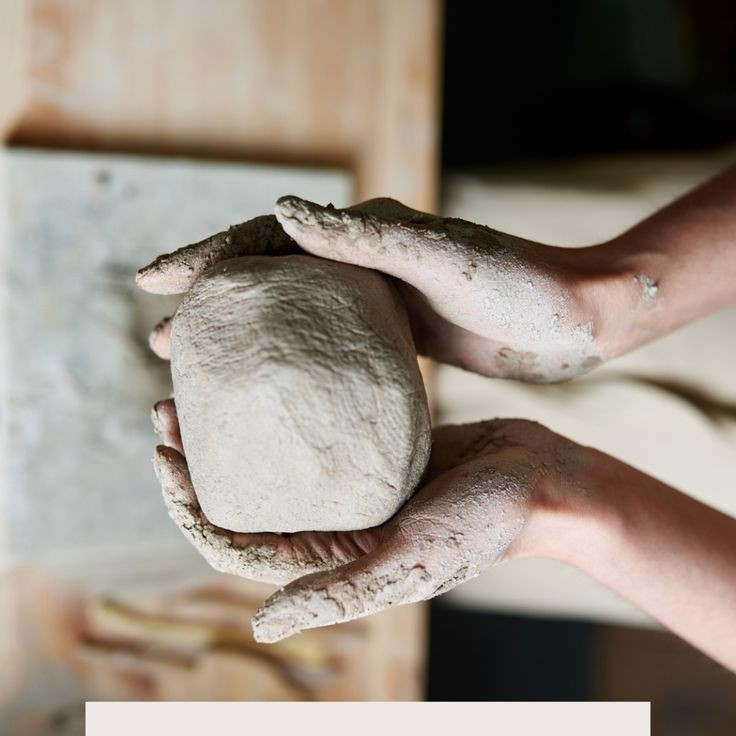
- Significance of Cleanliness in Pottery: Clean surfaces are vital when working with clay. Even small contaminants can significantly affect the quality of your work and hinder the shaping process.
- Impact of Contaminants: Any debris, dust, or leftover clay from previous projects can mix with your current clay. This contamination can lead to a variety of issues, such as:
- Inconsistent Texture: Dirt and debris can create unwanted textures or lumps in the clay, making it harder to achieve smooth surfaces.
- Compromised Integrity: Foreign materials can weaken the bonds in the clay, increasing the risk of defects once the piece is fired.
- Preparation of Your Workspace: Before you begin the wedging process, make sure your workspace is clean. Wipe down surfaces to remove any unwanted particles, and ensure that all tools you plan to use, such as boards and cutters, are also free from debris or dried clay.
- Establishing Good Habits: Developing a habit of ensuring cleanliness in your workspace will lead to better results and a more enjoyable pottery experience.
Using Dry Clay
-
Challenges of Dry Clay: Attempting to wedge clay that has started to dry can be frustrating. Dry clay is challenging to manipulate and does not respond well to kneading techniques typically used in wedging.
- Difficulties Encountered: When clay is too dry, you may encounter several issues:
- Hardness: Dry clay becomes hard and crackly, making it nearly impossible to knead effectively. This hardness can lead to injuries or damage to tools.
- Inadequate Moisture Levels: If the moisture is not evenly distributed throughout, working with the clay can result in inconsistencies. Shapes may not hold, and surface imperfections may develop.
- Rehydration Techniques: If you find that your clay appears too dry, it’s essential to rehydrate it before starting the wedging process:
- Adding Water: Lightly mist the clay with water or sprinkle a small amount over the surface. Be cautious not to oversaturate it, as too much water can lead to mushiness.
- Kneading Thoroughly: Once water is added, knead the clay thoroughly to distribute the moisture evenly. Pay close attention to any drier areas, ensuring they absorb water correctly.
- Importance of Fresh Clay: Ideally, you should use fresh clay that has been maintained at an optimal moisture level. Properly conditioned clay responds well to wedging and shaping, leading to successful pottery projects.

Frequently Asked Questions
What is the easiest way to wedge clay?
The easiest way to wedge clay is to practice the traditional ram’s head technique or spiral wedging. Both methods are effective for beginners, promoting even mixing and distribution of moisture.
What should I wedge clay on?
You should wedge clay on a sturdy, flat surface such as a wood board, plasterboard slab, or a dedicated wedging table. Using the right surface will promote better wedging results.
What does it mean to wedge clay?
Wedging clay involves kneading and manipulating the clay to eliminate air bubbles, achieve consistent moisture, and ensure even texture. This process is essential for preparing the clay for shaping.
Do you need to wedge fresh clay?
Yes, even fresh clay requires wedging. It helps distribute moisture evenly and removes any trapped air that could create issues during the shaping and firing process.
Conclusion: Mastering the Art of Wedging Clay
In conclusion, learning how to wedge clay effectively is an essential skill for any aspiring potter. By understanding various wedging techniques, selecting the right materials, and avoiding common mistakes, you can ensure that your clay is well-prepared for your projects. Mastering the art of wedging not only enhances the quality of your work but also contributes to a more enjoyable pottery experience.
Remember that consistent practice is essential to developing your clay wedging skills. Don’t be discouraged by initial challenges—wedging clay is a process that takes time and patience. With dedication and practice, you will be able to prepare your clay perfectly, paving the way for beautiful pottery creations. Happy potting!