Introduction to Kinetic Sand
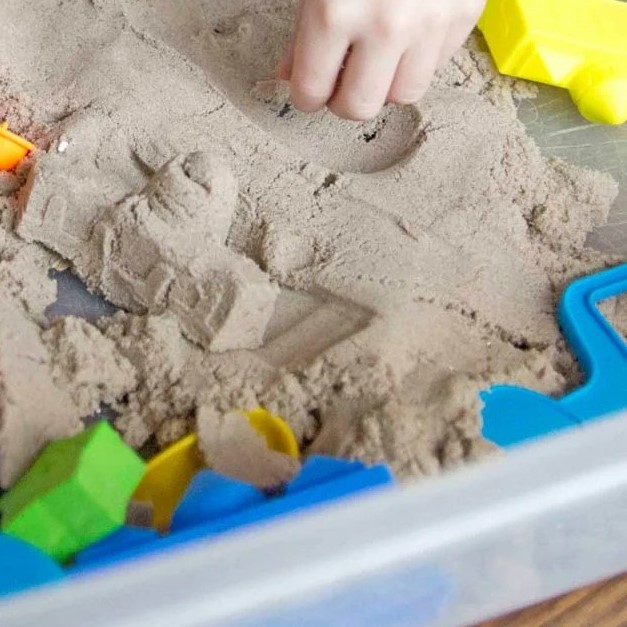
Kinetic sand has become a favorite among children and art enthusiasts alike. Its unique texture and moldability allow for endless creative possibilities. However, a common concern arises: does kinetic sand dry out? Understanding the properties of kinetic sand is essential for maintaining its quality. By following the right tips, you can ensure that your kinetic sand remains fresh and usable for a long time. In this article, we will explore how kinetic sand works, its maintenance, and practical tips to keep it in great condition.
What is Kinetic Sand?
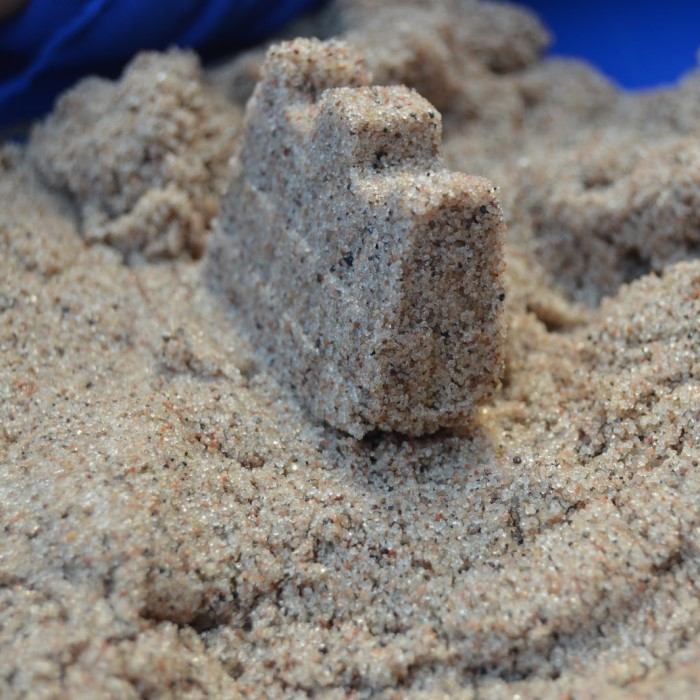
Kinetic sand is a fascinating material used for play and creativity. It has captured the interest of kids and adults alike due to its unique properties. Unlike regular sand, kinetic sand behaves in a way that feels unusual and fun, making it perfect for sensory play and crafts. Let’s explore what makes it so special.
Composition and Unique Properties
Kinetic sand is made using 98% regular sand and 2% special grade silicone oil. This combination gives it a soft and moldable texture. The silicone oil coats the sand particles, making them stick to each other while staying loose and free-flowing. This property allows it to be shaped easily without making a mess.
The unique properties of kinetic sand include:
- Moist Texture: It feels like wet sand, but it isn’t wet.
- Non-Sticky Surface: It doesn’t stick to your hands or surfaces.
- Reusable: It doesn’t dry out with proper care and storage.
- Ease of Shaping: You can mold it into intricate shapes and designs.
These properties make kinetic sand perfect for creative uses, as it stays clumped together and is easy to clean up after play.
How It Differs from Regular Sand
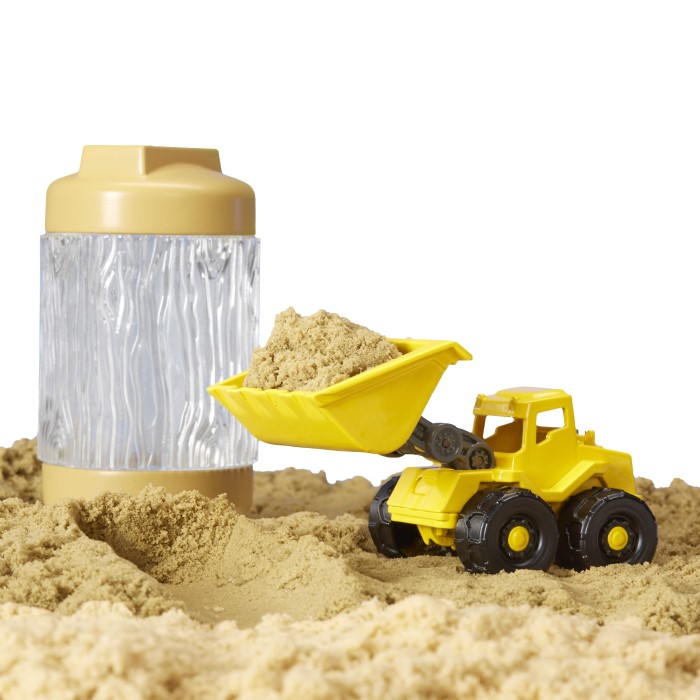
Regular sand and kinetic sand may look similar, but they are different in many ways:
- Binding Agent: Regular sand has no binding properties, while kinetic sand contains silicone oil, which helps it stick together.
- Texture: Regular sand feels gritty and rough, while kinetic sand feels smooth and silky.
- Flexibility: Regular sand cannot be molded without added water, but kinetic sand can.
- Mess Factor: Regular sand is messy and spreads easily, while kinetic sand is non-sticky and easier to clean up.
If you compare the two, it’s clear why kinetic sand is a favorite for indoor activities. It’s less messy, reusable, and offers endless possibilities for fun and creativity.
Can Kinetic Sand Dry Out?
Does kinetic sand dry out? Kinetic sand is known for its soft, moldable texture and unique properties. However, many wonder if it can dry out over time or due to exposure. Understanding the factors that impact kinetic sand will help us address these concerns.
Purpose of Its Composition in Moisture Retention
Kinetic sand is formulated to prevent drying out. The silicone oil in its composition plays a crucial role. This oil coats each sand particle, ensuring they stick together and retain their soft texture. Unlike regular sand, the silicone keeps kinetic sand moist, even without water. This is why it feels like wet sand but doesn’t need moisture.
The silicone oil not only provides a moldable texture but also helps in repelling dryness. It stops the sand from losing its consistency and becoming gritty or crumbly. Properly stored kinetic sand can stay perfect for a long time without changes in texture.
Environmental Factors That Can Affect Kinetic Sand
Though kinetic sand is designed to resist drying, certain environmental factors may still affect it:
- Excessive Heat: High temperatures can cause the silicone oil to evaporate or break down, leading to dryness.
- Direct Sunlight: Prolonged exposure to sunlight can impact its texture and binding properties.
- Improper Storage: Leaving kinetic sand uncovered or exposed to air for extended periods may cause it to lose moisture.
- Humidity Levels: Extremely dry environments with low humidity might speed up the drying process.
To prolong the life of your kinetic sand, it’s essential to store it in an airtight container, away from sunlight and extreme heat. Managing environmental conditions can ensure that kinetic sand remains reusable and maintains its original qualities.
Signs of Dried-Out or Old Kinetic Sand
Kinetic sand is designed to last a long time when properly stored and cared for. However, over time or due to certain conditions, it might show signs of drying out or aging. Identifying these signs can help you determine if your kinetic sand needs attention.
Texture Changes to Look for
Changes in texture are the most reliable indicators of dried-out or old kinetic sand:
- Crumbly Appearance: The sand may lose its cohesive properties and start to crumble easily.
- Loss of Malleability: Dried-out kinetic sand may become difficult to mold or shape.
- Gritty Feeling: Instead of the smooth and silky texture, it may feel rough like regular sand.
- Dust Formation: In some cases, dried kinetic sand might produce fine dust when handled.
- Reduced Stickiness: The sand may no longer stick together or form clumps as before.
These changes in texture can make the sand less fun to use and hinder sensory play activities. Regular checks can help you spot these problems early.
Common Misconceptions About Dry Kinetic Sand
There are a few myths surrounding dried kinetic sand that might mislead users:
- “Kinetic Sand Always Dries Out”: This is false. Proper storage prevents drying, maintaining its unique qualities.
- “It Needs Water to Revive”: Adding water might temporarily improve texture, but too much can ruin the sand.
- “Heat Fixes Dried-Out Sand”: Heat can break down silicone oil and worsen the dryness over time.
- “Old Sand Cannot Be Fixed”: Contrary to popular belief, dried kinetic sand can often be revived with simple methods.
Understanding these misconceptions can save users from making mistakes while handling or restoring their kinetic sand.
By knowing the signs and correcting false assumptions, you can keep your kinetic sand in its original, enjoyable condition.
How to Revive Dry Kinetic Sand
Kinetic sand’s unique texture can sometimes change due to environmental conditions like heat or improper storage. If your kinetic sand has dried out, don’t worry! You can easily bring it back to its soft, moldable state with simple restoration methods. Below, we’ll guide you through the process step-by-step.
Simple Methods for Restoring Original Texture
If your kinetic sand feels dry or crumbly, try these methods to restore its texture:
- Add Silicone Oil: Silicone oil can replenish the binding agent in kinetic sand. Add a small amount and mix thoroughly.
- Use Dish Soap and Water: Mixed together, they can help restore elasticity. Add only a few drops.
- Knead Vigorously: Using your hands to knead the sand helps redistribute moisture evenly.
- Spritz with Water: If the sand feels slightly dry, mist it lightly. Avoid soaking the sand.
- Mix Glycerin: A few drops of glycerin can restore the smooth and silky texture effectively.
These simple techniques will revitalize your kinetic sand, but avoid adding too much liquid to prevent ruining the texture.
Tools and Ingredients Needed for Revitalization
To revive your kinetic sand, gather the following tools and materials:
- Silicone Oil: Key ingredient to replenish binding properties.
- Dish Soap: Mild dish soap works best for improving elasticity.
- Spray Bottle: For evenly misting water onto the sand.
- Glycerin: Optional for adding softness and moisture.
- Bowl and Spoon: Use these to mix ingredients and knead the sand properly.
- Sealable Bag or Container: Ideal for mixing and storing after restoration.
Prepare and measure all ingredients carefully. Avoid overusing liquids, which may cause the sand to lose its moldable nature.
With these easy methods and tools, your kinetic sand can regain its original softness and usability. Make sure to follow the steps precisely for the best results!
Preventing Drying Out of Kinetic Sand
Kinetic sand is durable and reusable when properly cared for. However, it requires appropriate storage and handling to maintain its unique properties. This section covers the best ways to prevent kinetic sand from drying out.
Proper Storage Techniques
Storing your kinetic sand correctly can significantly extend its lifespan. Here are some useful storage tips:
- Use an Airtight Container: Store the sand in a container that seals completely. This prevents exposure to air, which can dry out the sand over time.
- Avoid Direct Sunlight: Keep your container in a cool, dark place. Direct sunlight can degrade the silicone oil.
- Store in a Cool Area: High temperatures can cause the silicone oil to break down, leading to a dry texture.
- Avoid Humid or Very Dry Spaces: Extreme humidity or very dry air can alter the texture and performance of the sand.
By following these storage tips, you’ll ensure the sand stays soft, moldable, and fun to use.
Tips for Prolonging Its Longevity
Beyond storage, there are additional steps you can take to keep your kinetic sand in excellent condition:
- Regularly Check for Texture Changes: Periodically inspect your sand for any signs of drying, grittiness, or dust formation. Address these issues early.
- Keep It Clean: Avoid introducing dirt, water, or foreign objects that may alter its texture or composition.
- Limit Exposure: Don’t leave the sand out in the open for long periods during play. Store it as soon as you’re finished.
- Use a Protective Play Surface: Play on clean, non-porous surfaces to prevent the sand from picking up debris.
- Handle with Dry Hands: Wet hands can affect the sand’s consistency, so ensure your hands are dry before use.
By implementing these habits, you can extend the lifespan of your kinetic sand and retain its quality for many uses. Keeping it in optimal condition will ensure hours of enjoyable and tidy playtime.
Is It Possible to Make Kinetic Sand at Home?
Creating kinetic sand at home is a simple and enjoyable project for anyone. It allows you to control the ingredients and customize it according to your preferences. Additionally, making your own kinetic sand can be cost-effective and serve as a fun activity for both kids and adults. Let’s look into the reasons why DIY kinetic sand is beneficial and the easy steps to create it.
Benefits of Making DIY Kinetic Sand
- Cost-Effective: It’s cheaper than buying pre-made versions from stores.
- Customizable Colors: Add food coloring to create your preferred shades.
- Perfect for Creativity: Create a unique texture by experimenting with amounts of ingredients.
- Fun Activity: Engaging and bonding activity for families, friends, or classroom projects.
- Environmentally Friendly: You can reuse old materials to make kinetic sand.
DIY kinetic sand not only saves money but also reduces waste. You can make just the amount you’ll need and enjoy the process of creating it from scratch.
Simple Recipe and Steps to Create It at Home
Making kinetic sand at home requires only a few basic materials and steps.
Ingredients:
- 2 cups of fine, clean sand
- 1 cup of cornstarch
- 1/2 cup of water
- 2 tablespoons of dish soap
- Optional: food coloring and glitter for customization
Steps:
- Mix Sand and Cornstarch: Combine the sand and cornstarch in a large bowl.
- Add Dish Soap and Water: Slowly mix water and dish soap separately before adding to the sand.
- Customize: Add food coloring or glitter if desired. Adjust proportions for texture preference.
- Combine Thoroughly: Use your hands to knead the mixture until it feels smooth and moldable.
- Store Properly: Keep your homemade kinetic sand in an airtight container for later use.
By following these easy steps, you’ll have your own kinetic sand ready to use in no time. Adjust ingredients if needed to get the perfect texture and enjoy endless hours of creative play!
Best Practices for Using Kinetic Sand
Kinetic sand has become a popular material for creative and sensory activities. To make the most of it, proper usage and care are essential. Here are the best practices for maximizing your experience with kinetic sand.
Maintenance Tips While Using It
Maintaining kinetic sand ensures it stays soft and moldable. Follow these tips during play:
- Keep It Clean: Play on clean surfaces to avoid mixing dirt or debris into the sand.
- Store Immediately After Use: Place it in a sealed container right after play to preserve its texture.
- Handle with Clean Hands: Dirty or wet hands can affect the sand’s consistency negatively.
- Minimize Exposure to Air: Don’t leave the sand out too long, as excess air can dry it.
- Avoid Mixing with Regular Sand: Combining kinetic sand with other materials may alter its unique properties.
By following these tips, your kinetic sand will remain enjoyable and reusable for multiple activities.
Fun and Creative Ideas for Incorporating Kinetic Sand
Kinetic sand opens up endless creative possibilities. Here are some fun ways to use it:
- Shape Creations: Build castles, animals, or intricate designs for artistic play.
- Stamping Activities: Use stamps or molds to create patterns and shapes.
- Sensory Play: Let kids explore the texture to calm their senses and develop motor skills.
- Learning Tools: Practice writing letters or numbers using sand for interactive learning.
- Theme-Based Projects: Create landscapes like beaches or alien planets using colorful sand.
- Custom Color Mixing: Blend different sand colors for unique artistic creations.
Incorporating kinetic sand into your daily activities brings creativity and relaxation. With proper care, its versatility provides entertainment for all ages!
Conclusion
In summary, does kinetic sand dry out? While it doesn’t dry out like regular sand, proper care and storage are vital for maintaining its playability. By keeping it in airtight containers, avoiding direct sunlight, and ensuring it remains in a dry environment, you can extend the life of your kinetic sand. Remember to check for signs of dryness and follow restoration techniques when necessary. With these tips, your kinetic sand will provide endless fun for creative play.
By emphasizing the importance of proper storage techniques and care, we hope to guide you on how to make the most out of your kinetic sand experiences. Enjoy your creative journey, and make sure to keep that kinetic sand fresh and playable!